What are the advantages of using a quartz tube atmosphere furnace for Pt-MFI catalysts? Optimize Precision H2 Reduction
Updated 3 months ago
The quartz tube atmosphere furnace is the industry standard for Pt-MFI catalyst synthesis because it provides an airtight, thermally stable environment essential for the precise reduction of platinum precursors. By maintaining a strictly controlled flow of reducing gas (such as 5% H2 in Ar), these furnaces ensure that oxidized platinum species are converted into highly dispersed, sub-nanometer metallic clusters without interference from ambient oxygen.
Core Takeaway: A quartz tube atmosphere furnace enables the creation of high-performance catalysts by combining superior sealing with precise thermal programming. This dual control prevents metal sintering and ensures the formation of stable, sub-nanometer active sites within the MFI zeolite framework.
Superior Atmospheric Control and Isolation
Preventing Oxidative Interference
The excellent sealing of quartz tube furnaces is critical for maintaining a pure reducing environment. Even trace amounts of ambient oxygen can interfere with the reduction of platinum precursors, leading to incomplete reactions or unwanted oxide phases.
Precise Gas Flow Dynamics
The furnace design supports a highly controlled gas flow environment, typically utilizing circulating mixtures like 5% H2 in Argon or Nitrogen. This constant, regulated flow ensures that the reduction of platinum species occurs uniformly across the entire catalyst bed.
Facilitating Hydrogen Spillover
A stable atmosphere allows for advanced chemical phenomena like the hydrogen spillover effect. This process is vital for creating surface frustrated Lewis pairs and other complex active structures that are required for efficient catalytic conversion.
Advanced Thermal Field Management
Programmed Temperature Control
Using a high-precision programmed heating rate allows for a slow, controlled increase from room temperature to the target reduction temperature (often between 300°C and 400°C). This gradual ramp-up prevents explosive nucleation, where metal particles form too quickly and uncontrollably.
Maintaining Thermal Stability
The quartz material provides a stable thermal field that minimizes temperature fluctuations during the soak period. Consistent heat is necessary to transform chloroplatinic acid or other precursors into stable metallic platinum microcrystals with specific valence distributions.
Preventing Particle Sintering
Precise temperature management is the primary defense against over-sintering. By avoiding localized hotspots, the furnace ensures that platinum particles do not agglomerate into larger, less active masses, thereby preserving the high surface area of the catalyst.
Morphological Integrity of Pt-MFI Catalysts
Achieving Sub-Nanometer Dispersion
The ultimate goal of using a tube furnace for Pt-MFI is the production of sub-nanometer metallic platinum clusters. The controlled environment ensures these clusters remain small enough to function effectively within the confined pore structure of the MFI zeolite.
Optimizing Metal-Support Interaction
High-precision thermal control directly determines the strong metal-support interaction (SMSI). In systems like Pt-MFI, this interaction is what anchors the platinum clusters, preventing their migration and ensuring long-term catalytic stability.
Creating Dual Active Sites
The furnace's ability to regulate the reduction state allows researchers to fine-tune the ratio of metallic to ionic species. This control is essential for catalysts that rely on dual active sites or specific oxygen vacancies to drive chemical reactions.
Understanding the Trade-offs
Material Fragility and Maintenance
While quartz provides excellent chemical inertness and visibility, it is highly susceptible to thermal shock and physical breakage. Rapid cooling can crack the tube, potentially ruining a catalyst batch and creating a safety hazard.
Scaling and Throughput Limitations
Tube furnaces are ideal for research and small-scale production but face scaling challenges. The volume of the quartz tube limits the amount of catalyst that can be treated at once, which may require multiple batches or larger, more expensive rotary tube setups for industrial applications.
Contamination Risks
If the quartz tube is not meticulously cleaned between uses, cross-contamination from previous runs can occur. Residual precursors from different metal systems can alter the electronic properties of the Pt-MFI catalyst, leading to inconsistent experimental results.
How to Apply This to Your Project
When selecting or operating a quartz tube atmosphere furnace for catalyst reduction, your approach should vary based on your specific research requirements.
- If your primary focus is maximizing active surface area: Prioritize a furnace with a high-precision programmable controller to ensure a very slow heating ramp, which prevents particle agglomeration.
- If your primary focus is catalyst reproducibility: Invest in high-quality mass flow controllers (MFCs) to maintain a perfectly consistent H2/Ar gas ratio across every reduction cycle.
- If your primary focus is long-term stability: Focus on the cooling phase of the program to protect the quartz tube from thermal stress, ensuring the furnace remains airtight for future runs.
By masterfully balancing atmospheric purity with thermal precision, the quartz tube furnace transforms raw precursors into the highly specialized active sites required for modern catalysis.
Summary Table:
| Key Feature | Advantage for Pt-MFI Synthesis | Impact on Performance |
|---|---|---|
| Airtight Sealing | Pure H2/Ar Reducing Environment | Prevents oxidative interference |
| Programmable Temp | Controlled Heating Ramp Rate | Prevents metal sintering/agglomeration |
| Gas Flow Control | Uniform Reducing Gas Dynamics | Ensures sub-nanometer cluster dispersion |
| Quartz Inertness | High Chemical Purity | Minimizes contamination during treatment |
Elevate Your Material Research with THERMUNITS Precision
As a leading manufacturer of high-temperature laboratory equipment for material science and industrial R&D, THERMUNITS specializes in delivering the thermal precision required for advanced catalyst synthesis. Our Atmosphere Tube Furnaces are engineered to provide the superior sealing and stable thermal fields essential for achieving sub-nanometer active sites in Pt-MFI and other complex catalysts.
Our Comprehensive Thermal Solutions include:
- Furnaces: Muffle, Vacuum, Atmosphere, Tube, Rotary, and Hot Press Furnaces.
- Advanced Systems: CVD/PECVD systems, Dental Furnaces, and Electric Rotary Kilns.
- Specialized Equipment: Vacuum Induction Melting (VIM), Thermal Elements, and custom heat treatment solutions.
Partner with THERMUNITS to enhance your lab's efficiency and ensure reproducible, high-performance results.
Contact Our Experts Today to find the perfect furnace for your research requirements.
References
- Xiaoyu Li, Lichen Liu. Reactant-Induced Structural Evolution of Pt Catalysts Confined in Zeolite. DOI: 10.1021/jacsau.3c00732
Mentioned Products
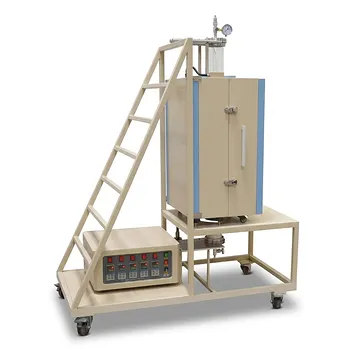
- Compact Vertical Split Quartz Tube Furnace with Stainless Steel Vacuum Flanges for Rapid Thermal Quenching and Controlled Atmosphere Material Processing
- 1200C High Temperature Atmosphere Controlled Vertical Quenching Tube Furnace with 4 Inch Quartz Tube
- 1100°C High Temperature Quartz Chamber Furnace 8 Inch OD with 7.6 Liter Capacity and Vacuum Atmosphere Capability
- 1200C Atmosphere Controlled Automatic Bottom Loading Furnace with 6 Inch Quartz Tube Dual Zone System
- 1200°C Atmosphere Controlled Automatic Bottom Loading Furnace with 6 Inch Quartz Tube
People Also Ask
- Why integrate a vertical split tube furnace with hydraulic loading for HSECC? Essential for In-Situ Fire Simulation.
- What is the role of a split vertical tube furnace during flash sintering of 8YSZ and 20SDC? Master Ultra-Fast R&D
- What is the primary engineering purpose for using a customized ventilation hood when operating a split tube furnace? RCF Safety
- Why is a quartz tube furnace necessary for phosphorus-doped MoS2/GO preparation? Ensure Purity & Precise Synthesis
- What is the primary function of a Quartz Tube Furnace in ZnO VLS growth? Master High-Precision Nanowire Synthesis

Tech Team · ThermUnits
Last updated on Jun 03, 2026
Related Products

Compact Vertical Split Quartz Tube Furnace with Stainless Steel Vacuum Flanges for Rapid Thermal Quenching and Controlled Atmosphere Material Processing
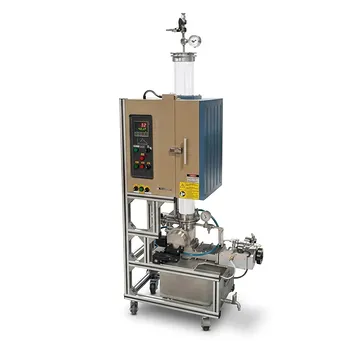
1200C High Temperature Atmosphere Controlled Vertical Quenching Tube Furnace with 4 Inch Quartz Tube
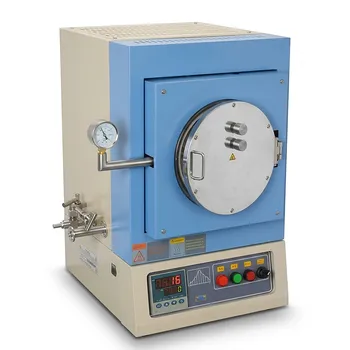
1100°C High Temperature Quartz Chamber Furnace 8 Inch OD with 7.6 Liter Capacity and Vacuum Atmosphere Capability
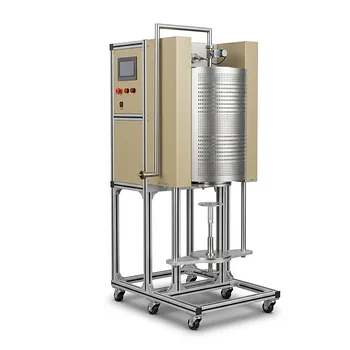
1200C Atmosphere Controlled Automatic Bottom Loading Furnace with 6 Inch Quartz Tube Dual Zone System
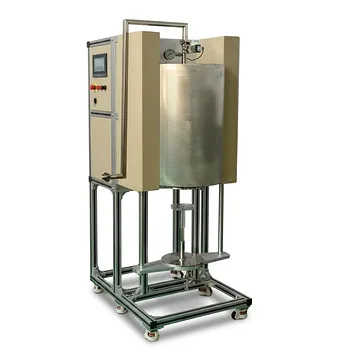
1200°C Atmosphere Controlled Automatic Bottom Loading Furnace with 6 Inch Quartz Tube

Three Zone Tube Furnace with 11 Inch or 15 Inch Quartz Tube and Hinged Flanges for Vacuum Atmosphere Heat Treatment
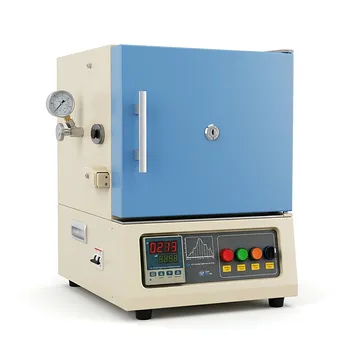
1200C Hybrid Muffle and Tube Furnace for Material Research with Dual Atmosphere Control Quartz Tubes
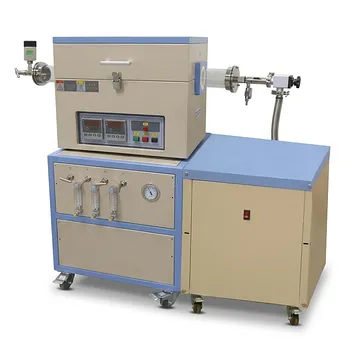
Dual Zone Quartz Tube Furnace with 80mm Diameter 1200C Max Temperature 3 Channel Gas Mixer and Vacuum Pump System

1200°C 5 Inch Vertical Quartz Tube Furnace with Stainless Steel Vacuum Flanges
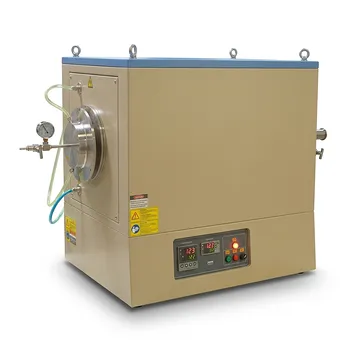
1100°C Large Diameter Quartz Tube Furnace with 24 Inch Heating Zone and Water Cooled Flanges
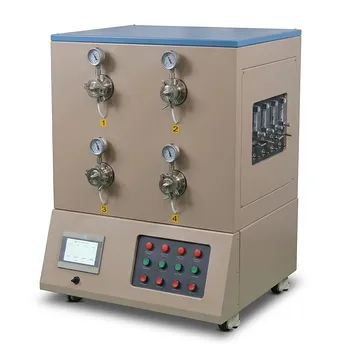
High Throughput 1200C Four Channel Tube Furnace with 3 Inch Quartz Tubes for Multi Zone Annealing and Material Research
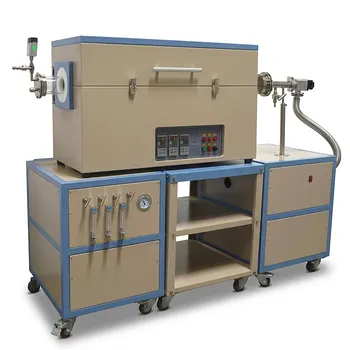
Three Zone Quartz Tube Furnace with 3 Channel Gas Mixer Vacuum Pump and Anti Corrosive Vacuum Gauge
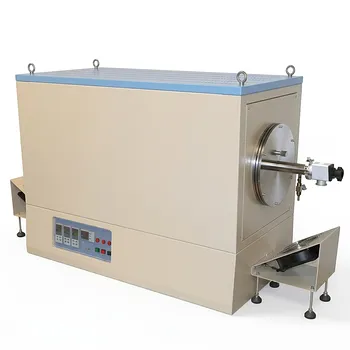
1100°C Three Zone Tube Furnace with 8.5 to 11 Inch OD Quartz Tube and Vacuum Flanges for Large Wafer Processing
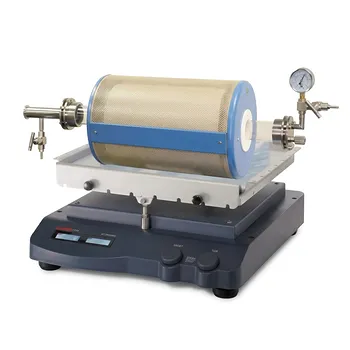
High Temperature Rocking Tube Furnace with Quartz Tube and Vacuum Flange for Materials Synthesis
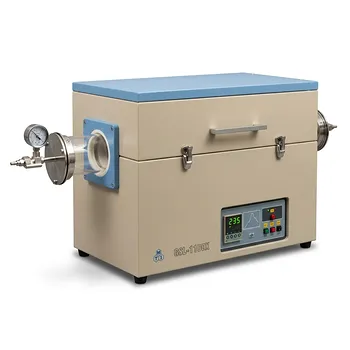
Single Zone Tube Furnace 5 Inch Quartz Tube 36 Inch Heating Zone Vacuum Flanges
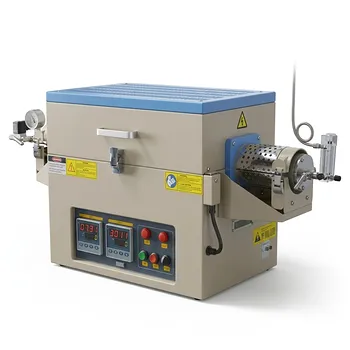
1100C Dual Zone Hydrogen Gas Tube Furnace with Quartz Tube and Integrated H2 Leak Detection System

High Temperature Automated 5 Inch Tube Furnace for Autonomous Material Research and Advanced Laboratory R&D
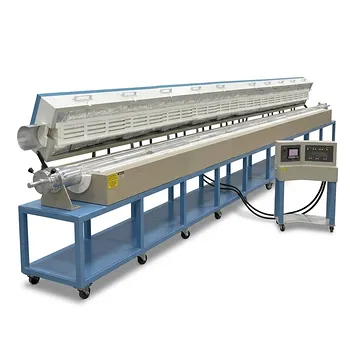
12 Zone Ultra Long Split Tube Furnace with 20 Foot Quartz Tube and 1100C Max Temperature
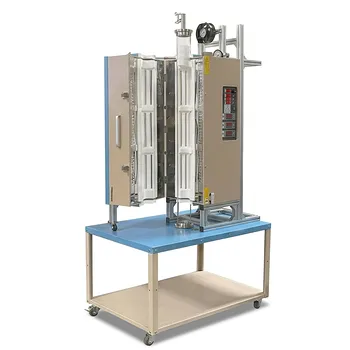
1200C Three Zone Split Vertical Tube Furnace 4 Inch Quartz Tube Stainless Steel Vacuum Flanges