Why is a tube furnace with inert atmosphere protection necessary for the carbonization of nanofibers? Prevent Oxidation
Updated 3 months ago
The carbonization of nanofibers is a delicate thermal transformation that requires absolute isolation from oxygen to prevent the material from simply burning away. At temperatures typically ranging from 450°C to 1000°C, a tube furnace creates a strictly controlled environment where polymer precursors can decompose into a conductive carbon skeleton without undergoing oxidative combustion.
Core Takeaway: A tube furnace with an inert atmosphere is essential because it facilitates the high-temperature chemical conversion of polymers into carbon while preventing oxygen from destroying the fiber's structural integrity.
Preventing Oxidative Destruction
Elimination of Atmospheric Oxygen
High-temperature carbonization occurs well above the auto-ignition temperature of most organic precursors. If oxygen is present, the nanofibers will undergo oxidative combustion, turning the sample into ash and carbon dioxide rather than a solid carbon structure.
The Role of Inert Gas Displacement
The tube furnace allows for the continuous flow of high-purity Argon or Nitrogen to displace all oxygen within the chamber. This inert shield ensures that the polymer decomposes through pyrolysis—a thermal breakdown in the absence of oxygen—rather than burning.
Preservation of Fiber Morphology
Maintaining an oxygen-free environment is critical for preserving the intricate nanoscale morphology of the fibers. This protection allows the material to retain specific features, such as lotus-root-like multi-channel hollow structures, which are vital for applications like selenium storage or electrode surface area.
Facilitating Controlled Chemical Transformation
Guided Polymer Decomposition
The furnace's precise temperature control allows for the orderly dehydrogenation and cross-linking of polymers. This controlled heating program guides the transition from high-molecular polymers (like PAN or cellulose) into a stable, conductive carbon network.
Removal of Non-Carbon Elements
During the process, non-carbon elements and sizing agents are thermally removed and carried away by the gas flow. This purification results in a graphitized carbon skeleton characterized by high electrical conductivity and chemical stability.
Uniform Doping and Metal Reduction
The inert atmosphere is necessary for the successful reduction of metal particles, such as Cobalt species, within the carbon substrate. Without this protection, these metal nanoparticles would oxidize, losing their catalytic or conductive properties.
Understanding the Trade-offs and Technical Constraints
Gas Purity and Flow Rate
The success of the process depends heavily on the purity of the inert gas; even trace amounts of oxygen can lead to partial degradation or pitting on the fiber surface. However, excessive gas flow rates may cause temperature fluctuations or mechanical stress on the delicate nanofibers.
Heating Rate Sensitivity
While a tube furnace offers high precision, an overly rapid heating rate can cause the rapid escape of volatile components, potentially rupturing the fiber walls. Conversely, a heating rate that is too slow may lead to inefficient carbonization and increased energy consumption.
Hermetic Sealing Challenges
The integrity of the hermetic seals on the furnace tube is a common point of failure. If the seals degrade over time, oxygen ingress can occur during the cooling phase, which is particularly dangerous as the carbonized material remains highly reactive at elevated temperatures.
How to Apply This to Your Project
Choosing Your Setup
- If your primary focus is high electrical conductivity: Use high-purity Nitrogen or Argon at temperatures above 800°C to maximize graphitization and the removal of non-carbon atoms.
- If your primary focus is preserving delicate morphology: Select a lower heating rate (e.g., 5°C/min) and ensure a stable, low-velocity inert gas flow to prevent structural damage during volatile escape.
- If your primary focus is metal-doped composites: Ensure a strictly oxygen-free Argon environment to facilitate the reduction of metal salts into active nanoparticles without oxidation.
By masterfully controlling the thermal environment and gas chemistry, the tube furnace transforms a simple polymer into a high-performance carbon nanomaterial.
Summary Table:
| Key Feature | Functional Role | Impact on Nanofibers |
|---|---|---|
| Oxygen Displacement | Continuous flow of Ar/N2 | Prevents oxidative combustion and ash formation. |
| Atmosphere Control | Pyrolysis environment | Facilitates dehydrogenation and carbon skeleton formation. |
| Precise Heating | Controlled ramp rates | Preserves nanoscale morphology and prevents wall rupture. |
| Hermetic Sealing | Vacuum-tight protection | Prevents oxygen ingress during the critical cooling phase. |
| Gas Purification | Removal of volatiles | Ensures high electrical conductivity and material purity. |
Elevate Your Material Research with THERMUNITS
Precision is the difference between a successful carbonization and a failed experiment. THERMUNITS is a leading manufacturer of high-temperature laboratory equipment for material science and industrial R&D. We offer a comprehensive range of thermal processing solutions designed to provide the absolute atmosphere control required for delicate nanofiber applications.
Our expertise covers a wide range of specialized equipment, including:
- Advanced Furnaces: Tube, Atmosphere, Vacuum, Muffle, Rotary, and Hot Press furnaces.
- Specialized Systems: CVD/PECVD systems, Dental Furnaces, and Electric Rotary Kilns.
- Industrial Solutions: Vacuum Induction Melting (VIM) furnaces and high-quality Thermal Elements.
Whether you are scaling up industrial production or conducting precise laboratory heat treatments, THERMUNITS provides the reliability and temperature uniformity your project demands.
Ready to optimize your carbonization process? Contact our technical experts today to find the perfect thermal solution for your lab!
References
- Qinghua Li, Shaoming Huang. Efficient Polytelluride Anchoring for Ultralong-Life Potassium Storage: Combined Physical Barrier and Chemisorption in Nanogrid-in-Nanofiber. DOI: 10.1007/s40820-023-01318-9
Mentioned Products
- High Temperature Tube Furnace 1500C with Sliding Flanges and 50mm OD for Rapid Thermal Processing Fast Heating and Cooling
- Vertical 1700C Vacuum and Atmosphere Tube Furnace with 80mm Alumina Tube
- 1100C Tube Furnace with Vacuum Flange and Programmable Temperature Controller for Material Science and Industrial Heat Treatment
- Compact High Temperature 1600C Tube Furnace with 50mm Alumina Tube and Vacuum Flanges for Material Sintering
- 900°C Max Rotary Tube Furnace with 8 Inch 310S Alloy Tube and Optional Multi Zone Heating for Industrial Material Calcination
People Also Ask
- How are high-temperature tube furnaces utilized to repair etching damage? Precision Lattice Restoration Solutions
- What role does a high-temperature tube furnace play in CVD synthesis of silicon nanowires? Master VLS Growth Precision.
- What core conditions does a high-temperature tube furnace provide for rGO aerogels? Mastering Precision Synthesis.
- What role does a high-temperature tube furnace play in the sulfidation heat treatment of CoS@C/MXene nanocomposites? Guide
- How does precision tube furnace control influence CoFe nanoparticle formation? Master Your Bimetallic Synthesis.

Tech Team · ThermUnits
Last updated on Jun 03, 2026
Related Products

High Temperature Tube Furnace 1500C with Sliding Flanges and 50mm OD for Rapid Thermal Processing Fast Heating and Cooling

Vertical 1700C Vacuum and Atmosphere Tube Furnace with 80mm Alumina Tube

1100C Tube Furnace with Vacuum Flange and Programmable Temperature Controller for Material Science and Industrial Heat Treatment

Compact High Temperature 1600C Tube Furnace with 50mm Alumina Tube and Vacuum Flanges for Material Sintering
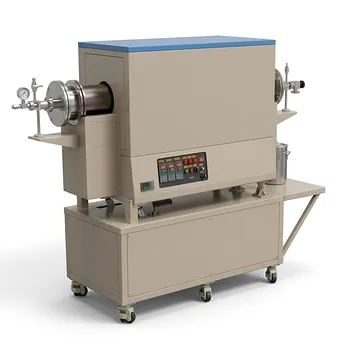
900°C Max Rotary Tube Furnace with 8 Inch 310S Alloy Tube and Optional Multi Zone Heating for Industrial Material Calcination

1700C Hydrogen Gas Tube Furnace with 60mm Alumina Process Tube and Integrated Hydrogen Safety Detector

High Temperature 1700C Tube Furnace with High Vacuum Turbomolecular Pump System and Multi Channel Mass Flow Controller Gas Mixer

5 Inch Three Zone Rotary Tube Furnace with Integrated Gas Delivery System and 1200C Capability for Advanced Material CVD Processing

Three Zone Tube Furnace with 11 Inch or 15 Inch Quartz Tube and Hinged Flanges for Vacuum Atmosphere Heat Treatment
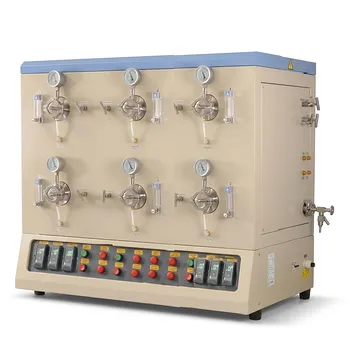
1200C High Throughput Multi Channel Tube Furnace with 50mm Quartz Tubes for Annealing and Material Phase Diagram Research

1200°C 5 Inch Vertical Quartz Tube Furnace with Stainless Steel Vacuum Flanges
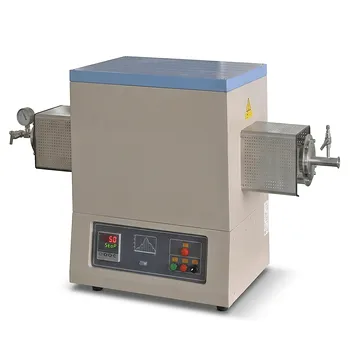
High Temperature 1700C Tube Furnace with 4 Inch OD Alumina Tube and Vacuum Sealing Flanges

High Temperature 1700C Benchtop Tube Furnace with 5 Inch Heating Zone High Purity Alumina Tube and Vacuum Sealing Flanges

High Temperature 1700C Six Zone Split Tube Furnace with Alumina Tube and Water Cooled Flanges

Compact Vertical Split Quartz Tube Furnace with Stainless Steel Vacuum Flanges for Rapid Thermal Quenching and Controlled Atmosphere Material Processing

1800C High Temperature Compact Vacuum Tube Furnace with 60mm OD Alumina Tube and Kanthal MoSi2 Heating Elements
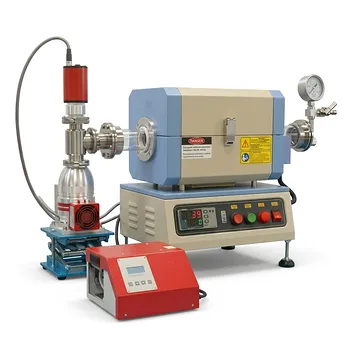
High Vacuum Compact Tube Furnace 1200C with Integrated Turbo Pump System and 8 Inch Heating Zone
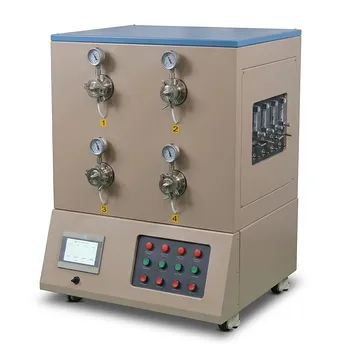
High Throughput 1200C Four Channel Tube Furnace with 3 Inch Quartz Tubes for Multi Zone Annealing and Material Research

High Temperature Automated 5 Inch Tube Furnace for Autonomous Material Research and Advanced Laboratory R&D
