Why is high-purity nitrogen purging essential during activated carbon activation? Ensure Purity & Structural Integrity
Updated 3 months ago
Nitrogen purging is the critical safeguard that prevents your carbon precursor from incinerating during the activation process. By displacing atmospheric oxygen with an inert gas, the purge prevents uncontrolled oxidation and spontaneous combustion as temperatures rise toward 850–900°C. This protection ensures the carbon skeleton remains intact so that the subsequent activation step can precisely etch the desired pore structure rather than simply destroying the material.
Core Takeaway: High-purity nitrogen creates an oxygen-free environment that protects the structural integrity of the carbon precursor. This allows for controlled pore development and the removal of volatile impurities, maximizing both the yield and the adsorption performance of the final activated carbon.
Preventing Uncontrolled Oxidation and Combustion
Displacing Atmospheric Oxygen
At high temperatures, carbonaceous materials react aggressively with oxygen, leading to oxidative combustion. Introducing high-purity nitrogen effectively displaces air from the furnace chamber, creating an inert atmosphere.
Protecting the Carbon Skeleton
Without this inert shield, the raw material (such as bamboo or biomass) would undergo non-selective oxidation, turning into ash rather than activated carbon. Maintaining an oxygen-free environment ensures that the heating phase only prepares the material for the carbonization and pore-forming stages.
Enabling High-Temperature Stability
Furnace temperatures often reach levels between 500°C and 900°C, where carbon is highly reactive. Nitrogen purging allows the material to reach these temperatures safely, ensuring the carbon framework is reconstructed correctly before the chemical activator is introduced.
Managing Volatiles and Reaction Purity
Continuous Removal of Pyrolysis By-products
As the material heats up, it releases volatile organic compounds (VOCs) and other pyrolysis by-products. A constant flow of nitrogen (e.g., 200 mL/min) sweeps these gases out of the reaction zone, preventing them from interfering with the carbon’s surface.
Maintaining Chemical Equilibrium
By clearing away reaction by-products, the nitrogen flow helps maintain a stable reaction equilibrium within the furnace. This ensures that the activator (such as steam) can perform precise etching on the carbon matrix without competition from impurities.
Ensuring Pore Integrity
The removal of volatiles prevents them from re-depositing into the newly formed pores. This process is essential for achieving the highly developed microporous and mesoporous structures required for high-performance adsorption.
Understanding the Trade-offs
The Risk of Insufficient Purity
If the nitrogen used is not of high purity, residual oxygen or moisture can cause localized "pitting" or premature oxidation. This degrades the specific surface area and can significantly reduce the mechanical strength of the resulting carbon.
Flow Rate Sensitivities
While a continuous flow is necessary to remove impurities, an excessively high flow rate can lead to thermal instability or uneven heating within the furnace. Conversely, a flow rate that is too low may fail to adequately displace oxygen or clear out corrosive volatiles, potentially damaging the equipment.
Cost and Scalability
High-purity nitrogen represents a significant operational cost in large-scale production. While essential for quality, manufacturers must balance the flow rate and gas grade to ensure the process remains economically viable without sacrificing pore quality.
How to Apply This to Your Activation Process
To achieve the best results in your activation project, consider your specific material and goals when setting your nitrogen parameters.
- If your primary focus is Maximum Pore Volume: Ensure a consistent, high-purity nitrogen flow throughout the entire ramp-up phase to prevent any "ashing" of the delicate pore walls.
- If your primary focus is High Yield: Focus on the complete exclusion of oxygen at the lower temperature ranges (300-500°C) to prevent early-stage carbon loss.
- If your primary focus is Equipment Longevity: Maintain a steady flow to continuously vent corrosive volatiles that are released during the pyrolysis of certain biomass precursors.
By masterfully controlling the inert environment, you transform a simple heating process into a precise tool for engineering high-performance carbon structures.
Summary Table:
| Feature | Role of Nitrogen Purging | Impact on Final Product |
|---|---|---|
| Oxygen Exclusion | Displaces air to create an inert atmosphere | Prevents combustion and ensures the carbon skeleton stays intact |
| Volatile Removal | Sweeps out pyrolysis by-products and VOCs | Prevents pore blockage and ensures high surface area/purity |
| Thermal Stability | Enables safe heating between 500°C and 900°C | Allows for precise etching and uniform carbon framework development |
| Process Control | Maintains reaction equilibrium in the furnace | Maximizes adsorption performance and mechanical strength |
Elevate Your Material Research with THERMUNITS Precision Furnaces
Achieving the perfect pore structure in activated carbon requires absolute control over your thermal environment. THERMUNITS is a leading manufacturer of high-temperature laboratory equipment designed specifically for material science and industrial R&D.
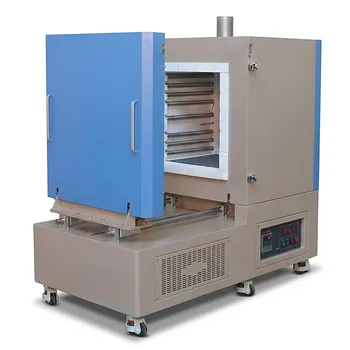
Our comprehensive range of thermal processing solutions—including Atmosphere Furnaces, Vacuum Furnaces, Tube Furnaces, and Rotary Kilns—provides the precise gas flow control and temperature uniformity essential for successful nitrogen purging and carbonization. Whether you are developing advanced adsorbents or conducting complex pyrolysis, our equipment ensures high yield and superior material integrity.
Ready to optimize your activation process? Contact us today to discuss your specific requirements and discover how THERMUNITS can provide the reliable heat treatment solutions your lab deserves.
References
- Taher Selmi, Alain Celzard. Enhancing micropollutant removal efficiency using sustainable activated charcoal. DOI: 10.1016/j.jece.2024.114855
Mentioned Products
- Electric Rotary Kiln Small Rotary Furnace for Activated Carbon Regeneration
- High Temperature 1500C Benchtop Muffle Furnace 3.6L Alumina Fiber Chamber Programmable Controller Sintering Annealing Carbonization Thermal Processing System
- Three Zone Quartz Tube Furnace with 3 Channel Gas Mixer Vacuum Pump and Anti Corrosive Vacuum Gauge
- Compact Atmosphere Controlled Rapid Thermal Processing RTP Furnace with 4 Inch ID Quartz Tube 1100C
- 5 Inch Rotary Tube Furnace with Automatic Feeding and Receiving System 1200C Three Zone CVD Powder Processing
People Also Ask
- What are the primary components and heating mechanisms of an electric rotary kiln? Optimize High-Purity Heat Treatment
- Which minerals and specialty chemicals are commonly processed using electric rotary kilns? Precision Thermal Processing Guide
- What are the maintenance and service life advantages of an electric rotary kiln? 25+ Year Longevity & Low Maintenance
- How does the use of an electric rotary kiln facilitate CO2 capture in cement and lime production? Achieve High-Purity CCUS
- What thermal efficiency can be expected from an electric rotary kiln compared to fuel-fired alternatives? Gain 95% efficiency.

Tech Team · ThermUnits
Last updated on Jun 02, 2026
Related Products
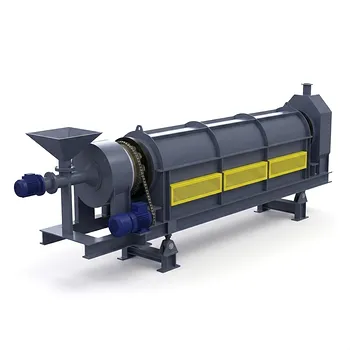
Electric Rotary Kiln Small Rotary Furnace for Activated Carbon Regeneration
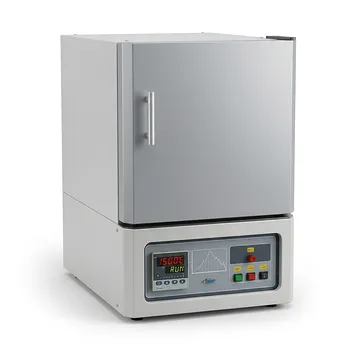
High Temperature 1500C Benchtop Muffle Furnace 3.6L Alumina Fiber Chamber Programmable Controller Sintering Annealing Carbonization Thermal Processing System
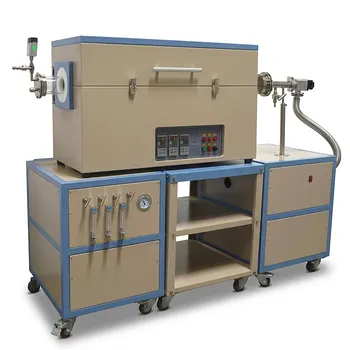
Three Zone Quartz Tube Furnace with 3 Channel Gas Mixer Vacuum Pump and Anti Corrosive Vacuum Gauge
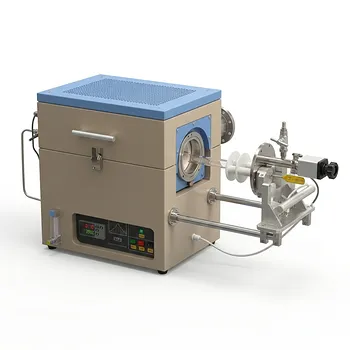
Compact Atmosphere Controlled Rapid Thermal Processing RTP Furnace with 4 Inch ID Quartz Tube 1100C
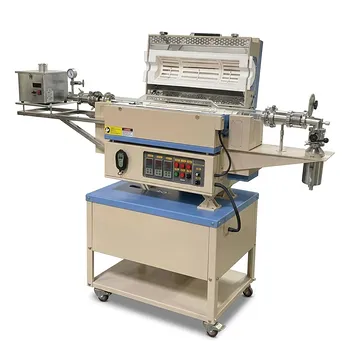
5 Inch Rotary Tube Furnace with Automatic Feeding and Receiving System 1200C Three Zone CVD Powder Processing
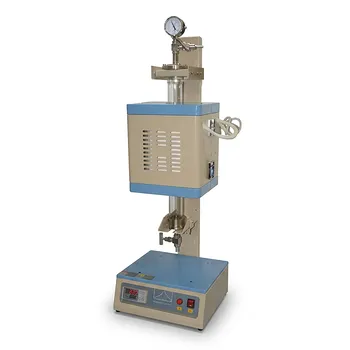
Compact Vertical Split Quartz Tube Furnace with Stainless Steel Vacuum Flanges for Rapid Thermal Quenching and Controlled Atmosphere Material Processing
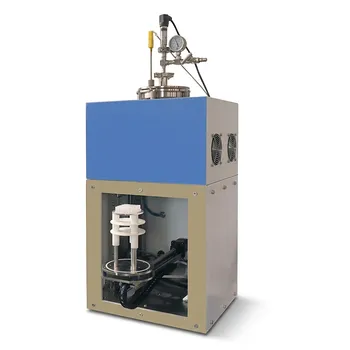
Rapid Thermal Processing RTP Atmosphere Controlled Bottom Loading Furnace 1100C High Throughput 50C per Second Heating Rate
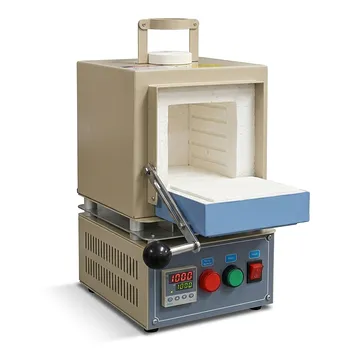
Compact 1000C Muffle Furnace with Programmable Controller and 2 Inch Top Port for Vacuum and Atmosphere Material Research
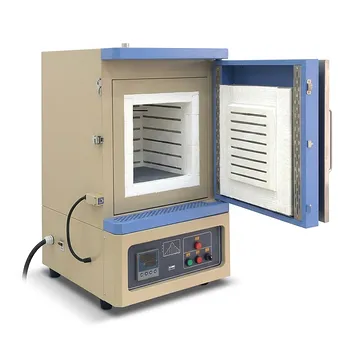
Five Side Heating Muffle Furnace High Purity Alumina Fiber 27L Chamber 1200C High Temperature Thermal Processing System for Sintering Annealing and Materials Research
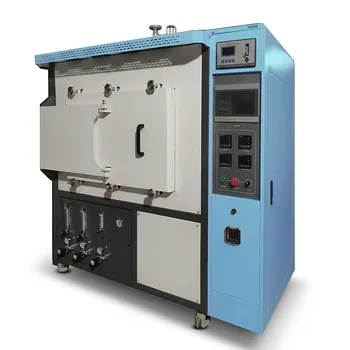
Roller Table Atmosphere Furnace 1500C High Temperature Battery Material Sintering System 112L Capacity
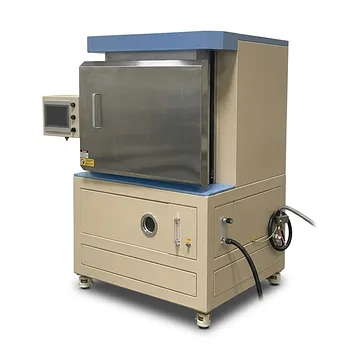
1650C High Temperature Atmosphere Controlled Box Furnace with 65L Chamber for Advanced Material Sintering and Industrial Heat Treatment
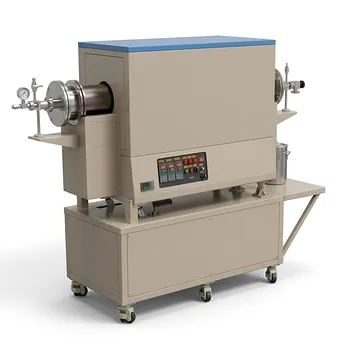
900°C Max Rotary Tube Furnace with 8 Inch 310S Alloy Tube and Optional Multi Zone Heating for Industrial Material Calcination
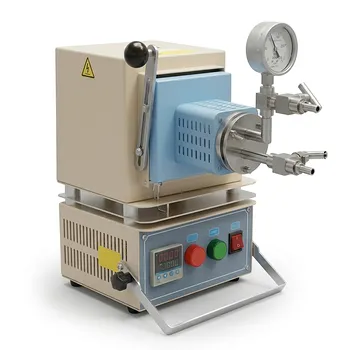
Compact Hybrid Muffle and Tube Furnace for 1000C Controlled Atmosphere Laboratory Material Sintering
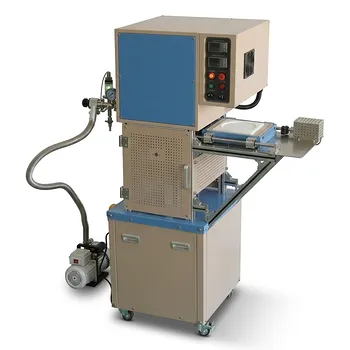
1200°C Bottom Loading Vacuum Furnace with Rapid Gas Cooling and 8.6 Inch Diameter Quartz Chamber
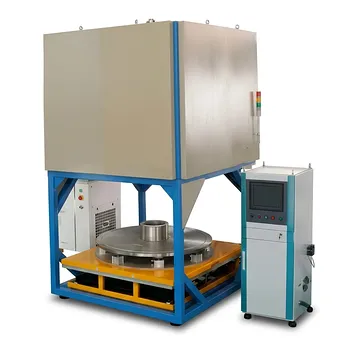
1400C Bottom Loaded Inert Gas Atmosphere Box Furnace with 125L Capacity and Precision Hydraulic Lift
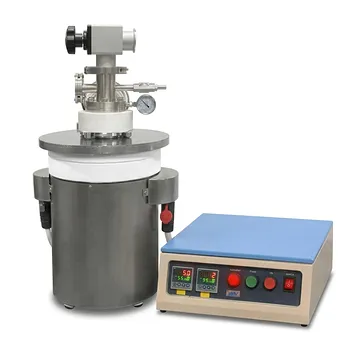
1100C High Temperature Vacuum Crucible Furnace with Quartz Chamber for Thermal Processing and Sintering
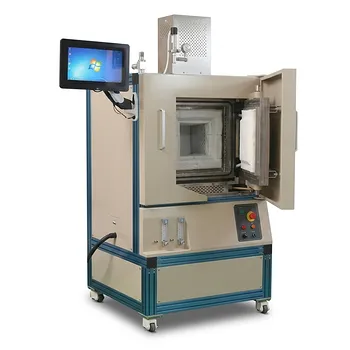
High Temperature Oxygen and Inert Atmosphere Controlled Furnace 8 Liter 1700C Sintering System for Advanced Materials RD
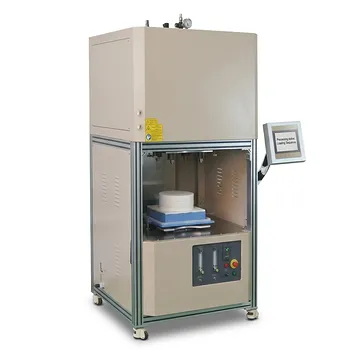
High Temperature Vertical Atmosphere Controlled Furnace with Automatic Bottom Loading and 1700°C Capacity for Advanced Material Research

High Temperature 1700C Tube Furnace with High Vacuum Turbomolecular Pump System and Multi Channel Mass Flow Controller Gas Mixer