Why is high-purity nitrogen required as a protective gas during the catalytic graphitization of phenolic resin carbon?
Updated 3 months ago
High-purity nitrogen serves as the critical barrier between successful carbon transformation and total material loss. During the catalytic graphitization of phenolic resin carbon, nitrogen is continuously introduced to displace oxygen, creating an inert atmosphere that prevents the oxidative combustion of both the carbon framework and the metal catalysts at temperatures between 1300°C and 1500°C. Furthermore, the flow acts as a carrier gas, removing volatile byproducts to ensure the purity and structural integrity of the final graphitic material.
Core Takeaway: High-purity nitrogen is indispensable because it chemically isolates the reaction from oxygen to prevent combustion while mechanically purging volatile impurities that would otherwise degrade the carbon’s pore structure and yield.
Preventing Thermal Oxidation and Material Loss
Safeguarding the Carbon Framework
At the extreme temperatures required for graphitization (1300°C–1500°C), carbon reacts violently with even trace amounts of oxygen. Without a high-purity nitrogen shield, the phenolic resin carbon would undergo oxidative combustion, effectively turning the raw material into ash rather than graphite.
Protecting Metal Catalyst Activity
Catalytic graphitization relies on specific metals to lower the energy barrier for structural transformation. Nitrogen prevents these metal catalysts from oxidizing, ensuring they remain in a reduced, active state capable of facilitating the transition from amorphous carbon to ordered graphite.
Ensuring Maximum Product Yield
By eliminating oxygen-driven side reactions, nitrogen ensures that the maximum number of carbon atoms remains within the solid structure. This inert environment is the primary factor in achieving high carbon enrichment and preventing significant mass loss during high-temperature processing.
Maintaining Structural and Chemical Purity
Removal of Volatile Organic Compounds (VOCs)
As phenolic resin heats up, it releases various volatile components and gaseous byproducts. A constant flow of nitrogen (often regulated at specific rates like 200 mL/min) continuously carries these volatiles out of the reaction zone, preventing them from settling back onto the material.
Preventing Secondary Pyrolysis and Coking
If volatile gases remain in the furnace, they can undergo secondary pyrolysis, leading to "coking" or the deposition of disordered carbon within the newly formed pores. Nitrogen flow ensures that pore channels remain unobstructed, preserving the specific surface area and structural quality of the carbon.
Preservation of Delicate Microstructures
In advanced carbon synthesis, nitrogen protects sensitive geometries such as nanosheets or hollow tube structures from thermal erosion. By maintaining a stable, non-reactive environment, the gas allows these complex one-dimensional and two-dimensional architectures to form systematically.
Understanding the Trade-offs and Risks
The Hazard of Low-Purity Nitrogen
Using nitrogen with insufficient purity (containing trace oxygen or moisture) can be counterproductive. Even minor oxygen contamination at 1500°C can cause pitting and localized erosion on the carbon surface, compromising the mechanical and electrical properties of the graphite.
Flow Rate Equilibrium
While high flow rates efficiently remove impurities, excessively high nitrogen flow can lead to thermal gradients within the furnace. This can cause uneven graphitization, where the material closest to the gas inlet experiences different structural transformation than the material in the center.
Cost vs. Atmospheric Integrity
Maintaining a strictly inert atmosphere requires a continuous supply of high-purity gas, which increases operational costs. However, attempting to reduce nitrogen consumption often leads to reduced yield and inconsistent product quality, which typically outweighs the savings in gas costs.
Strategic Implementation for Your Project
Recommendations Based on Your Objectives
- If your primary focus is Maximum Surface Area: Ensure a consistent, high flow rate of nitrogen to immediately purge all volatiles and prevent secondary coking within the pore network.
- If your primary focus is Structural Perfection (Graphiticity): Prioritize the highest possible nitrogen purity (99.999%) to prevent trace oxidation from disrupting the lattice alignment at 1500°C.
- If your primary focus is High Throughput Yield: Focus on the pre-heating purge cycle to ensure all oxygen is completely displaced before the furnace reaches the critical oxidation threshold of 400°C.
Ultimately, high-purity nitrogen transforms a high-temperature furnace from a combustion chamber into a precision laboratory for carbon engineering.
Summary Table:
| Function | Primary Benefit | Impact of Failure (Low Purity/No Gas) |
|---|---|---|
| Oxygen Displacement | Prevents oxidative combustion of carbon | Complete material loss (raw material turns to ash) |
| Catalyst Protection | Maintains metal catalysts in an active state | Interrupted transformation to ordered graphite |
| VOC Removal | Purges volatile organic compounds | Coking and obstruction of pore channels |
| Environment Stability | Preserves delicate nanosheet microstructures | Surface pitting, erosion, and structural defects |
Elevate Your Carbon Research with THERMUNITS Precision Furnaces
Achieving perfect graphitization requires more than just gas; it requires uncompromising thermal control and atmospheric integrity. THERMUNITS is a leading manufacturer of high-temperature laboratory equipment for material science and industrial R&D.
We offer a comprehensive range of thermal processing solutions tailored for advanced carbon engineering, including:
- Atmosphere and Tube Furnaces designed for precise inert gas flow regulation.
- Vacuum and Hot Press Furnaces for high-density structural transformations.
- CVD/PECVD Systems for specialized carbon synthesis.
- Vacuum Induction Melting (VIM) and Rotary Kilns for industrial-scale R&D.
Whether you are focusing on maximum surface area or structural graphiticity, our equipment provides the stability your research demands. Contact our technical experts today to find the ideal furnace for your laboratory’s heat treatment needs!
References
- Qiangqiang Ren, Hongmin Yang. Analysis and Joint Correlation Models on Pore Structures of Graphitized Phenolic Resin Char Under Ni-Zn-B Catalytic Effect. DOI: 10.3390/pr13010014
Mentioned Products
- High Temperature Vacuum Graphitization Chamber Furnace 2800C Graphite Heating Elements Bottom Loading
- Ultra High Temperature 2300C Induction Heated Graphite Tube Furnace with Infrared Control
- 1200C Sliding Tube Furnace for Rapid Thermal Processing and CVD Graphene Growth with 100mm OD Capacity
- Dual Tube 100mm 80mm CVD Sliding Furnace with 4 Channel Gas Mixing and Vacuum System
- 1700C Compact Hybrid Furnace with Dual Layer Box Sintering and Controlled Atmosphere Alumina Tubes
People Also Ask
- Why is a high-temperature graphitization furnace needed for ZrC/SiC/C ceramic aerogels? Master UHTC Synthesis at 1700°C
- What conditions does a graphitization furnace provide for pitch-based carbon? Achieve Superior Crystalline Quality
- How does a high-temp furnace enhance thermal conductivity of graphene & CNT films? Superior Material Graphitization
- Why is an ultra-high temperature graphitization furnace required for coal-based graphite? Unlock Crystalline Performance
- What core technical conditions must an ultra-high temperature graphitization furnace meet? Achieve 2800°C Peak Performance

Tech Team · ThermUnits
Last updated on Jun 03, 2026
Related Products
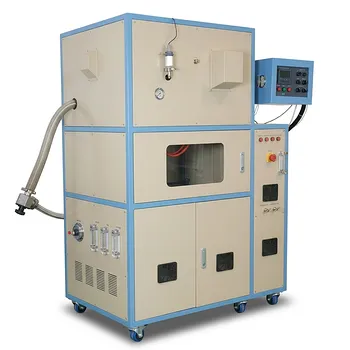
High Temperature Vacuum Graphitization Chamber Furnace 2800C Graphite Heating Elements Bottom Loading
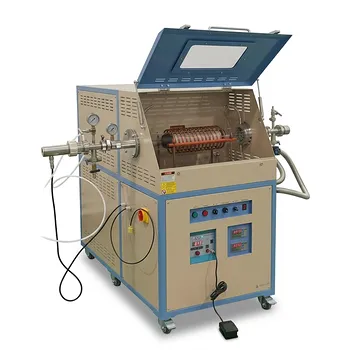
Ultra High Temperature 2300C Induction Heated Graphite Tube Furnace with Infrared Control
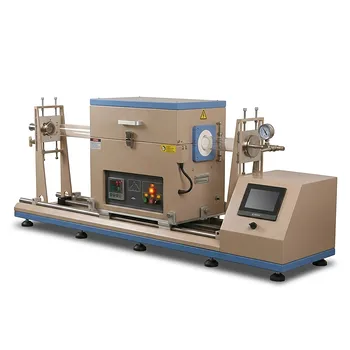
1200C Sliding Tube Furnace for Rapid Thermal Processing and CVD Graphene Growth with 100mm OD Capacity
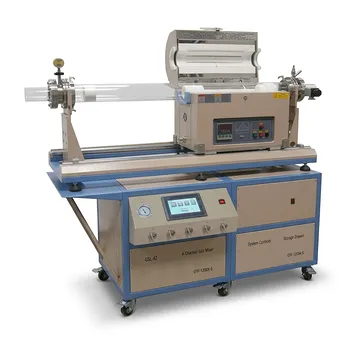
Dual Tube 100mm 80mm CVD Sliding Furnace with 4 Channel Gas Mixing and Vacuum System
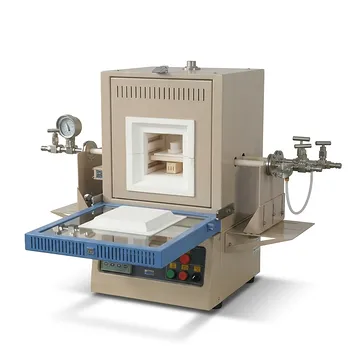
1700C Compact Hybrid Furnace with Dual Layer Box Sintering and Controlled Atmosphere Alumina Tubes
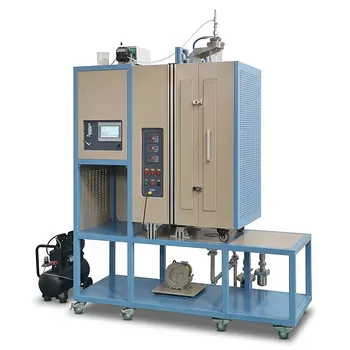
1500C Three Zone Vertical Pyrolysis Furnace for Nanoparticle Synthesis and Advanced Oxide Coating
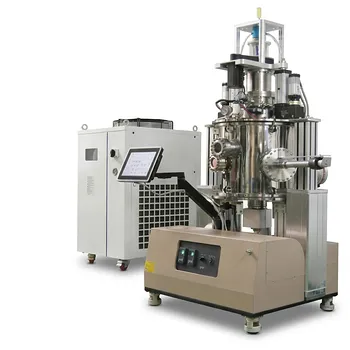
950C Rapid Thermal Processing Furnace for 12 Inch Wafer CSS Coating with Rotating Substrate Holder
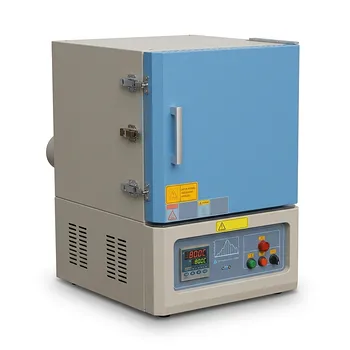
1800C Bench Top Muffle Furnace 18 Liters with Kanthal Super 1900 Heating Elements for High Purity Ceramic Sintering and Material Research
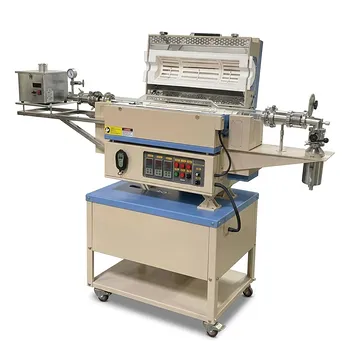
5 Inch Rotary Tube Furnace with Automatic Feeding and Receiving System 1200C Three Zone CVD Powder Processing
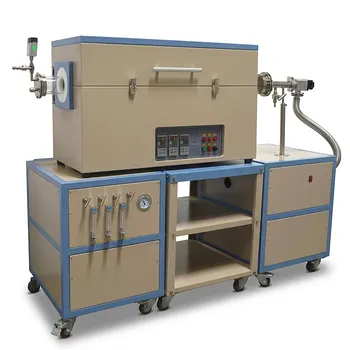
Three Zone Quartz Tube Furnace with 3 Channel Gas Mixer Vacuum Pump and Anti Corrosive Vacuum Gauge
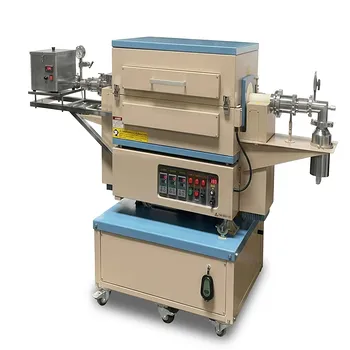
1500C 3-Zone Rotary Tube Furnace 60mm with Automatic Powder Feeding and Receiving System for Continuous Material Synthesis
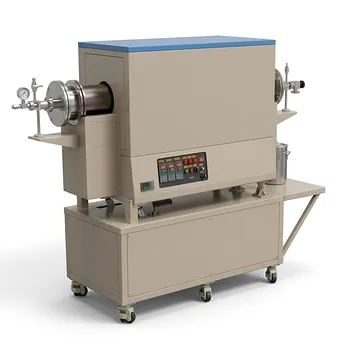
900°C Max Rotary Tube Furnace with 8 Inch 310S Alloy Tube and Optional Multi Zone Heating for Industrial Material Calcination
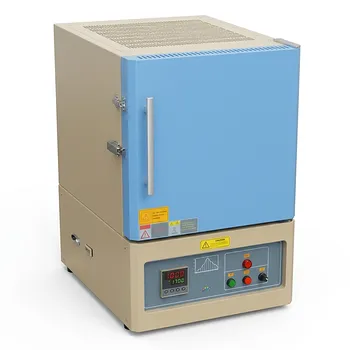
Large Bench Top 1700C High Temperature Muffle Furnace with 19L Chamber for Advanced Material Sintering and Annealing
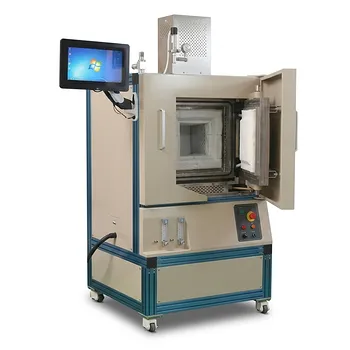
High Temperature Oxygen and Inert Atmosphere Controlled Furnace 8 Liter 1700C Sintering System for Advanced Materials RD

Compact High Temperature 1600C Tube Furnace with 50mm Alumina Tube and Vacuum Flanges for Material Sintering
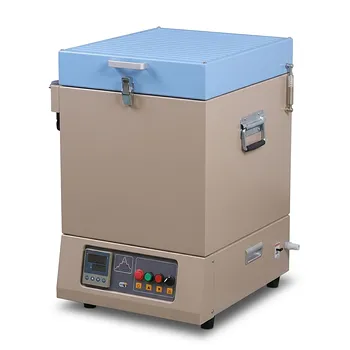
High Temperature Vertical Crucible Furnace with 22L Heating Chamber and 1200C Maximum Temperature
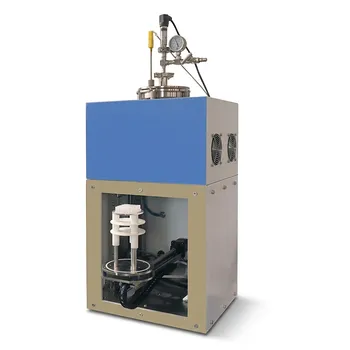
Rapid Thermal Processing RTP Atmosphere Controlled Bottom Loading Furnace 1100C High Throughput 50C per Second Heating Rate
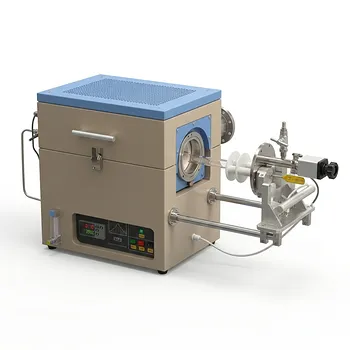
Compact Atmosphere Controlled Rapid Thermal Processing RTP Furnace with 4 Inch ID Quartz Tube 1100C
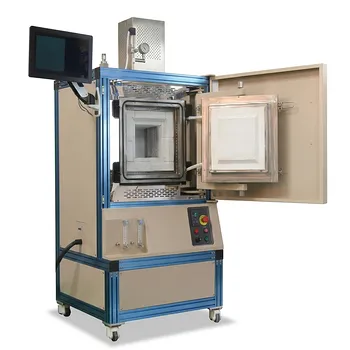
High Temperature Hydrogen Atmosphere Box Furnace 1650C Max Reducing Environment Material Synthesis System 8x8x8 Chamber