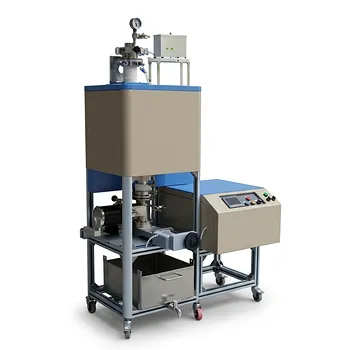
Why is it necessary to maintain an inert gas atmosphere during the pyrolysis process of Cu–Fe–CN catalysts in a tube furnace? Tips
Updated 6 months ago
An inert atmosphere is the fundamental safeguard for catalyst architecture during high-temperature synthesis. By displacing oxygen, an inert gas like nitrogen or argon prevents the oxidative combustion of the carbon support and the unwanted oxidation of copper and iron species. This controlled environment ensures that nitrogen ligands and metal ions undergo precise coordination reactions, preserving the density and integrity of the catalytic active centers.
The primary role of an inert atmosphere is to decouple thermal decomposition from oxidation, allowing for the precise assembly of metal-nitrogen coordination sites (M-N-C) without destroying the carbon scaffold or agglomerating metal atoms into inactive particles.
Protecting the Structural Integrity of the Carbon Support
Prevention of Oxidative Combustion
At the high temperatures required for pyrolysis (often 500°C to 900°C), carbon supports such as high-surface-area carbon black are highly susceptible to oxidative combustion. Introducing an inert gas creates an oxygen-free environment that prevents the carbon matrix from reacting with oxygen to form CO or CO₂. This ensures the physical scaffold remains intact to host the metal active sites.
Preserving Pore Structure and Surface Area
The performance of Cu–Fe–CN catalysts relies heavily on a high specific surface area and an accessible pore structure. Oxygen exposure at high temperatures can lead to "over-activation" or total collapse of the micro- and mesopores. An inert atmosphere protects these delicate features, maintaining the pathways necessary for reactant transport.
Engineering the Atomic Active Sites
Facilitating Coordination Chemistry
The formation of Fe-Nx and Cu-Nx coordination sites requires a stable chemical environment where nitrogen-containing ligands can bond with metal ions. An inert atmosphere facilitates these pyrolysis reactions between the nitrogen source, metal precursors, and carbon matrix. This stability is critical for maximizing the density of the catalytic active centers.
Preventing Metal Agglomeration
In the presence of oxygen, trace metal atoms tend to oxidize and aggregate into large, inactive oxide particles. A high-purity nitrogen or argon flow establishes a neutral or reducing environment that keeps metal species uniformly anchored. This is essential for ensuring that iron and copper remain in a single-atom or small-cluster state, which provides superior catalytic activity.
Regulating Electronic Spin States
Precise atmosphere control allows for the regulation of the electronic spin states of the metal active centers. For Fe-based catalysts, this regulation is a decisive factor in enhancing oxygen reduction reaction (ORR) kinetics. An inert environment ensures that the electronic environment surrounding the metal center is dictated by the intended nitrogen coordination rather than random oxygen defects.
Understanding the Trade-offs and Pitfalls
Gas Purity and Displacement Efficiency
The success of the pyrolysis depends entirely on the purity of the inert gas (typically 99.999%). Even trace amounts of residual oxygen can lead to the formation of metal oxide impurities, which diminish the catalyst's selectivity. Furthermore, the tube furnace must be thoroughly purged before heating to ensure no stagnant oxygen pockets remain.
Sensitivity to Flow Rates
While a continuous flow of gas is necessary to remove volatile byproduct species, excessive flow rates can lead to temperature gradients within the tube. This can result in non-uniform carbonization and inconsistent active site distribution. Conversely, insufficient flow may allow byproduct gases to redeposit on the catalyst, poisoning the active sites.
How to Apply This to Your Synthesis
Making the Right Choice for Your Goal
- If your primary focus is maximizing active site density: Ensure a strictly oxygen-free environment using high-purity argon to facilitate the precise anchoring of single metal atoms onto nitrogen-doped defect sites.
- If your primary focus is structural stability of the support: Maintain a consistent, moderate flow of nitrogen to prevent the oxidative thinning of the carbon walls while effectively removing volatile decomposition products.
- If your primary focus is optimizing electronic properties: Precisely control the pyrolysis temperature and holding time within the inert atmosphere to fine-tune the coordination environment and spin states of the Fe/Cu centers.
Maintaining a rigorous inert atmosphere transforms the tube furnace from a simple heater into a precision chemical reactor capable of atomic-level engineering.
Summary Table:
| Key Requirement | Mechanism | Benefit for Cu–Fe–CN Catalysts |
|---|---|---|
| Oxidation Prevention | Displaces Oxygen | Protects carbon support from combustion and metal from oxidation. |
| Pore Preservation | Controlled Thermal Degradation | Maintains high surface area and accessible transport pathways. |
| Active Site Engineering | Stabilizes Nitrogen Coordination | Ensures high density of Fe-Nx and Cu-Nx atomic active centers. |
| Metal Dispersion | Neutral/Reducing Environment | Prevents atom agglomeration into inactive large oxide particles. |
| Electronic Control | Regulated Atmosphere | Fine-tunes electronic spin states for enhanced ORR kinetics. |
Maximize Catalyst Performance with THERMUNITS Precision Solutions
Achieving atomic-level precision in Cu-Fe-CN catalyst synthesis requires rigorous atmospheric control and thermal stability. THERMUNITS is a leading manufacturer of high-temperature laboratory equipment specifically designed for material science and industrial R&D.
Our advanced Tube Furnaces, CVD/PECVD systems, and Vacuum Atmosphere Furnaces provide the ultra-pure inert environments necessary to prevent oxidation and ensure uniform active site distribution. Whether you are working on Muffle, Rotary, or Hot Press solutions, our equipment delivers the reliability your research demands.
Ready to optimize your thermal processing? Contact us today to discover how THERMUNITS can elevate your lab's efficiency and catalyst yield.
References
- Kun Liu, Xin Chen. Highly efficient Fe–Cu dual-site nanoparticles supported on black pearls 2000 (carbon black) as oxygen reduction reaction catalysts for Al–air batteries. DOI: 10.1039/d3ra07925b
Mentioned Products
- High Temperature Tube Furnace 1500C with Sliding Flanges and 50mm OD for Rapid Thermal Processing Fast Heating and Cooling
- Vertical 1700C Vacuum and Atmosphere Tube Furnace with 80mm Alumina Tube
- 1100C Tube Furnace with Vacuum Flange and Programmable Temperature Controller for Material Science and Industrial Heat Treatment
- Compact High Temperature 1600C Tube Furnace with 50mm Alumina Tube and Vacuum Flanges for Material Sintering
- 900°C Max Rotary Tube Furnace with 8 Inch 310S Alloy Tube and Optional Multi Zone Heating for Industrial Material Calcination
People Also Ask
- How are high-temperature tube furnaces utilized to repair etching damage? Precision Lattice Restoration Solutions
- How does precision tube furnace control influence CoFe nanoparticle formation? Master Your Bimetallic Synthesis.
- What role does a high-temperature tube furnace play in the sulfidation heat treatment of CoS@C/MXene nanocomposites? Guide
- What role does a high-temperature tube furnace play in CVD synthesis of silicon nanowires? Master VLS Growth Precision.
- What core conditions does a high-temperature tube furnace provide for rGO aerogels? Mastering Precision Synthesis.

Tech Team · ThermUnits
Last updated on Apr 14, 2026
Related Products
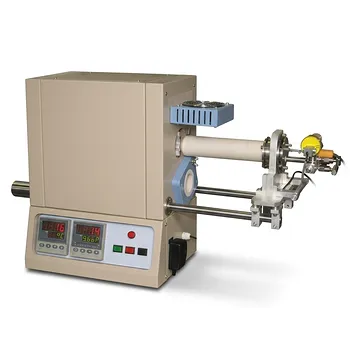
High Temperature Tube Furnace 1500C with Sliding Flanges and 50mm OD for Rapid Thermal Processing Fast Heating and Cooling
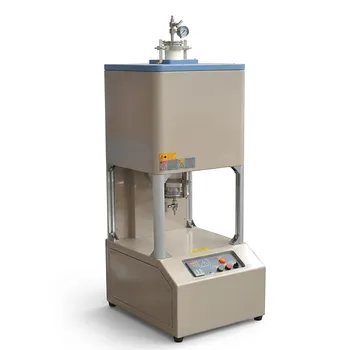
Vertical 1700C Vacuum and Atmosphere Tube Furnace with 80mm Alumina Tube
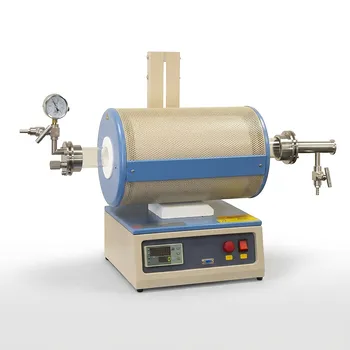
1100C Tube Furnace with Vacuum Flange and Programmable Temperature Controller for Material Science and Industrial Heat Treatment
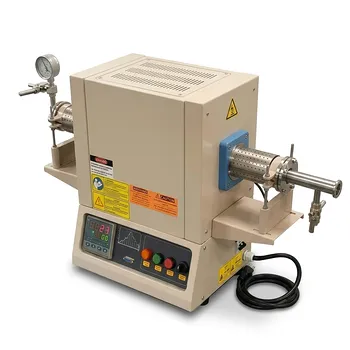
Compact High Temperature 1600C Tube Furnace with 50mm Alumina Tube and Vacuum Flanges for Material Sintering
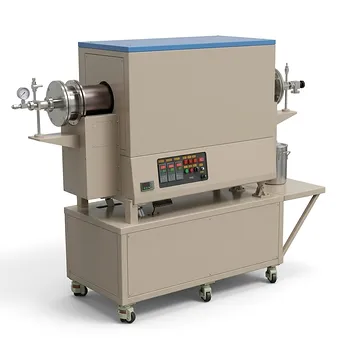
900°C Max Rotary Tube Furnace with 8 Inch 310S Alloy Tube and Optional Multi Zone Heating for Industrial Material Calcination
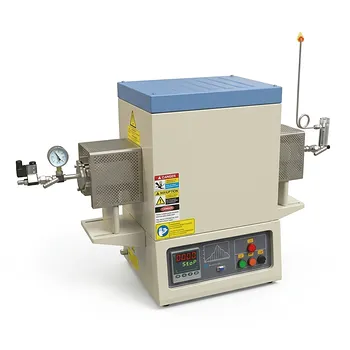
1700C Hydrogen Gas Tube Furnace with 60mm Alumina Process Tube and Integrated Hydrogen Safety Detector
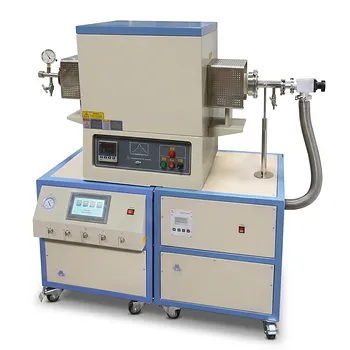
High Temperature 1700C Tube Furnace with High Vacuum Turbomolecular Pump System and Multi Channel Mass Flow Controller Gas Mixer
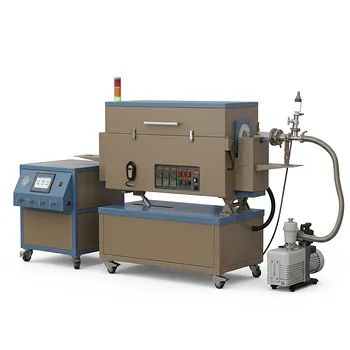
5 Inch Three Zone Rotary Tube Furnace with Integrated Gas Delivery System and 1200C Capability for Advanced Material CVD Processing
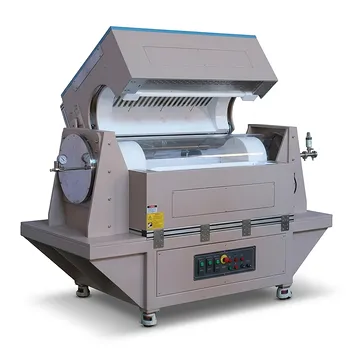
Three Zone Tube Furnace with 11 Inch or 15 Inch Quartz Tube and Hinged Flanges for Vacuum Atmosphere Heat Treatment
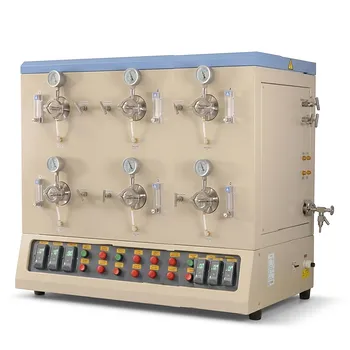
1200C High Throughput Multi Channel Tube Furnace with 50mm Quartz Tubes for Annealing and Material Phase Diagram Research
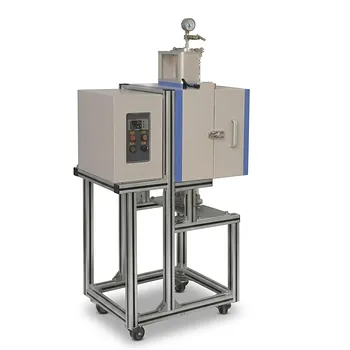
1200°C 5 Inch Vertical Quartz Tube Furnace with Stainless Steel Vacuum Flanges
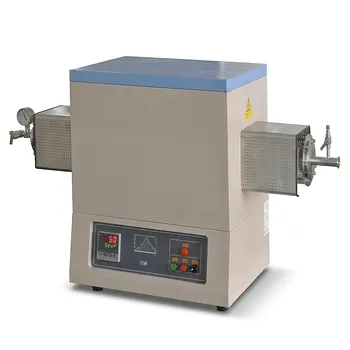
High Temperature 1700C Tube Furnace with 4 Inch OD Alumina Tube and Vacuum Sealing Flanges
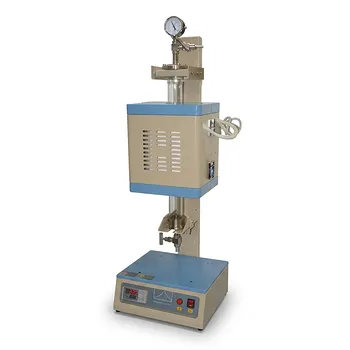
Compact Vertical Split Quartz Tube Furnace with Stainless Steel Vacuum Flanges for Rapid Thermal Quenching and Controlled Atmosphere Material Processing
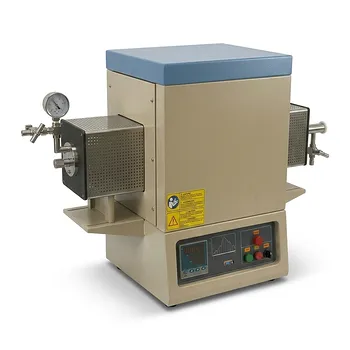
High Temperature 1700C Benchtop Tube Furnace with 5 Inch Heating Zone High Purity Alumina Tube and Vacuum Sealing Flanges
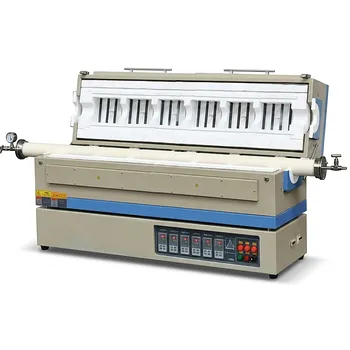
High Temperature 1700C Six Zone Split Tube Furnace with Alumina Tube and Water Cooled Flanges
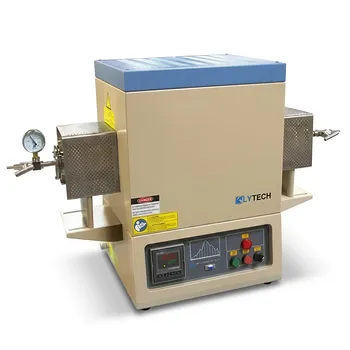
1800C High Temperature Compact Vacuum Tube Furnace with 60mm OD Alumina Tube and Kanthal MoSi2 Heating Elements
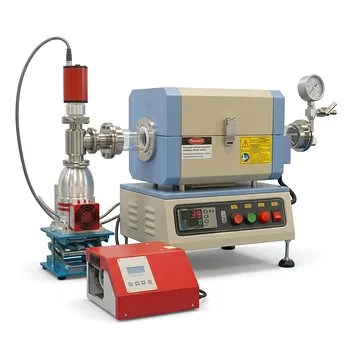
High Vacuum Compact Tube Furnace 1200C with Integrated Turbo Pump System and 8 Inch Heating Zone
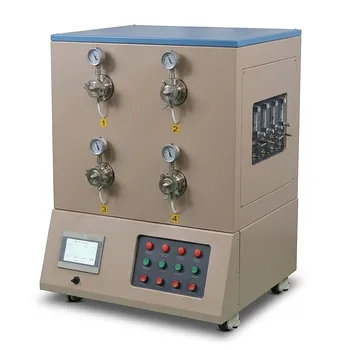
High Throughput 1200C Four Channel Tube Furnace with 3 Inch Quartz Tubes for Multi Zone Annealing and Material Research
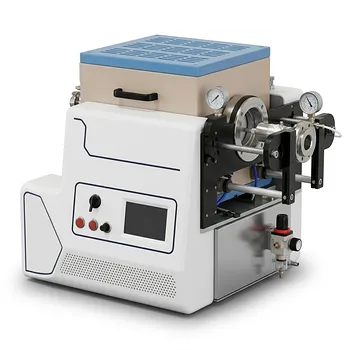
High Temperature Automated 5 Inch Tube Furnace for Autonomous Material Research and Advanced Laboratory R&D