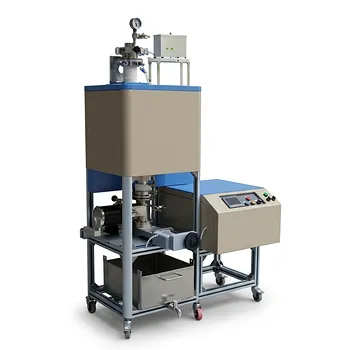
Why must a tube furnace equipped with a precision flow control system be used? Optimize Pore Structure & N-Doping
Updated 6 months ago
A tube furnace equipped with a precision flow control system is essential because it provides the dual-functionality of an inert protective environment and a strictly regulated reactive atmosphere. This setup allows researchers to switch between nitrogen (to prevent combustion) and air (for controlled oxidation) while maintaining the exact gas-phase diffusion rates required to engineer the material's microscopic pore structure. Without this precision, the carbon framework would likely undergo unintended combustion at high temperatures, leading to poor yields and an underdeveloped nitrogen-doped surface.
Core Takeaway: Precision flow control transforms a simple heating element into a chemical reactor capable of balancing protective inertion with controlled oxidative activation, ensuring the successful incorporation of nitrogen and the deliberate construction of high-surface-area pores.
The Critical Role of Atmosphere Regulation
Preventing Unintended Combustion
At the high temperatures required for carbonization (often exceeding 600°C), biomass precursors and carbon frameworks are highly susceptible to oxidative combustion. The precision flow system maintains a continuous, high-purity inert gas stream (such as nitrogen or argon) to displace all oxygen from the reaction chamber. This ensures the organic matter undergoes pyrolysis—the thermal decomposition in the absence of oxygen—rather than simply burning away into ash.
Facilitating Controlled Oxidation
In many nitrogen-doped carbon synthesis protocols, a specific "air carbonization" or "partial oxidation" step is required to introduce oxygen-containing functional groups or to modify the precursor. The flow control system allows for a seamless transition from an inert nitrogen environment to a diluted air environment. This level of control is necessary to achieve controlled oxidation, where the surface is modified without destroying the structural integrity of the carbon skeleton.
Managing Gaseous By-products
As precursors decompose, they release volatile by-products such as carbon monoxide, carbon dioxide, and various hydrocarbons. A steady, precise flow of gas continuously flushes these volatiles out of the furnace, preventing secondary deposition back onto the material. This purging process is vital for maintaining the "cleanliness" of the developing pores and ensuring the final product has a high adsorption capacity.
Engineering the Microscopic Pore Structure
Controlling Activation Kinetics
During chemical activation, the flow rate of the gas directly influences the gas-phase diffusion rate and the microscopic burn-off rate of the carbon skeleton. High-precision flow meters allow for the "directional construction" of microporous and mesoporous structures. By tuning the flow, researchers can determine how aggressively the activating agents interact with the carbon, which ultimately dictates the final surface area and pore volume.
Thermal Stability and Uniformity
Precise flow control works in tandem with programmed temperature control to ensure uniform heating across the entire sample. Stable gas flow helps distribute heat evenly through the precursor bed, preventing "hot spots" that could cause localized over-activation or structural collapse. This uniformity is a prerequisite for producing a consistent nitrogen-doped carbon framework with predictable electrochemical or catalytic properties.
Preservation of Heteroatoms
Nitrogen-doping requires that nitrogen atoms remain embedded within the carbon lattice during high-temperature sintering. Precision control isolates the reaction from ambient oxygen, which would otherwise preferentially react with and remove nitrogen, phosphorus, or oxygen heteroatoms. By maintaining a stable, inert environment, the system ensures these critical elements are successfully incorporated into the final carbon network.
Understanding the Trade-offs
The Balance of Flow Rate and Temperature
Increasing the gas flow rate can improve the removal of impurities, but it may also lead to significant heat loss or excessive "burn-off" of the carbon material, reducing the overall yield. Conversely, a flow rate that is too low may fail to purge oxygen or volatiles effectively, leading to material contamination or unintended combustion.
Equipment Complexity vs. Result Precision
While manual flow valves are cheaper, they lack the repeatability required for high-performance carbon materials. Precision Mass Flow Controllers (MFCs) are the industry standard because they compensate for pressure changes, though they require regular calibration to remain accurate. Failure to maintain these systems can lead to inconsistent batches where the pore size distribution varies wildly between experiments.
How to Apply This to Your Process
Recommendations for Material Synthesis
- If your primary focus is maximum surface area: Utilize high-precision flow meters to maintain a stable activation gas supply, as the flow rate directly determines the development of the microporous structure.
- If your primary focus is nitrogen retention: Ensure a continuous, high-purity nitrogen flow (99.99%+) throughout the carbonization phase to prevent oxidative loss of heteroatoms.
- If your primary focus is process repeatability: Opt for a furnace with programmable logic controllers (PLC) that can automate the transition between nitrogen and air to eliminate human error during the atmosphere switch.
By mastering the intersection of temperature and gas dynamics, you can transition from simple carbonization to the sophisticated engineering of functionalized porous materials.
Summary Table:
| Key Feature | Role in Synthesis | Process Benefit |
|---|---|---|
| Inert Atmosphere | Displaces oxygen using $N_2$ or Ar | Prevents oxidation and combustion |
| Flow Regulation | Flushes gaseous by-products | Maintains pore cleanliness and capacity |
| Atmosphere Switching | Transitions between inert and air | Allows controlled oxidation/N-doping |
| Precision Diffusion | Controls reaction kinetics | Ensures uniform pore size distribution |
| Sintering Stability | Programmed temperature & flow | Preserves heteroatoms (N, P, O) |
Elevate Your Advanced Material Synthesis with THERMUNITS
Precision is the difference between a successful carbon framework and a failed experiment. THERMUNITS is a leading manufacturer of high-performance laboratory equipment tailored for material science and industrial R&D. Our high-precision Tube and Atmosphere Furnaces are specifically designed to handle the rigorous demands of chemical activation and air carbonization.
From CVD/PECVD systems and Vacuum Induction Melting (VIM) furnaces to specialized Rotary and Hot Press furnaces, we provide the thermal processing solutions required to achieve high-surface-area results. Partner with us to access equipment that offers unparalleled gas-phase management and thermal uniformity.
Ready to optimize your heat treatment process?
Contact Our Technical Experts Today
References
- Nawaf Albeladi, Robert Mokaya. Modulating the porosity of N-doped carbon materials for enhanced CO<sub>2</sub> capture and methane uptake. DOI: 10.1039/d4ta03273j
Mentioned Products
- High Temperature Tube Furnace 1500C with Sliding Flanges and 50mm OD for Rapid Thermal Processing Fast Heating and Cooling
- Vertical 1700C Vacuum and Atmosphere Tube Furnace with 80mm Alumina Tube
- 1100C Tube Furnace with Vacuum Flange and Programmable Temperature Controller for Material Science and Industrial Heat Treatment
- Compact High Temperature 1600C Tube Furnace with 50mm Alumina Tube and Vacuum Flanges for Material Sintering
- 900°C Max Rotary Tube Furnace with 8 Inch 310S Alloy Tube and Optional Multi Zone Heating for Industrial Material Calcination
People Also Ask
- How are high-temperature tube furnaces utilized to repair etching damage? Precision Lattice Restoration Solutions
- How does precision tube furnace control influence CoFe nanoparticle formation? Master Your Bimetallic Synthesis.
- What role does a high-temperature tube furnace play in CVD synthesis of silicon nanowires? Master VLS Growth Precision.
- What role does a high-temperature tube furnace play in the sulfidation heat treatment of CoS@C/MXene nanocomposites? Guide
- What core conditions does a high-temperature tube furnace provide for rGO aerogels? Mastering Precision Synthesis.

Tech Team · ThermUnits
Last updated on Apr 14, 2026
Related Products
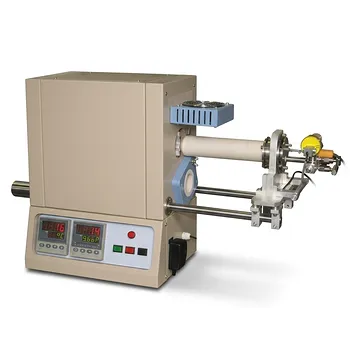
High Temperature Tube Furnace 1500C with Sliding Flanges and 50mm OD for Rapid Thermal Processing Fast Heating and Cooling
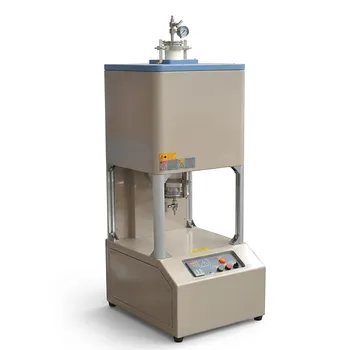
Vertical 1700C Vacuum and Atmosphere Tube Furnace with 80mm Alumina Tube
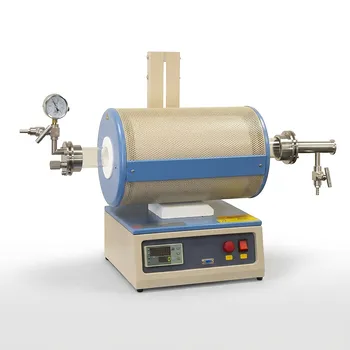
1100C Tube Furnace with Vacuum Flange and Programmable Temperature Controller for Material Science and Industrial Heat Treatment
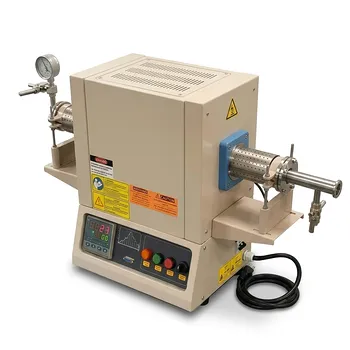
Compact High Temperature 1600C Tube Furnace with 50mm Alumina Tube and Vacuum Flanges for Material Sintering
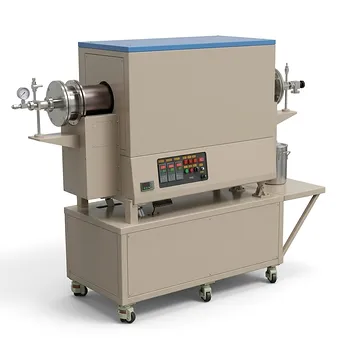
900°C Max Rotary Tube Furnace with 8 Inch 310S Alloy Tube and Optional Multi Zone Heating for Industrial Material Calcination
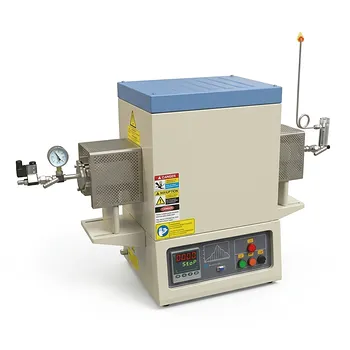
1700C Hydrogen Gas Tube Furnace with 60mm Alumina Process Tube and Integrated Hydrogen Safety Detector
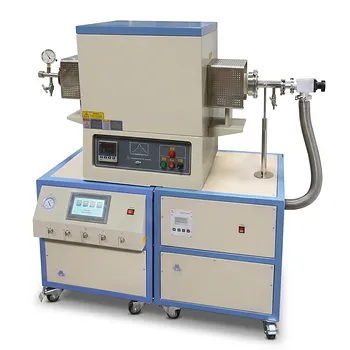
High Temperature 1700C Tube Furnace with High Vacuum Turbomolecular Pump System and Multi Channel Mass Flow Controller Gas Mixer
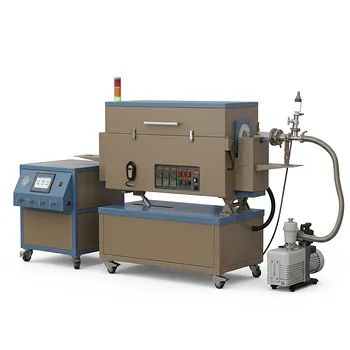
5 Inch Three Zone Rotary Tube Furnace with Integrated Gas Delivery System and 1200C Capability for Advanced Material CVD Processing
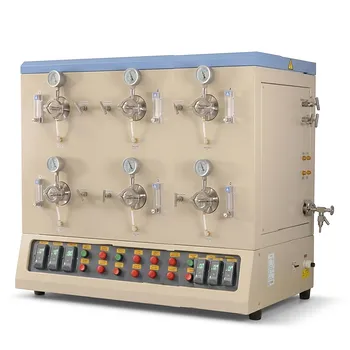
1200C High Throughput Multi Channel Tube Furnace with 50mm Quartz Tubes for Annealing and Material Phase Diagram Research
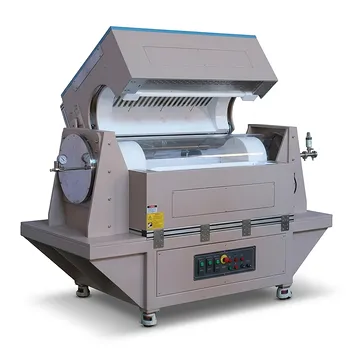
Three Zone Tube Furnace with 11 Inch or 15 Inch Quartz Tube and Hinged Flanges for Vacuum Atmosphere Heat Treatment
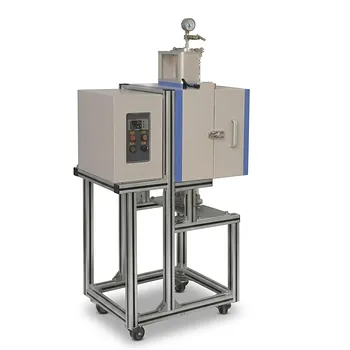
1200°C 5 Inch Vertical Quartz Tube Furnace with Stainless Steel Vacuum Flanges
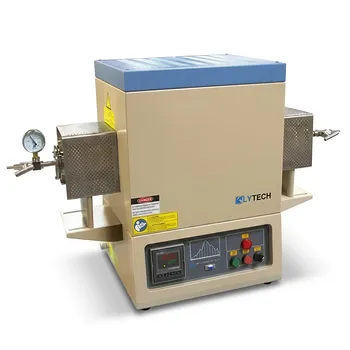
1800C High Temperature Compact Vacuum Tube Furnace with 60mm OD Alumina Tube and Kanthal MoSi2 Heating Elements
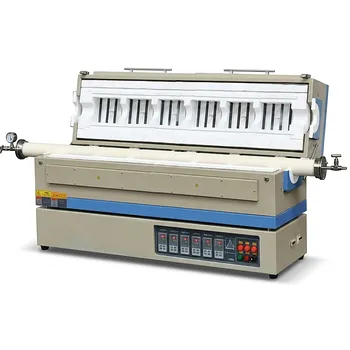
High Temperature 1700C Six Zone Split Tube Furnace with Alumina Tube and Water Cooled Flanges
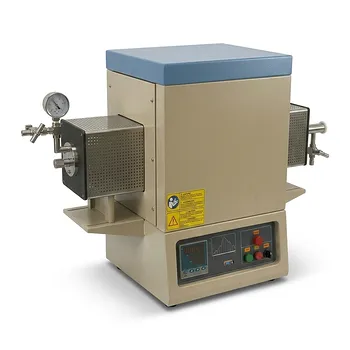
High Temperature 1700C Benchtop Tube Furnace with 5 Inch Heating Zone High Purity Alumina Tube and Vacuum Sealing Flanges
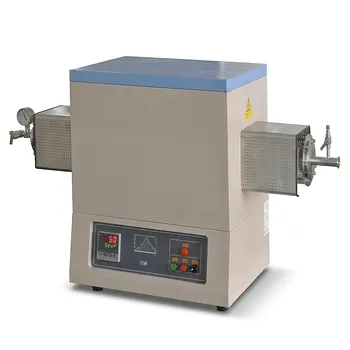
High Temperature 1700C Tube Furnace with 4 Inch OD Alumina Tube and Vacuum Sealing Flanges
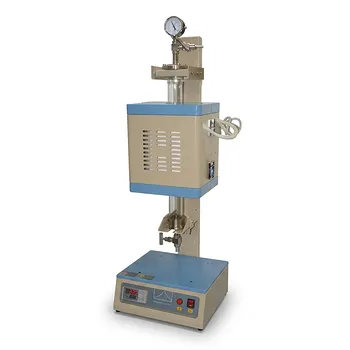
Compact Vertical Split Quartz Tube Furnace with Stainless Steel Vacuum Flanges for Rapid Thermal Quenching and Controlled Atmosphere Material Processing
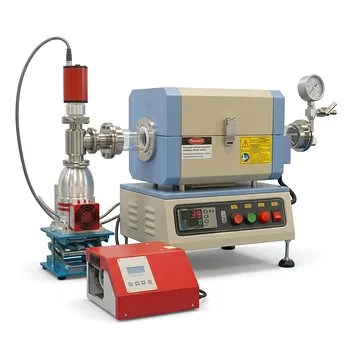
High Vacuum Compact Tube Furnace 1200C with Integrated Turbo Pump System and 8 Inch Heating Zone
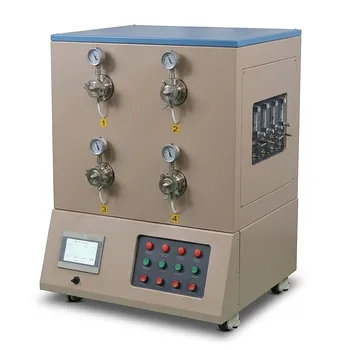
High Throughput 1200C Four Channel Tube Furnace with 3 Inch Quartz Tubes for Multi Zone Annealing and Material Research
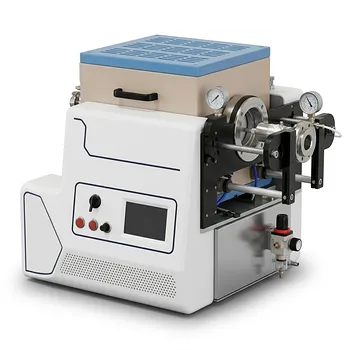
High Temperature Automated 5 Inch Tube Furnace for Autonomous Material Research and Advanced Laboratory R&D