Why must high-purity nitrogen be introduced into the tube furnace during the pyrolysis of iron-based activated carbon?
Updated 3 months ago
High-purity nitrogen is critical for creating a controlled, inert environment that prevents material loss and ensures specific chemical transformations during thermal treatment. In the pyrolysis of iron-based activated carbon, nitrogen displaces atmospheric oxygen to prevent the carbon precursor from burning or turning to ash. Simultaneously, it maintains a reducing atmosphere necessary to convert iron components into zero-valent iron, which provides the material with essential magnetic and catalytic properties.
The introduction of high-purity nitrogen acts as a dual-purpose shield, preventing the destructive oxidation of the carbon framework while facilitating the chemical reduction of iron precursors. This inert environment is the fundamental requirement for ensuring high carbon yield, developed porosity, and the desired functional performance of the final product.
Prevention of Oxidative Combustion and Yield Loss
Displacement of Atmospheric Oxygen
High-purity nitrogen is continuously purged through the tube furnace to effectively flush out air from the reaction chamber. By removing oxygen, the system ensures that the organic precursor undergoes pyrolysis (thermochemical decomposition) rather than combustion.
Protecting the Carbon Framework
At high temperatures, biomass and coal-based materials are highly susceptible to non-selective oxidation. Nitrogen prevents the raw materials from burning, ensuring the organic matter is successfully converted into a carbon-rich biochar structure rather than being lost as gaseous CO2 or residual ash.
Maximizing Carbon Yield
Maintaining an oxygen-free environment is the primary factor in determining the final yield of the activated carbon. Without this inert barrier, the structural reconstruction of the carbon framework would be compromised, leading to significant mass loss and poor material density.
Chemical Reduction and Functionalization of Iron
Facilitating Zero-Valent Iron Formation
For iron-based activated carbons, the nitrogen environment maintains the reducing atmosphere necessary for specific chemical shifts. This environment ensures that iron salts or oxides are successfully reduced to zero-valent iron (ZVI) during the high-temperature phase.
Enhancing Magnetic and Catalytic Properties
The presence of zero-valent iron is what imparts magnetic properties to the activated carbon, allowing for easy separation in liquid-phase applications. Furthermore, this specific metallic state is often required to achieve the desired catalytic performance in environmental remediation and chemical synthesis.
Structural Development and Impurity Management
Optimization of Pore Structure
The inert atmosphere allows the activator and the carbon substrate to react efficiently at preset temperatures without interference from oxygen. This controlled reaction is vital for the development of microporous and mesoporous structures, which define the adsorption capacity of the final material.
Removal of Volatile By-products
The continuous flow of nitrogen serves as a carrier gas to sweep away volatile impurities, carbon monoxide, and tars generated during the reaction. Removing these by-products prevents secondary deposition within the pores, ensuring the carbon surface remains clean and active.
Equipment and Material Protection
By flushing out corrosive gaseous by-products, the nitrogen flow helps protect the internal components of the tube furnace from damage. This process maintains a reaction equilibrium that is essential for producing consistent, high-quality batches of activated carbon.
Understanding the Trade-offs and Limitations
The Risk of Impure Nitrogen
Using nitrogen with lower purity (below 99.99%) can introduce trace amounts of oxygen or moisture into the system. Even small concentrations of oxygen can cause partial gasification of the carbon, which widens pores excessively and reduces the overall structural strength and surface area.
Flow Rate Sensitivities
If the nitrogen flow rate is too low, volatile by-products may linger in the furnace, leading to the "clogging" of the pore network through carbon deposition. Conversely, excessively high flow rates can lead to thermal gradients within the tube, potentially causing uneven carbonization or inefficient heating of the precursor.
Strategic Implementation for Material Synthesis
The success of your pyrolysis process depends on the strict maintenance of the inert environment from the start of the heating cycle until the material has cooled sufficiently.
- If your primary focus is maximizing adsorption capacity: Ensure a steady, high-purity nitrogen flow to facilitate the complete removal of volatile tars that would otherwise block the pore structure.
- If your primary focus is magnetic recovery: Prioritize a strictly reducing atmosphere to ensure the complete conversion of iron precursors into the zero-valent metallic state.
- If your primary focus is analytical precision: Use high-purity nitrogen to isolate pure thermochemical cracking mechanisms, preventing any oxygen-induced secondary reactions that could skew data.
A precisely controlled nitrogen environment is not merely a safety measure, but a fundamental chemical requirement for synthesizing functionalized carbon materials.
Summary Table:
| Function | Role in Pyrolysis | Impact on Final Product |
|---|---|---|
| Oxygen Displacement | Prevents oxidative combustion | Maximizes carbon yield and prevents ash formation |
| Inert Atmosphere | Maintains a reducing environment | Converts iron salts into magnetic zero-valent iron (ZVI) |
| Carrier Gas | Removes volatile tars and by-products | Prevents pore clogging and ensures high surface area |
| Structural Control | Manages heat transfer and reaction | Develops precise microporous and mesoporous networks |
Elevate Your Material Research with THERMUNITS
Are you looking to optimize your pyrolysis or carbonization processes? THERMUNITS is a leading manufacturer of high-temperature laboratory equipment specifically designed for material science and industrial R&D. We provide the precision and atmospheric control necessary for successful thermal processing.
Our comprehensive range of thermal solutions includes:
- Advanced Furnaces: Tube, Muffle, Vacuum, Atmosphere, Rotary, and Hot Press Furnaces.
- Specialized Systems: CVD/PECVD systems, Dental Furnaces, Electric Rotary Kilns, and Vacuum Induction Melting (VIM) Furnaces.
- Components: High-quality Thermal Elements and lab-scale heat treatment accessories.
Whether you are synthesizing magnetic activated carbon or developing next-generation catalysts, our equipment ensures the high carbon yield and structural integrity your research demands.
Ready to upgrade your laboratory capabilities? Contact us today to find the perfect thermal solution for your project!
References
- Nhi Thi Kieu Nguyen, Dung Van Nguyen. Valorization of Tropical Almond (<i>Terminalia catappa</i>) Leaves into Iron-Containing Activated Carbon for Rapid Catalytic Degradation of Methylene Blue with Hydrogen Peroxide. DOI: 10.12911/22998993/189672
Mentioned Products
- High Temperature Tube Furnace 1500C with Sliding Flanges and 50mm OD for Rapid Thermal Processing Fast Heating and Cooling
- Vertical 1700C Vacuum and Atmosphere Tube Furnace with 80mm Alumina Tube
- 1100C Tube Furnace with Vacuum Flange and Programmable Temperature Controller for Material Science and Industrial Heat Treatment
- Compact High Temperature 1600C Tube Furnace with 50mm Alumina Tube and Vacuum Flanges for Material Sintering
- 900°C Max Rotary Tube Furnace with 8 Inch 310S Alloy Tube and Optional Multi Zone Heating for Industrial Material Calcination
People Also Ask
- How are high-temperature tube furnaces utilized to repair etching damage? Precision Lattice Restoration Solutions
- What role does a high-temperature tube furnace play in CVD synthesis of silicon nanowires? Master VLS Growth Precision.
- What core conditions does a high-temperature tube furnace provide for rGO aerogels? Mastering Precision Synthesis.
- What role does a high-temperature tube furnace play in the sulfidation heat treatment of CoS@C/MXene nanocomposites? Guide
- How does precision tube furnace control influence CoFe nanoparticle formation? Master Your Bimetallic Synthesis.

Tech Team · ThermUnits
Last updated on Jun 03, 2026
Related Products
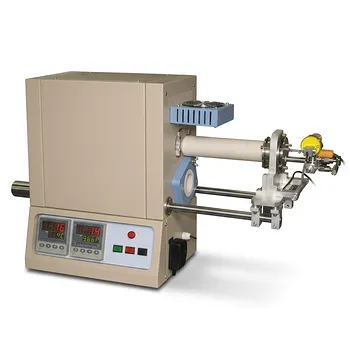
High Temperature Tube Furnace 1500C with Sliding Flanges and 50mm OD for Rapid Thermal Processing Fast Heating and Cooling

Vertical 1700C Vacuum and Atmosphere Tube Furnace with 80mm Alumina Tube

1100C Tube Furnace with Vacuum Flange and Programmable Temperature Controller for Material Science and Industrial Heat Treatment

Compact High Temperature 1600C Tube Furnace with 50mm Alumina Tube and Vacuum Flanges for Material Sintering
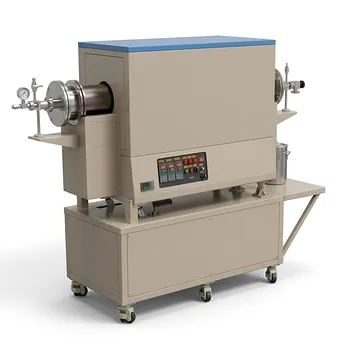
900°C Max Rotary Tube Furnace with 8 Inch 310S Alloy Tube and Optional Multi Zone Heating for Industrial Material Calcination

1700C Hydrogen Gas Tube Furnace with 60mm Alumina Process Tube and Integrated Hydrogen Safety Detector

High Temperature 1700C Tube Furnace with High Vacuum Turbomolecular Pump System and Multi Channel Mass Flow Controller Gas Mixer
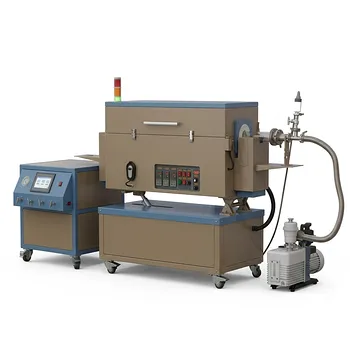
5 Inch Three Zone Rotary Tube Furnace with Integrated Gas Delivery System and 1200C Capability for Advanced Material CVD Processing

Three Zone Tube Furnace with 11 Inch or 15 Inch Quartz Tube and Hinged Flanges for Vacuum Atmosphere Heat Treatment

1200C High Throughput Multi Channel Tube Furnace with 50mm Quartz Tubes for Annealing and Material Phase Diagram Research

1200°C 5 Inch Vertical Quartz Tube Furnace with Stainless Steel Vacuum Flanges
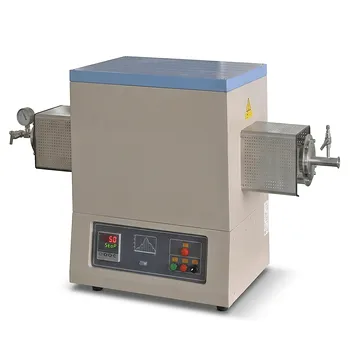
High Temperature 1700C Tube Furnace with 4 Inch OD Alumina Tube and Vacuum Sealing Flanges

High Temperature 1700C Benchtop Tube Furnace with 5 Inch Heating Zone High Purity Alumina Tube and Vacuum Sealing Flanges

Compact Vertical Split Quartz Tube Furnace with Stainless Steel Vacuum Flanges for Rapid Thermal Quenching and Controlled Atmosphere Material Processing

High Temperature 1700C Six Zone Split Tube Furnace with Alumina Tube and Water Cooled Flanges

1800C High Temperature Compact Vacuum Tube Furnace with 60mm OD Alumina Tube and Kanthal MoSi2 Heating Elements

High Vacuum Compact Tube Furnace 1200C with Integrated Turbo Pump System and 8 Inch Heating Zone
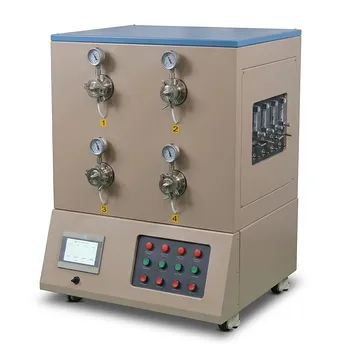
High Throughput 1200C Four Channel Tube Furnace with 3 Inch Quartz Tubes for Multi Zone Annealing and Material Research

High Temperature Automated 5 Inch Tube Furnace for Autonomous Material Research and Advanced Laboratory R&D
