The Alchemy of Cold Fire: Decoupling Energy from Temperature in Thin Film Deposition
May 12, 2026
The Tyranny of the Thermometer
In the history of material science, heat has always been the primary tool for transformation. To build something new at the molecular level, we usually have to break something old. Traditionally, this meant turning up the furnace.
In Chemical Vapor Deposition (CVD), temperature is the engine. You heat the environment until the gas molecules can no longer hold themselves together. They shatter, react, and settle into a film.
But heat is a blunt instrument. While it builds the film, it can destroy the foundation.
The Paradigm Shift: Kinetic over Thermal
The fundamental tension in materials research is the "thermal budget." Some substrates—polymers, delicate semiconductors, or medical implants—simply cannot survive the 800°C required by conventional thermal CVD.
Plasma-Enhanced Chemical Vapor Deposition (PECVD) solves this by decoupling energy from temperature.
Instead of using heat to vibrate molecules into submission, PECVD uses radio frequency (RF) or microwave energy to create a plasma field. High-energy electrons collide with gas molecules, creating reactive radicals and ions.
The gas is "energetic," but the room is "cool." This is the "Cold Fire" of modern engineering.
Why the Thermal Budget Matters
In engineering, as in finance, you only have so much to spend before the system breaks.
- Preserving Integrity: At 600°C, aluminum interconnects in a microchip melt. At 300°C (via PECVD), they remain perfectly intact.
- Expanding the Canvas: We can now deposit high-quality coatings on heat-sensitive plastics and bio-polymers that would turn to ash in a traditional furnace.
- Conformal Mastery: Because plasma energy is highly reactive, it coats complex, three-dimensional "valleys" in a substrate more evenly than thermal energy alone.
Comparing the Two Worlds
The choice between Thermal CVD and PECVD is rarely about which is "better," but which trade-offs your project can afford.
| Feature | Thermal CVD | PECVD |
|---|---|---|
| Primary Energy | Thermal (Heat) | Plasma (RF/Microwave) |
| Process Temperature | 600°C to 1000°C+ | Room Temp to 400°C |
| Film Purity | High (Thermal energy drives off impurities) | Moderate (Residual hydrogen/precursors) |
| Substrate Compatibility | Ceramics, Quartz, Refractory Metals | Polymers, Low-melt Metals, Sensitive Electronics |
| Equipment Complexity | Lower | Higher (Requires vacuum + RF systems) |
The Engineer’s Dilemma: Purity vs. Protection
Thermal CVD remains the gold standard for high-purity films. The intense heat acts as a natural purifier, ensuring that volatile byproducts are driven away. If your substrate is quartz or ceramic, the heat is your friend.
However, PECVD is the gateway to the future. It is the reason we have flexible electronics, biocompatible stents, and high-efficiency solar cells. It allows us to work with materials that are "human-scale"—soft, sensitive, and complex.
The complexity of a PECVD system, with its vacuum requirements and plasma generators, is a small price to pay for the ability to coat a polymer without melting it.
Precision in Thermal Processing
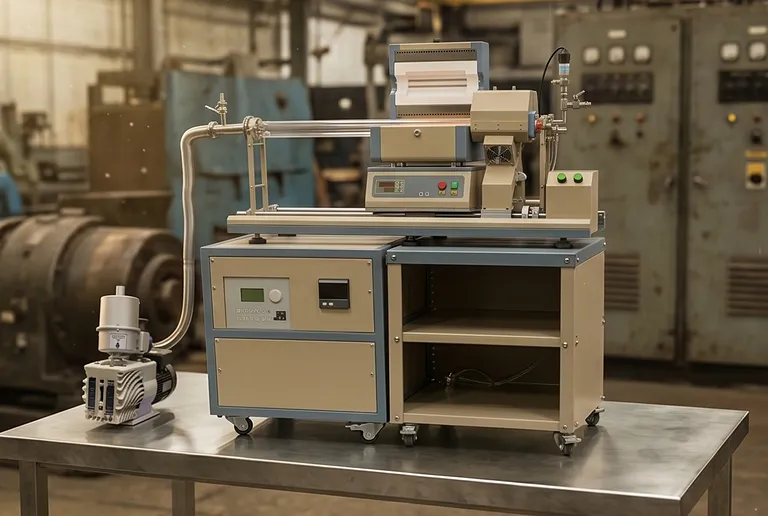
At THERMUNITS, we understand that thin-film deposition is a balance of forces. Whether you need the raw, purifying power of a high-temperature Tube Furnace or the delicate, low-temperature precision of a PECVD system, the goal is the same: absolute control over the material.
We provide the tools that allow researchers to push the boundaries of what is possible, from Vacuum Induction Melting to advanced Chemical Vapor Deposition.
Innovation happens when you have the right energy source for the right material. To find the ideal thermal processing solution for your R&D goals, Contact Our Experts.
Quick Links
Suggested Products
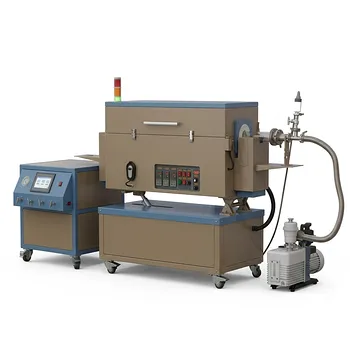
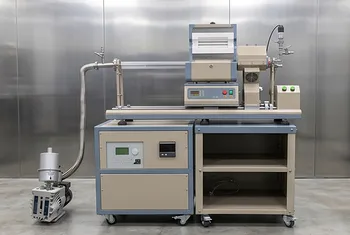
Inclined Rotary Plasma Enhanced Chemical Vapor Deposition PECVD System for Thin Film Deposition and Nanomaterial Synthesis Radio Frequency Plasma Enhanced Chemical Vapor Deposition RF PECVD System for Laboratory and Industrial Thin Film Growth Chemical Vapor Deposition CVD System Slide PECVD Tube Furnace with Liquid Gasifier PECVD Machine 1200C Max Compact Auto-Sliding PECVD Furnace with 2 Inch Tube and Vacuum Pump 1200C Dual Sliding Tube Furnace with Dual Tubes and Flanges for PECVD ProcessesFurther Reading
The Low-Temperature Alchemy: Navigating the Thermal Budget with PECVD The Architecture of Ions: Decoding the Geometry of Plasma Coupling The Architecture of Clouds: Mastering the RF Equilibrium in PECVD The Geometry of Silence: Why Depth Demands a Chemical Solution The Choreography of Carbon: Why CVD Precision Defines the Next Era of Material Science
ThermUnits
Last updated on Apr 15, 2026
Related Products
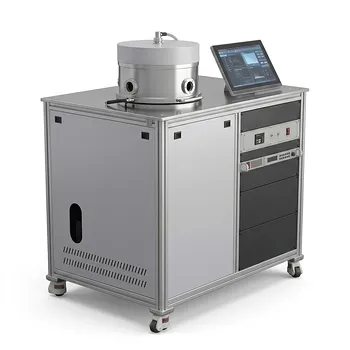
Inclined Rotary Plasma Enhanced Chemical Vapor Deposition PECVD System for Thin Film Deposition and Nanomaterial Synthesis
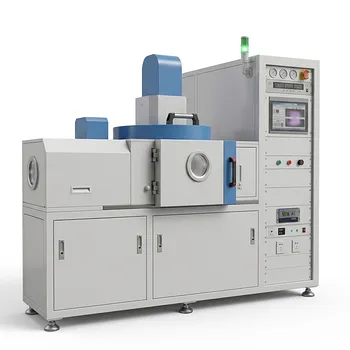
Radio Frequency Plasma Enhanced Chemical Vapor Deposition RF PECVD System for Laboratory and Industrial Thin Film Growth
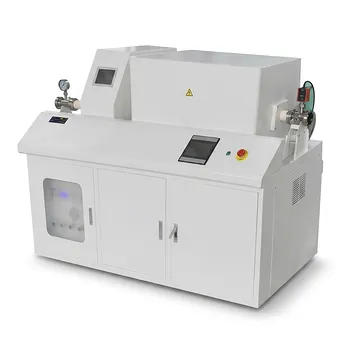
Chemical Vapor Deposition CVD System Slide PECVD Tube Furnace with Liquid Gasifier PECVD Machine
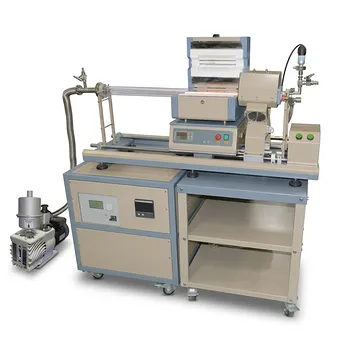
1200C Max Compact Auto-Sliding PECVD Furnace with 2 Inch Tube and Vacuum Pump
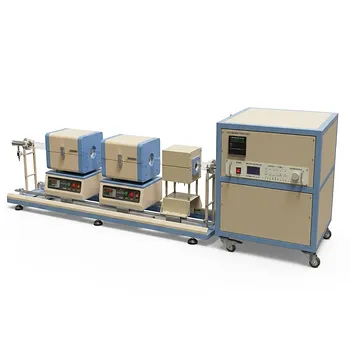
1200C Dual Sliding Tube Furnace with Dual Tubes and Flanges for PECVD Processes
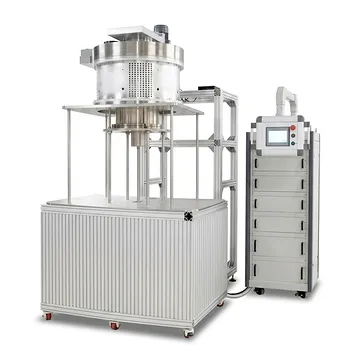
915MHz MPCVD Diamond Machine Microwave Plasma Chemical Vapor Deposition System Reactor
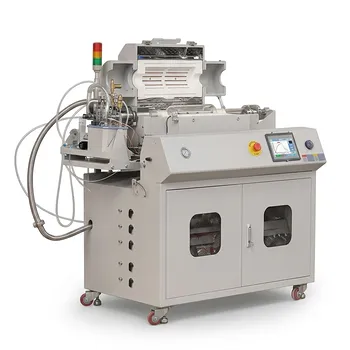
Versatile Chemical Vapor Deposition Tube Furnace System for Advanced Material Research and Industrial Coating Processes
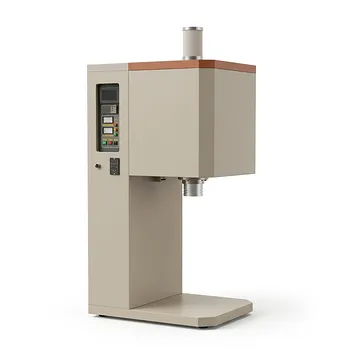
Vertical Openable Tube Furnace 0-1700c High Temperature Laboratory System for CVD and Vacuum Heat Treatment
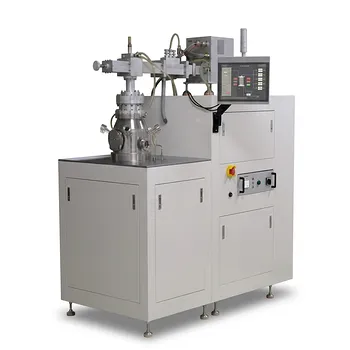
Cylindrical Resonator MPCVD Machine System for Microwave Plasma Chemical Vapor Deposition and Lab Diamond Growth
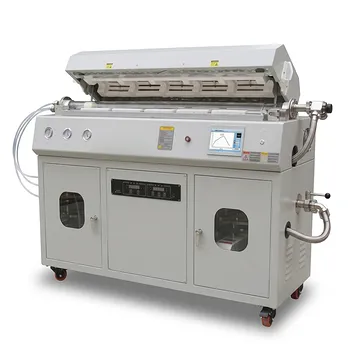
Multi Heating Zones CVD Tube Furnace System for Precision Chemical Vapor Deposition and Advanced Material Synthesis
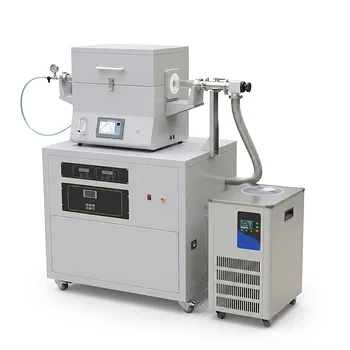
Split Chamber CVD Tube Furnace with Vacuum Station Chemical Vapor Deposition System Machine
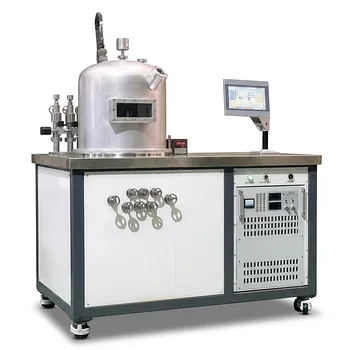
HFCVD Machine System for Nano Diamond Coating on Drawing Dies and Industrial Tools
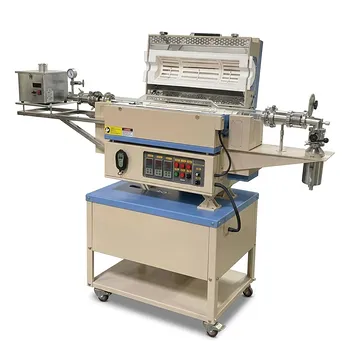
5 Inch Rotary Tube Furnace with Automatic Feeding and Receiving System 1200C Three Zone CVD Powder Processing

High Temperature 1700C Tube Furnace with High Vacuum Turbomolecular Pump System and Multi Channel Mass Flow Controller Gas Mixer
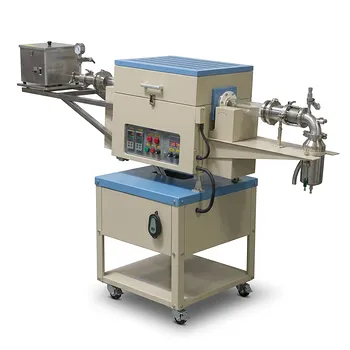
Two Zone Rotary CVD Furnace with Automatic Feeding and Receiving System for Powder Processing
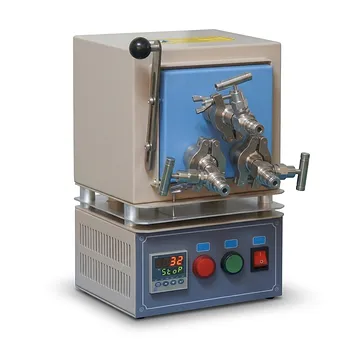
Triple Tube Compact Hybrid Muffle Furnace 1000C High Vacuum Thermal Processing System
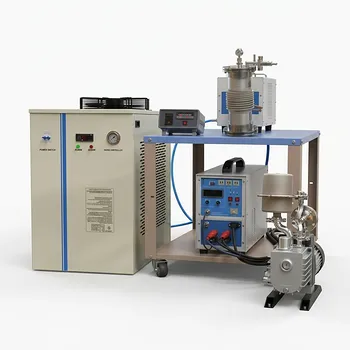
Induction Heating System with Temperature Control for High Temperature Vacuum Sintering and Melting
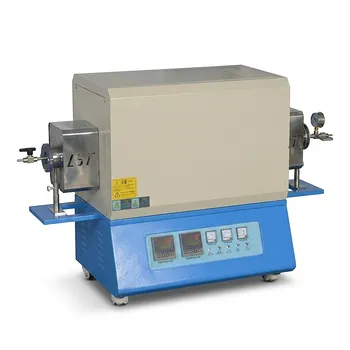
High Temperature Dual Zone Vacuum Tube Furnace for Material Research and CVD Processing
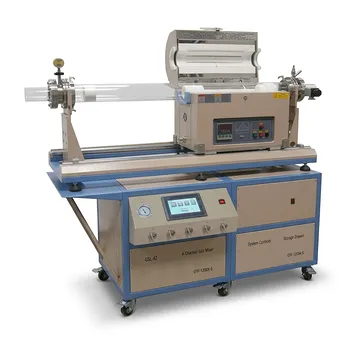
Dual Tube 100mm 80mm CVD Sliding Furnace with 4 Channel Gas Mixing and Vacuum System