The Architecture of Reduction: Precision Baselines in Ni-8YSZ Anode Material Synthesis
May 24, 2026
The Invisible Transition
In the field of Solid Oxide Fuel Cells (SOFC), the difference between a breakthrough and a failure often lies in what happens before the test begins.
Material R&D is an exercise in managing variables. For Ni-8YSZ anodes, the most critical variable is the transition from a passive ceramic-oxide precursor into a functioning, conductive electrode. This is not merely a change in temperature; it is a fundamental restructuring of matter.
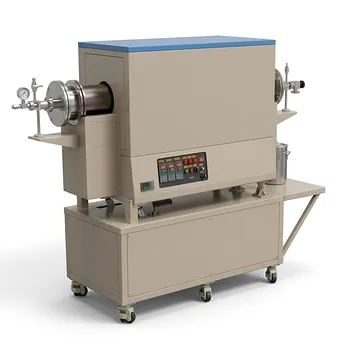
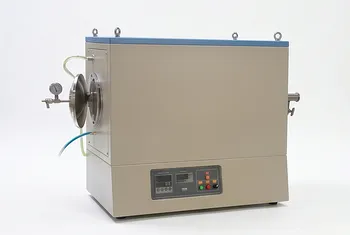
The high-throughput tube furnace is the vessel where this transformation—the chemical reduction of Nickel Oxide (NiO) to metallic Nickel (Ni)—takes place.
The Chemistry of Porosity
To the untrained eye, a tube furnace simply provides heat. To the material scientist, it provides a controlled vacuum for chemical "stripping."
By introducing a precise 9% H2/91% N2 atmosphere, the furnace orchestrates a selective removal of oxygen atoms from the NiO lattice. As oxygen departs, the material undergoes a volume contraction.
This contraction is the architect of the Triple Phase Boundary (TPB)—the exact junction where gas, catalyst, and electrolyte meet. If the furnace fails to maintain an oxygen-lean environment, the TPB never fully forms, and the cell is "dead" before it ever sees a load.
Thermal Uniformity: The Quest for the Baseline
In science, we seek the "Ground Truth." For Ni-8YSZ research, the ground truth is a standardized microstructure.
Why 800 °C is the Magic Number
- Kinetics: It provides enough energy for complete reduction without causing excessive nickel grain growth (coarsening).
- Stability: It mimics the lower end of SOFC operating temperatures, ensuring the material is stress-tested in realistic conditions.
- Repeatability: At this temperature, the reduction rate is predictable, allowing for a consistent "standard" sample across batches.
Without thermal uniformity across the entire length of the ceramic tube, your "standard" samples aren't standard at all. A 10-degree gradient can create localized variations in porosity, rendering failure analysis data useless.
The Logic of High-Throughput
Research is a numbers game. To understand re-oxidation failure or degradation kinetics, a single sample is an anecdote; ten identical samples constitute evidence.
High-throughput tube furnaces solve the "batch variation" problem. By treating multiple samples in the same atmospheric and thermal cycle, researchers isolate the experimental variable. Every sample shares the same history, the same hydrogen exposure, and the same thermal ramp.
Balancing Efficiency and Safety
The use of hydrogen, even at a 9% dilution, introduces a layer of operational complexity. Engineering a system that can handle reducing atmospheres at 800 °C requires a marriage of safety and precision.
| Feature | Impact on Ni-8YSZ Pretreatment |
|---|---|
| Nitrogen-Balanced H2 | Stabilizes the reduction rate while preventing explosive risks. |
| Constant Temp Zone | Ensures that longitudinal gradients do not skew microstructural results. |
| Gas Flow Control | Flushes out water vapor (a byproduct), preventing nickel coarsening. |
| Multi-Sample Capacity | Establishes a statistically significant baseline for failure studies. |
Strategic Objectives in Pretreatment
Choosing how to run your furnace depends entirely on what you intend to prove.
- For Microstructural Stability: Use slow ramp rates and extended dwell times to allow the Ni-YSZ interface to reach equilibrium.
- For Catalytic R&D: Maximize gas flow to ensure all reduction byproducts are removed, keeping the nickel sites "clean."
- For Failure Analysis: Strictly adhere to the 9% H2 ratio to ensure your baseline matches global literature standards for SOFC degradation.
Engineering the Future of Energy
Precision in the lab leads to reliability in the field. At THERMUNITS, we design our high-throughput tube furnaces with the soul of an engineer and the precision of a scientist.
We understand that for your Ni-8YSZ research to succeed, the furnace must be more than a heater—it must be a stabilized environment where chemistry and physics align perfectly. From CVD systems to vacuum induction melting, our range of thermal solutions is built to define the new "standard" in material science.
Ready to achieve the perfect microstructural baseline? Contact Our Experts
Quick Links
Suggested Products
High Throughput 1200C Four Channel Tube Furnace with 3 Inch Quartz Tubes for Multi Zone Annealing and Material Research 1200C High Throughput Multi Channel Tube Furnace with 50mm Quartz Tubes for Annealing and Material Phase Diagram Research Automated 1200 C Tube Furnace for AI Material Research with 6 Inch OD and Sliding Flange 1200C Max 6 Channel High Cleanliness Hydrogen Furnace for High Throughput Annealing High Temperature 1700C Vertical Tube Furnace for Powder Spherification and Material SinteringFurther Reading
Atomic Choreography: The Tube Furnace and the Architecture of 2D Materials The Architecture of Isolation: Why Atmosphere Defines Material Destiny The Invisible Architect: Precision Thermal Oxidation in NiO@Ni Synthesis The Architecture of Purity: Why Quartz Defines the Limits of MoS2 Synthesis The Geography of Atoms: Engineering the Thermal Gradient in CVD Synthesis
ThermUnits
Last updated on Apr 14, 2026
Related Products
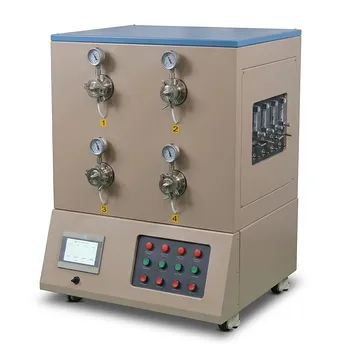
High Throughput 1200C Four Channel Tube Furnace with 3 Inch Quartz Tubes for Multi Zone Annealing and Material Research
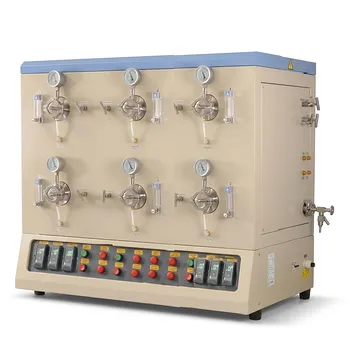
1200C High Throughput Multi Channel Tube Furnace with 50mm Quartz Tubes for Annealing and Material Phase Diagram Research
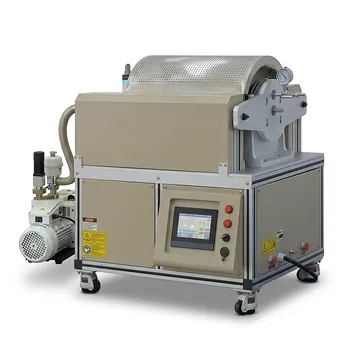
Automated 1200 C Tube Furnace for AI Material Research with 6 Inch OD and Sliding Flange
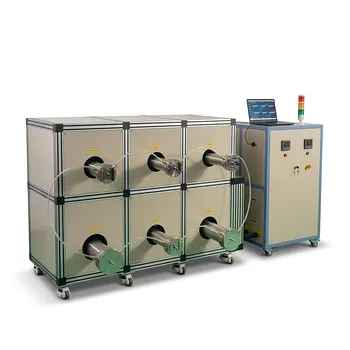
1200C Max 6 Channel High Cleanliness Hydrogen Furnace for High Throughput Annealing

High Temperature 1700C Vertical Tube Furnace for Powder Spherification and Material Sintering
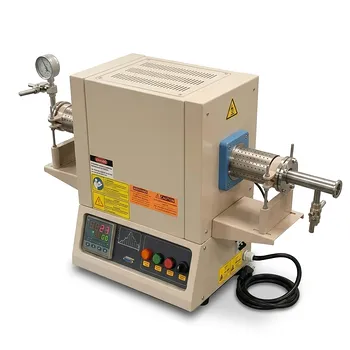
Compact High Temperature 1600C Tube Furnace with 50mm Alumina Tube and Vacuum Flanges for Material Sintering
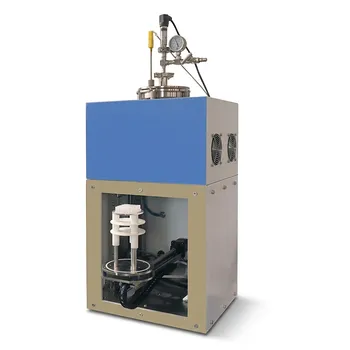
Rapid Thermal Processing RTP Atmosphere Controlled Bottom Loading Furnace 1100C High Throughput 50C per Second Heating Rate
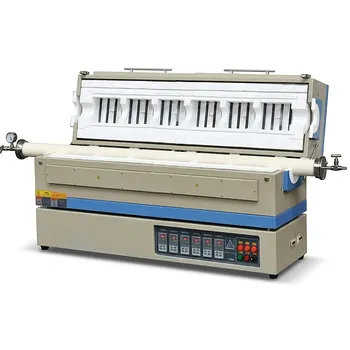
High Temperature 1700C Six Zone Split Tube Furnace with Alumina Tube and Water Cooled Flanges

High Temperature Automated 5 Inch Tube Furnace for Autonomous Material Research and Advanced Laboratory R&D
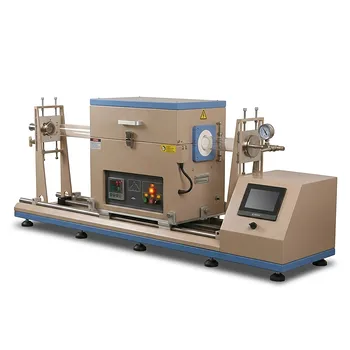
1200C Sliding Tube Furnace for Rapid Thermal Processing and CVD Graphene Growth with 100mm OD Capacity
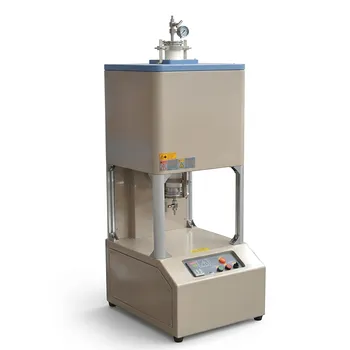
Vertical 1700C Vacuum and Atmosphere Tube Furnace with 80mm Alumina Tube
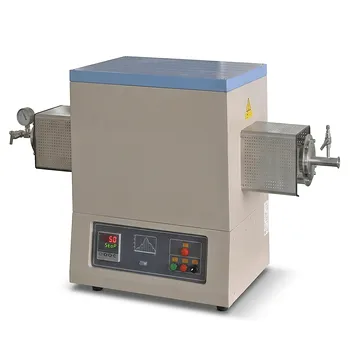
High Temperature 1700C Tube Furnace with 4 Inch OD Alumina Tube and Vacuum Sealing Flanges
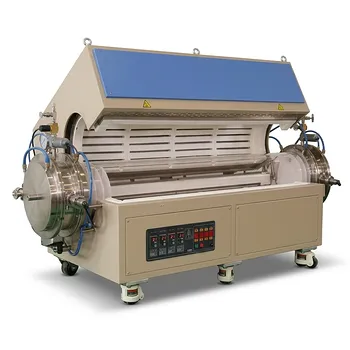
1200C Max Four Zone Split Tube Furnace with Optional Large Diameter Quartz Tubes
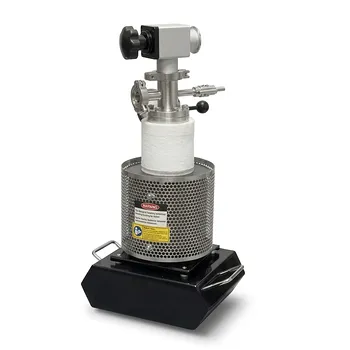
High Temperature 1100C Compact Top Loading Vertical Vacuum Tube Furnace for High Vacuum Noble Metal Melting and Material Research

1800C High Temperature Compact Vacuum Tube Furnace with 60mm OD Alumina Tube and Kanthal MoSi2 Heating Elements
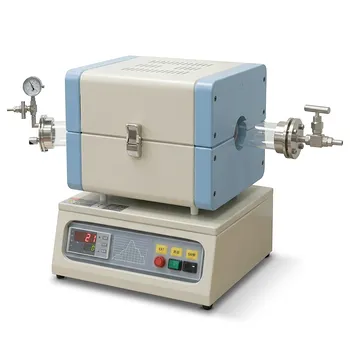
1200C Tube Furnace with Internal Magnetic Sample Sliding for Direct Vaporizing Deposition and Rapid Thermal Processing
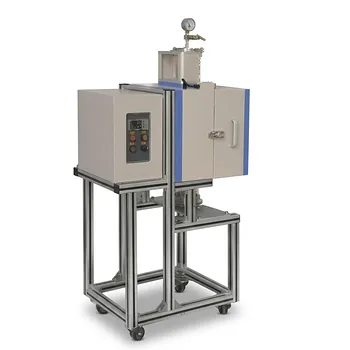
1200°C 5 Inch Vertical Quartz Tube Furnace with Stainless Steel Vacuum Flanges
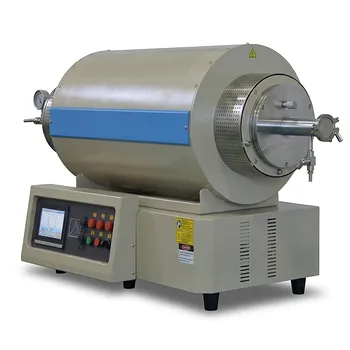
1200C Max Three Zone Tube Furnace 6 Inch OD Max with Tube and Flange
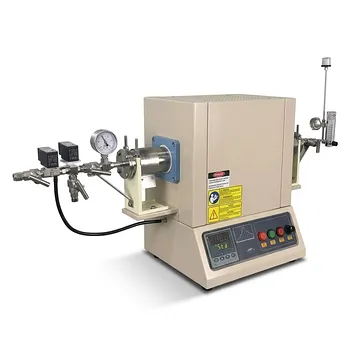
1500C Compact Hydrogen Gas Tube Furnace with 2 Inch Alumina Tube and Hydrogen Detector