How do a Thermocouple and a compensation recorder work together to ensure the quality of synthesized biochar?
Updated 3 months ago
In biochar synthesis, a thermocouple and a compensation recorder function as an integrated feedback loop to maintain strict thermal parameters. The thermocouple monitors the actual reactor temperature in real-time, while the compensation recorder manages the heating curve and documents the process to ensure the final product meets specific chemical standards.
The synergy between these two components allows for precise control over heating rates and peak temperatures, which directly determines the retention of organic structures and the resulting ash content of the biochar.
The Mechanics of Real-Time Temperature Monitoring
The Thermocouple as the Primary Sensor
The thermocouple serves as the "eyes" of the reactor, providing a constant stream of data regarding the internal thermal environment. It translates heat into an electrical signal that reflects the actual temperature inside the synthesis chamber at any given moment.
Real-Time Data Acquisition
Without this immediate feedback, operators cannot account for the exothermic or endothermic reactions occurring during biomass decomposition. The thermocouple ensures that the system reacts to internal fluctuations rather than just relying on external heater settings.
The Role of the Compensation Recorder in Process Automation
Setting and Regulating the Thermal Curve
The compensation recorder acts as the "brain" of the operation, using the data from the thermocouple to adjust the energy input. It is responsible for executing the thermal processing curve, ensuring the reactor follows a specific sequence of temperature increases and dwell times.
Documentation and Traceability
Beyond control, the recorder creates a permanent log of the entire synthesis cycle. This documented history is essential for quality assurance, allowing producers to verify that every batch of biochar was exposed to the correct thermal conditions.
Why Precise Thermal Control Dictates Biochar Quality
Retention of Lignin and Cellulose
The ratio of lignin to cellulose in the final product is highly sensitive to the heating rate and peak temperature. Precise control ensures that these structural components are preserved or degraded in the specific proportions required for the biochar's intended application.
Managing Ash Content
Excessive heat or improper temperature dwell times can lead to a higher ash content, which often diminishes the value of the biochar. By regulating the peak temperature, the integrated system prevents over-combustion and maintains the desired chemical composition.
Common Pitfalls in Thermal Synthesis
Sensor Placement and Calibration
If the thermocouple is placed incorrectly, it may record a "cold spot" or "hot spot" that does not represent the bulk temperature of the biomass. This lead to a false data stream, causing the compensation recorder to mismanage the entire batch.
System Lag and Overheating
There is often a delay between a heating adjustment and the actual temperature change. If the compensation recorder is not properly tuned, it may overshoot the target temperature, potentially ruining the chemical integrity of the biochar.
How to Apply This to Your Project
Maximizing Yield and Consistency
To achieve a high-quality, standardized biochar product, you must align your hardware capabilities with your chemical goals.
- If your primary focus is Soil Amendment: Ensure the recorder is programmed for a slow heating rate to maximize the retention of porous organic structures.
- If your primary focus is Industrial Carbon Sequestration: Prioritize high peak temperatures and documentation accuracy to ensure maximum carbon stability and verify the process for credits.
The precise integration of sensing and recording hardware is the single most important factor in transforming raw biomass into a high-value, chemically consistent biochar.
Summary Table:
| Component | Primary Function | Impact on Biochar Quality |
|---|---|---|
| Thermocouple | Real-time temperature sensing | Prevents overheating and monitors internal thermal reactions. |
| Compensation Recorder | Thermal curve regulation & logging | Ensures process repeatability and structural integrity of the carbon. |
| Integrated System | Closed-loop feedback control | Optimizes the lignin-to-cellulose ratio and minimizes ash content. |
| Data Documentation | Permanent synthesis history | Provides essential traceability for quality assurance and certification. |
Elevate Your Material Research with THERMUNITS Precision
Achieving consistent biochar quality requires the highest standards of thermal control. THERMUNITS is a leading manufacturer of high-temperature laboratory equipment tailored for material science and industrial R&D. We empower researchers and producers with a comprehensive range of thermal processing solutions, including Muffle, Vacuum, Atmosphere, Tube, Rotary, and Hot Press furnaces, CVD/PECVD systems, and Electric Rotary Kilns.
Our advanced equipment ensures that your synthesis curves are followed with absolute precision, maximizing yield and product stability. Contact us today to discover how our expert heat treatment solutions can streamline your laboratory workflow and enhance your carbon sequestration or soil amendment projects.
References
- Taisiia Sokolova, Valeriia Sokolova. Preparation and Study of Acid-Base and Ion-Exchange Properties of Biochar from Waste Coffee Grounds. DOI: 10.12912/27197050/193052
Mentioned Products
- High Temperature Benchtop Muffle Furnace with Quartz Observation Window for Thermal Imaging and Material Analysis
- 5 Inch Three Zone Rotary Tube Furnace with Integrated Gas Delivery System and 1200C Capability for Advanced Material CVD Processing
- Induction Heating System with Temperature Control for High Temperature Vacuum Sintering and Melting
- Elongated Two Temperature Zone Pipe Furnace for Industrial Heat Treatment and Material Science Research
- 1100C High Pressure Rocking Tube Furnace with 2 Inch Super Alloy Processing Tube for Material Synthesis
People Also Ask
- What is the function of a muffle furnace in aluminoborosilicate glass prep? Stabilize Raw Materials for Superior Purity
- What is the function of a high-temperature muffle furnace in phosphorus-modified zeolite catalyst preparation?
- What is the function of a high-temp muffle furnace in Ni-V oxide synthesis? Optimize your material's performance.
- What role does a high-temperature muffle furnace play in evaluating the mineral composition of rock samples? LOI & XRF Guide
- What is the purpose of using muffle or tube furnaces in glass synthesis? Achieve Precise Melt-Quenching & Homogeneity

Tech Team · ThermUnits
Last updated on Jun 02, 2026
Related Products
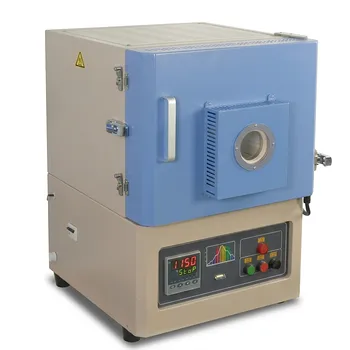
High Temperature Benchtop Muffle Furnace with Quartz Observation Window for Thermal Imaging and Material Analysis
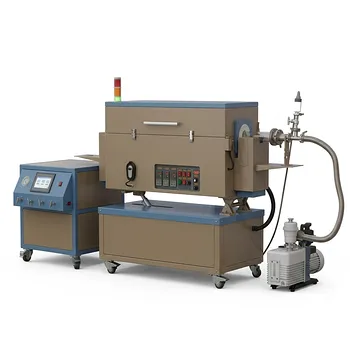
5 Inch Three Zone Rotary Tube Furnace with Integrated Gas Delivery System and 1200C Capability for Advanced Material CVD Processing
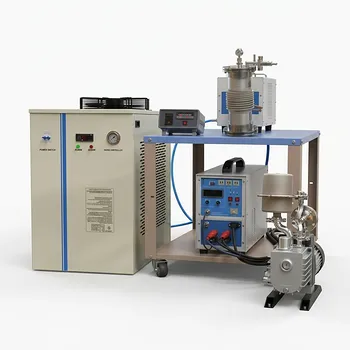
Induction Heating System with Temperature Control for High Temperature Vacuum Sintering and Melting
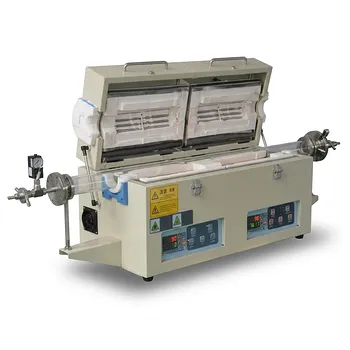
Elongated Two Temperature Zone Pipe Furnace for Industrial Heat Treatment and Material Science Research
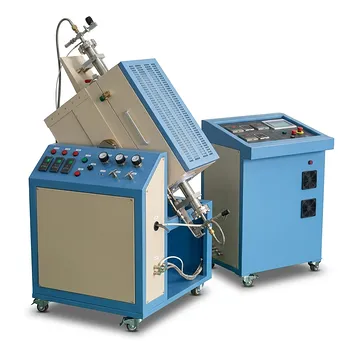
1100C High Pressure Rocking Tube Furnace with 2 Inch Super Alloy Processing Tube for Material Synthesis
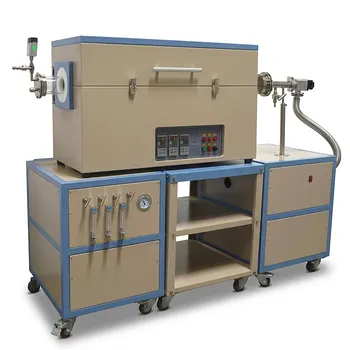
Three Zone Quartz Tube Furnace with 3 Channel Gas Mixer Vacuum Pump and Anti Corrosive Vacuum Gauge
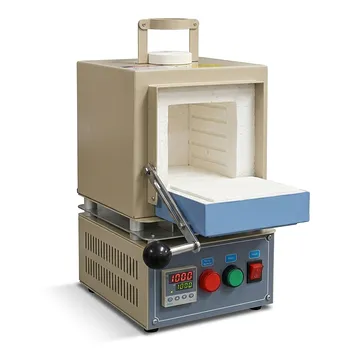
Compact 1000C Muffle Furnace with Programmable Controller and 2 Inch Top Port for Vacuum and Atmosphere Material Research
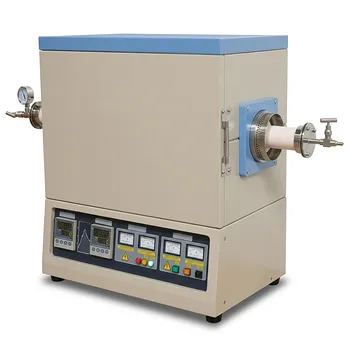
High Temperature 1700C Dual Zone Tube Furnace for Material Science and Industrial Chemical Vapor Deposition Research
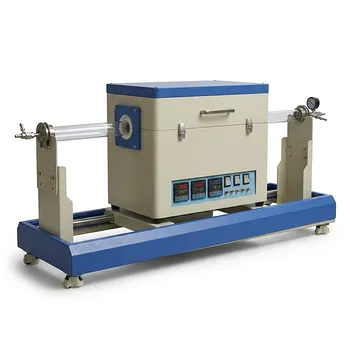
Double Temperature Zone Double Cover Tube Furnace for High Temperature CVD and Vacuum Annealing
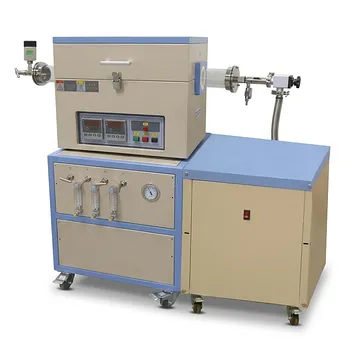
Dual Zone Quartz Tube Furnace with 80mm Diameter 1200C Max Temperature 3 Channel Gas Mixer and Vacuum Pump System
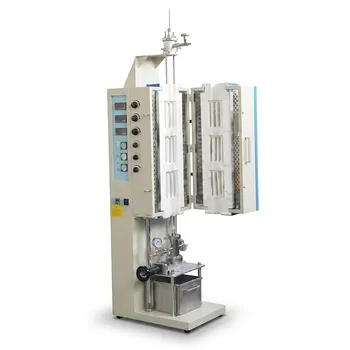
High Temperature Dual Zone Tube Furnace for Material Science Research and Professional Thermal Processing
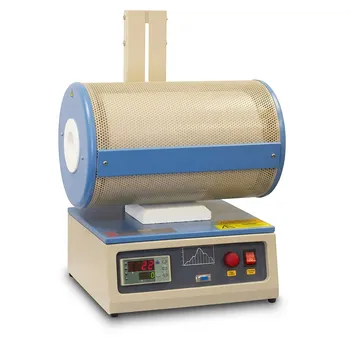
Multi Position Tube Furnace 1100C for Laboratory Material Research and Advanced Industrial Thermal Processing
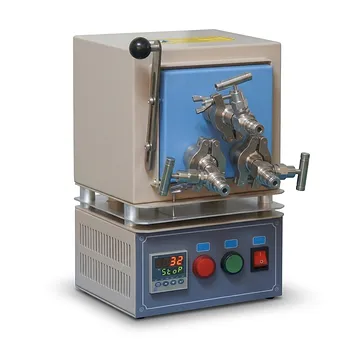
Triple Tube Compact Hybrid Muffle Furnace 1000C High Vacuum Thermal Processing System
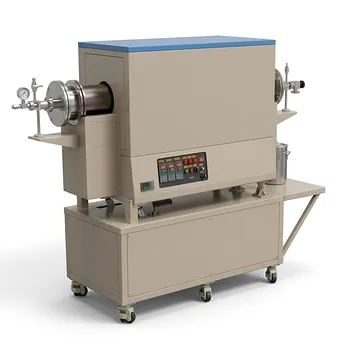
900°C Max Rotary Tube Furnace with 8 Inch 310S Alloy Tube and Optional Multi Zone Heating for Industrial Material Calcination
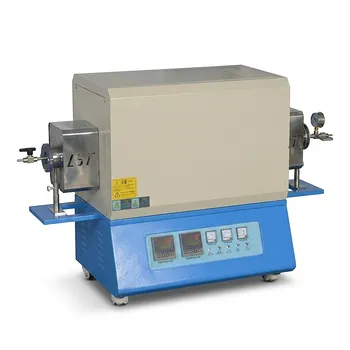
High Temperature Dual Zone Vacuum Tube Furnace for Material Research and CVD Processing
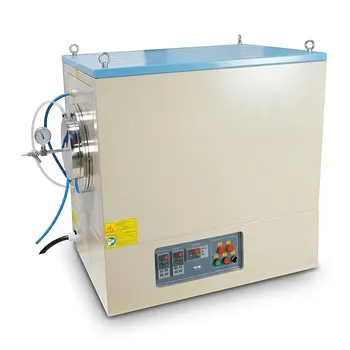
Dual Zone Tube Furnace 1100C with 11 Inch Quartz Tube and Vacuum Flanges for 8 Inch Wafer Processing
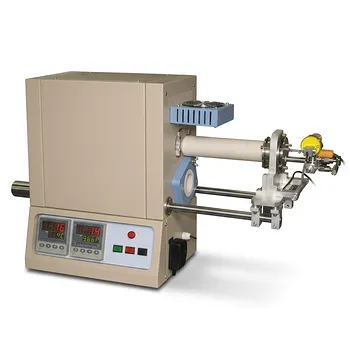
High Temperature Tube Furnace 1500C with Sliding Flanges and 50mm OD for Rapid Thermal Processing Fast Heating and Cooling
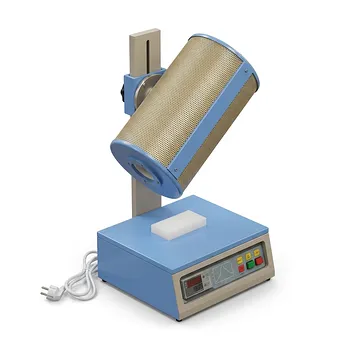
1100°C Vertical Laboratory Furnace for DIY Tubular Reactors with PID Temperature Controller
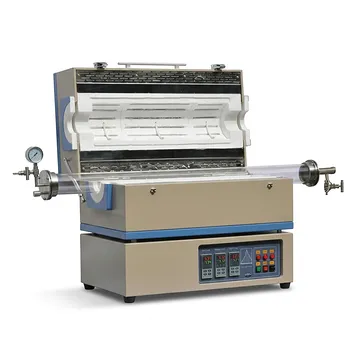
24 Inch Three Zone Split Tube Furnace with Optional Quartz Tube and Vacuum Flange System for High Temperature Material Synthesis