How does a high-purity quartz tube function as a reaction vessel during flash heating? Expert Guide to Lab Purity
Updated 3 months ago
High-purity quartz tubes serve as specialized containment environments that provide a unique combination of thermal resilience, chemical neutrality, and optical transparency. In flash heating reactions, they function as a robust physical barrier that maintains the structural integrity of the reaction zone while simultaneously allowing for real-time monitoring of extreme temperature spikes.
Core Takeaway: A high-purity quartz tube acts as an inert, transparent, and shock-resistant vessel that protects the sample from contamination and maintains physical stability under the intense thermal and electromagnetic stress of flash heating.
Engineered Resilience Under Extreme Thermal Stress
Exceptional Thermal Shock Resistance
Flash heating involves instantaneous temperature spikes that would cause standard glass to shatter. High-purity quartz possesses an extremely low coefficient of thermal expansion, allowing it to withstand rapid fluctuations and temperatures exceeding 1273 K without fracturing.
Structural Stability in Electromagnetic Fields
During reactions involving carbon electrodes or electromagnetic induction, the quartz tube maintains its shape and structural stability. This ensures that the physical assembly of samples and electrodes remains intact, preventing the collapse of the reaction zone during high-energy bursts.
High-Temperature Endurance
While standard materials soften, high-purity quartz remains stable even as internal combustion temperatures reach as high as 1640°C. This high-temperature resistance is critical for self-propagating synthesis and other "flash" processes that rely on concentrated heat.
Preservation of Chemical and Product Purity
Absolute Chemical Inertness
The primary role of the quartz tube is to ensure that the vessel itself does not become a reactant. At high temperatures, the quartz remains chemically inert, preventing the introduction of impurities into organic precursors, catalysts, or metal substrates.
Prevention of External Contamination
By acting as a sealed or controlled-flow environment, the tube isolates the reaction from the external atmosphere. This is essential for the synthesis of low-defect graphene or carbon nanomaterials, where even trace contaminants could ruin the final product.
Optimized Internal Surface Dynamics
The smooth inner walls of high-purity quartz facilitate the uniform delivery of precursor gas flows. This prevents localized turbulence and ensures that the final pyrolysis products can be collected efficiently without adhering to or reacting with the container walls.
Real-Time Monitoring and Environmental Control
Optical Transparency for Data Collection
Quartz is selected for its light transmission properties, which allow researchers to use external infrared thermometers and high-speed cameras. This enables the real-time recording of combustion wave propagation and precise monitoring of the temperature gradient profile.
Precision Geometry for Concentration Gradients
The specific diameter of the quartz tube (e.g., a 1-inch tube) is often used to control the local concentration gradient of precursor vapors. This geometry promotes the anisotropic growth of ultra-thin materials by confining the reaction space.
Understanding the Trade-offs and Limitations
Mechanical Fragility and Handling
Despite its thermal toughness, quartz remains a brittle material that is highly susceptible to mechanical impact. Even a microscopic scratch or skin oil (fingerprints) can lead to premature failure or "devitrification" when the tube is heated to extreme temperatures.
Operational Temperature Ceilings
While quartz is superior to most glass, it has a defined upper limit before it begins to soften or lose its shape. Users must be aware that reaching temperatures near 1600°C–1700°C for extended periods can cause the tube to sag or deform under its own weight if not properly supported.
How to Apply This to Your Project
When selecting a quartz tube for flash heating, your choice should be dictated by the specific requirements of your synthesis environment and monitoring needs.
- If your primary focus is real-time data acquisition: Prioritize tubes with high optical clarity and polished surfaces to ensure accurate infrared temperature readings and clear video recording.
- If your primary focus is preventing sample contamination: Select the highest purity (99.99%+) quartz to ensure no trace metals or oxides leach into your catalysts or precursors at temperatures above 1000°C.
- If your primary focus is rapid thermal cycling: Ensure the tube has a thin, uniform wall thickness to maximize thermal shock resistance and minimize the risk of stress-induced fractures.
By leveraging the unique properties of high-purity quartz, you can create a controlled, ultra-pure environment capable of surviving the most intense chemical reactions.
Summary Table:
| Feature | Quartz Property | Benefit for Flash Heating |
|---|---|---|
| Thermal Resilience | Low expansion coefficient | Withstands spikes >1273 K without shattering. |
| Chemical Purity | 99.99%+ SiO2 inertness | Prevents sample contamination at extreme temperatures. |
| Data Monitoring | Optical transparency | Allows real-time IR thermometry and high-speed imaging. |
| Structural Integrity | High softening point | Maintains vessel shape during high-energy R&D bursts. |
Maximize Your Research Precision with THERMUNITS
As a leading manufacturer of high-temperature laboratory equipment for material science and industrial R&D, THERMUNITS provides the specialized tools necessary for advanced thermal processing. Whether you are conducting flash heating in Tube furnaces, scaling production with Rotary kilns, or performing complex CVD/PECVD synthesis, our equipment is engineered for reliability and extreme performance.
Our comprehensive product range includes:
- Furnaces: Muffle, Vacuum, Atmosphere, Tube, Rotary, and Hot Press models.
- Advanced Systems: CVD/PECVD, Dental Furnaces, and Vacuum Induction Melting (VIM) furnaces.
- Components: High-purity Thermal Elements and laboratory heat treatment accessories.
Ready to upgrade your laboratory’s capabilities? Contact our technical experts today to find the perfect high-temperature solution for your specific application.
References
- Jasreet Kaur, José A. Alarco. Sustainable Manufacturing of Graphitic Carbon from Bio‐Waste Using Flash Heating for Anode Material of Lithium‐Ion Batteries with Optimal Performance. DOI: 10.1002/adsu.202300610
Mentioned Products
- 1200C Four Zone Split Tube Furnace with Touch Screen Control and High Purity Quartz Tube and Vacuum Sealing Flanges
- High Throughput 1200C Four Channel Tube Furnace with 3 Inch Quartz Tubes for Multi Zone Annealing and Material Research
- 1100°C High Temperature Quartz Chamber Furnace 8 Inch OD with 7.6 Liter Capacity and Vacuum Atmosphere Capability
- 1100°C Large Diameter Quartz Tube Furnace with 24 Inch Heating Zone and Water Cooled Flanges
- 1200°C 5 Inch Vertical Quartz Tube Furnace with Stainless Steel Vacuum Flanges
People Also Ask
- What are the functions of a high-purity quartz tube in IF-MoS2 sulfurization? Ensure Purity and Precise Thermal Control
- What are the primary functions of a high-purity quartz tube furnace during the molten salt treatment of MXene? Expert Guide
- What are the technical advantages of using a multi-zone independently controlled tube furnace in the modified USP process?
- Why is a quartz tube furnace necessary for phosphorus-doped MoS2/GO preparation? Ensure Purity & Precise Synthesis
- What role does a single-temperature zone quartz tube furnace play in the growth of monolayer MoS2? Optimize 2D Synthesis

Tech Team · ThermUnits
Last updated on Jun 02, 2026
Related Products
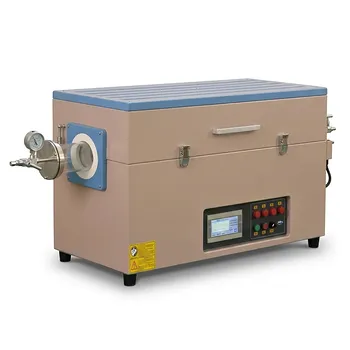
1200C Four Zone Split Tube Furnace with Touch Screen Control and High Purity Quartz Tube and Vacuum Sealing Flanges
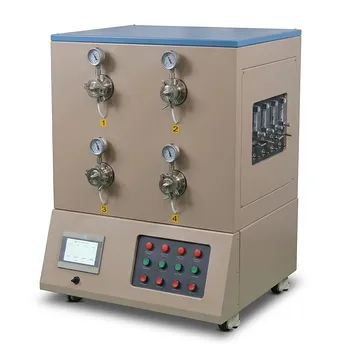
High Throughput 1200C Four Channel Tube Furnace with 3 Inch Quartz Tubes for Multi Zone Annealing and Material Research
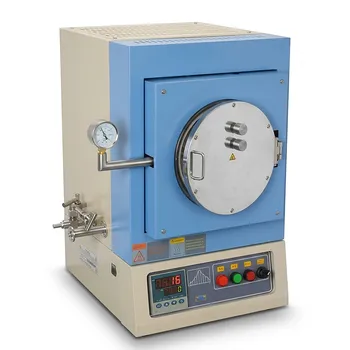
1100°C High Temperature Quartz Chamber Furnace 8 Inch OD with 7.6 Liter Capacity and Vacuum Atmosphere Capability
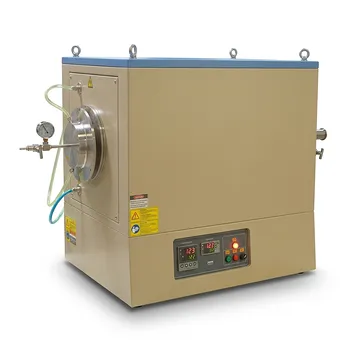
1100°C Large Diameter Quartz Tube Furnace with 24 Inch Heating Zone and Water Cooled Flanges

1200°C 5 Inch Vertical Quartz Tube Furnace with Stainless Steel Vacuum Flanges
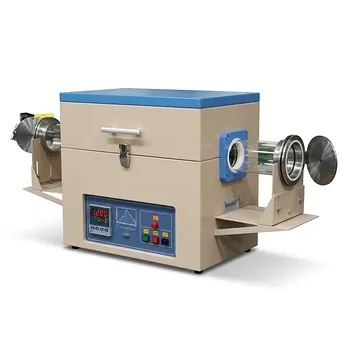
High Temperature 1200C Split Tube Furnace with Hinged Vacuum Flanges and 4 Inch Quartz Tube for Laboratory Research
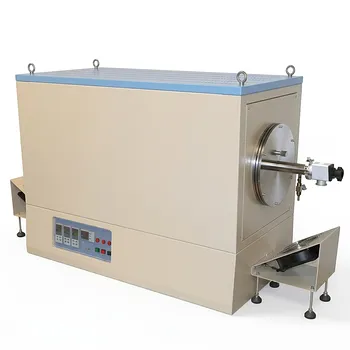
1100°C Three Zone Tube Furnace with 8.5 to 11 Inch OD Quartz Tube and Vacuum Flanges for Large Wafer Processing

High Temperature Automated 5 Inch Tube Furnace for Autonomous Material Research and Advanced Laboratory R&D
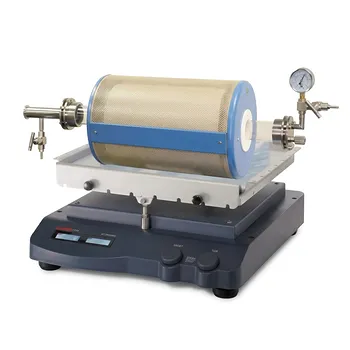
High Temperature Rocking Tube Furnace with Quartz Tube and Vacuum Flange for Materials Synthesis
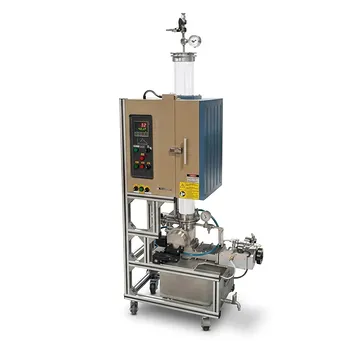
1200C High Temperature Atmosphere Controlled Vertical Quenching Tube Furnace with 4 Inch Quartz Tube
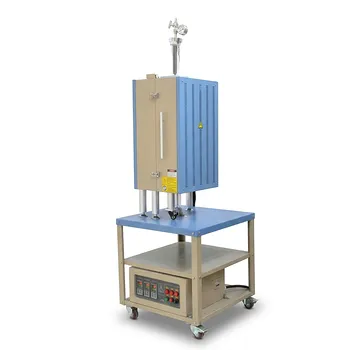
1200C Three Zone Vertical Tube Furnace with 2 Inch Quartz Tube and Vacuum Flanges
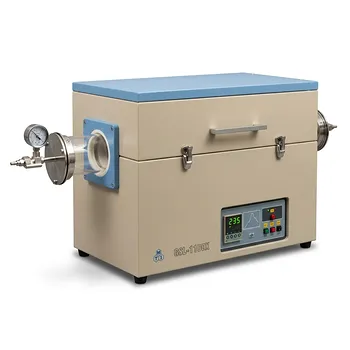
Single Zone Tube Furnace 5 Inch Quartz Tube 36 Inch Heating Zone Vacuum Flanges
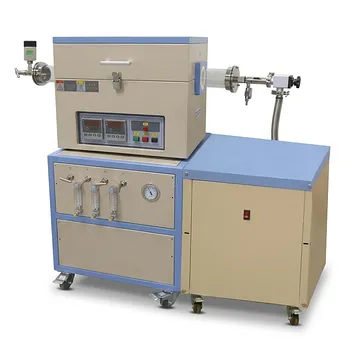
Dual Zone Quartz Tube Furnace with 80mm Diameter 1200C Max Temperature 3 Channel Gas Mixer and Vacuum Pump System
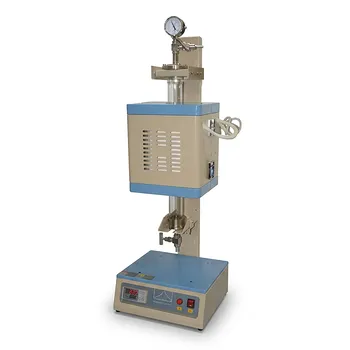
Compact Vertical Split Quartz Tube Furnace with Stainless Steel Vacuum Flanges for Rapid Thermal Quenching and Controlled Atmosphere Material Processing
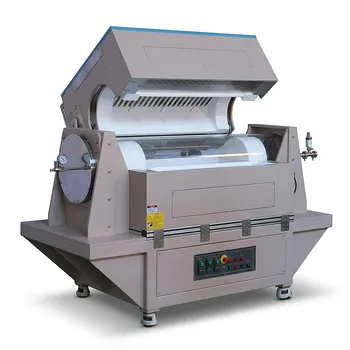
Three Zone Tube Furnace with 11 Inch or 15 Inch Quartz Tube and Hinged Flanges for Vacuum Atmosphere Heat Treatment
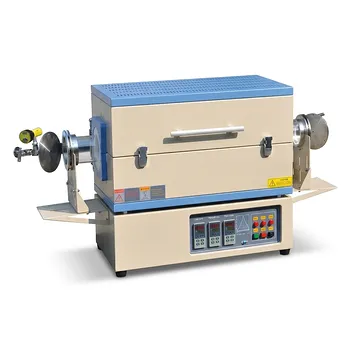
Three Zone Tube Furnace with 24 Inch Heating Length and Hinged Flange Quartz Tube System
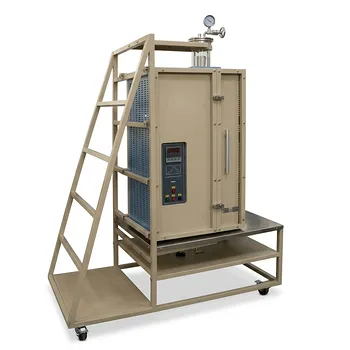
Split Vertical Tube Furnace with 1200C Quartz Tube and Stainless Steel Vacuum Flanges for Rapid Thermal Processing
Five Zone Split Vertical Tube Furnace 1200C Max with 4 Inch Quartz Tube and Stainless Steel Vacuum Flanges
1200C Three Zone Split Vertical Tube Furnace 4 Inch Quartz Tube Stainless Steel Vacuum Flanges