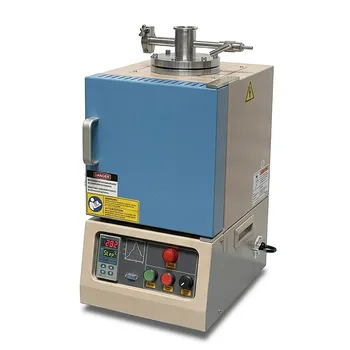
How does a high-temperature tube atmosphere furnace facilitate the carbothermal hydrogen reduction of Cu-Mo2C/MB catalysts?
Updated 6 months ago
The high-temperature tube atmosphere furnace facilitates the carbothermal hydrogen reduction of Cu-Mo2C/MB catalysts by providing a strictly regulated 800 °C environment under a 10% H2/N2 atmosphere. This specialized equipment enables a multi-phase interface reaction between molybdenum ions, the solid carbon source from biochar, and hydrogen gas, ensuring the complete transformation of molybdenum oxide into stable beta-Mo2C while simultaneously engineering the electronic states of copper.
A high-temperature tube furnace is the critical enabling technology for carbothermal reduction, as it synchronizes precise thermal gradients with reactive gas flows to control phase transitions. By maintaining this equilibrium, the furnace prevents particle coarsening and promotes the formation of a uniformly dispersed nano-interface essential for catalytic activity.
Driving the Carbothermal Chemistry
Facilitating Multi-Phase Interface Reactions
The furnace creates a stable environment where a three-way interaction occurs between the biochar solid carbon, molybdenum ions, and hydrogen gas. This coordinated reaction is necessary to drive the carbon atoms into the metal oxide lattice, a process known as carbothermal reduction.
In this controlled setting, the organic components of the biochar undergo pyrolysis under oxygen-free conditions. This ensures that the carbon source remains available for the reduction process rather than being lost to combustion.
Controlling Phase Transformation to Beta-Mo2C
A core function of the tube furnace is managing the phase transformation from molybdenum oxide or amine molybdenum oxide (AMO) to the stable beta-Mo2C phase. The furnace’s ability to maintain a steady 800 °C prevents the formation of less stable crystalline phases.
This transition is highly sensitive to the partial pressure of the reducing gas. The furnace’s precision gas flow regulation ensures that the molybdenum source is fully carburized without being over-reduced or oxidized by trace ambient oxygen.
Engineering the Catalyst Nano-Interface
Promoting Active Cu+ Species via Electron Transfer
The high-temperature environment induced by the furnace is not merely for heat; it facilitates electron transfer between the copper (Cu) and the molybdenum carbide (Mo2C). This interaction is vital for forming active Cu+ species, which are often the primary sites for catalytic reactions.
By regulating the flow and concentration of the H2/N2 mixture, the furnace can precisely target specific oxidation states. This prevents the copper from remaining as inactive oxide or sintering into large, inert metallic clusters.
Inducing Uniform Nano-Dispersion
The furnace’s ability to apply a stable thermal field allows for the creation of a uniformly dispersed (~6.1 nm) nano-interface on the biochar surface. This high level of dispersion is achieved through carefully programmed heating rates, such as 3°C/min, which allow atoms to anchor to the substrate rather than aggregating.
Without this precise control, the high temperatures required for reduction would typically lead to particle coarsening. The tube furnace's sealed environment maintains the high surface area necessary for the catalyst to remain effective.
Understanding the Trade-offs
Temperature Balance vs. Sintering Risks
While high temperatures (800 °C to 900 °C) are required to drive the diffusion of carbon into the metal lattice, they also increase the risk of excessive sintering. If the furnace temperature is not strictly mapped and maintained, the nano-particles will lose their dispersion, significantly reducing the catalyst's active surface area.
Atmospheric Purity vs. Reduction Efficiency
The success of the reduction depends on a high-purity inert or reducing atmosphere. Any leak in the furnace tube or inconsistency in the gas flow can introduce oxygen, which stalls the carbothermal process and may result in the formation of unwanted metal oxides instead of pure carbides.
How to Apply This to Your Project
High-temperature tube furnaces are versatile tools, but their settings must be tailored to the specific metallurgical goal of your catalyst synthesis.
- If your primary focus is phase purity: Prioritize a furnace with programmable, multi-stage temperature profiles to ensure the precursor transitions through the AMO stage to the stable beta-Mo2C phase without interruptions.
- If your primary focus is preventing particle growth: Use a furnace that allows for precise control over the H2 flow rate and utilize slower heating ramps (e.g., 3°C/min) to encourage the anchoring of atoms to the carbon substrate.
- If your primary focus is electronic state engineering (Cu+): Focus on the strict regulation of the H2/N2 gas ratio and ensure the furnace seals are airtight to maintain the exact partial pressures required for targeted electron transfer.
The high-temperature tube furnace is the definitive tool for transforming raw precursors into high-performance catalysts by mastering the delicate balance between thermal energy and chemical atmosphere.
Summary Table:
| Key Parameter | Process Function | Impact on Catalyst |
|---|---|---|
| Temperature (800 °C) | Drives solid-gas diffusion | Ensures stable beta-Mo2C phase transformation |
| H2/N2 Atmosphere | Maintains reducing environment | Controls Cu+ oxidation states & prevents oxidation |
| Heating Rate (3°C/min) | Thermal field stabilization | Prevents particle coarsening; ensures ~6.1nm dispersion |
| Atmospheric Purity | Oxygen-free pyrolysis | Maximizes active surface area and catalytic efficiency |
Elevate Your Material Research with THERMUNITS
To achieve the precision required for complex carbothermal reduction and nano-catalyst synthesis, you need equipment that masters thermal and atmospheric control. THERMUNITS is a leading manufacturer of high-temperature laboratory equipment specifically designed for material science and industrial R&D.
Our extensive range of thermal processing solutions includes:
- Specialized Furnaces: Tube, Atmosphere, Muffle, Vacuum, Rotary, and Hot Press furnaces.
- Advanced Systems: CVD/PECVD systems, Dental Furnaces, and Vacuum Induction Melting (VIM) furnaces.
- Specialty Components: Electric rotary kilns, high-quality Thermal Elements, and custom heat treatment setups.
Whether you are engineering electronic states of copper or scaling up carbide production, our experts provide the reliability and technical support your project demands. Explore how our advanced tube furnaces can enhance your lab's efficiency—contact us today!
References
- Xueyuan Pan, Jianchun Jiang. Preparation of nano Cu-Mo2C interface supported on ordered mesoporous biochar of ultrahigh surface area for reverse water gas shift reaction. DOI: 10.1007/s42773-024-00392-5
Mentioned Products
- 1750°C High Temperature Benchtop Vacuum Atmosphere Tube Furnace with Kanthal Super 1800 Heating Elements and 60mm Alumina Processing Tube
- High Temperature 1200C Split Tube Furnace for CVD Research and Vacuum Atmosphere Heat Treatment
- High Temperature Split Tube Furnace 1500C for Material Research Vacuum and Atmosphere Thermal Processing
- 1700C High Temperature Alumina Tube Furnace with 18 Inch Heated Zone and Vacuum Sealing Flanges
- High Temperature Vertical Atmosphere Controlled Furnace with Automatic Bottom Loading and 1700°C Capacity for Advanced Material Research
People Also Ask
- What core functions does a high-temperature vacuum tube furnace provide? Optimize np-CuSn Sintering & Joint Integrity
- What is the role of a high-temperature tube furnace in the calcination process of ZnO/In2O3 nanocomposites?
- What role does a high-temperature tube furnace play in CVD synthesis of silicon nanowires? Master VLS Growth Precision.
- What is the function of a high-temperature tube furnace in Fe-BN-C pyrolysis? Optimize Catalyst Active Site Formation
- What role does a high-temperature tube furnace play in executing nitrogen absorption kinetic experiments? Expert Insights

Tech Team · ThermUnits
Last updated on Apr 14, 2026
Related Products
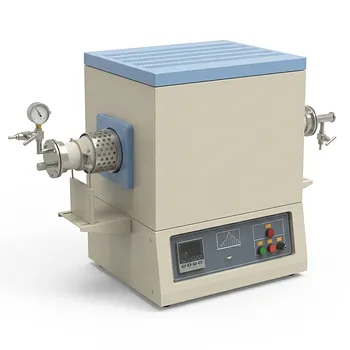
1750°C High Temperature Benchtop Vacuum Atmosphere Tube Furnace with Kanthal Super 1800 Heating Elements and 60mm Alumina Processing Tube
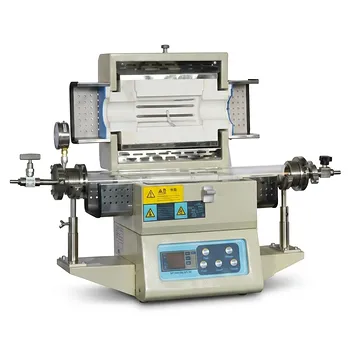
High Temperature 1200C Split Tube Furnace for CVD Research and Vacuum Atmosphere Heat Treatment
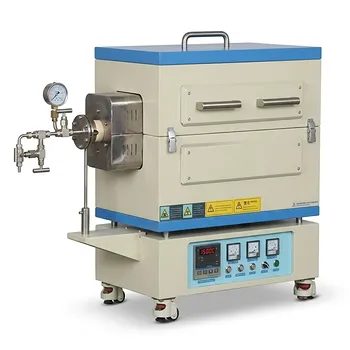
High Temperature Split Tube Furnace 1500C for Material Research Vacuum and Atmosphere Thermal Processing
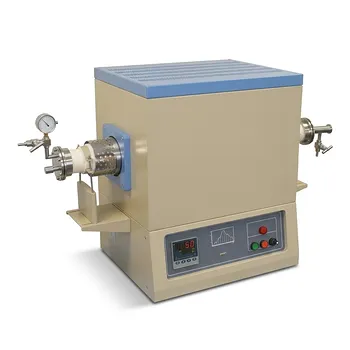
1700C High Temperature Alumina Tube Furnace with 18 Inch Heated Zone and Vacuum Sealing Flanges
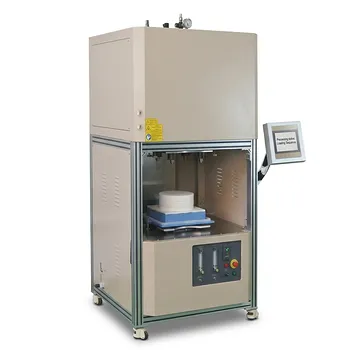
High Temperature Vertical Atmosphere Controlled Furnace with Automatic Bottom Loading and 1700°C Capacity for Advanced Material Research
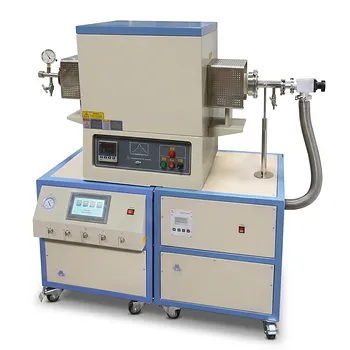
High Temperature 1700C Tube Furnace with High Vacuum Turbomolecular Pump System and Multi Channel Mass Flow Controller Gas Mixer
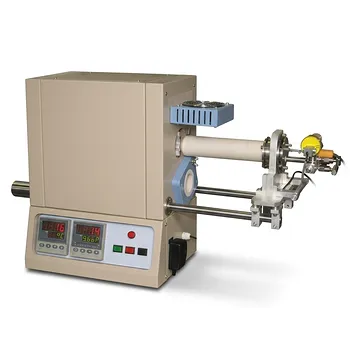
High Temperature Tube Furnace 1500C with Sliding Flanges and 50mm OD for Rapid Thermal Processing Fast Heating and Cooling
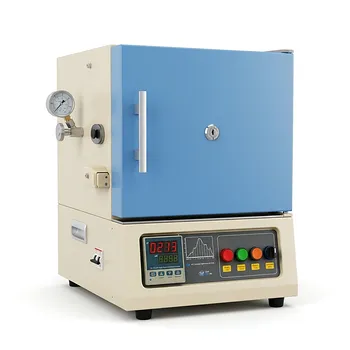
1200C Hybrid Muffle and Tube Furnace for Material Research with Dual Atmosphere Control Quartz Tubes
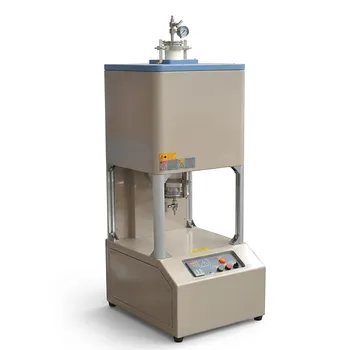
Vertical 1700C Vacuum and Atmosphere Tube Furnace with 80mm Alumina Tube
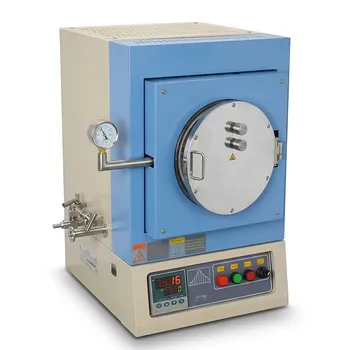
1100°C High Temperature Quartz Chamber Furnace 8 Inch OD with 7.6 Liter Capacity and Vacuum Atmosphere Capability
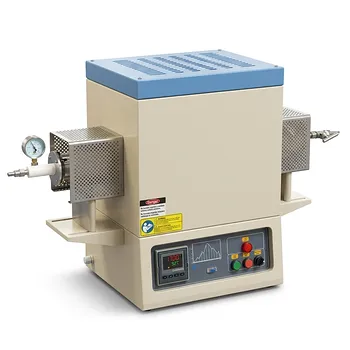
High Temperature Three Zone Tube Furnace 1700C with Alumina Tube and Water Cooled Flanges
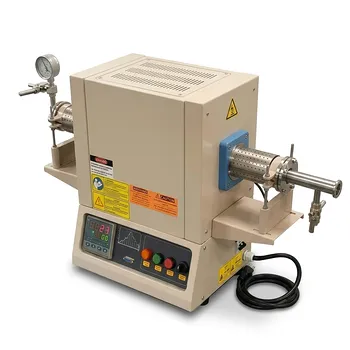
Compact High Temperature 1600C Tube Furnace with 50mm Alumina Tube and Vacuum Flanges for Material Sintering
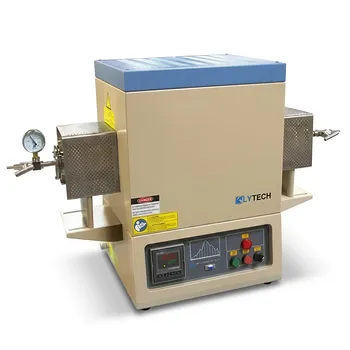
1800C High Temperature Compact Vacuum Tube Furnace with 60mm OD Alumina Tube and Kanthal MoSi2 Heating Elements
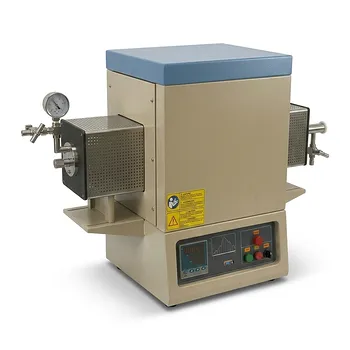
High Temperature 1700C Benchtop Tube Furnace with 5 Inch Heating Zone High Purity Alumina Tube and Vacuum Sealing Flanges
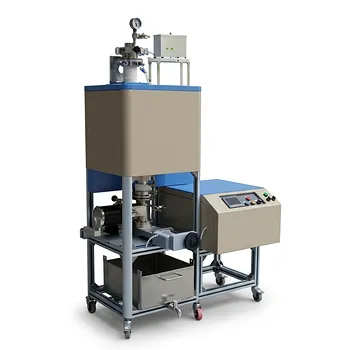
High Temperature 1700C Vertical Tube Furnace for Powder Spherification and Material Sintering
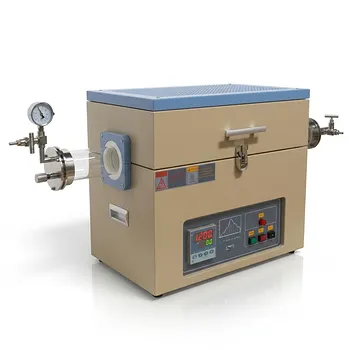
High Temperature 1200C Split Tube Furnace with Optional Quartz Tube Sizes and Vacuum Sealing Flanges for Material Science Research
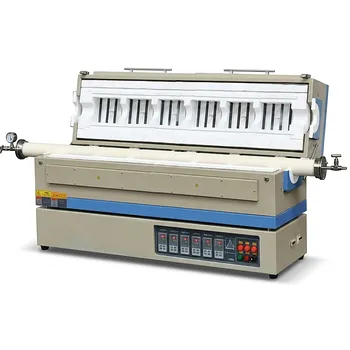
High Temperature 1700C Six Zone Split Tube Furnace with Alumina Tube and Water Cooled Flanges
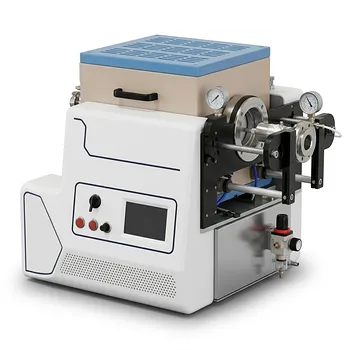
High Temperature Automated 5 Inch Tube Furnace for Autonomous Material Research and Advanced Laboratory R&D
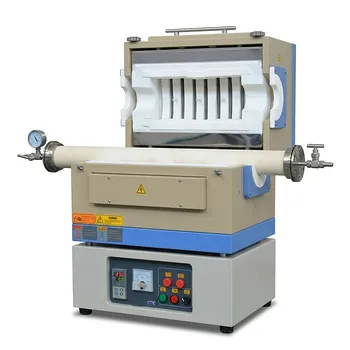
High Temperature 1600C Split Tube Furnace Vacuum Flanges Valves Optional 60mm 80mm Alumina Tube