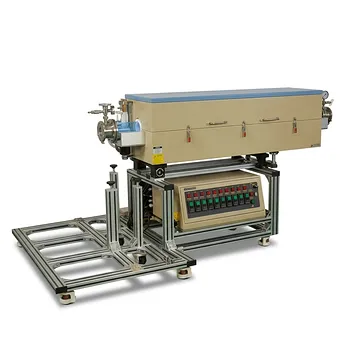
How does a high-temperature tube furnace contribute to the graphitization of biomass? Enhance MFC Electrode Performance
Updated 5 months ago
High-temperature tube furnaces are the primary instruments for converting raw biomass into conductive carbon anodes by providing a precisely controlled, oxygen-free environment. By maintaining constant temperatures of 1100°C and regulating heating rates, these furnaces facilitate the chemical reorganization of biomass macromolecules into graphite-like layered structures. This structural transformation is essential for microbial fuel cell (MFC) applications, as it provides the high electrical conductivity required for efficient electron transport from microbes to the circuit.
Core Takeaway: A high-temperature tube furnace enables the precise thermal degradation and structural alignment of biomass into conductive graphitic carbon, transforming non-conductive organic matter into high-performance electrodes for microbial fuel cells.
Creating the Anaerobic Environment for Pyrolysis
The Role of Inert Gas Blanketing
The tube furnace allows for the introduction of inert gases, such as nitrogen or argon, which displace all oxygen within the reaction chamber. This prevents the biomass from simply combusting into ash, instead forcing it to undergo pyrolysis, where organic matter breaks down chemically without burning.
Dehydration and Volatile Removal
In the early stages of heating, the controlled environment allows for the systematic dehydration and degassing of the biomass. This removal of volatile components and water molecules is a prerequisite for forming a stable carbon skeleton.
Driving Structural Transformation and Conductivity
Facilitating Molecular Reorganization
At temperatures reaching 1100°C, the furnace provides the thermal energy necessary to break complex organic bonds. This allows carbon atoms to reorganize into graphite-like layered structures, which are significantly more conductive than the raw precursor.
Developing Porous Architectures
The furnace's ability to maintain specific programmed temperature increases (e.g., 10 K/min) ensures that gases escape the material at a rate that develops internal porosity. For MFC applications, this creates a large specific surface area, allowing more microbes to adhere to the anode surface.
Enhancement of Fixed Carbon Content
By precisely regulating the residence time at peak temperatures, the furnace maximizes the fixed carbon content. This process ensures the resulting material is robust and capable of sustained electron transport in the demanding environment of a fuel cell.
Understanding the Trade-offs
Temperature vs. Material Yield
Higher temperatures (such as 1100°C) are excellent for increasing electrical conductivity and graphitization. However, as the temperature increases, the total yield of the carbon material typically decreases as more matter is lost to volatilization.
Heating Rate and Structural Integrity
Rapid heating rates can save time but may cause the biomass structure to collapse or become brittle. Conversely, a slower heating rate promotes more uniform pore development but increases the energy consumption and operational cost of the furnace.
How to Apply This to Your Project
To successfully utilize a tube furnace for MFC electrode preparation, you must align your furnace settings with your specific performance goals for the anode.
- If your primary focus is Maximum Conductivity: Set the furnace to its highest stable temperature (e.g., 1100°C) and use a longer residence time to ensure complete reorganization into graphitic structures.
- If your primary focus is High Surface Area: Focus on a single-step pyrolysis at moderate temperatures (around 800°C) with a strictly controlled heating rate to preserve and develop the pore structure.
- If your primary focus is Evaluation and Testing: Use a muffle furnace or horizontal tube furnace to first determine the volatile matter and ash content, ensuring your biomass source is viable for conversion.
The high-temperature tube furnace is the bridge between raw biological waste and the high-efficiency electronic components required for sustainable energy production.
Summary Table:
| Process Step | Furnace Role | Outcome for MFC Applications |
|---|---|---|
| Anaerobic Pyrolysis | Inert gas blanketing (N2/Ar) | Prevents combustion; forms a stable carbon skeleton. |
| Molecular Reorganization | Sustained high temp (up to 1100°C) | Converts biomass macromolecules into conductive graphite layers. |
| Pore Development | Programmed heating rates (e.g., 10 K/min) | Creates high surface area for maximum microbial adhesion. |
| Carbon Enrichment | Regulated residence time | Maximizes fixed carbon content for efficient electron transport. |
Elevate Your Material Research with THERMUNITS
Are you looking to optimize the graphitization of biomass for high-performance microbial fuel cell electrodes? THERMUNITS is a leading manufacturer of high-temperature laboratory equipment for material science and industrial R&D. We provide the precision and reliability needed to transform raw organic precursors into high-value electronic components.
Our comprehensive range of thermal processing solutions includes:
- Tube & Rotary Furnaces: Ideal for precise biomass pyrolysis and graphitization.
- Vacuum & Atmosphere Furnaces: Ensuring perfect oxygen-free environments.
- Advanced Systems: CVD/PECVD systems, Hot Press furnaces, and Vacuum Induction Melting (VIM) furnaces.
- Specialized Equipment: Muffle furnaces, Dental furnaces, Electric Rotary Kilns, and high-quality Thermal Elements.
Whether you are focusing on maximum conductivity or specific surface area, our equipment offers the programmed control necessary for superior results. Contact THERMUNITS today to discuss your specific heat treatment requirements and discover how our laboratory solutions can accelerate your R&D breakthroughs.
References
- Nasser A.M. Barakat, Hager M. Moustafa. Graphitized mango seed as an effective 3D anode in batch and continuous mode microbial fuel cells for sustainable wastewater treatment and power generation. DOI: 10.1039/d3ra05084j
Mentioned Products
- High Temperature Tube Furnace 1500C with Sliding Flanges and 50mm OD for Rapid Thermal Processing Fast Heating and Cooling
- High Temperature 1700C Tube Furnace with High Vacuum Turbomolecular Pump System and Multi Channel Mass Flow Controller Gas Mixer
- High Temperature 1700C Benchtop Tube Furnace with 5 Inch Heating Zone High Purity Alumina Tube and Vacuum Sealing Flanges
- 1750°C High Temperature Benchtop Vacuum Atmosphere Tube Furnace with Kanthal Super 1800 Heating Elements and 60mm Alumina Processing Tube
- Compact High Temperature 1600C Tube Furnace with 50mm Alumina Tube and Vacuum Flanges for Material Sintering
People Also Ask
- How are high-temperature tube furnaces utilized to repair etching damage? Precision Lattice Restoration Solutions
- What core conditions does a high-temperature tube furnace provide for rGO aerogels? Mastering Precision Synthesis.
- What role does a high-temperature tube furnace play in CVD synthesis of silicon nanowires? Master VLS Growth Precision.
- How does precision tube furnace control influence CoFe nanoparticle formation? Master Your Bimetallic Synthesis.
- What role does a high-temperature tube furnace play in the sulfidation heat treatment of CoS@C/MXene nanocomposites? Guide

Tech Team · ThermUnits
Last updated on Apr 14, 2026
Related Products

High Temperature Tube Furnace 1500C with Sliding Flanges and 50mm OD for Rapid Thermal Processing Fast Heating and Cooling

High Temperature 1700C Tube Furnace with High Vacuum Turbomolecular Pump System and Multi Channel Mass Flow Controller Gas Mixer

High Temperature 1700C Benchtop Tube Furnace with 5 Inch Heating Zone High Purity Alumina Tube and Vacuum Sealing Flanges

1750°C High Temperature Benchtop Vacuum Atmosphere Tube Furnace with Kanthal Super 1800 Heating Elements and 60mm Alumina Processing Tube

Compact High Temperature 1600C Tube Furnace with 50mm Alumina Tube and Vacuum Flanges for Material Sintering

1700C High Temperature Alumina Tube Furnace with 18 Inch Heated Zone and Vacuum Sealing Flanges

1800C High Temperature Compact Vacuum Tube Furnace with 60mm OD Alumina Tube and Kanthal MoSi2 Heating Elements
High Temperature Split Tube Furnace 1500C for Material Research Vacuum and Atmosphere Thermal Processing

High Temperature 1700C Vertical Tube Furnace for Powder Spherification and Material Sintering
High Temperature Three Zone Tube Furnace 1700C with Alumina Tube and Water Cooled Flanges

High Temperature 1700C Six Zone Split Tube Furnace with Alumina Tube and Water Cooled Flanges
High Temperature 1600C Split Tube Furnace Vacuum Flanges Valves Optional 60mm 80mm Alumina Tube

High Temperature Automated 5 Inch Tube Furnace for Autonomous Material Research and Advanced Laboratory R&D

1100C Tube Furnace with Vacuum Flange and Programmable Temperature Controller for Material Science and Industrial Heat Treatment
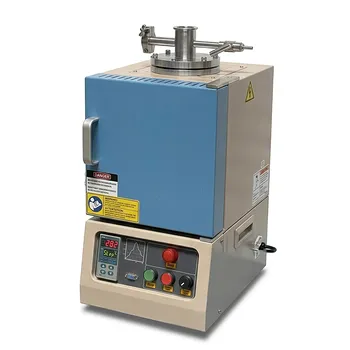
High Temperature Hybrid Muffle and Tube Furnace with Vacuum Capability and PID Control
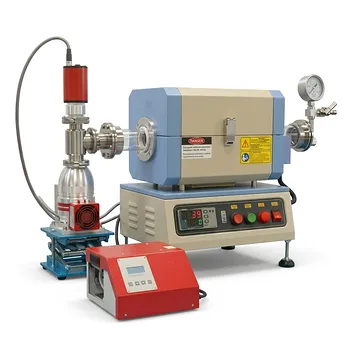
High Vacuum Compact Tube Furnace 1200C with Integrated Turbo Pump System and 8 Inch Heating Zone

1700C Hydrogen Gas Tube Furnace with 60mm Alumina Process Tube and Integrated Hydrogen Safety Detector
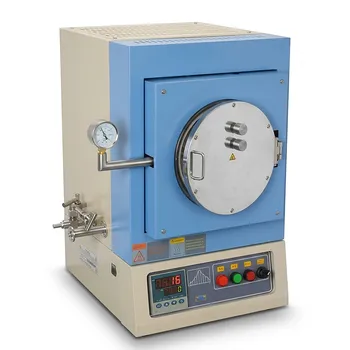
1100°C High Temperature Quartz Chamber Furnace 8 Inch OD with 7.6 Liter Capacity and Vacuum Atmosphere Capability
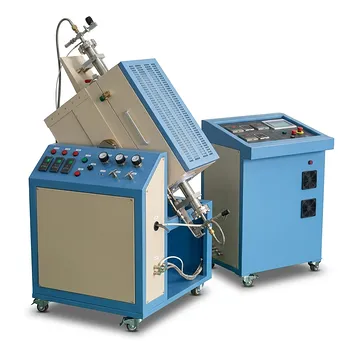
1100C High Pressure Rocking Tube Furnace with 2 Inch Super Alloy Processing Tube for Material Synthesis