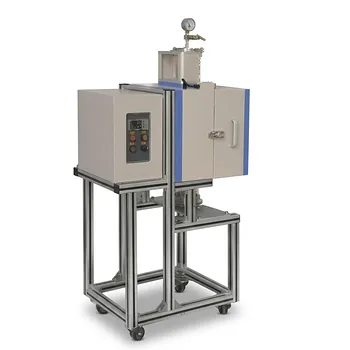
How does a multi-stage atmosphere furnace facilitate the LOI method? Achieve Precise Unburned Carbon Analysis.
Updated 3 months ago
A multi-stage atmosphere furnace enhances the Loss on Ignition (LOI) method by selectively isolating chemical reactions through controlled gas environments. It sequences nitrogen, carbon dioxide, and air to remove interferences like moisture and hydroxides before specifically oxidizing unburned carbon. This controlled process ensures that the resulting mass loss reflects actual carbon content rather than volatile mineral changes or weighing errors.
High-precision LOI analysis requires isolating carbon oxidation from other thermal events. The multi-stage furnace achieves this by manipulating the chemical environment to stabilize minerals before the final combustion step, delivering a more accurate measure of boiler efficiency.
The Sequential Logic of Multi-Stage Atmosphere Control
The Nitrogen Phase: Removing Non-Carbon Volatiles
Initial heating occurs in an inert nitrogen environment to strip away elements that would skew mass measurements. This stage focuses on removing residual moisture and decomposing hydroxides, such as Calcium Hydroxide [Ca(OH)2], without prematurely igniting the carbon.
The Carbon Dioxide Phase: Stabilizing Mineral Errors
The introduction of a carbon dioxide environment facilitates the carbonation of Calcium Oxide (CaO). This step is critical because it prevents weighing errors that occur when unstable oxides react with the atmosphere during the cooling or weighing process.
The Air Phase: Selective Carbon Oxidation
Once the mineral components are stabilized, the furnace switches to an air environment (oxygen-rich) for high-temperature sintering. This specific stage is designed to oxidize the unburned carbon completely, allowing the final mass change to represent only the carbon content lost to combustion.
Critical Technical Drivers for Precision
Impact of Temperature Stability
A multi-stage furnace provides a stable thermal environment, often reaching up to 950°C. This temperature threshold is necessary to ensure the full combustion of organic matter and the decomposition of specific carbonates within the coal fly ash.
Mass Difference as a Performance Indicator
The furnace facilitates a precise calculation based on the mass difference before and after the oxidation stage. This data serves as a core indicator for evaluating boiler combustion efficiency, as unburned carbon represents lost energy potential.
Elimination of Chemical Interferences
By using a multi-step thermal treatment, the furnace ensures that metal oxides and other minerals do not interfere with the carbon calculation. This prevents the "dilution" of data accuracy that often plagues single-stage heating methods.
Understanding the Trade-offs
Process Complexity and Duration
While a multi-stage furnace provides superior accuracy, it is significantly more complex than a standard muffle furnace. The need to switch gas environments and maintain specific atmosphere purities increases the time per sample and requires more sophisticated hardware.
Gas Consumption and Equipment Costs
Operating with nitrogen and carbon dioxide adds to the operational cost of the laboratory. Furthermore, the specialized valves and sensors required to manage these atmospheres make the initial capital investment higher than traditional "burn-off" equipment.
Risk of Incomplete Carbonation
If the carbon dioxide phase is not perfectly calibrated to the sample size, some Calcium Oxide may remain un-carbonated. This can lead to unstable final weights, particularly in high-calcium ash samples, potentially negating the benefits of the multi-stage approach.
Optimizing Table LOI Results for Your Facility
Prioritizing accuracy in your LOI findings depends on your specific operational goals and the type of ash being analyzed.
- If your primary focus is precise boiler efficiency auditing: Utilize the full three-stage atmosphere cycle to ensure that mineral decomposition does not mask the true unburned carbon percentage.
- If your primary focus is rapid operational feedback: A standard high-temperature muffle furnace may suffice for quick "trend" monitoring, though it will lack the forensic accuracy of the multi-stage method.
- If your primary focus is fly ash byproduct sales: Use the carbon dioxide stabilization phase to ensure your metal oxide proportions are correctly calculated for concrete or industrial applications.
Selecting the right furnace technology ensures your data serves as a reliable foundation for optimizing combustion and mineral recovery.
Summary Table:
| Stage | Environment | Primary Function |
|---|---|---|
| Nitrogen Phase | Inert (N2) | Strips moisture and decomposes hydroxides without ignition. |
| CO2 Phase | Carbon Dioxide | Facilitates carbonation to stabilize mineral weights. |
| Air Phase | Oxygen-Rich | Oxidizes unburned carbon for accurate mass loss measurement. |
Elevate your material science and industrial R&D with THERMUNITS, a leading manufacturer of high-temperature laboratory equipment. We provide a comprehensive range of thermal processing solutions, including Muffle, Vacuum, Atmosphere, Tube, Rotary, and Hot Press furnaces, as well as CVD/PECVD systems, electric rotary kilns, and vacuum induction melting (VIM) furnaces. Whether you need precise Loss on Ignition (LOI) analysis or specialized heat treatment, our equipment is designed to optimize your boiler efficiency and mineral recovery. Contact our experts today to discover the perfect thermal solution for your facility!
References
- Machodi Mathaba. Effect of combustion temperature on the unburnt carbon during ammonia co-firing with coal combustion. DOI: 10.1038/s41598-024-73553-y
Mentioned Products
- Atmosphere Controlled Muffle Furnace 1700C Maximum Temperature 80L High Capacity Vacuum Inert Gas Box Furnace
- 1700C Compact Hybrid Furnace with Dual Layer Box Sintering and Controlled Atmosphere Alumina Tubes
- 1200C Hydrogen Atmosphere Box Furnace with 5 Heated Sides and 64L Chamber
- 1650C High Temperature Atmosphere Controlled Box Furnace with 65L Chamber for Advanced Material Sintering and Industrial Heat Treatment
- 1200°C 10-Zone Split Tube Furnace with Horizontal and Vertical Mounting for Multi-Zone Thermal Gradients and Large Diameter Material Processing
People Also Ask
- How can atmosphere control be achieved in a muffle furnace? Mastering Precision Gas Environments for Material Research
- What role does atmosphere control play in technical ceramics and glass? Master Material Purity and Precision
- What are the typical operating temperature ranges for standard and advanced muffle furnaces? Expert Temperature Guide.
- In what ways do muffle furnaces support aerospace and advanced materials testing? Essential High-Temp Validation Tools
- How is the ash content of polymers and plastics determined using a muffle furnace? Essential Guide for QC & R&D

Tech Team · ThermUnits
Last updated on Jun 03, 2026
Related Products
Atmosphere Controlled Muffle Furnace 1700C Maximum Temperature 80L High Capacity Vacuum Inert Gas Box Furnace
1700C Compact Hybrid Furnace with Dual Layer Box Sintering and Controlled Atmosphere Alumina Tubes
1200C Hydrogen Atmosphere Box Furnace with 5 Heated Sides and 64L Chamber
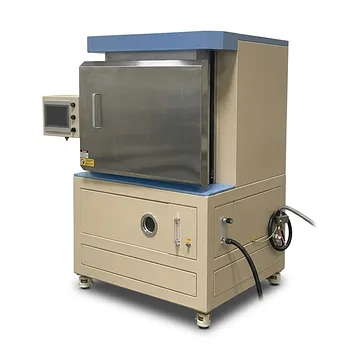
1650C High Temperature Atmosphere Controlled Box Furnace with 65L Chamber for Advanced Material Sintering and Industrial Heat Treatment
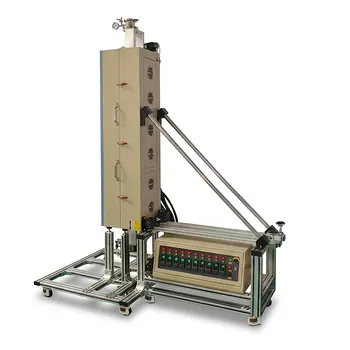
1200°C 10-Zone Split Tube Furnace with Horizontal and Vertical Mounting for Multi-Zone Thermal Gradients and Large Diameter Material Processing
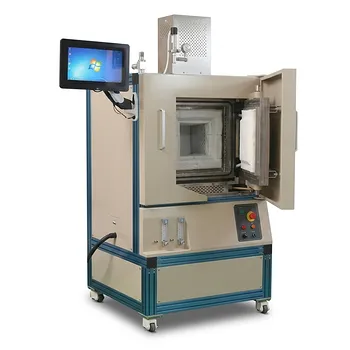
High Temperature Oxygen and Inert Atmosphere Controlled Furnace 8 Liter 1700C Sintering System for Advanced Materials RD
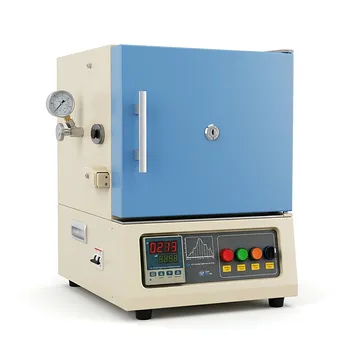
1200C Hybrid Muffle and Tube Furnace for Material Research with Dual Atmosphere Control Quartz Tubes
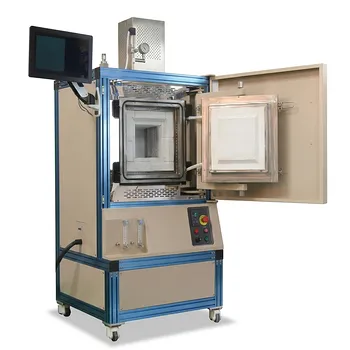
High Temperature Hydrogen Atmosphere Box Furnace 1650C Max Reducing Environment Material Synthesis System 8x8x8 Chamber
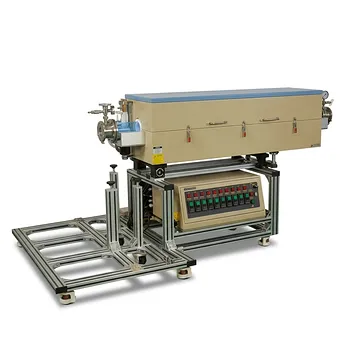
Ten Zone Multi Orientation Laboratory Tube Furnace for 1200C High Temperature Gradient Thermal Processing
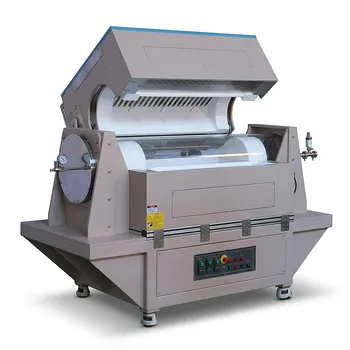
Three Zone Tube Furnace with 11 Inch or 15 Inch Quartz Tube and Hinged Flanges for Vacuum Atmosphere Heat Treatment
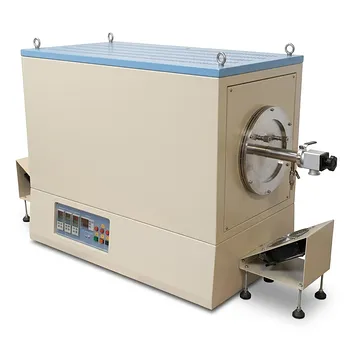
Four Zone Tube Furnace 1100C with 600mm Large Diameter Quartz Tube and Vacuum Flanges

Vertical 1700C Vacuum and Atmosphere Tube Furnace with 80mm Alumina Tube
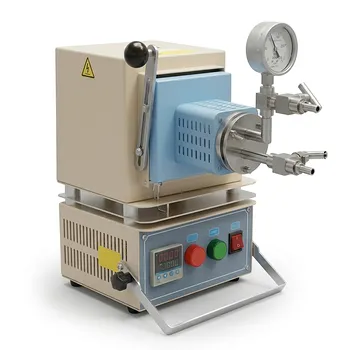
Compact Hybrid Muffle and Tube Furnace for 1000C Controlled Atmosphere Laboratory Material Sintering
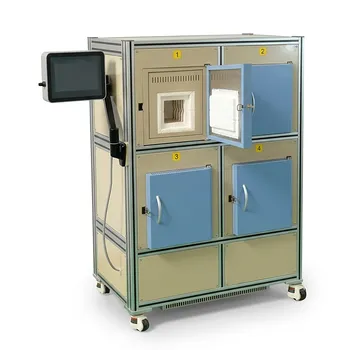
High Temperature Four Chamber Box Furnace for High Throughput Materials Research and Space Saving Thermal Processing

1200C High Throughput Multi Channel Tube Furnace with 50mm Quartz Tubes for Annealing and Material Phase Diagram Research
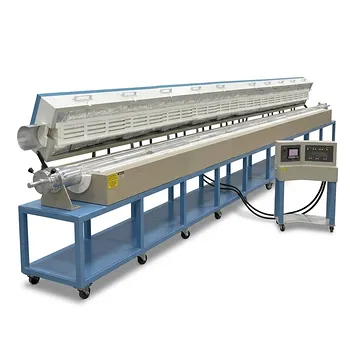
12 Zone Ultra Long Split Tube Furnace with 20 Foot Quartz Tube and 1100C Max Temperature
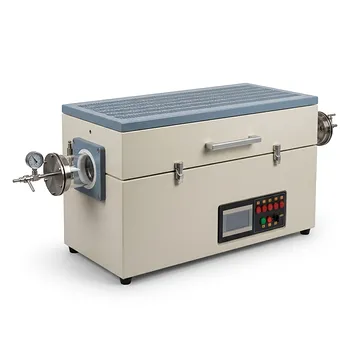
Five Zone 1200C High Temperature Split Tube Furnace with Touch Screen Controller and Multiple Quartz Tube Options
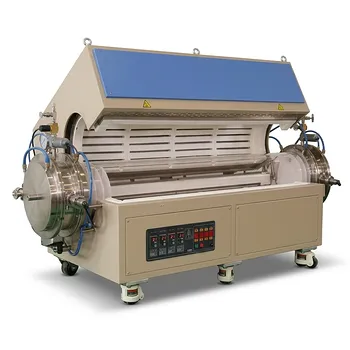
1200C Max Four Zone Split Tube Furnace with Optional Large Diameter Quartz Tubes

High Temperature 1700C Tube Furnace with High Vacuum Turbomolecular Pump System and Multi Channel Mass Flow Controller Gas Mixer