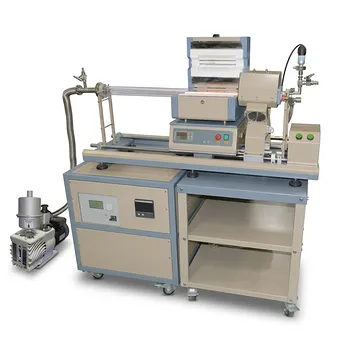
How does a precision programmed temperature control system contribute to LDPE catalytic pyrolysis? Maximize Yields.
Updated 5 months ago
Precision temperature control is the foundational pillar of efficient LDPE catalytic pyrolysis. This system manages the extreme thermal sensitivity of low-density polyethylene by enforcing specific heating rates, such as 10 °C/min, and maintaining high stability at target temperatures like 395 °C. By providing a stable thermal environment, it allows catalysts to effectively lower activation energy and maximize the yield of high-value light olefins.
A precision programmed temperature control system transforms a volatile thermal process into a predictable chemical reaction. It is the primary mechanism for balancing reaction kinetics with product selectivity, ensuring the catalyst functions within its optimal window to prevent undesirable secondary cracking.
Managing Reaction Kinetics and Catalyst Efficiency
Optimizing Catalyst Performance
The primary role of precise temperature regulation is to facilitate the evaluation and performance of catalysts like Fe-Mg-ZSM-5. This specific catalyst requires a stable thermal environment to effectively reduce the reaction activation energy required for LDPE breakdown. Without this stability, the catalyst cannot consistently steer the reaction toward desired molecular pathways.
Regulating Heating Rates
Maintaining a steady heating rate, typically 10 °C/min, is essential for orderly devolatilization. This controlled ramp-up ensures that organic volatiles are released at a manageable pace, preventing sudden pressure spikes or structural collapses within the reactor. It provides the necessary time for the polymer chains to break down systematically rather than chaotically.
Achieving Isothermal Stability
Once the target temperature—often 395 °C for LDPE—is reached, the system must prevent "overshoot" or fluctuations. High stability at this stage is critical for inhibiting secondary cracking reactions, which would otherwise break down valuable light olefins into lower-value light gases or heavy coke.
Product Selectivity and Structural Integrity
Maximizing Light Olefin Yield
The ultimate goal of LDPE pyrolysis is often the production of light olefins. Precision control ensures the reactor stays within the narrow "sweet spot" where these products are stable. Even minor temperature deviations can significantly alter the product distribution, leading to inconsistent output quality.
Preventing Particle Agglomeration
In systems where catalysts or metal oxides are involved, temperature spikes can lead to particle agglomeration. A precision system ensures uniform heat distribution, which keeps iron oxide or palladium nanoparticles properly dispersed on their supports. This prevents the loss of active surface area and maintains high catalytic activity throughout the cycle.
Preserving Pore Structure
For processes involving carbon supports or bio-based additives, rapid temperature increases can cause micropore collapse. Controlled heating curves allow for the development of a well-defined mesoporous structure. This structural integrity is vital for the diffusion of reactants and the overall efficiency of the catalytic process.
Understanding the Trade-offs
System Complexity and Calibration
Implementing a high-precision system requires sophisticated PID control algorithms and high-quality thermocouples. These components demand regular calibration and maintenance to remain accurate. Failure to maintain the sensor hardware can lead to "thermal drift," where the reported temperature diverges from the actual internal reactor state.
Thermal Lag and Response Time
Even with advanced programming, there is an inherent thermal lag between the heating element and the core of the LDPE mass. Operators must account for the time it takes for heat to penetrate the polymer, as aggressive heating to overcome lag can cause localized overheating. This requires a balanced approach between speed and thermal uniformity.
How to Apply This to Your Process
Recommendations for Implementation
- If your primary focus is maximizing light olefin yield: Prioritize a system with high isothermal stability at 395 °C to prevent the over-cracking of your primary products.
- If your primary focus is catalyst longevity: Use a slow, programmed heating rate (e.g., 2°C/min to 10°C/min) to prevent nanoparticle agglomeration and maintain catalyst surface area.
- If your primary focus is structural control of the carbon residue: Ensure the system supports multi-zone heating to maintain a uniform temperature gradient and prevent the collapse of the pore framework.
By mastering the thermal curve, you move from mere incineration to a sophisticated, high-yield chemical synthesis.
Summary Table:
| Parameter | Role in LDPE Pyrolysis | Impact on Outcome |
|---|---|---|
| Heating Rate (10 °C/min) | Orderly devolatilization | Prevents pressure spikes & structural collapse |
| Isothermal Stability (395 °C) | Prevention of secondary cracking | Maximizes high-value light olefin yield |
| Precise PID Control | Optimal catalyst environment | Minimizes activation energy & prevents agglomeration |
| Multi-zone Heating | Uniform thermal gradient | Preserves mesoporous structure & catalyst surface area |
Elevate Your R&D with THERMUNITS High-Precision Thermal Solutions
Maximize your catalytic efficiency and product selectivity with equipment designed for rigorous material science research. THERMUNITS is a leading manufacturer of high-temperature laboratory equipment, offering a comprehensive range of thermal processing solutions including Tube, Vacuum, Atmosphere, and Muffle furnaces, as well as CVD/PECVD systems and Rotary Kilns.
Our advanced temperature control systems provide the precise heating rates and isothermal stability essential for complex processes like LDPE pyrolysis, ensuring consistent results and protecting your catalyst integrity.
Ready to optimize your heat treatment process? Contact our technical experts today to find the perfect solution for your laboratory or industrial R&D needs.
References
- Yincui Li, Huawei Zhang. Surface Modification of Fe-ZSM-5 Using Mg for a Reduced Catalytic Pyrolysis Temperature of Low-Density Polyethylene to Produce Light Olefin. DOI: 10.3390/catal14010078
Mentioned Products
- 1500C Three Zone Vertical Pyrolysis Furnace for Nanoparticle Synthesis and Advanced Oxide Coating
- Gas Pre-Heating Tube Furnace for High Temperature Pyrolysis Reactors and Material Science Research
- Electric Rotary Kiln Continuous Working Small Rotary Furnace Heating Pyrolysis Plant
- 1200C Three Zone Vertical Fixed Fluidized Bed Furnace for Methane Reforming and Fischer Tropsch Reactions
- Electric Rotary Kiln Small Rotary Furnace Biomass Pyrolysis Plant
People Also Ask
- Why is high-precision temperature control essential in a pyrolysis furnace? Master Pd NPs/NO-C Catalyst Synthesis
- Why is Nitrogen (N2) required for 3D carbon electrodes? Ensure material purity and structural integrity.
- What is the technical necessity of multiple high-temperature thermocouples in a pyrolysis furnace? Precision Control
- Why is it necessary to maintain a strict nitrogen (N2) atmosphere during the operation of a pyrolysis furnace? (Pro Tips)
- Why are precise nitrogen supply systems and flow meters necessary in the pyrolysis process? Optimize Purity & Yield.

Tech Team · ThermUnits
Last updated on Apr 14, 2026
Related Products
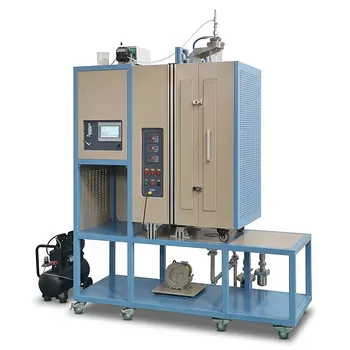
1500C Three Zone Vertical Pyrolysis Furnace for Nanoparticle Synthesis and Advanced Oxide Coating
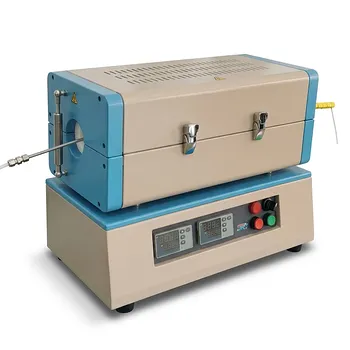
Gas Pre-Heating Tube Furnace for High Temperature Pyrolysis Reactors and Material Science Research
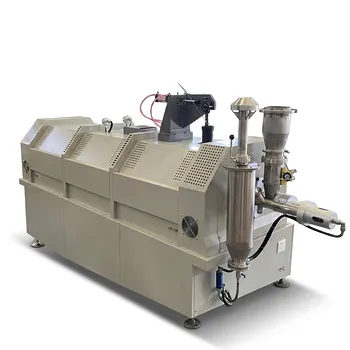
Electric Rotary Kiln Continuous Working Small Rotary Furnace Heating Pyrolysis Plant
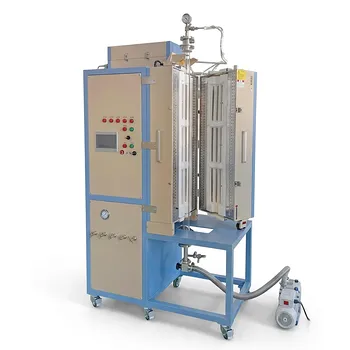
1200C Three Zone Vertical Fixed Fluidized Bed Furnace for Methane Reforming and Fischer Tropsch Reactions
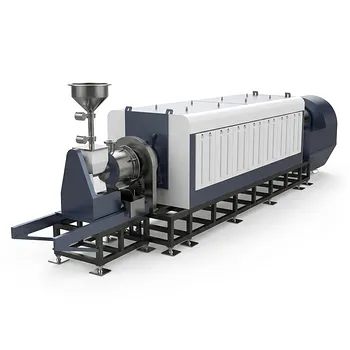
Electric Rotary Kiln Small Rotary Furnace Biomass Pyrolysis Plant
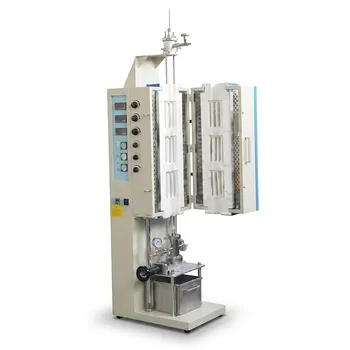
High Temperature Dual Zone Tube Furnace for Material Science Research and Professional Thermal Processing
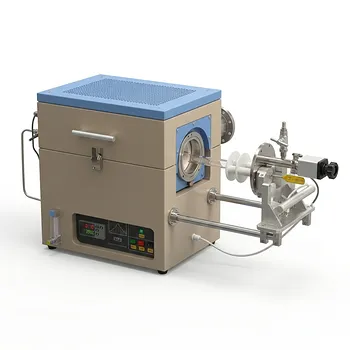
Compact Atmosphere Controlled Rapid Thermal Processing RTP Furnace with 4 Inch ID Quartz Tube 1100C
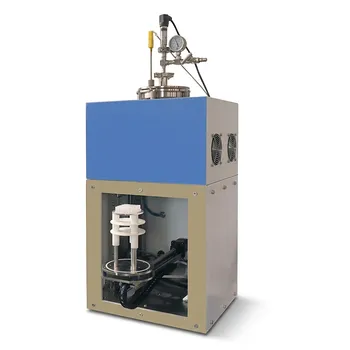
Rapid Thermal Processing RTP Atmosphere Controlled Bottom Loading Furnace 1100C High Throughput 50C per Second Heating Rate
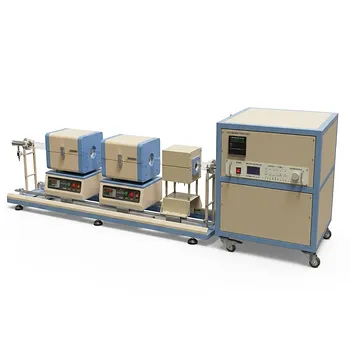
1200C Dual Sliding Tube Furnace with Dual Tubes and Flanges for PECVD Processes
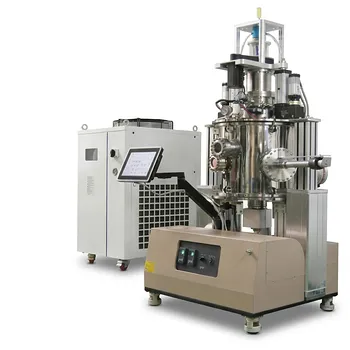
950C Rapid Thermal Processing Furnace for 12 Inch Wafer CSS Coating with Rotating Substrate Holder
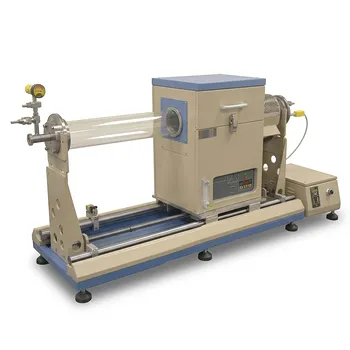
Rapid Thermal Processing Sliding Tube Furnace with 4 Inch OD Quartz Tube and 900C IR Heating
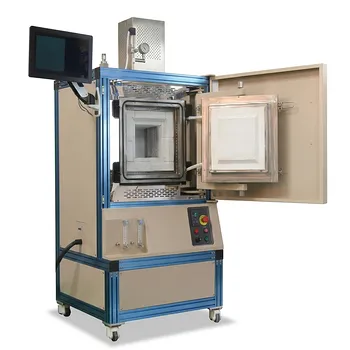
High Temperature Hydrogen Atmosphere Box Furnace 1650C Max Reducing Environment Material Synthesis System 8x8x8 Chamber

High Temperature 1700C Vertical Tube Furnace for Powder Spherification and Material Sintering
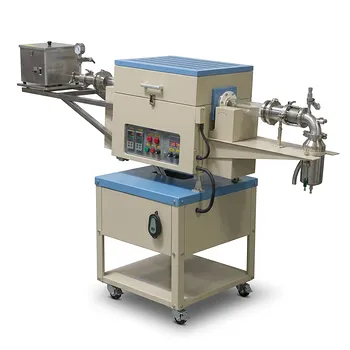
Two Zone Rotary CVD Furnace with Automatic Feeding and Receiving System for Powder Processing
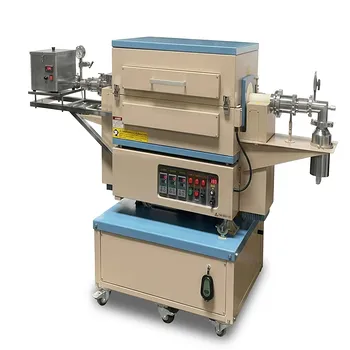
1500C 3-Zone Rotary Tube Furnace 60mm with Automatic Powder Feeding and Receiving System for Continuous Material Synthesis
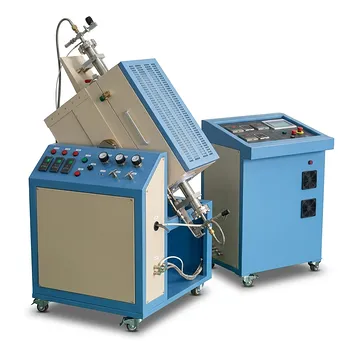
1100C High Pressure Rocking Tube Furnace with 2 Inch Super Alloy Processing Tube for Material Synthesis
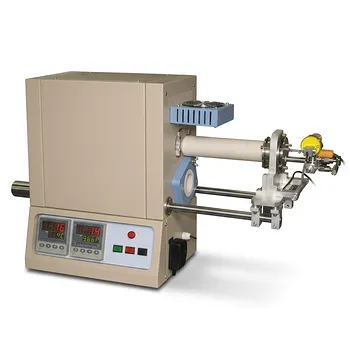
High Temperature Tube Furnace 1500C with Sliding Flanges and 50mm OD for Rapid Thermal Processing Fast Heating and Cooling
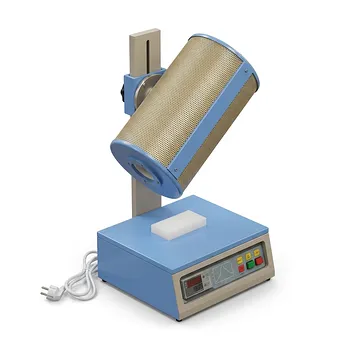
1100°C Vertical Laboratory Furnace for DIY Tubular Reactors with PID Temperature Controller
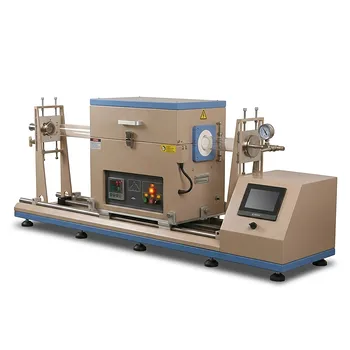
1200C Sliding Tube Furnace for Rapid Thermal Processing and CVD Graphene Growth with 100mm OD Capacity