How does a tube furnace facilitate the conversion of Bi-MOFs into Bi@C? Optimize Pyrolysis & In-situ Reduction
Updated 3 months ago
A tube furnace facilitates the conversion of Bismuth-based Metal-Organic Frameworks (Bi-MOFs) into Bismuth-Carbon (Bi@C) composites by providing a strictly controlled, high-temperature environment under an inert atmosphere. This setup enables the simultaneous pyrolysis of organic ligands into a conductive carbon framework and the in-situ reduction of bismuth ions into elemental bismuth nanoparticles. The precise atmosphere control prevents the metallic bismuth and the resulting carbon matrix from oxidizing at high temperatures.
Core Takeaway: The tube furnace serves as a specialized chemical reactor that uses controlled heat and inert gas (like Argon) to transform the molecular structure of Bi-MOFs into a stable, high-performance Bi@C composite by preventing oxidative loss and ensuring uniform metal distribution.
The Mechanism of In-Situ Conversion
Thermal Pyrolysis of Organic Ligands
The tube furnace provides the thermal energy necessary to break the chemical bonds within the MOF’s organic linkers. As temperatures rise—often to ranges between 600°C and 800°C—these ligands undergo dehydrogenation and carbonization. This process transforms the organic components into a porous, conductive carbon framework that serves as a protective and conductive matrix for the metal.
Chemical Reduction of Bismuth Ions
During the heating process, the bismuth ions within the MOF structure are reduced to elemental bismuth nanoparticles. Because the bismuth is distributed at the molecular level within the MOF precursor, the resulting nanoparticles remain uniformly dispersed throughout the carbon matrix. This prevents the aggregation of metal particles, which is vital for the material’s performance in applications like battery anodes.
Creating Specific Topological Defects
Advanced tube furnaces allow for precise linear heating, which facilitates the stripping of specific atoms to generate topological edge defects. These defects can enhance the electrochemical activity of the Bi@C composite. The high temperature uniformity within the furnace tube ensures that these micro-nano structures are consistent throughout the entire batch of material.
The Critical Role of Atmosphere Control
Prevention of Oxidative Degradation
The introduction of high-purity argon or nitrogen is the most critical factor in this synthesis. Without this inert shield, the bismuth nanoparticles would immediately oxidize back into bismuth oxide, and the carbon framework would undergo oxidative loss (combustion). The furnace maintains an oxygen-free environment, ensuring the phase purity of the final Bi@C product.
Facilitating Nitrogen Doping
If the organic ligands in the Bi-MOF contain nitrogen, the tube furnace facilitates nitrogen-doped carbonization. The controlled environment allows nitrogen atoms to be incorporated into the carbon lattice during pyrolysis. This doping improves the electronic conductivity and chemical stability of the resulting composite.
Multi-Stage Heating and PID Control
Modern tube furnaces utilize PID control systems to execute multi-stage heating programs. By stabilizing at lower temperatures before reaching the final carbonization peak, the furnace prevents thermal overshoot. This deliberate heating profile is essential for the self-assembly of stable three-dimensional carbon structures.
Understanding the Trade-offs and Pitfalls
Temperature Sensitivity and Sintering
While high temperatures are required for carbonization, exceeding the optimal threshold can lead to metal sintering. If the furnace is too hot, the bismuth nanoparticles may melt and coalesce into larger chunks, reducing the surface area and the effectiveness of the composite.
Gas Flow Dynamics
The rate of inert gas flow is a critical but often overlooked variable. If the flow rate is too low, volatile byproducts from the ligand pyrolysis may not be efficiently removed, potentially contaminating the carbon framework. Conversely, excessively high flow rates can cause temperature fluctuations within the tube, leading to non-uniform material quality.
Precursor Purity and Contamination
The tube furnace cannot "clean" a poor precursor; any impurities in the initial Bi-MOF will be concentrated in the final Bi@C composite. Furthermore, if the furnace tube itself is not properly cleaned of residues from previous runs, cross-contamination can occur, altering the catalytic or electrochemical properties of the bismuth.
How to Apply This to Your Project
Choosing the Right Parameters for Your Goal
To achieve the best results with Bi-MOF conversion, your furnace settings must align with your specific material requirements.
- If your primary focus is Maximum Conductivity: Prioritize higher carbonization temperatures (near 800°C) and ensure a nitrogen-rich precursor to facilitate a more graphitic, nitrogen-doped carbon framework.
- If your primary focus is Smallest Particle Size: Use a lower-end temperature (around 600°C) with a very slow linear heating rate to prevent bismuth nanoparticles from migrating and merging.
- If your primary focus is Material Yield: Ensure a strictly airtight seal and a continuous, monitored flow of high-purity argon to prevent any oxidative loss of the carbon matrix.
The synergy between precise thermal programs and a rigorously controlled atmosphere is what transforms a simple MOF into a sophisticated Bi@C composite.
Summary Table:
| Process Component | Furnace Function | Impact on Bi@C Composite |
|---|---|---|
| Organic Pyrolysis | Controlled heating (600-800°C) | Creates a porous, conductive carbon framework |
| In-situ Reduction | Molecular-level thermal energy | Ensures uniform dispersion of Bi nanoparticles |
| Atmosphere Control | High-purity Ar/N2 flow | Prevents oxidation and enables nitrogen doping |
| PID Control | Multi-stage heating profiles | Prevents metal sintering and ensures phase purity |
Elevate Your Material Research with THERMUNITS
Precise thermal processing is the bridge between a precursor and a high-performance composite. THERMUNITS is a leading manufacturer of high-temperature laboratory equipment, providing the exact atmosphere control and temperature uniformity needed for Bi-MOF conversion.
Our comprehensive range of thermal solutions—including Atmosphere Tube Furnaces, Vacuum Furnaces, CVD/PECVD systems, and Rotary Kilns—is engineered to help industrial R&D and material science experts achieve superior results.
Ready to optimize your synthesis process? Contact our technical team today to find the ideal furnace for your laboratory’s specific requirements.
References
- Xiaoqing Dong, Chaolin Li. Bismuth Nanoparticles Encapsulated in a Porous Carbon Skeleton as Stable Chloride-Storage Electrodes for Seawater Desalination. DOI: 10.3390/batteries10010035
Mentioned Products
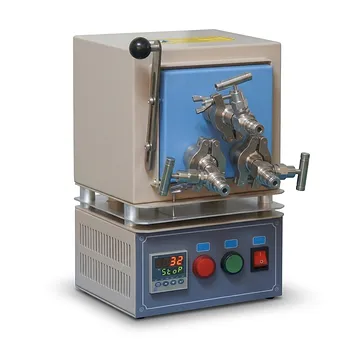
- Compact Vertical Split Quartz Tube Furnace with Stainless Steel Vacuum Flanges for Rapid Thermal Quenching and Controlled Atmosphere Material Processing
- Compact Hybrid Muffle and Tube Furnace for 1000C Controlled Atmosphere Laboratory Material Sintering
- 1200C Hybrid Muffle and Tube Furnace for Material Research with Dual Atmosphere Control Quartz Tubes
- 1700C Compact Hybrid Furnace with Dual Layer Box Sintering and Controlled Atmosphere Alumina Tubes
- 1200°C Atmosphere Controlled Automatic Bottom Loading Furnace with 6 Inch Quartz Tube
People Also Ask
- Why integrate a vertical split tube furnace with hydraulic loading for HSECC? Essential for In-Situ Fire Simulation.
- What is the role of a split vertical tube furnace during flash sintering of 8YSZ and 20SDC? Master Ultra-Fast R&D
- What is the primary engineering purpose for using a customized ventilation hood when operating a split tube furnace? RCF Safety
- Why is a quartz tube furnace necessary for phosphorus-doped MoS2/GO preparation? Ensure Purity & Precise Synthesis
- What is the primary function of a Quartz Tube Furnace in ZnO VLS growth? Master High-Precision Nanowire Synthesis

Tech Team · ThermUnits
Last updated on Jun 02, 2026
Related Products

Compact Vertical Split Quartz Tube Furnace with Stainless Steel Vacuum Flanges for Rapid Thermal Quenching and Controlled Atmosphere Material Processing
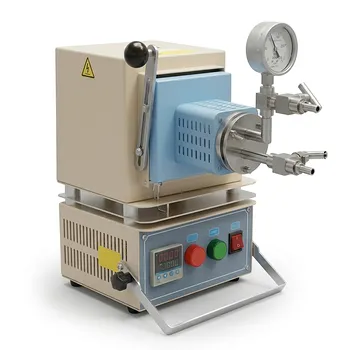
Compact Hybrid Muffle and Tube Furnace for 1000C Controlled Atmosphere Laboratory Material Sintering
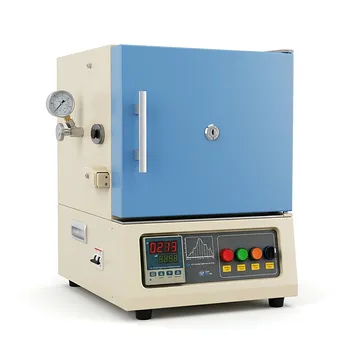
1200C Hybrid Muffle and Tube Furnace for Material Research with Dual Atmosphere Control Quartz Tubes
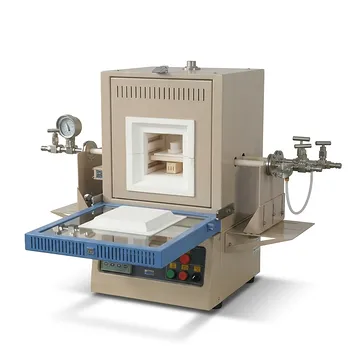
1700C Compact Hybrid Furnace with Dual Layer Box Sintering and Controlled Atmosphere Alumina Tubes
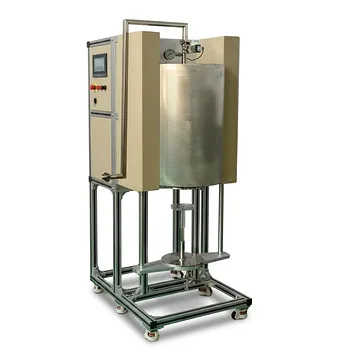
1200°C Atmosphere Controlled Automatic Bottom Loading Furnace with 6 Inch Quartz Tube
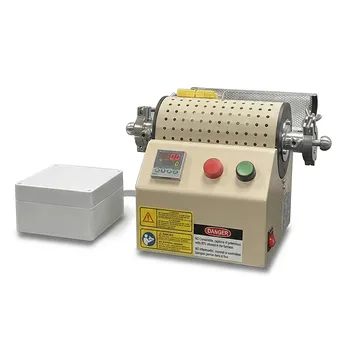
1000C Mini Tube Furnace with 20mm Quartz Tube and Vacuum Flanges for Material Science Research and Controlled Atmosphere Small Sample Processing
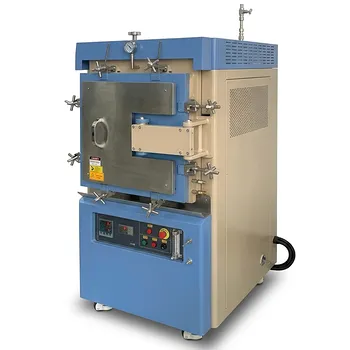
Atmosphere Controlled Muffle Furnace 1700C Maximum Temperature 80L High Capacity Vacuum Inert Gas Box Furnace
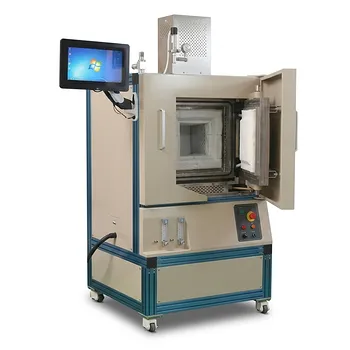
High Temperature Oxygen and Inert Atmosphere Controlled Furnace 8 Liter 1700C Sintering System for Advanced Materials RD
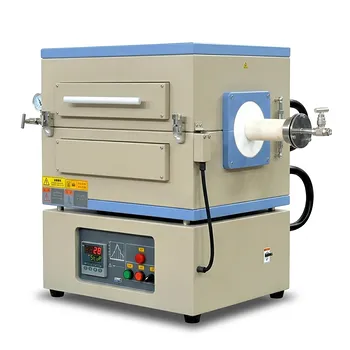
1500°C Split Tube Furnace with Alumina Tube and Vacuum Sealing Flanges for Material Research
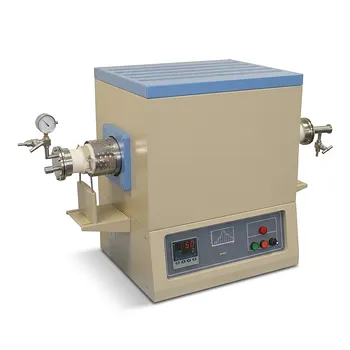
1700C High Temperature Alumina Tube Furnace with 18 Inch Heated Zone and Vacuum Sealing Flanges
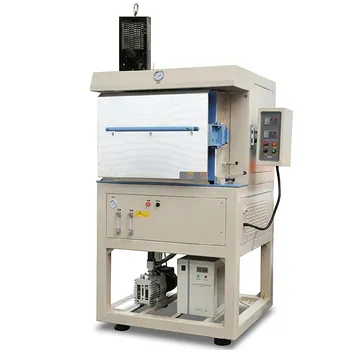
1200C Hydrogen Atmosphere Box Furnace with 5 Heated Sides and 64L Chamber
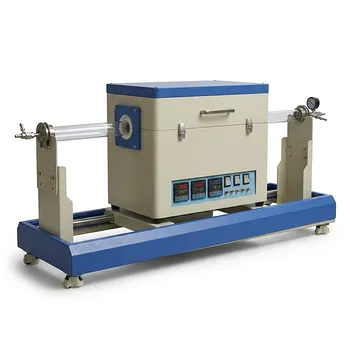
Double Temperature Zone Double Cover Tube Furnace for High Temperature CVD and Vacuum Annealing
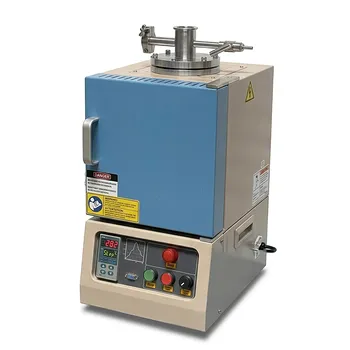
High Temperature Hybrid Muffle and Tube Furnace with Vacuum Capability and PID Control

Vertical 1700C Vacuum and Atmosphere Tube Furnace with 80mm Alumina Tube
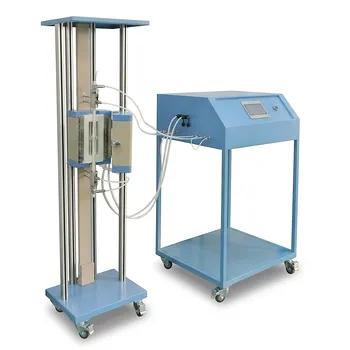
High Temperature Vertical Tube Furnace for Small Solid Oxide Fuel Cell Testing with Four Channel Gas Control
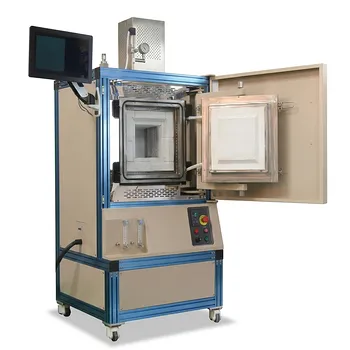
High Temperature Hydrogen Atmosphere Box Furnace 1650C Max Reducing Environment Material Synthesis System 8x8x8 Chamber

High Temperature 1700C Vertical Tube Furnace for Powder Spherification and Material Sintering

High Temperature 1700C Tube Furnace with High Vacuum Turbomolecular Pump System and Multi Channel Mass Flow Controller Gas Mixer
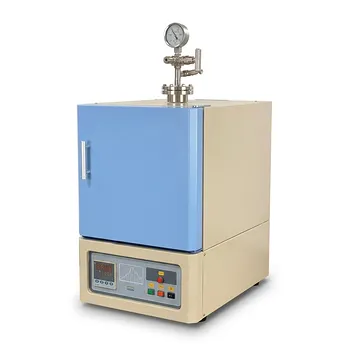
Hybrid High Temperature Muffle and Tube Furnace with 1500C Capability and Vacuum Flange Assembly