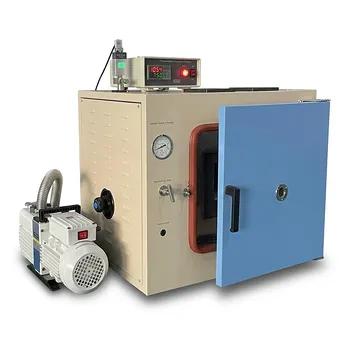
How does a vacuum or atmosphere sintering furnace contribute to the congener-welding process of carbon nitride membranes?
Updated 5 months ago
A vacuum or atmosphere sintering furnace serves as the critical catalyst for congener-welding by providing the precise thermal energy and environmental control necessary to reorganize carbon nitride at a molecular level. This process triggers the formation of robust covalent bonds between individual nanoparticles, effectively merging them into a single, seamless monolithic structure.
The furnace transforms discrete carbon nitride components into a high-performance membrane by facilitating microstructural reorganization and eliminating macroscopic defects through controlled heating. It essentially bridges the gap between individual particles to create a structurally stable, defect-free separation layer.
The Mechanism of Microstructural Reorganization
Facilitating Covalent Bond Formation
The primary contribution of the sintering furnace is the delivery of uniform high-temperature heat, which provides the kinetic energy required for atoms to rearrange. At the membrane interface, this energy triggers solid-state diffusion, where atoms move across particle boundaries to establish new chemical connections.
This reorganization results in the creation of strong covalent bonds between congener nanoparticles. These bonds are the foundation of the membrane's structural integrity, ensuring it can withstand the mechanical stresses of industrial separation processes.
Eliminating Macroscopic Defects
Without the controlled environment of a sintering furnace, carbon nitride membranes often suffer from pinholes or boundary gaps between particles. The furnace promotes a "welding" effect that fills these voids as the material reorganizes into a denser configuration.
By closing these gaps, the furnace ensures the transition from a collection of particles to a monolithic membrane. This seamless connectivity is essential for achieving high selectivity in filtration, as it prevents unfiltered substances from bypassing the functional pores.
The Role of Atmospheric Control
Preventing Oxidation and Degradation
Operating in a vacuum or an inert atmosphere (such as high-purity argon) is vital to protect the chemical integrity of the carbon nitride. In an oxygen-rich environment, high temperatures would cause the material to oxidize, destroying the carbon skeleton and altering its chemical properties.
By evacuating the chamber, the furnace isolates the material from reactive gases. This ensures that the final membrane maintains its intended chemical stoichiometric ratio and specialized separation capabilities.
Removal of Gaseous Byproducts
During the sintering process, organic precursors may release gaseous byproducts as they decompose and reorganize. A vacuum furnace actively removes these gases from the heating chamber, preventing them from becoming trapped within the membrane structure.
If these gases were not removed, they could create internal pressure and lattice distortions. Effective gas evacuation promotes better lattice ordering, which contributes to the overall stability and performance of the separation layer.
Understanding the Trade-offs
Temperature Precision vs. Structural Integrity
While high temperatures are necessary for welding, exceeding the optimal thermal window can lead to over-sintering. This can cause the collapse of the membrane's internal pore structure, significantly reducing its permeability and effectiveness.
Atmosphere Purity and Cost
Maintaining a high-vacuum environment or using noble gases like argon increases operational costs and complexity. However, an insufficient vacuum can lead to residual oxygen, which causes surface defects and weakens the covalent bonding between nanoparticles.
Making the Right Choice for Your Goal
To maximize the effectiveness of the congener-welding process, the furnace parameters must be aligned with the specific requirements of the carbon nitride precursor.
- If your primary focus is mechanical durability: Prioritize a furnace with high thermal uniformity to ensure that covalent bonding occurs evenly across the entire membrane surface.
- If your primary focus is chemical purity: Opt for a high-vacuum furnace configuration that offers maximum protection against oxidation and effective removal of volatile byproducts.
- If your primary focus is high-flux permeability: Carefully calibrate the sintering temperature to trigger welding without causing the collapse of the membrane's functional micropores.
The sintering furnace is the defining tool that converts raw carbon nitride into a functional, monolithic technology by mastering the balance between energy input and environmental purity.
Summary Table:
| Feature | Impact on Membrane | Purpose |
|---|---|---|
| Uniform Heat | Solid-state diffusion | Triggers covalent bond formation between nanoparticles |
| Vacuum/Inert Gas | Prevents oxidation | Protects the carbon skeleton and chemical stoichiometry |
| Gas Evacuation | Removes byproducts | Eliminates lattice distortions and internal pressure |
| Controlled Sintering | Defect elimination | Closes pinholes to create a seamless monolithic structure |
Elevate Your Material Research with THERMUNITS
At THERMUNITS, we understand that the success of congener-welding processes depends on extreme thermal precision. As a leading manufacturer of high-temperature laboratory equipment, we provide advanced Vacuum and Atmosphere Furnaces designed specifically for material science and industrial R&D.
Whether you are developing carbon nitride membranes or advanced ceramics, our comprehensive range—including Tube, Muffle, Rotary, CVD/PECVD, and Hot Press furnaces—ensures superior lattice ordering and defect-free results.
Our Value to Your Laboratory:
- Precision Control: Achieve the exact thermal window to facilitate welding without causing pore collapse.
- Atmospheric Purity: Superior vacuum configurations to prevent oxidation and protect chemical integrity.
- Expert Solutions: Custom heat treatment equipment for specialized needs, including dental furnaces, electric rotary kilns, and vacuum induction melting (VIM).
Ready to optimize your membrane performance and achieve seamless monolithic structures? Contact our technical experts today!
References
- Yuanyuan Zhang, Lei Jiang. Congener-welded crystalline carbon nitride membrane for robust and highly selective Li/Mg separation. DOI: 10.1126/sciadv.adm9620
Mentioned Products
- High Vacuum Pressure Chamber Furnace 800C 3.5 Bar Sintering System for Superconducting Materials
- High Temperature 1000C Vacuum Furnace with 8 Inch ID Chamber for Material Sintering and Research Annealing
- Industrial High Temperature Vacuum Hot Press Furnace and Heated Vacuum Press Machine for Material Science Sintering
- Vacuum Dental Porcelain Sintering Furnace for High Precision Ceramic Restorations
- Industrial Vacuum Hot Press Furnace Machine and High Temperature Heated Vacuum Press for Advanced Material Sintering
People Also Ask
- What Role Does a Vacuum Sintering Furnace Play in Ni-Mn-Ga Alloy Fabrication? Optimizing Porous Structures
- Why must MoS2 samples undergo high vacuum dehydration? Key to a-IGZO Heterojunction Stability
- How does vacuum hot pressing improve the quality of sputtering targets? Achieve High Density & Purity for Thin-Films
- What role does a high-vacuum tube sintering furnace play in NAB composites? Enhance Density and Phase Control.
- What are the advantages of vacuum sintering in powder metallurgy? Achieve Superior Purity and Near-Theoretical Density

Tech Team · ThermUnits
Last updated on Apr 14, 2026
Related Products
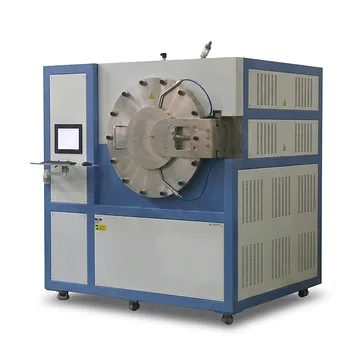
High Vacuum Pressure Chamber Furnace 800C 3.5 Bar Sintering System for Superconducting Materials
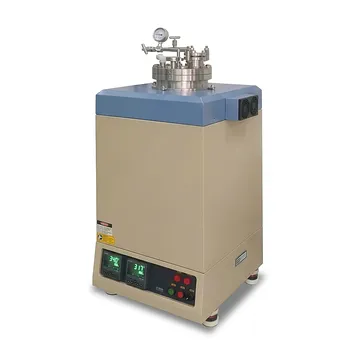
High Temperature 1000C Vacuum Furnace with 8 Inch ID Chamber for Material Sintering and Research Annealing
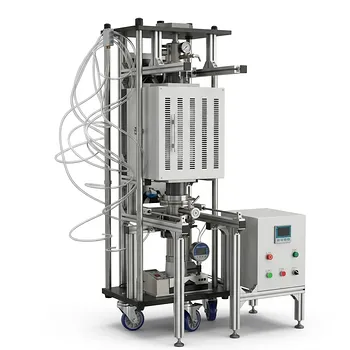
Industrial High Temperature Vacuum Hot Press Furnace and Heated Vacuum Press Machine for Material Science Sintering
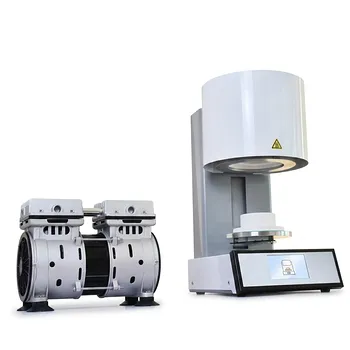
Vacuum Dental Porcelain Sintering Furnace for High Precision Ceramic Restorations
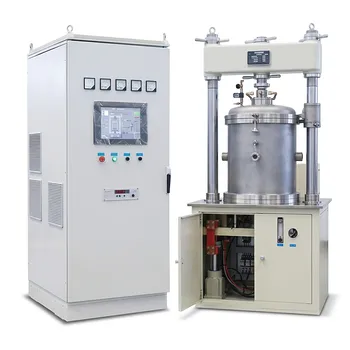
Industrial Vacuum Hot Press Furnace Machine and High Temperature Heated Vacuum Press for Advanced Material Sintering
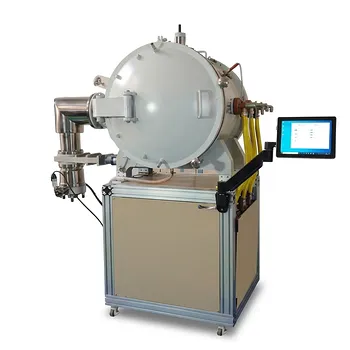
High Temperature Cold Wall Vacuum Furnace for Advanced Material Sintering and Annealing 1600C Heating Area 200x200x300mm
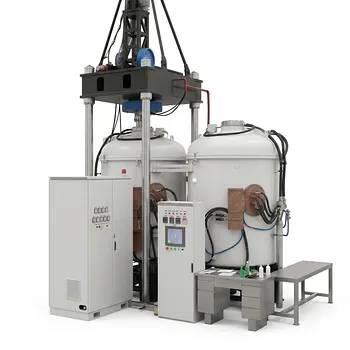
High Pressure 600T Vacuum Induction Hot Press Furnace for Advanced Material Heat Treatment and Sintering
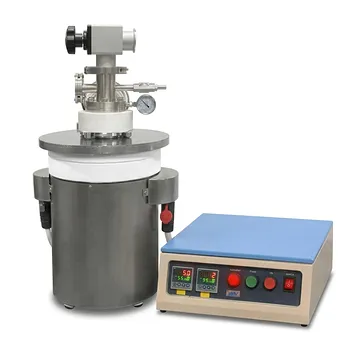
1100C High Temperature Vacuum Crucible Furnace with Quartz Chamber for Thermal Processing and Sintering
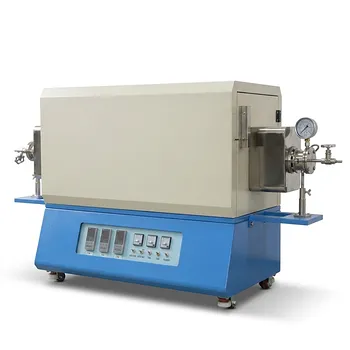
Three Temperature Zone High Temperature Vacuum Tube Furnace for CVD and Material Sintering
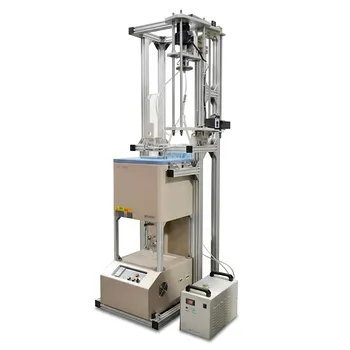
500C Vacuum Vertical Tube Furnace 84mm OD Sample Rotation Lifting System

Compact High Temperature 1600C Tube Furnace with 50mm Alumina Tube and Vacuum Flanges for Material Sintering

High Temperature 1700C Vertical Tube Furnace for Powder Spherification and Material Sintering
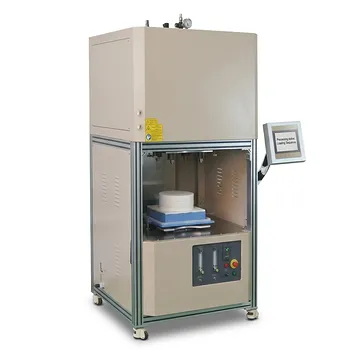
High Temperature Vertical Atmosphere Controlled Furnace with Automatic Bottom Loading and 1700°C Capacity for Advanced Material Research
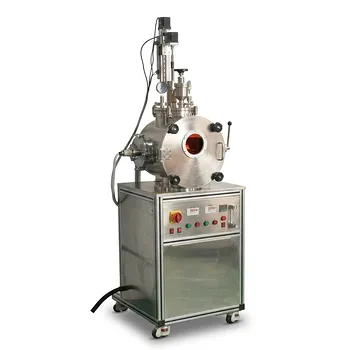
High Vacuum Melting Casting Furnace with Mechanical Stirring and Secondary Charge for Metallic Alloy Research
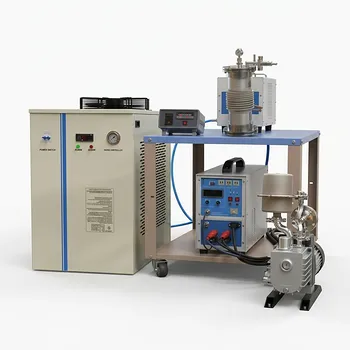
Induction Heating System with Temperature Control for High Temperature Vacuum Sintering and Melting
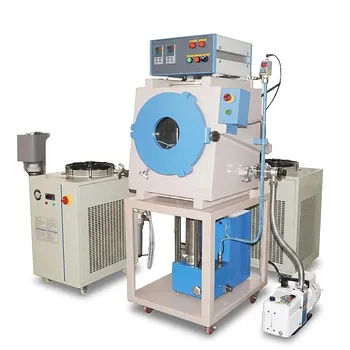
High Temperature Vacuum Lamination Hot Press Furnace Machine for Semiconductor Wafer Bonding and Advanced Composite Thermal Processing
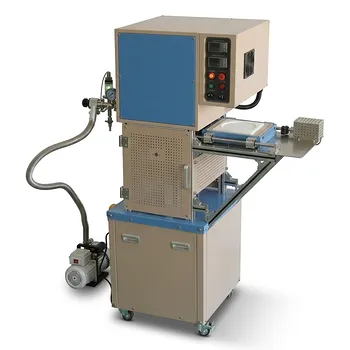
1200°C Bottom Loading Vacuum Furnace with Rapid Gas Cooling and 8.6 Inch Diameter Quartz Chamber
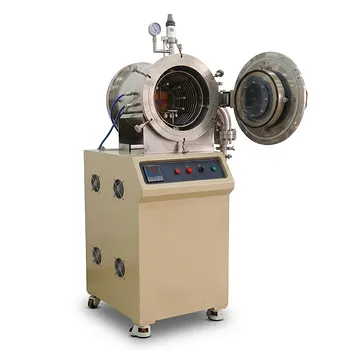
High Temperature Cold Wall High Vacuum Chamber Furnace 1400C for Advanced Material Processing
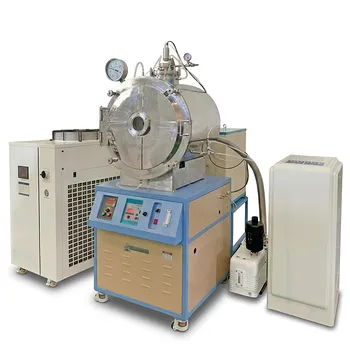
Ultra High Temperature Induction Heated Vacuum Furnace with Molten Salt Electrolysis Capability and 3000 Degree Precision Control