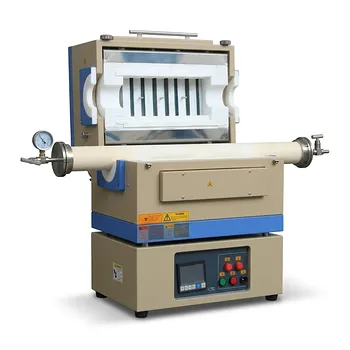
How does a vertical single-zone tube furnace facilitate PdSe2 growth? Mastering the Bridgman Method for Bulk Crystals
Updated 3 months ago
The vertical single-zone tube furnace facilitates PdSe2 crystal growth by providing a stable environment for the Bridgman growth method. This process relies on a quartz ampoule containing high-purity raw materials that is suspended and then mechanically lowered through the furnace’s natural thermal gradient. By moving the melt at a precise, ultra-slow rate—typically 1 mm/h—the system forces directional solidification, resulting in bulk single crystals with high structural integrity and minimal impurities.
Core Takeaway: A vertical single-zone furnace utilizes a combination of a natural internal thermal gradient and precise mechanical movement to transform a molten mixture into a high-quality PdSe2 single crystal through directional solidification.
The Mechanics of Directional Solidification
Utilizing the Natural Thermal Gradient
Even in a single-zone furnace, the temperature is not perfectly uniform; it is hottest at the center and cooler toward the openings. This natural thermal gradient is the primary driver of the crystallization process. As the material moves from the hot zone to the cooler zone, it passes through the precise temperature threshold required for solidification.
The Precision of Mechanical Lowering
The hallmark of this method is the controlled descent of the quartz ampoule. Lowering the sample at a rate of approximately 1 mm/h ensures that the liquid-to-solid interface moves slowly and steadily. This prevents the formation of multiple "grains," allowing a single, continuous crystal lattice to form.
Ensuring Structural Integrity
By maintaining a vertical orientation, the furnace allows gravity to help stabilize the melt within the ampoule. This setup reduces the likelihood of structural defects. The result is a PdSe2 bulk crystal that exhibits high crystallinity and a low concentration of internal flaws.
Why the Single-Zone Vertical Setup is Preferred
Simplicity and Thermal Stability
Unlike dual-zone systems used for vapor transport, a single-zone furnace offers a highly stable and predictable thermal field for melt-growth. Because the growth is driven by the physical movement of the sample rather than complex gas-phase thermodynamics, it is easier to maintain consistent growth conditions over long periods.
Minimizing Impurity Contamination
The use of a sealed quartz ampoule within the furnace protected from the outside environment ensures that the PdSe2 remains pure. Since the material remains in a condensed state (melted or solid) rather than being transported as a vapor, there is less risk of unwanted chemical reactions with the container walls or carrier gases.
Understanding the Trade-offs
Mechanical Complexity vs. Thermal Complexity
The Bridgman method used in single-zone furnaces requires a high-quality mechanical pulling or lowering mechanism. If this mechanism vibrates or moves inconsistently, it will introduce defects into the crystal. While the thermal setup is simpler than a dual-zone furnace, the mechanical requirements are much more stringent.
Growth Speed Limitations
The growth of PdSe2 via this method is exceptionally slow. Because the ampoule moves at only 1 mm/h, producing a reasonably sized crystal can take several days or even weeks. Attempting to speed up this process usually results in "polycrystalline" growth, where the material is composed of many small crystals rather than one single large crystal.
How to Apply This to Your Research Goals
Making the Right Choice for Your Goal
Choosing the right furnace configuration depends entirely on the desired dimensions and properties of your final crystal.
- If your primary focus is high structural purity: Use the vertical single-zone Bridgman method to ensure slow, directional solidification of the melt.
- If your primary focus is growing large, thin flakes or crystals via gas transport: Consider a dual-zone furnace to establish the precise temperature differential required for Chemical Vapor Transport (CVT).
- If your primary focus is minimizing equipment costs: A single-zone furnace is generally more cost-effective, provided you have a reliable mechanical lowering system.
By mastering the precise control of the thermal gradient and descent speed, you can reliably produce high-quality PdSe2 crystals for advanced electronic and materials science applications.
Summary Table:
| Key Feature | technical Specification / Detail | Impact on PdSe2 Growth |
|---|---|---|
| Growth Method | Vertical Bridgman Method | Ensures high-quality directional solidification |
| Lowering Rate | ~1 mm/h (Ultra-slow) | Minimizes grain boundaries and structural defects |
| Thermal Field | Natural Single-Zone Gradient | Provides a stable temperature threshold for crystallization |
| Atmosphere Control | Sealed Quartz Ampoule | Eliminates impurity contamination during the melt phase |
| Mechanical Control | Precision Lowering Mechanism | Maintains a steady liquid-to-solid interface movement |
Elevate Your Material Synthesis with THERMUNITS
Precision is the difference between a polycrystalline sample and a high-quality bulk single crystal. THERMUNITS is a leading manufacturer of high-temperature laboratory equipment, providing the stability and control required for advanced material science and industrial R&D.
From our precision Vertical Tube Furnaces optimized for Bridgman growth to specialized Vacuum, Atmosphere, CVD/PECVD, and Hot Press furnaces, we offer comprehensive thermal processing solutions. Our equipment, including Rotary kilns, VIM furnaces, and Dental furnaces, is engineered to help researchers achieve superior structural integrity and purity in every run.
Ready to optimize your PdSe2 growth or heat treatment process? Contact our technical experts today to discuss your specific requirements and discover how our advanced thermal solutions can accelerate your research.
References
- Y. Zhang, Chun Ning Lau. Quantum octets in high mobility pentagonal two-dimensional PdSe2. DOI: 10.1038/s41467-024-44972-2
Mentioned Products
- 1200°C 10-Zone Split Tube Furnace with Horizontal and Vertical Mounting for Multi-Zone Thermal Gradients and Large Diameter Material Processing
- 1100°C Dual Zone Split Vertical Tube Furnace with 4 Inch Quartz Tube and Vacuum Sealing Flanges
- Compact Vertical Split Quartz Tube Furnace with Stainless Steel Vacuum Flanges for Rapid Thermal Quenching and Controlled Atmosphere Material Processing
- Split Vertical Tube Furnace with 1200C Quartz Tube and Stainless Steel Vacuum Flanges for Rapid Thermal Processing
- 1100°C Split Vertical Tube Furnace with 80mm Quartz Tube and Stainless Steel Vacuum Flanges
People Also Ask
- What is the primary engineering purpose for using a customized ventilation hood when operating a split tube furnace? RCF Safety
- What are the technical advantages of using a multi-zone independently controlled tube furnace in the modified USP process?
- How does a split tube furnace contribute to the thermal stabilization of Clignin@H-TiO2? Achieve Structural Precision
- What are the specific advantages and use cases for a split tube furnace? Optimize Lab Efficiency & Material Research
- What are the advantages of using a split tube furnace for heating a catalytic reactor? Boost Efficiency and Precision

Tech Team · ThermUnits
Last updated on Jun 02, 2026
Related Products
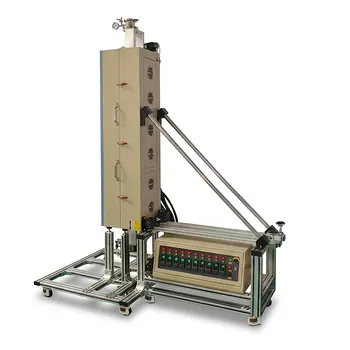
1200°C 10-Zone Split Tube Furnace with Horizontal and Vertical Mounting for Multi-Zone Thermal Gradients and Large Diameter Material Processing
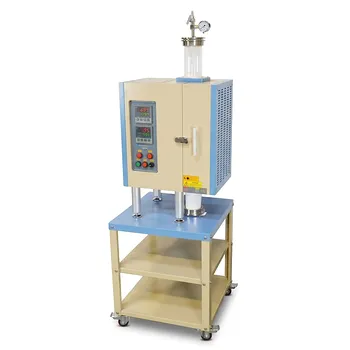
1100°C Dual Zone Split Vertical Tube Furnace with 4 Inch Quartz Tube and Vacuum Sealing Flanges

Compact Vertical Split Quartz Tube Furnace with Stainless Steel Vacuum Flanges for Rapid Thermal Quenching and Controlled Atmosphere Material Processing
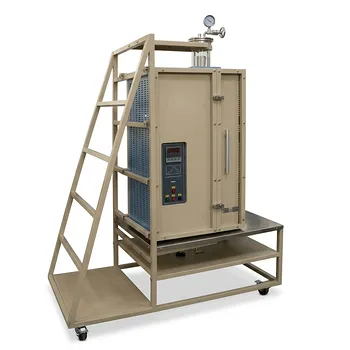
Split Vertical Tube Furnace with 1200C Quartz Tube and Stainless Steel Vacuum Flanges for Rapid Thermal Processing
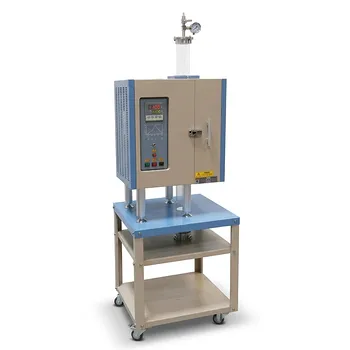
1100°C Split Vertical Tube Furnace with 80mm Quartz Tube and Stainless Steel Vacuum Flanges
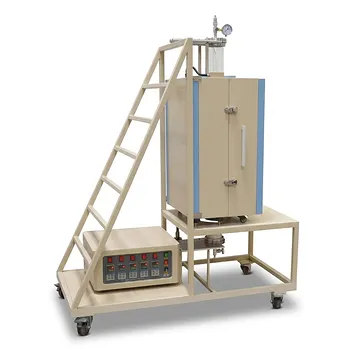
Five Zone Split Vertical Tube Furnace 1200C Max with 4 Inch Quartz Tube and Stainless Steel Vacuum Flanges
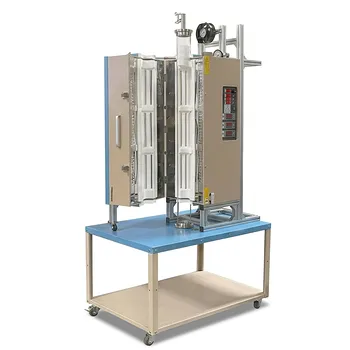
1200C Three Zone Split Vertical Tube Furnace 4 Inch Quartz Tube Stainless Steel Vacuum Flanges
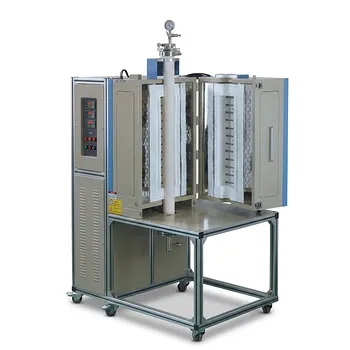
Three Zone Heating Split Vertical Tube Furnace 1700 High Temperature Vacuum Atmosphere Thermal Process System

Vertical 1700C Vacuum and Atmosphere Tube Furnace with 80mm Alumina Tube
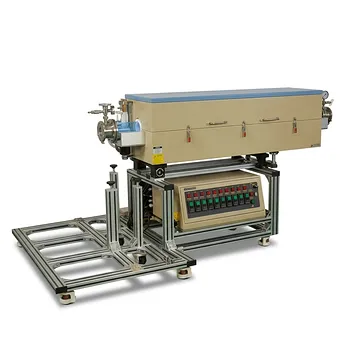
Ten Zone Multi Orientation Laboratory Tube Furnace for 1200C High Temperature Gradient Thermal Processing
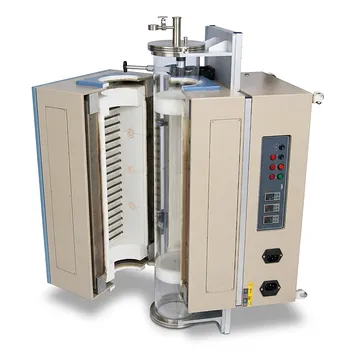
Large Vertical Three Zone Tube Furnace with 8 Inch or 11 Inch Quartz Tube and High Vacuum Flanges 1200C

1200°C 5 Inch Vertical Quartz Tube Furnace with Stainless Steel Vacuum Flanges
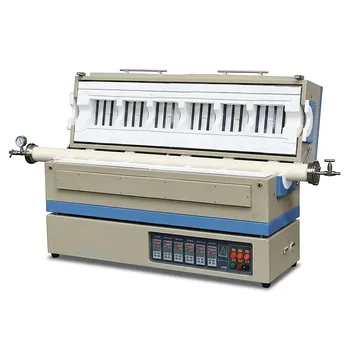
Six Zone Split Tube Furnace with Alumina Tube and Vacuum Flanges for 1500C High Temperature Thermal Processing and CVD
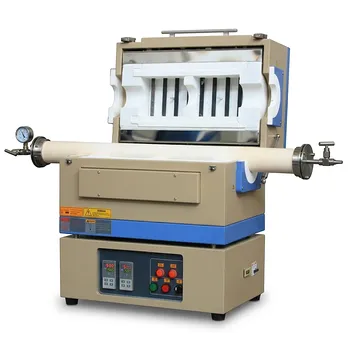
1500C Two Zone Split Tube Furnace with Vacuum Flange and 80mm Alumina Tube
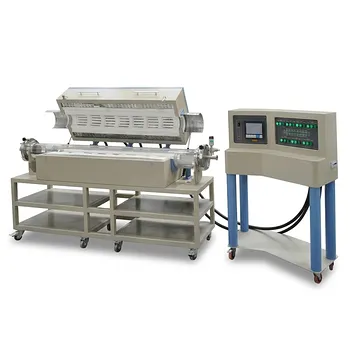
Seven Zone 1200C Split Tube Furnace with Precision Temperature Controller and Quick Flange Vacuum System

High Temperature 1700C Six Zone Split Tube Furnace with Alumina Tube and Water Cooled Flanges

Three Zone Tube Furnace with 11 Inch or 15 Inch Quartz Tube and Hinged Flanges for Vacuum Atmosphere Heat Treatment
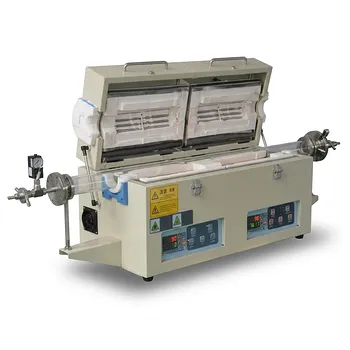
Elongated Two Temperature Zone Pipe Furnace for Industrial Heat Treatment and Material Science Research
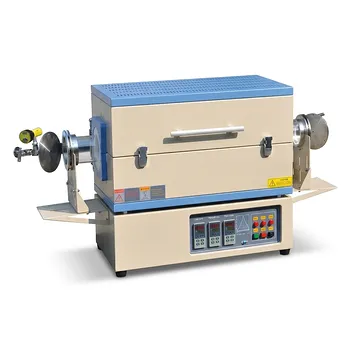
Three Zone Tube Furnace with 24 Inch Heating Length and Hinged Flange Quartz Tube System