How does an atmosphere-controlled tube furnace function in the carbonization process of cellulose nanofibers?
Updated 3 months ago
An atmosphere-controlled tube furnace acts as a precision thermal reactor that converts cellulose nanofibers into carbon structures by excluding oxygen and controlling the application of heat. This equipment facilitates pyrolysis, a process where cellulose precursors are heated to high temperatures—typically between 450°C and 1000°C—to drive off non-carbon elements. By maintaining a strictly inert environment, the furnace ensures the nanofibers transform into a conductive carbon skeleton rather than combusting into ash.
The atmosphere-controlled tube furnace is the critical enabler for carbonization, providing the oxygen-free, high-temperature environment required to thermally decompose cellulose into a stable, conductive carbon framework while preserving its nanofiber morphology.
Establishing the Thermal Environment
Facilitating High-Temperature Pyrolysis
The primary function of the furnace is to provide the necessary thermal energy to trigger pyrolysis. At temperatures often exceeding 800°C, the chemical bonds within the cellulose precursor break down, allowing for the reorganization of carbon chains.
Precise Thermal Programming
Carbonization is rarely a simple "on/off" heating process; it requires a precise heating program. The furnace control system manages specific heating rates, such as 5°C per minute, and "holding times" at peak temperatures to ensure uniform transformation throughout the material.
Multi-Stage Heating and Volatile Release
The furnace allows for multi-stage heating cycles that are essential for the gradual release of volatiles. This controlled decomposition prevents the internal pressure of escaping gases from rupturing the delicate nanofiber structure, ensuring the final carbon product retains its intended shape.
Maintaining Atmospheric Integrity
Oxygen Exclusion via Hermetic Sealing
The most critical feature of an atmosphere furnace is its hermetic sealing. By isolating the reaction chamber from the outside air, the furnace prevents oxygen from entering, which would otherwise cause the organic cellulose fibers to undergo oxidative combustion at high temperatures.
Inert Gas Circulation
To maintain this oxygen-free environment, the furnace utilizes high-purity inert gases such as Nitrogen ($N_2$) or Argon (Ar). These gases continuously purge the tube, carrying away gaseous byproducts and providing a stable chemical environment for the formation of carbon skeletons or sulfide structures.
Chemical Doping and Functionalization
In advanced applications, the furnace atmosphere can be tuned to facilitate chemical doping. By introducing specific precursors under heat, the furnace enables the creation of nitrogen-doped or sulfur-doped carbon skeletons, which significantly enhances the electrical conductivity and chemical stability of the final fibers.
Understanding Technical Trade-offs
Seal Integrity vs. Gas Consumption
While a perfectly sealed tube is the goal, maintaining high-pressure hermetic seals at 1000°C is technically demanding. Users must balance the flow rate of inert gas to ensure oxygen exclusion while managing the cost and logistics of high-purity gas consumption.
Heating Rate vs. Structural Integrity
Faster heating rates can improve throughput but often lead to the "ballooning" or destruction of the fiber morphology due to rapid gas evolution. Conversely, extremely slow heating rates preserve morphology but increase energy consumption and processing time, making the optimization of the thermal ramp a primary engineering challenge.
Material Compatibility
The choice of tube material (e.g., quartz or alumina) must be matched to the peak carbonization temperature. While quartz offers excellent visibility and purity, it can soften at temperatures approaching 1200°C, necessitating more expensive ceramic alternatives for high-intensity processing.
Optimizing Carbonization Success
How to Apply This to Your Project
To achieve the best results when carbonizing cellulose nanofibers, tailor your furnace parameters to your specific material goals.
- If your primary focus is electrical conductivity: Target higher temperatures (near 1000°C) to promote the complete reorganization of carbon into a highly conductive graphitic skeleton.
- If your primary focus is morphological retention: Utilize a slower heating rate (3°C to 5°C per minute) and include multiple "soak" periods to allow volatiles to escape without damaging the fiber structure.
- If your primary focus is chemical functionalization: Introduce specialized inert gases or dopants, such as urea for nitrogen doping, during the peak heating phase to modify the carbon's surface chemistry.
By masterfully controlling both the thermal ramp and the chemical environment, you transform a simple organic precursor into a high-performance carbon nanomaterial.
Summary Table:
| Process Component | Functional Role | Impact on Carbonization |
|---|---|---|
| Thermal Reactor | Triggers pyrolysis (450°C - 1000°C) | Breaks chemical bonds to reorganize carbon chains. |
| Inert Atmosphere | Circulation of $N_2$ or Argon gas | Prevents oxidative combustion and removes volatile byproducts. |
| Hermetic Sealing | Isolates chamber from oxygen | Ensures fibers transform into a carbon skeleton rather than ash. |
| Thermal Program | Precise ramp rates and soak times | Preserves nanofiber morphology while maximizing conductivity. |
Elevate Your Carbon Research with THERMUNITS
Are you looking to optimize the carbonization of your nanomaterials? As a global leader in high-temperature laboratory equipment, THERMUNITS provides the precision and atmospheric control necessary for advanced material science and industrial R&D.
Our comprehensive range of thermal processing solutions includes:
- Precision Tube & Atmosphere Furnaces (Ideal for CNF carbonization)
- CVD/PECVD Systems for advanced thin-film deposition
- Vacuum, Muffle, and Rotary Furnaces for diverse heat treatments
- Hot Press & Vacuum Induction Melting (VIM) Furnaces for specialty alloys
Whether you are scaling up production or refining laboratory prototypes, our expert team is ready to provide the high-performance equipment you need.
Contact THERMUNITS Today to Discuss Your Project
References
- Anran Li, Lei Qian. Ultralight Cellulose-Derived Carbon Nanofibers from Freeze-Drying Emulsion Towards Superior Microwave Absorption. DOI: 10.3390/inorganics12110272
Mentioned Products
- 1200°C Atmosphere Controlled Automatic Bottom Loading Furnace with 6 Inch Quartz Tube
- Compact Hybrid Muffle and Tube Furnace for 1000C Controlled Atmosphere Laboratory Material Sintering
- Compact Vertical Split Quartz Tube Furnace with Stainless Steel Vacuum Flanges for Rapid Thermal Quenching and Controlled Atmosphere Material Processing
- 1700C Compact Hybrid Furnace with Dual Layer Box Sintering and Controlled Atmosphere Alumina Tubes
- 1500°C Split Tube Furnace with Alumina Tube and Vacuum Sealing Flanges for Material Research
People Also Ask
- Why is a tube furnace required for FGM-PhG structural color ceramics? Key to Carbon Preservation & Vibrant Color
- Why is an atmosphere-controlled tube furnace required for the pre-sulfidation of NiMo/gamma-Al2O3 catalysts?
- Why is an atmosphere-controlled tube furnace required for 800 °C CNF annealing? Essential for Oxidative Protection.
- Why is an atmosphere-controlled tube furnace required for [email protected]/C preparation? Key for Purity & Structure
- Why is an atmosphere-controlled tube furnace required for single-atom sensor calcination? Ensure Atomic Dispersion.

Tech Team · ThermUnits
Last updated on Jun 02, 2026
Related Products
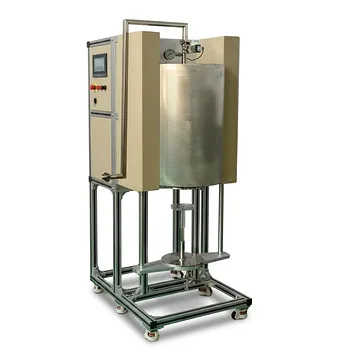
1200°C Atmosphere Controlled Automatic Bottom Loading Furnace with 6 Inch Quartz Tube
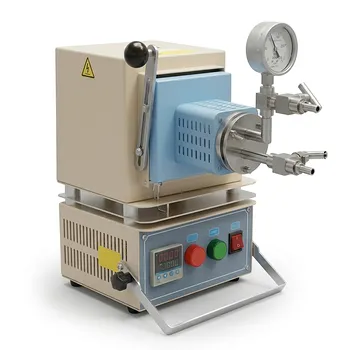
Compact Hybrid Muffle and Tube Furnace for 1000C Controlled Atmosphere Laboratory Material Sintering

Compact Vertical Split Quartz Tube Furnace with Stainless Steel Vacuum Flanges for Rapid Thermal Quenching and Controlled Atmosphere Material Processing
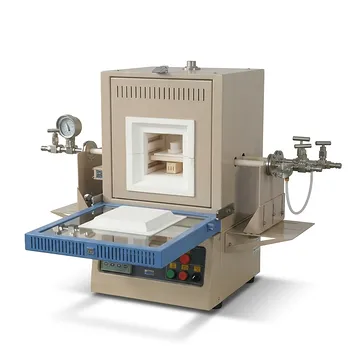
1700C Compact Hybrid Furnace with Dual Layer Box Sintering and Controlled Atmosphere Alumina Tubes
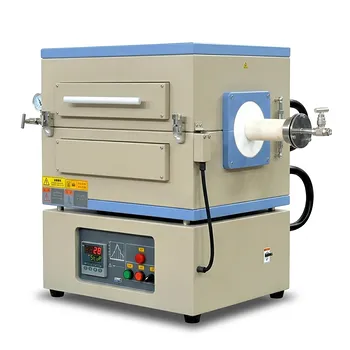
1500°C Split Tube Furnace with Alumina Tube and Vacuum Sealing Flanges for Material Research
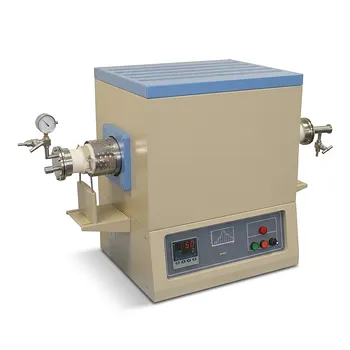
1700C High Temperature Alumina Tube Furnace with 18 Inch Heated Zone and Vacuum Sealing Flanges
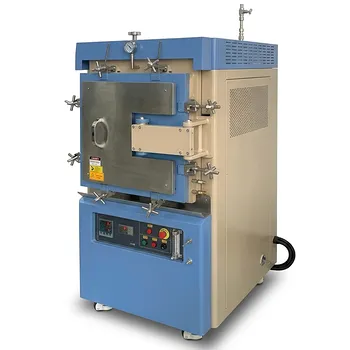
Atmosphere Controlled Muffle Furnace 1700C Maximum Temperature 80L High Capacity Vacuum Inert Gas Box Furnace

Vertical 1700C Vacuum and Atmosphere Tube Furnace with 80mm Alumina Tube
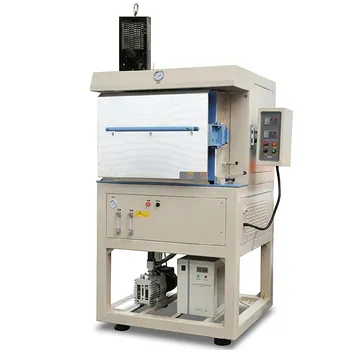
1200C Hydrogen Atmosphere Box Furnace with 5 Heated Sides and 64L Chamber
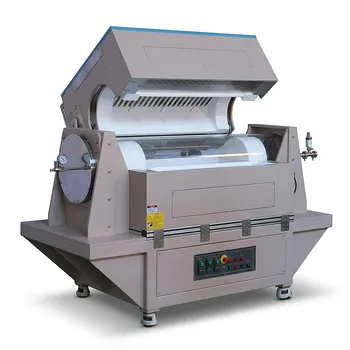
Three Zone Tube Furnace with 11 Inch or 15 Inch Quartz Tube and Hinged Flanges for Vacuum Atmosphere Heat Treatment
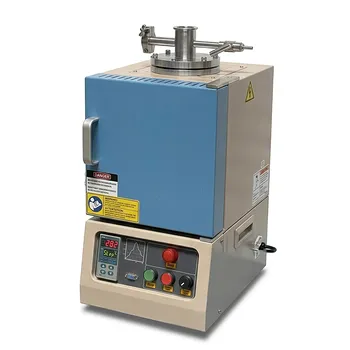
High Temperature Hybrid Muffle and Tube Furnace with Vacuum Capability and PID Control
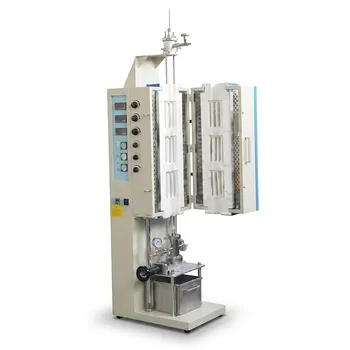
High Temperature Dual Zone Tube Furnace for Material Science Research and Professional Thermal Processing
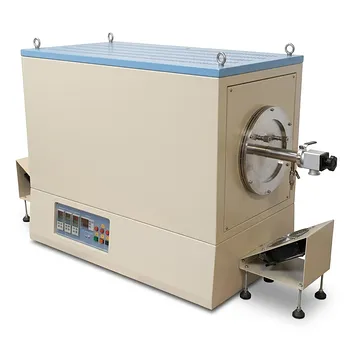
Four Zone Tube Furnace 1100C with 600mm Large Diameter Quartz Tube and Vacuum Flanges

High Temperature 1700C Tube Furnace with High Vacuum Turbomolecular Pump System and Multi Channel Mass Flow Controller Gas Mixer
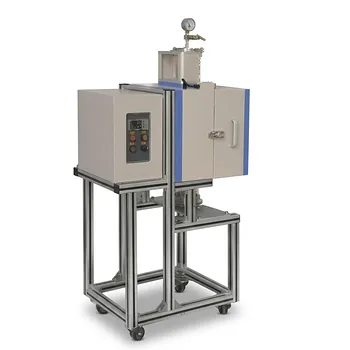
1200°C 5 Inch Vertical Quartz Tube Furnace with Stainless Steel Vacuum Flanges
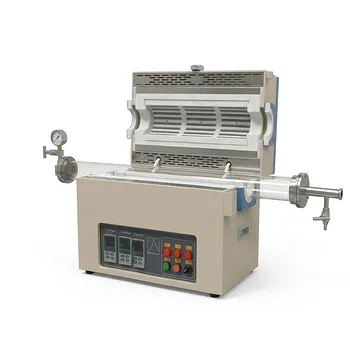
1200°C Three Zone Split Tube Furnace with 18 Inch Heating Length and Vacuum Flanges
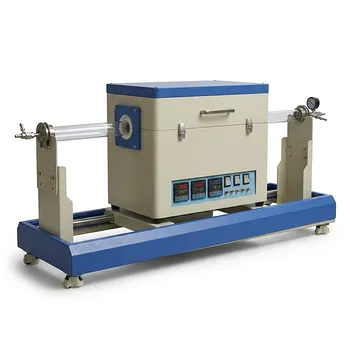
Double Temperature Zone Double Cover Tube Furnace for High Temperature CVD and Vacuum Annealing

High Temperature Automated 5 Inch Tube Furnace for Autonomous Material Research and Advanced Laboratory R&D
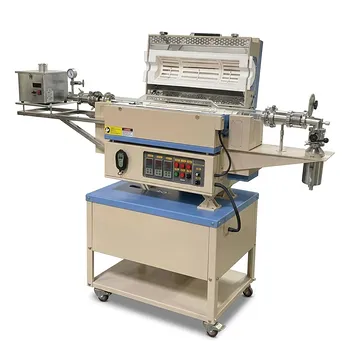
5 Inch Rotary Tube Furnace with Automatic Feeding and Receiving System 1200C Three Zone CVD Powder Processing
