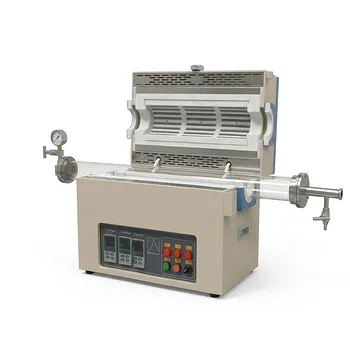
How does high-temperature annealing in a tube furnace affect the preparation of Iron(III) oxide (alpha-Fe2O3) nanoparticles?
Updated 5 months ago
High-temperature annealing is the definitive mechanism for transitioning precursor materials into the stable hematite phase. In a tube furnace, this process—typically conducted at approximately 500 °C—provides the thermal energy necessary for structural reconfiguration and the elimination of residual stresses. The result is a highly crystalline Iron(III) oxide ($\alpha$-Fe$_2$O$_3$) nanostructure with optimized stability and catalytic performance.
High-temperature annealing serves as the catalyst for phase transformation, turning amorphous or intermediate precursors into pure rhombohedral hematite. By providing a controlled, uniform thermal environment, the tube furnace allows for precise command over the grain size, crystallinity, and magnetic properties of the resulting nanoparticles.
The Mechanisms of Phase Transformation
Achieving the Alpha-Phase Transition
Annealing at 500 °C is considered a decisive step for the formation of the hematite ($\alpha$-Fe$_2$O$_3$) phase. This thermal treatment facilitates a structural transformation, allowing atoms to rearrange from a disordered precursor state into a stable, crystalline lattice.
Elimination of Residual Stresses
The prolonged heating process helps to eliminate residual stresses that often accumulate during the initial chemical synthesis of the powder. Removing these internal tensions stabilizes the nanostructure, making it more resilient during electrochemical applications.
Controlled Physicochemical Changes
In a tube furnace, precursors like potassium tris(oxalato)ferrate(III) undergo controlled pyrolysis. The closed environment ensures that dehydration and organic decomposition occur predictably, which is essential for achieving high phase purity.
Impact on Nanostructure and Performance
Precision Control of Grain Size
The temperature within the furnace directly determines the final grain size and morphology of the nanoparticles. While temperatures between 400 °C and 700 °C facilitate growth, precise control is required to prevent the nanoparticles from exceeding the desired dimensions.
Optimization of Catalytic Activity
A well-annealed $\alpha$-Fe$_2$O$_3$ structure exhibits significantly improved catalytic performance. The stabilization of the nanostructure through heat treatment ensures that the surface area and active sites remain effective during chemical reactions.
Influence on Magnetic and Electrical Properties
The temperature control precision of the tube furnace is a primary factor in determining the magnetic response of the iron oxide. Proper annealing ensures that the magnetic domains are correctly aligned within the crystalline rhombohedral structure.
Understanding the Trade-offs
The Risk of Agglomeration and Sintering
While high temperatures promote crystallinity, excessive heat can lead to sintering, where individual nanoparticles fuse together. This reduces the effective surface area, which can be detrimental to applications requiring high reactivity.
Atmosphere Sensitivity
The composition of the air or gas within the tube furnace is critical; improper oxygen levels can lead to the formation of magnetite ($\text{Fe}_3\text{O}_4$) instead of the desired hematite. Maintaining a consistent, controlled atmosphere is necessary to prevent these unwanted phase impurities.
Thermal Gradient Challenges
If the tube furnace does not provide a highly uniform thermal field, the resulting nanoparticles may exhibit inconsistent quality. Variations in temperature across the sample batch can lead to a mixture of grain sizes and varying degrees of crystallinity.
How to Apply This to Your Project
When preparing Iron(III) oxide nanoparticles, your annealing strategy should be dictated by your specific performance requirements.
- If your primary focus is maximum catalytic activity: Target an annealing temperature near 500 °C to ensure phase purity while monitoring duration to prevent excessive grain growth.
- If your primary focus is precise particle size control: Utilize the lower end of the transformation range (approx. 400 °C to 450 °C) and leverage the high-precision control of the tube furnace to limit sintering.
- If your primary focus is magnetic stability: Ensure a strictly controlled air atmosphere within the furnace to facilitate the complete transition to the rhombohedral hematite structure.
By mastering the thermal environment of the tube furnace, you transform a raw precursor into a high-performance, phase-pure nanomaterial tailored for your specific application.
Summary Table:
| Annealing Factor | Impact on alpha-Fe2O3 Nanoparticles | Core Benefit |
|---|---|---|
| 500°C Temperature | Triggers structural change to stable hematite | High phase purity |
| Thermal Uniformity | Precise control over grain size and growth | Consistent morphology |
| Stress Elimination | Removes residual internal lattice tensions | Structural stability |
| Atmosphere Control | Prevents conversion to unwanted Fe3O4 | Optimized magnetic response |
Accelerate Your Research with THERMUNITS Thermal Expertise
Precision is critical when synthesizing alpha-Fe2O3 nanoparticles. THERMUNITS is a leading manufacturer of high-temperature laboratory equipment for material science and industrial R&D. We provide the advanced thermal processing solutions you need, including Tube Furnaces, Muffle Furnaces, Vacuum/Atmosphere systems, CVD/PECVD, and Electric Rotary Kilns. Our technology ensures the highly uniform thermal environments and controlled atmospheres required for superior crystallinity and phase purity.
Take control of your heat treatment — Contact THERMUNITS today to discover how we can enhance your lab's R&D capabilities!
References
- José Ibarra, Galo Ramı́rez. α-Fe2O3/, Co3O4/, and CoFe2O4/MWCNTs/Ionic Liquid Nanocomposites as High-Performance Electrocatalysts for the Electrocatalytic Hydrogen Evolution Reaction in a Neutral Medium. DOI: 10.3390/ijms25137043
Mentioned Products
- 900 ºC Max Sliding RTP Tube Furnace with Rapid IR Heating and 4 Inch OD Quartz Tube
- 1200C High Throughput Multi Channel Tube Furnace with 50mm Quartz Tubes for Annealing and Material Phase Diagram Research
- 1200C High Temperature 5 Inch Sliding Tube Furnace for Rapid Thermal Processing RTP and Wafer Annealing
- High Throughput 1200C Four Channel Tube Furnace with 3 Inch Quartz Tubes for Multi Zone Annealing and Material Research
- 1500C Three Zone Vertical Pyrolysis Furnace for Nanoparticle Synthesis and Advanced Oxide Coating
People Also Ask
- What role does a SiC-coated graphite susceptor play in H2Se selenization? Boost RTP Thermal Uniformity & Film Purity.
- What materials are used for tube furnace process tubes? Temperature Limits & Selection Guide for Research
- What are the functional advantages of an RTP system for surface deposition? Enhance Heterojunction Interface Integrity
- What technical advantages does an RTA furnace provide for nanoporous gold? Precision Control of Nanostructures.
- What are the advantages of using a Rapid Thermal Annealing (RTA) furnace for Beta-Ga2O3 devices vs. Tube Furnaces?

Tech Team · ThermUnits
Last updated on Apr 14, 2026
Related Products
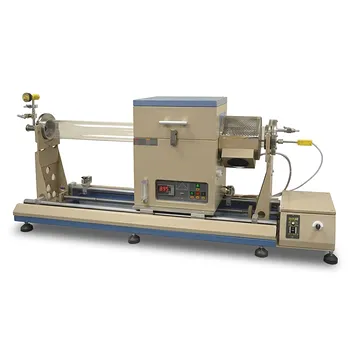
900 ºC Max Sliding RTP Tube Furnace with Rapid IR Heating and 4 Inch OD Quartz Tube

1200C High Throughput Multi Channel Tube Furnace with 50mm Quartz Tubes for Annealing and Material Phase Diagram Research
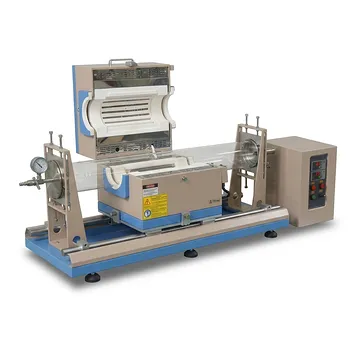
1200C High Temperature 5 Inch Sliding Tube Furnace for Rapid Thermal Processing RTP and Wafer Annealing
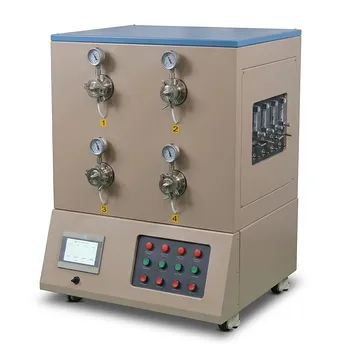
High Throughput 1200C Four Channel Tube Furnace with 3 Inch Quartz Tubes for Multi Zone Annealing and Material Research
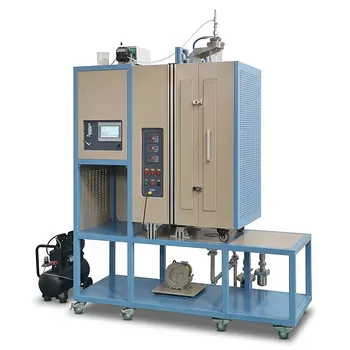
1500C Three Zone Vertical Pyrolysis Furnace for Nanoparticle Synthesis and Advanced Oxide Coating
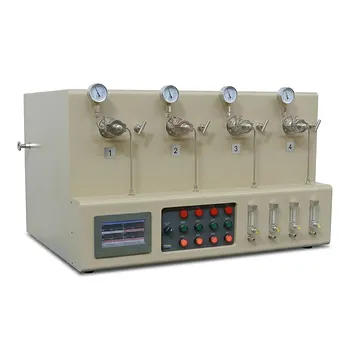
High Temperature 1700C 4 Channel Tube Furnace 1 Inch Alumina Tube for Hi-Throughput Annealing
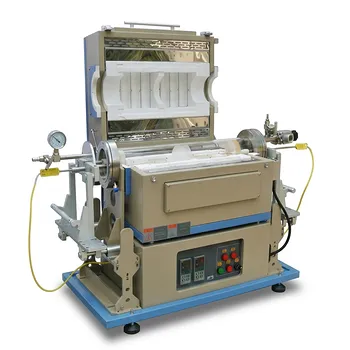
Two Zone IR Heating Rapid Thermal Processing RTP Tube Furnace with 4 Inch ID Quartz Tube and Sliding Sample Holders
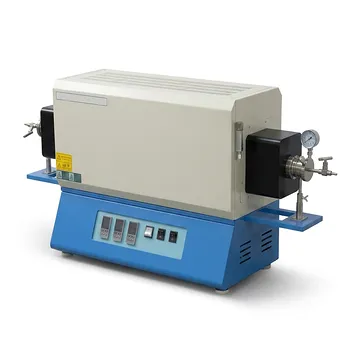
High Temperature Three Temperature Zone Tube Furnace for Advanced Material Science Sintering and Chemical Vapor Deposition Applications

High Temperature 1700C Vertical Tube Furnace for Powder Spherification and Material Sintering
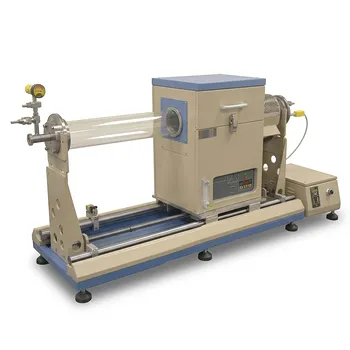
Rapid Thermal Processing Sliding Tube Furnace with 4 Inch OD Quartz Tube and 900C IR Heating

High Temperature Tube Furnace 1500C with Sliding Flanges and 50mm OD for Rapid Thermal Processing Fast Heating and Cooling
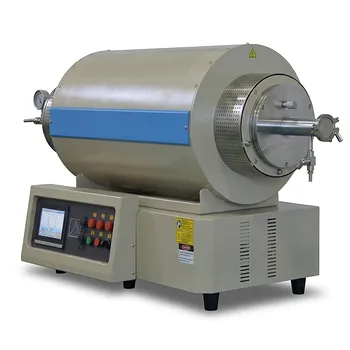
1200C Max Three Zone Tube Furnace 6 Inch OD Max with Tube and Flange
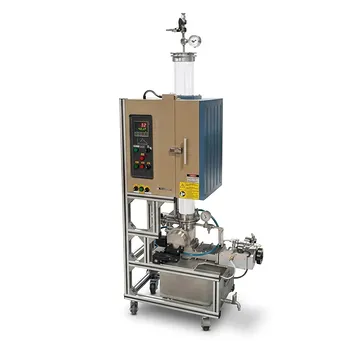
1200C High Temperature Atmosphere Controlled Vertical Quenching Tube Furnace with 4 Inch Quartz Tube
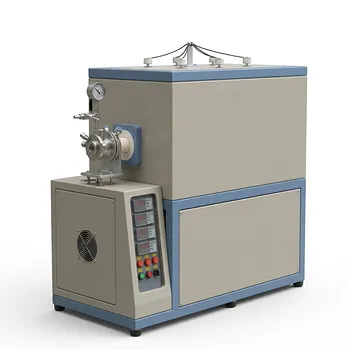
High Temperature 1700C Three Zone Tube Furnace with Alumina Tube 50mm 60mm 80mm OD for Material Research and Industrial Heat Treatment
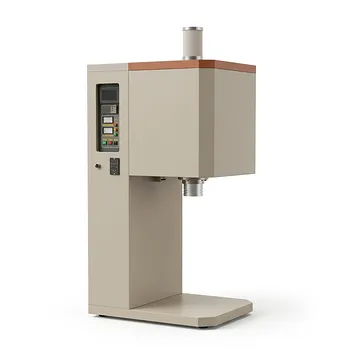
Vertical Openable Tube Furnace 0-1700c High Temperature Laboratory System for CVD and Vacuum Heat Treatment

Three Zone Tube Furnace with 11 Inch or 15 Inch Quartz Tube and Hinged Flanges for Vacuum Atmosphere Heat Treatment

Compact High Temperature 1600C Tube Furnace with 50mm Alumina Tube and Vacuum Flanges for Material Sintering
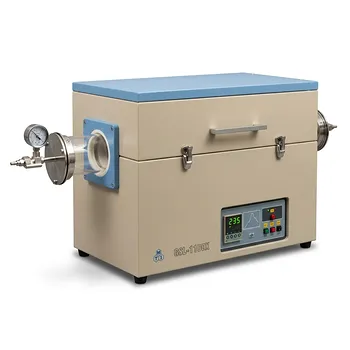
Single Zone Tube Furnace 5 Inch Quartz Tube 36 Inch Heating Zone Vacuum Flanges
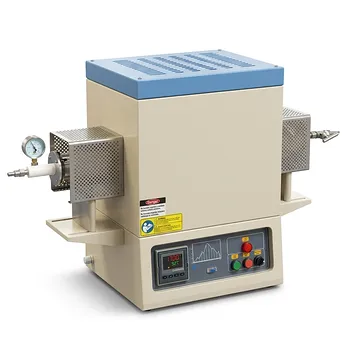
High Temperature Three Zone Tube Furnace 1700C with Alumina Tube and Water Cooled Flanges