How is a Tube Furnace used for Ni Nanoparticle Reduction? Optimize Your Nickel-Carbon Synthesis.
Updated 3 months ago
In the synthesis of nickel-carbon composites, an atmosphere-controlled tube furnace acts as a precision reactor that regulates the chemical and thermal environment required for metal reduction. It facilitates the transformation of nickel ions into metallic nanoparticles by maintaining a strictly controlled reducing atmosphere—typically a mixture of hydrogen and nitrogen (5% H2/95% N2)—while delivering a precise thermal field to trigger nucleation within the solid carbon skeleton.
Core Takeaway: The tube furnace enables the production of high-performance nickel-carbon materials by providing an oxygen-free environment where temperature and gas composition are synchronized to control the reduction kinetics, particle size, and mechanical anchoring of the nanoparticles.
The Role of the Controlled Atmosphere
Establishing a Reducing Environment
The primary function of the furnace is to provide a strictly controlled reducing atmosphere that prevents the oxidation of active metal sites. By introducing specific gas mixtures like 5% H2/95% N2 or argon-hydrogen (Ar/H2), the furnace ensures that nickel ions or oxide precursors are fully converted into a metallic state.
Preventing Premature Oxidation
The sealed nature of the industrial tube furnace is critical for maintaining an oxygen-free environment. This prevents the nickel from reacting with ambient oxygen at high temperatures, which would otherwise result in nickel oxide rather than the desired metallic nanoparticles.
Driving Chemical Migration and Exsolution
In advanced applications, the furnace atmosphere provides the driving force for nickel cations to migrate from a lattice—such as a perovskite or precursor structure—to the surface. This regulated flow of reducing gases guides the in-situ formation of particles, ensuring they are distributed evenly throughout the carbon skeleton.
Precision Thermal Management
Triggering Nucleation and Particle Growth
The furnace generates a precise thermal field that provides the energy necessary for chemical reduction and the subsequent nucleation of nanoparticles. By adjusting the annealing temperature, operators can control the speed at which nickel atoms cluster together within the carbon matrix.
Tuning Particle Size via Residence Time
Duration of constant temperature is a key variable in determining the final particle size. Longer residence times or higher temperatures generally lead to larger particles, which allows for the fine-tuning of the material's active sites for specific applications like gas sensing or catalysis.
Promoting Mechanical Anchoring
High-temperature reduction within the furnace often results in a stronger mechanical anchor between the nickel nanoparticles and the carbon substrate. Compared to simple impregnation methods, this in-situ reduction creates a bond that significantly improves the anti-agglomeration ability of the particles during subsequent high-temperature reactions.
Understanding the Trade-offs
Balancing Temperature and Agglomeration
While higher temperatures (e.g., 800°C to 1000°C) ensure thorough reduction and stronger bonding, they also increase the risk of particle sintering. If the thermal field is too intense or maintained for too long, the nanoparticles may merge, reducing the overall surface area and catalytic efficiency.
Gas Concentration and Safety
The ratio of hydrogen must be carefully managed; while higher H2 concentrations accelerate reduction kinetics, they also increase the flammability risk and can lead to over-reduction of other elements in complex precursors (such as iron in laterite ores). Precise regulation of gas flow is required to maintain a stable, predictable reaction rate.
Structural Integrity of the Carbon Skeleton
Excessive thermal treatment can sometimes damage the microporous structure of the carbon skeleton. While volume contraction during reduction can introduce beneficial porosity, it must be balanced against the risk of collapsing the carbon support, which would bury the newly formed nickel nanoparticles.
How to Apply This to Your Project
Optimizing Your Furnace Parameters
Successful nucleation of nickel nanoparticles depends on aligning your furnace settings with your specific material goals.
- If your primary focus is maximizing catalytic surface area: Use lower reduction temperatures (600°C–700°C) and shorter annealing durations to maintain a narrow particle size distribution.
- If your primary focus is long-term particle stability: Prioritize higher temperatures (800°C+) to encourage in-situ exsolution, which creates a stronger mechanical bond between the nickel and the carbon skeleton.
- If your primary focus is preventing impurity formation: Ensure the furnace is purged thoroughly with high-purity nitrogen before introducing hydrogen to maintain a completely oxygen-free environment.
By precisely synchronizing the gas chemistry and thermal profile, the atmosphere-controlled tube furnace transforms a simple precursor into a sophisticated, high-performance nickel-carbon catalyst.
Summary Table:
| Parameter | Role in Synthesis | Resulting Benefit |
|---|---|---|
| Reducing Atmosphere | Prevents oxidation (5% H2/95% N2) | Pure metallic nickel particles |
| Thermal Field | Provides energy for nucleation | Regulated particle distribution |
| Residence Time | Controls growth duration | Optimized active site density |
| Sealed Design | Maintains oxygen-free environment | Stronger mechanical anchoring |
Elevate Your Material Research with THERMUNITS Precision Furnaces
As a leading manufacturer of high-temperature laboratory equipment, THERMUNITS provides the advanced thermal solutions required for complex material science and industrial R&D. Our comprehensive range, including Atmosphere-Controlled Tube Furnaces, Vacuum Furnaces, and CVD/PECVD systems, is engineered to give you total control over reduction kinetics and nanoparticle nucleation.
Whether you are developing nickel-carbon catalysts, exploring vacuum induction melting (VIM), or refining dental ceramics, our equipment ensures uniform heating and reliable atmosphere regulation to meet the most demanding specifications.
Ready to optimize your synthesis process and enhance lab efficiency?
Contact THERMUNITS Today to discover the perfect thermal processing solution for your target applications.
References
- Chao Hsuan Sung, David Kisailus. Mechanistic Insights into the Synthesis of Nickel‐Graphene Nanostructures for Gas Sensors. DOI: 10.1002/smtd.202400245
Mentioned Products
- 1200°C Atmosphere Controlled Automatic Bottom Loading Furnace with 6 Inch Quartz Tube
- Compact Hybrid Muffle and Tube Furnace for 1000C Controlled Atmosphere Laboratory Material Sintering
- Compact Vertical Split Quartz Tube Furnace with Stainless Steel Vacuum Flanges for Rapid Thermal Quenching and Controlled Atmosphere Material Processing
- 1700C Compact Hybrid Furnace with Dual Layer Box Sintering and Controlled Atmosphere Alumina Tubes
- 1500°C Split Tube Furnace with Alumina Tube and Vacuum Sealing Flanges for Material Research
People Also Ask
- Why is a tube furnace required for FGM-PhG structural color ceramics? Key to Carbon Preservation & Vibrant Color
- Why is an atmosphere-controlled tube furnace required for the pre-sulfidation of NiMo/gamma-Al2O3 catalysts?
- Why is an atmosphere-controlled tube furnace required for 800 °C CNF annealing? Essential for Oxidative Protection.
- Why is an atmosphere-controlled tube furnace required for [email protected]/C preparation? Key for Purity & Structure
- Why is an atmosphere-controlled tube furnace required for single-atom sensor calcination? Ensure Atomic Dispersion.

Tech Team · ThermUnits
Last updated on Jun 02, 2026
Related Products
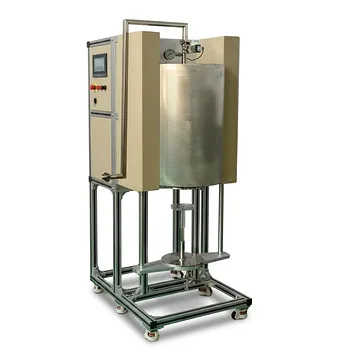
1200°C Atmosphere Controlled Automatic Bottom Loading Furnace with 6 Inch Quartz Tube
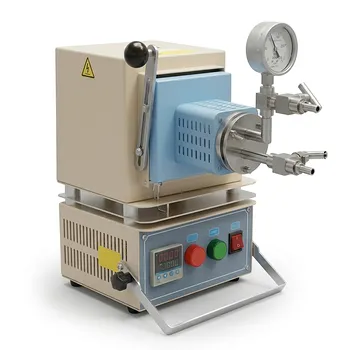
Compact Hybrid Muffle and Tube Furnace for 1000C Controlled Atmosphere Laboratory Material Sintering

Compact Vertical Split Quartz Tube Furnace with Stainless Steel Vacuum Flanges for Rapid Thermal Quenching and Controlled Atmosphere Material Processing
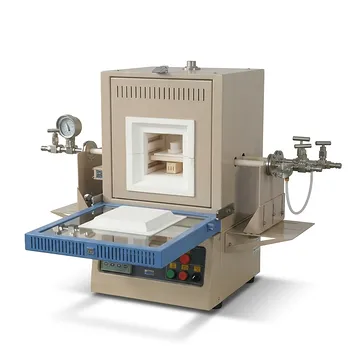
1700C Compact Hybrid Furnace with Dual Layer Box Sintering and Controlled Atmosphere Alumina Tubes
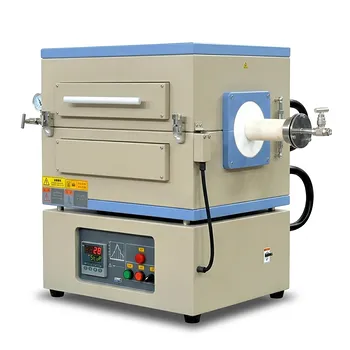
1500°C Split Tube Furnace with Alumina Tube and Vacuum Sealing Flanges for Material Research
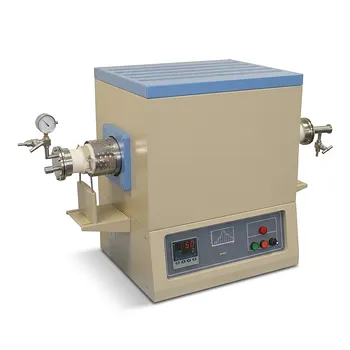
1700C High Temperature Alumina Tube Furnace with 18 Inch Heated Zone and Vacuum Sealing Flanges
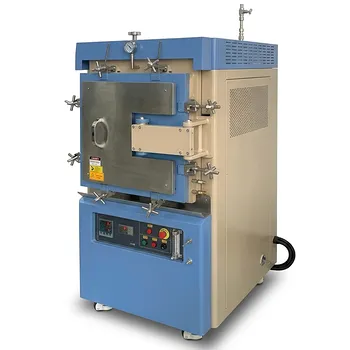
Atmosphere Controlled Muffle Furnace 1700C Maximum Temperature 80L High Capacity Vacuum Inert Gas Box Furnace

Vertical 1700C Vacuum and Atmosphere Tube Furnace with 80mm Alumina Tube
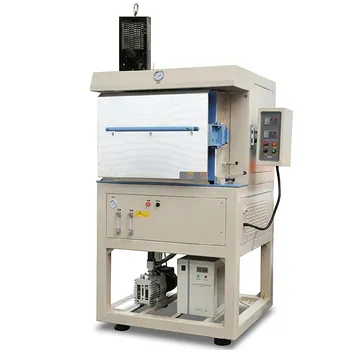
1200C Hydrogen Atmosphere Box Furnace with 5 Heated Sides and 64L Chamber
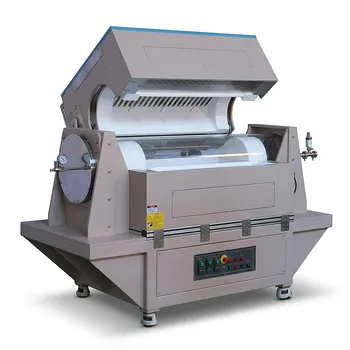
Three Zone Tube Furnace with 11 Inch or 15 Inch Quartz Tube and Hinged Flanges for Vacuum Atmosphere Heat Treatment
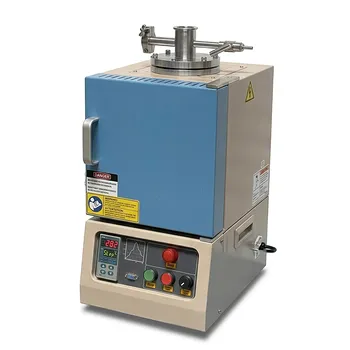
High Temperature Hybrid Muffle and Tube Furnace with Vacuum Capability and PID Control
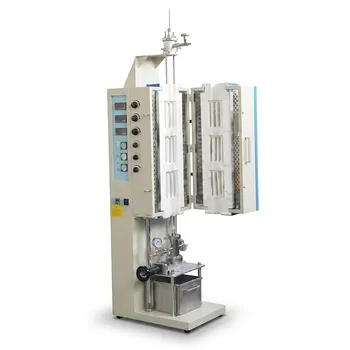
High Temperature Dual Zone Tube Furnace for Material Science Research and Professional Thermal Processing
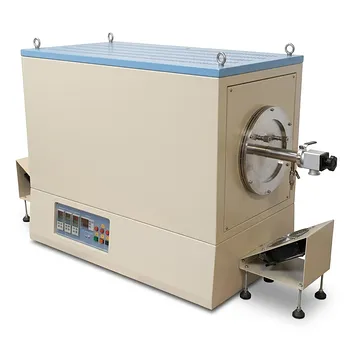
Four Zone Tube Furnace 1100C with 600mm Large Diameter Quartz Tube and Vacuum Flanges

High Temperature 1700C Tube Furnace with High Vacuum Turbomolecular Pump System and Multi Channel Mass Flow Controller Gas Mixer
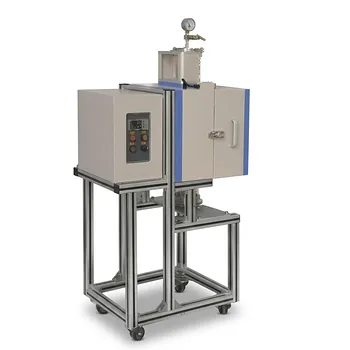
1200°C 5 Inch Vertical Quartz Tube Furnace with Stainless Steel Vacuum Flanges
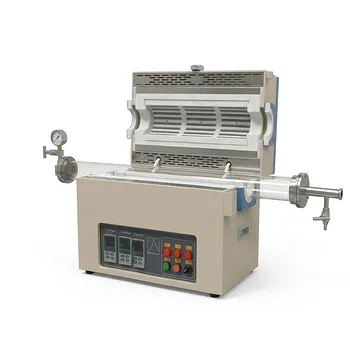
1200°C Three Zone Split Tube Furnace with 18 Inch Heating Length and Vacuum Flanges
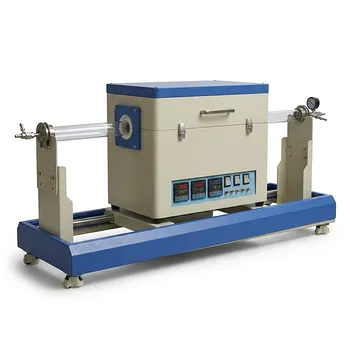
Double Temperature Zone Double Cover Tube Furnace for High Temperature CVD and Vacuum Annealing

High Temperature Automated 5 Inch Tube Furnace for Autonomous Material Research and Advanced Laboratory R&D
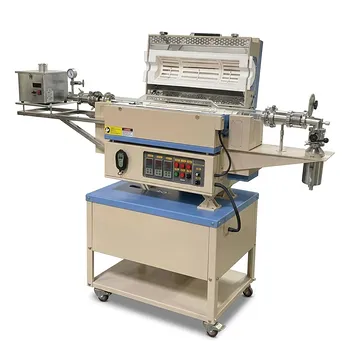
5 Inch Rotary Tube Furnace with Automatic Feeding and Receiving System 1200C Three Zone CVD Powder Processing
