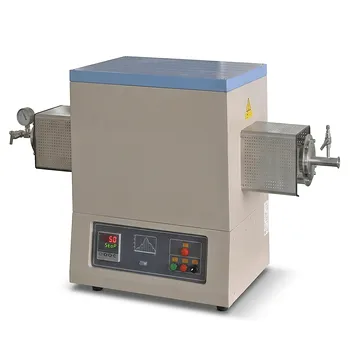
What are the advantages of quartz tube sealing for Se-SnSe@BIBCs? Achieve 65.4% Se loading and maximum purity.
Updated 3 months ago
The high-purity quartz tube sealing process is the superior method for preparing Se-SnSe@BIBCs because it enables high selenium loading while ensuring chemical purity. By creating a closed environment of saturated selenium vapor, this technique prevents the loss of active materials through sublimation and utilizes internal pressure to force selenium into deep mesopores. This results in a loading capacity of up to 65.4 wt.%, a feat nearly impossible to achieve with open heating methods.
Core Takeaway: Utilizing a sealed quartz tube environment transforms the synthesis from a simple surface coating into a high-pressure infiltration process, ensuring maximum selenium retention and the exclusion of performance-degrading contaminants like oxygen.
Maximizing Material Loading and Distribution
Prevention of Selenium Sublimation
Selenium has a low boiling point and tends to sublime easily when heated to the 260°C loading temperature. In an open heating system, selenium vapor escapes into the atmosphere, leading to significant material loss and inconsistent loading levels.
Saturated Vapor Pressure
The sealed quartz tube creates a closed environment where selenium vapor reaches a state of saturation. This equilibrium prevents further sublimation from the precursor, ensuring that the intended stoichiometric ratio of the cathode material is maintained.
Pressure-Driven Pore Filling
As the temperature rises within the confined volume of the tube, internal pressure increases significantly. This pressure acts as a mechanical force, driving the selenium vapor into the deep mesopores and cavities of the SnSe@BIBCs framework, which would otherwise remain inaccessible.
Maintaining Chemical Purity and Structural Integrity
Chemical Inertness of High-Purity Quartz
High-purity quartz is chosen for its excellent chemical inertness, meaning it will not react with corrosive selenium vapors or the SnSe@BIBCs substrate. This ensures that no unwanted side reactions occur between the vessel and the reactants, preserving the intrinsic electronic properties of the material.
Exclusion of Oxygen and Moisture
Sealing the tube under a high-vacuum environment (often better than 10⁻³ Pa) effectively eliminates oxygen and moisture. This prevents the oxidation of tin or selenium species, which is critical for maintaining the high carrier mobility and electrochemical stability required for high-performance batteries.
Thermal Shock Resistance
The heating process for these materials can involve rapid temperature shifts or high-temperature pyrolysis. High-purity quartz offers superior thermal shock resistance, ensuring the vessel remains intact under pressure and heat, thereby preventing sample contamination from vessel failure.
Understanding the Trade-offs
Process Complexity and Cost
While highly effective, the sealed tube method requires specialized equipment, including vacuum pumps and glass-blowing torches for sealing. This increases the complexity and cost of the preparation process compared to simple crucible heating in a furnace.
Scalability Constraints
The use of individual quartz tubes is ideal for high-precision laboratory research but presents challenges for mass production. Scaling this process requires larger pressure-rated vessels or continuous flow systems that can replicate the high-pressure, oxygen-free conditions of a sealed tube.
Safety Considerations
Heating a sealed vessel creates significant internal pressure, which poses a risk of explosion if the quartz tube has structural defects or if the temperature exceeds the material's limits. Precise calculation of vapor expansion and careful inspection of the quartz are mandatory safety steps.
Applying This Process to Your Research
Recommendations Based on Your Project Goals
- If your primary focus is maximizing energy density: Use the sealed quartz tube method to achieve the highest possible selenium loading (up to 65.4 wt.%) through pressure-driven infiltration.
- If your primary focus is material purity and characterization: Prioritize high-vacuum sealing to exclude oxygen, ensuring the electrochemical signatures you measure are not influenced by oxides or impurities.
- If your primary focus is rapid, low-cost screening: Consider open heating in an inert gas flow for initial testing, but recognize that selenium loading and performance will be significantly lower than the sealed method.
By leveraging the controlled environment of a sealed quartz tube, you ensure the structural and chemical integrity of Se-SnSe@BIBCs cathode materials for advanced electrochemical applications.
Summary Table:
| Feature | Sealed Quartz Tube Process | Open Heating Method |
|---|---|---|
| Selenium Loading | High (Up to 65.4 wt.%) | Low (Significant loss via sublimation) |
| Material Purity | High (Vacuum-sealed/Oxygen-free) | Lower (Risk of oxidation & moisture) |
| Vapor Pressure | Saturated (Internal pressure) | Atmospheric (Vapor escapes) |
| Pore Infiltration | Deep mesopore penetration | Minimal (Surface coating only) |
| Atmosphere Control | Absolute (10⁻³ Pa Vacuum) | Limited (Inert gas flow only) |
Elevate Your Material Research with THERMUNITS Precision
To achieve the high-pressure infiltration and oxygen-free environments required for advanced cathode materials like Se-SnSe@BIBCs, your laboratory needs reliable thermal equipment. THERMUNITS is a leading manufacturer specializing in high-temperature laboratory solutions for material science and industrial R&D.
Whether you need precise Tube Furnaces for quartz tube sealing, Vacuum Furnaces, or advanced CVD/PECVD systems, we offer a comprehensive range of thermal processing equipment—including Muffle, Rotary, and Hot Press furnaces—to ensure your research meets the highest standards of purity and efficiency.
Ready to optimize your heat treatment process?
Contact our technical experts today!
References
- Xiaoyu Wu, Ming Chen. Tailoring Versatile Cathodes and Induced Anodes for Zn–Se Batteries: Anisotropic Orientation of Tin‐Based Materials within Bowl‐In‐Ball Carbon. DOI: 10.1002/advs.202403224
Mentioned Products
- 1100°C High Temperature Quartz Chamber Furnace 8 Inch OD with 7.6 Liter Capacity and Vacuum Atmosphere Capability
- High Throughput 1200C Four Channel Tube Furnace with 3 Inch Quartz Tubes for Multi Zone Annealing and Material Research
- 1200°C 5 Inch Vertical Quartz Tube Furnace with Stainless Steel Vacuum Flanges
- Compact Vertical Split Quartz Tube Furnace with Stainless Steel Vacuum Flanges for Rapid Thermal Quenching and Controlled Atmosphere Material Processing
- Three Zone Tube Furnace with 11 Inch or 15 Inch Quartz Tube and Hinged Flanges for Vacuum Atmosphere Heat Treatment
People Also Ask
- Why is a quartz tube furnace necessary for phosphorus-doped MoS2/GO preparation? Ensure Purity & Precise Synthesis
- Benefits of high-vacuum quartz tube furnaces with N2 for Co3O4 nanosheets: Purity and Structural Integrity.
- What conditions does a quartz tube furnace provide for AlxCoCrFeNi steam corrosion tests? Achieve Precise R&D Control.
- Why is high-temperature annealing in a quartz tube furnace done after HfO2 deposition? Unlock peak film performance.
- Why is a high-purity quartz tube used for SP-Fe3O4-C? Ensure Chemical Purity & Catalytic Stability

Tech Team · ThermUnits
Last updated on Jun 02, 2026
Related Products
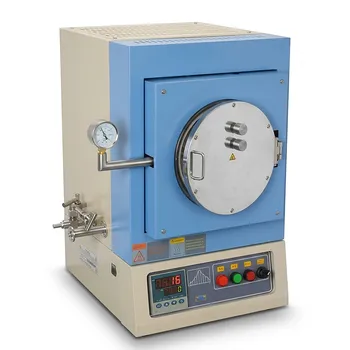
1100°C High Temperature Quartz Chamber Furnace 8 Inch OD with 7.6 Liter Capacity and Vacuum Atmosphere Capability
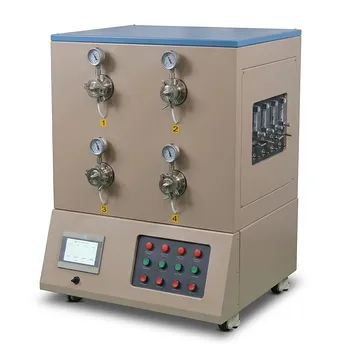
High Throughput 1200C Four Channel Tube Furnace with 3 Inch Quartz Tubes for Multi Zone Annealing and Material Research
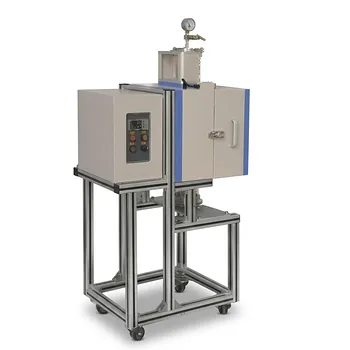
1200°C 5 Inch Vertical Quartz Tube Furnace with Stainless Steel Vacuum Flanges

Compact Vertical Split Quartz Tube Furnace with Stainless Steel Vacuum Flanges for Rapid Thermal Quenching and Controlled Atmosphere Material Processing
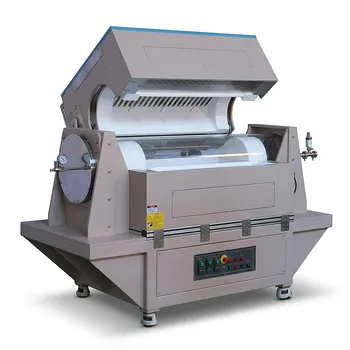
Three Zone Tube Furnace with 11 Inch or 15 Inch Quartz Tube and Hinged Flanges for Vacuum Atmosphere Heat Treatment
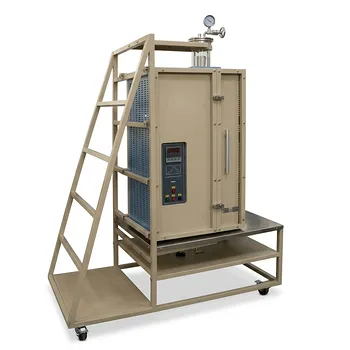
Split Vertical Tube Furnace with 1200C Quartz Tube and Stainless Steel Vacuum Flanges for Rapid Thermal Processing
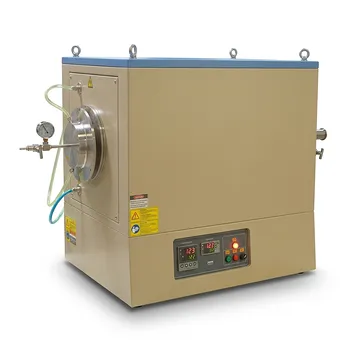
1100°C Large Diameter Quartz Tube Furnace with 24 Inch Heating Zone and Water Cooled Flanges
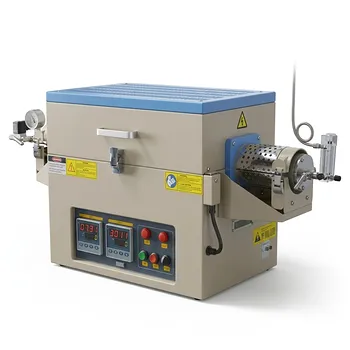
1100C Dual Zone Hydrogen Gas Tube Furnace with Quartz Tube and Integrated H2 Leak Detection System
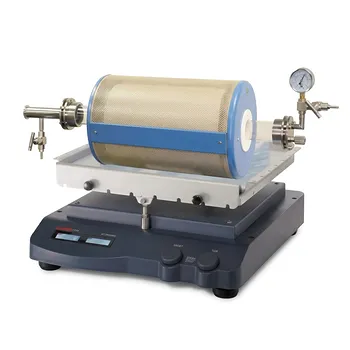
High Temperature Rocking Tube Furnace with Quartz Tube and Vacuum Flange for Materials Synthesis
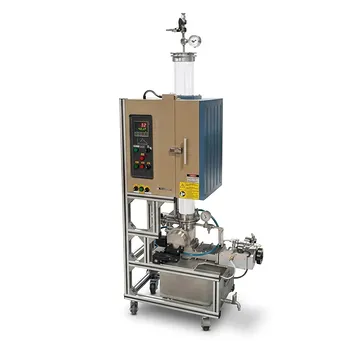
1200C High Temperature Atmosphere Controlled Vertical Quenching Tube Furnace with 4 Inch Quartz Tube
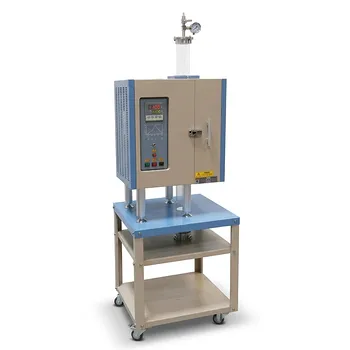
1100°C Split Vertical Tube Furnace with 80mm Quartz Tube and Stainless Steel Vacuum Flanges
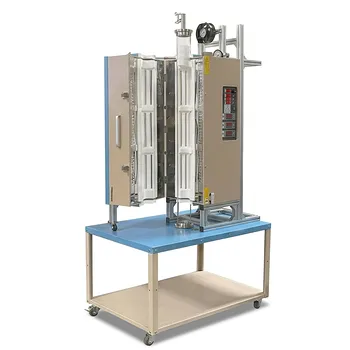
1200C Three Zone Split Vertical Tube Furnace 4 Inch Quartz Tube Stainless Steel Vacuum Flanges
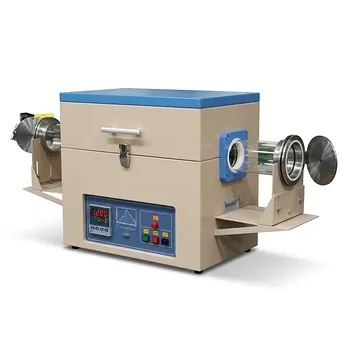
High Temperature 1200C Split Tube Furnace with Hinged Vacuum Flanges and 4 Inch Quartz Tube for Laboratory Research
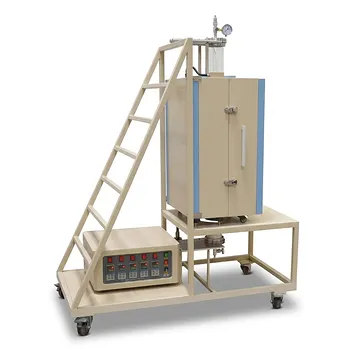
Five Zone Split Vertical Tube Furnace 1200C Max with 4 Inch Quartz Tube and Stainless Steel Vacuum Flanges
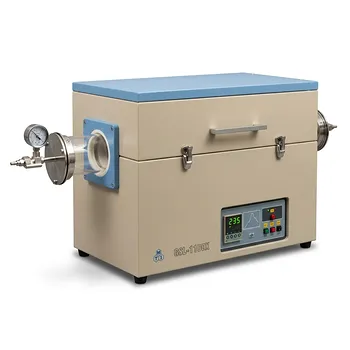
Single Zone Tube Furnace 5 Inch Quartz Tube 36 Inch Heating Zone Vacuum Flanges
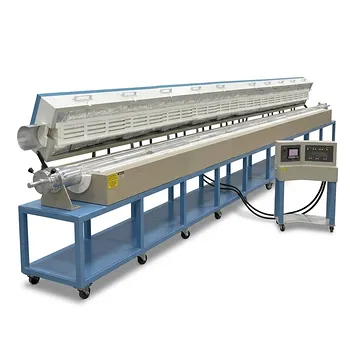
12 Zone Ultra Long Split Tube Furnace with 20 Foot Quartz Tube and 1100C Max Temperature

High Temperature Automated 5 Inch Tube Furnace for Autonomous Material Research and Advanced Laboratory R&D
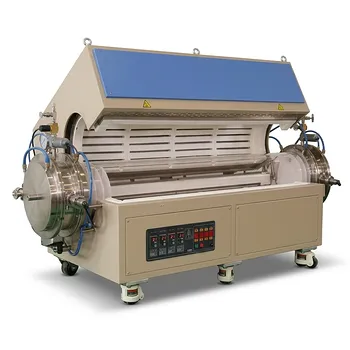
1200C Max Four Zone Split Tube Furnace with Optional Large Diameter Quartz Tubes
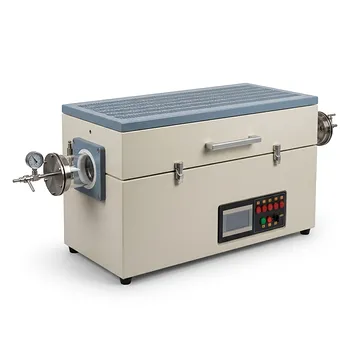
Five Zone 1200C High Temperature Split Tube Furnace with Touch Screen Controller and Multiple Quartz Tube Options