What are the advantages of using a quartz tube and ceramic boat in phosphidation? Optimize Purity & Vapor Transport
Updated 5 months ago
The combination of a quartz tube and ceramic boat provides a chemically inert, thermally stable environment that enables precise control over phosphorus vapor transport. This setup ensures that high-temperature phosphidation occurs without introducing metallic impurities or side reactions, while the physical arrangement of the boat facilitates the directional flow of phosphorus from the source to the precursor material.
In high-temperature phosphidation, the quartz tube acts as a protected reaction chamber to maintain atmospheric integrity, while the ceramic boat serves as a stable carrier that optimizes the spatial delivery of reactive vapors to the target sample.
Material Synergy and Chemical Integrity
Superior Chemical Inertness
High-purity quartz and specialized ceramics are selected because they do not react with phosphorus vapors or precursor materials at elevated temperatures. This chemical neutrality prevents the introduction of impurity metal ions or non-metallic contaminants into the final product.
By maintaining a pure environment, these materials ensure that the chemical transformation of the precursor—such as iron or nickel-based frameworks—remains selective and reproducible.
Exceptional Thermal Stability
Both quartz and ceramic materials possess high thermal shock resistance, allowing them to withstand rapid heating and cooling cycles without structural failure. This stability is critical when operating at temperatures ranging from 600°C to 900°C, where other materials might soften or crack.
The quartz tube specifically maintains a reliable vacuum or atmospheric seal even under intense heat, which is essential for managing the toxic and flammable gases often produced during phosphidation.
Process Control and Spatial Dynamics
Directional Vapor Transport
The ceramic boat functions as a strategic vessel that allows for the spatial separation of the phosphorus source and the precursor. By placing the phosphorus source (e.g., sodium hypophosphite) upstream and the precursor downstream, the system leverages the carrier gas to move vaporized phosphorus across the sample.
This directional transport is vital for achieving a complete and efficient chemical transformation, ensuring that the reactive phosphine gas is delivered steadily to the precursor surface.
Uniform Reaction Environments
The structural design of these components promotes uniform heating and stable gas flow dynamics within the furnace. Ceramic boats help control the surface area of the phosphorus source exposed to the gas stream, which regulates the generation rate of reactive vapors.
Consistent gas flow over the precursor ensures that the resulting phosphide material has a homogeneous composition, which is a requirement for high-performance applications in catalysis or energy storage.
Understanding the Trade-offs
Physical Fragility and Lifecycle
While quartz and ceramic are thermally robust, they are physically brittle and susceptible to mechanical impact. Repeated exposure to certain alkaline activators or harsh precursors at extreme temperatures can eventually cause surface etching or "devitrification" in quartz, potentially shortening the tube's lifespan.
Cleaning and Cross-Contamination
Ceramic boats are porous compared to quartz, meaning they can sometimes absorb trace amounts of reactants or phosphorus residue. If not cleaned rigorously or dedicated to specific experimental types, this can lead to cross-contamination in subsequent runs involving different metal precursors.
How to Apply This to Your Project
Making the Right Choice for Your Goal
- If your primary focus is High-Purity Catalysis: Use high-purity quartz tubes to ensure no metallic ions migrate from the chamber walls into your catalyst, preserving active site integrity.
- If your primary focus is Scalable Material Production: Focus on the spatial arrangement within the ceramic boat to maximize the precursor surface area exposed to the directional phosphorus flow.
- If your primary focus is Atmospheric Control: Prioritize the quartz tube's ability to maintain a rigorous seal, especially if your process involves toxic byproducts like phosphine gas.
By leveraging the chemical inertness of quartz and the structural stability of ceramic, you create a controlled micro-environment essential for successful high-temperature chemical synthesis.
Summary Table:
| Component | Key Advantage | Primary Benefit |
|---|---|---|
| Quartz Tube | Chemical Inertness | Prevents metallic impurities and ensures selective reactions. |
| Ceramic Boat | Spatial Dynamics | Facilitates directional vapor transport and stable sample carrying. |
| Combination | Thermal Stability | High resistance to thermal shock and precise atmospheric control. |
Advance Your Material Science Research with THERMUNITS
As a leading manufacturer of high-temperature laboratory equipment, THERMUNITS understands the precision required for successful phosphidation and material synthesis. We provide a comprehensive range of thermal processing solutions, including high-performance Tube Furnaces, CVD/PECVD systems, and Vacuum Furnaces designed to maintain the chemical integrity and atmospheric control your R&D demands.
Whether you are focusing on high-purity catalysis or scalable energy storage materials, our equipment—including Muffle, Rotary, and Hot Press furnaces—is engineered for reliability and uniform heat distribution.
Ready to enhance your lab’s thermal processing capabilities?
Contact THERMUNITS today to find the perfect solution for your research!
References
- Zhiyuan Wang, Yu-Chen Tsai. Enhancing Electrochemical Non-Enzymatic Dopamine Sensing Based on Bimetallic Nickel/Cobalt Phosphide Nanosheets. DOI: 10.3390/mi15010105
Mentioned Products
- High Temperature Rocking Tube Furnace with Quartz Tube and Vacuum Flange for Materials Synthesis
- High Temperature 1200C Split Tube Furnace with Hinged Vacuum Flanges and 4 Inch Quartz Tube for Laboratory Research
- 1200C High Temperature Atmosphere Controlled Vertical Quenching Tube Furnace with 4 Inch Quartz Tube
- High Temperature Automated 5 Inch Tube Furnace for Autonomous Material Research and Advanced Laboratory R&D
- 1100°C High Temperature Quartz Chamber Furnace 8 Inch OD with 7.6 Liter Capacity and Vacuum Atmosphere Capability
People Also Ask
- Why is a tube furnace with programmed temperature control required for the carbonization of apricot kernels? Achieve High-Performance Carbon
- Why is an Ar/H2 (95/5) mixed atmosphere necessary when annealing Si/Al2O3/RGO materials in a tube furnace?
- How does the precise temperature control of a tube furnace influence the formation of V2AlC MAX phase? Expert Insights.
- How does the heating rate control of a tube furnace affect the anchoring of CoSAs? Mastering Atomic Dispersion
- Why use high-purity nitrogen and flow rates in tube furnace smelting? Optimize Your Metal Yield and Purity

Tech Team · ThermUnits
Last updated on Apr 14, 2026
Related Products
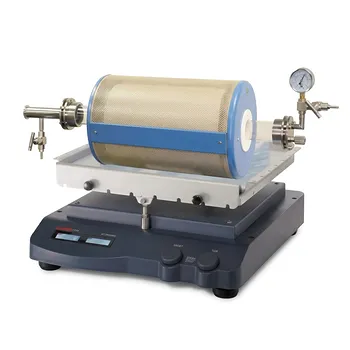
High Temperature Rocking Tube Furnace with Quartz Tube and Vacuum Flange for Materials Synthesis
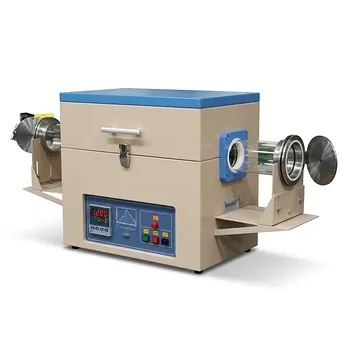
High Temperature 1200C Split Tube Furnace with Hinged Vacuum Flanges and 4 Inch Quartz Tube for Laboratory Research
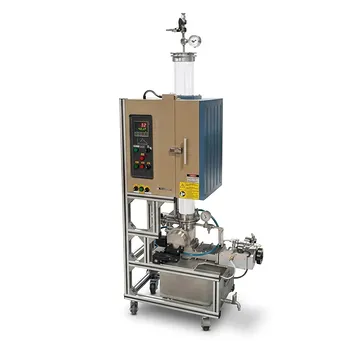
1200C High Temperature Atmosphere Controlled Vertical Quenching Tube Furnace with 4 Inch Quartz Tube

High Temperature Automated 5 Inch Tube Furnace for Autonomous Material Research and Advanced Laboratory R&D
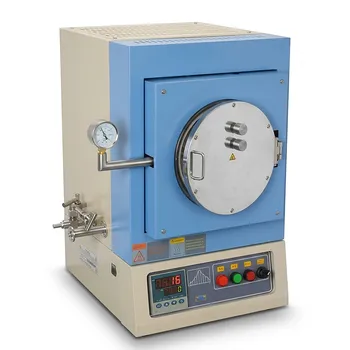
1100°C High Temperature Quartz Chamber Furnace 8 Inch OD with 7.6 Liter Capacity and Vacuum Atmosphere Capability
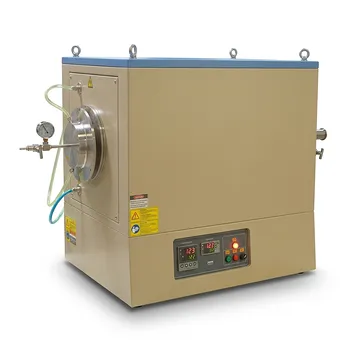
1100°C Large Diameter Quartz Tube Furnace with 24 Inch Heating Zone and Water Cooled Flanges
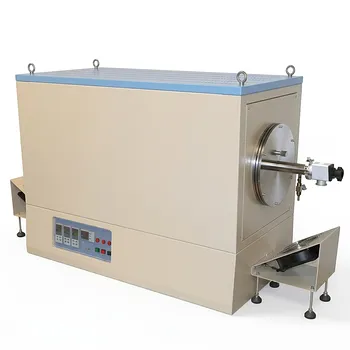
1100°C Three Zone Tube Furnace with 8.5 to 11 Inch OD Quartz Tube and Vacuum Flanges for Large Wafer Processing

1200°C 5 Inch Vertical Quartz Tube Furnace with Stainless Steel Vacuum Flanges
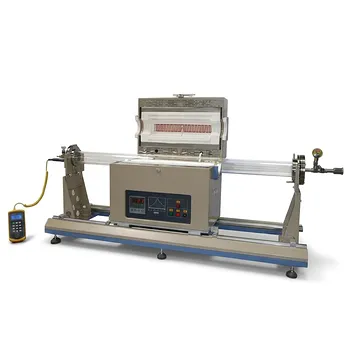
1200C Max Sliding Tube Furnace with 80mm OD Quartz Tube and Vacuum Flanges for Rapid Thermal Processing Fast Heating and Cooling
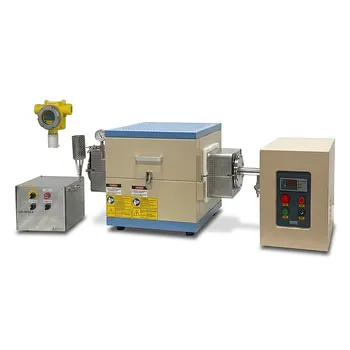
1100C Hydrogen Gas Atmosphere Tube Furnace with 5 Inch Fused Quartz Tube and Integrated Safety Monitoring System
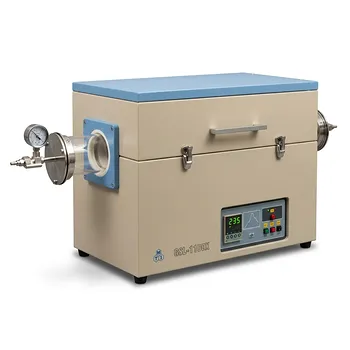
Single Zone Tube Furnace 5 Inch Quartz Tube 36 Inch Heating Zone Vacuum Flanges
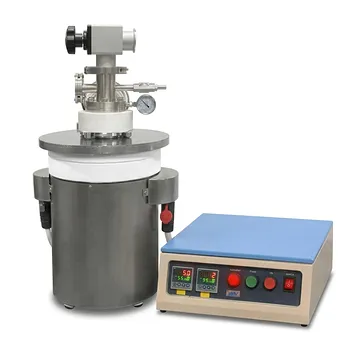
1100C High Temperature Vacuum Crucible Furnace with Quartz Chamber for Thermal Processing and Sintering

Compact Vertical Split Quartz Tube Furnace with Stainless Steel Vacuum Flanges for Rapid Thermal Quenching and Controlled Atmosphere Material Processing
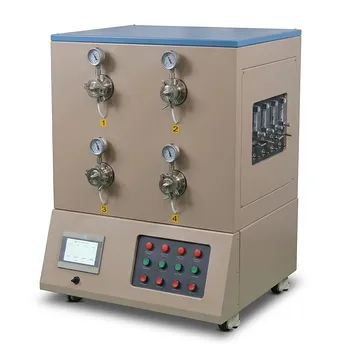
High Throughput 1200C Four Channel Tube Furnace with 3 Inch Quartz Tubes for Multi Zone Annealing and Material Research

High Temperature Tube Furnace 1500C with Sliding Flanges and 50mm OD for Rapid Thermal Processing Fast Heating and Cooling
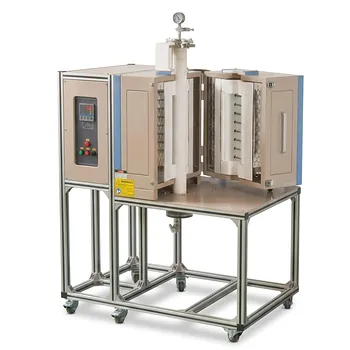
High Temperature 1700C Vertical Split Tube Furnace for Material Quenching and Single Crystal Growth

Compact High Temperature 1600C Tube Furnace with 50mm Alumina Tube and Vacuum Flanges for Material Sintering
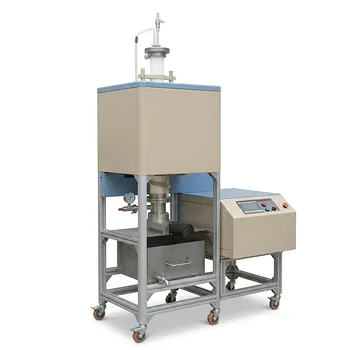
1700C High Temperature Quenching Tube Furnace with 60mm Alumina Tube and Automatic Electromagnet Release System
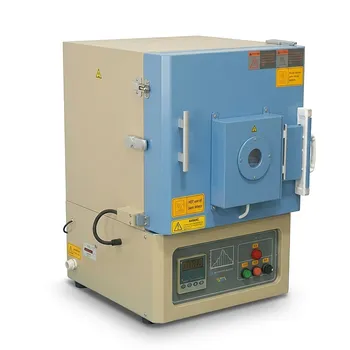
High Temperature Benchtop Muffle Furnace 1500C with 3.6L Chamber and Quartz Observation Window
