Why is a tube furnace with programmed temperature control required for the carbonization of apricot kernels? Achieve High-Performance Carbon
Updated 3 months ago
The necessity of a programmable tube furnace for carbonizing apricot kernels stems from its ability to provide a precise, linear heating rate and a strictly controlled inert environment. This equipment ensures the gradual thermal decomposition of organic matter, preventing combustion while enabling the formation of a high-performance carbon skeleton with a specific surface area as high as 1762 m² g⁻¹.
A programmable tube furnace is essential because it transforms biomass into high-quality activated carbon through thermal precision and atmospheric isolation. Without these controls, the apricot kernels would likely combust or sinter, resulting in a low-porosity material unsuitable for advanced technical applications.
Precise Thermal Management
Controlled Heating Rates
A programmed controller allows for a steady heating rate, typically 5 °C per minute. This gradual increase is critical because it ensures that the volatile organic components within the apricot kernels are released slowly and uniformly.
Rapid, uncontrolled heating can cause internal pressure build-up or structural collapse. By maintaining a steady ramp-up, the furnace preserves the structural integrity of the biomass as it transitions into a carbonized state.
Isothermal Stability
Once the target temperature—often 500 °C—is reached, the furnace must maintain a stable isothermal environment for a set duration. This stability ensures that the carbonization reaction reaches completion throughout the entire sample volume.
Fluctuations in temperature during this stage can lead to incomplete pyrolysis or the formation of undesirable chemical residues. A stable heat soak is the key to achieving a consistent carbon yield and optimized micropore distribution.
Atmospheric Integrity and Protection
Prevention of Oxidation
The tube furnace design allows for a continuous flow of high-purity nitrogen, creating a strictly inert atmosphere. This is vital because, at 500 °C, apricot kernels would catch fire and turn to ash if any oxygen were present.
By displacing oxygen, the furnace ensures the biomass undergoes pyrolysis (thermal decomposition in the absence of oxygen) rather than combustion. This preserves the carbon skeleton and maximizes the final solid yield.
Preservation of Pore Structures
Atmosphere control prevents the excessive oxidation of the carbon surface. This protection is necessary to maintain the potential for high-quality pore formation and to keep surface active sites intact.
The result is a material with a highly developed microporous structure. These microscopic "holes" are what give the carbonized apricot kernels their massive surface area, which is critical for filtration and energy storage.
Understanding the Trade-offs
Equipment Cost vs. Material Quality
While a standard muffle furnace is less expensive, it lacks the atmospheric sealing and precise ramp-control of a tube furnace. Using inferior equipment often results in "sintering," where the pores collapse due to uneven heat, significantly reducing the material's effectiveness.
Energy Consumption and Throughput
The requirement for long, programmed heating cycles and a constant gas flow increases the operational cost per gram of carbon produced. However, this is a necessary trade-off to achieve the specific interlayer spacing (d002) and surface chemistry required for high-end applications like sodium-ion battery anodes or advanced adsorbents.
How to Apply This to Your Project
Making the Right Choice for Your Goal
The configuration of your furnace settings should align with the desired properties of your final carbon material.
- If your primary focus is maximizing surface area: Utilize a slow heating rate (under 5 °C/min) and a high nitrogen flow to ensure the most delicate pore structures are preserved.
- If your primary focus is conductive carbon frameworks: Prioritize higher isothermal temperatures (approaching 1,000 °C) to ensure the complete removal of non-carbon elements and the alignment of carbon layers.
- If your primary focus is preventing material loss: Ensure the tube seals are airtight and the nitrogen purge is initiated well before the heating cycle begins to eliminate all trace oxygen.
The programmable tube furnace is the difference between producing simple charcoal and engineering a high-performance technical carbon.
Summary Table:
| Feature | Benefit for Carbonization |
|---|---|
| Programmed Heating Rate | Prevents structural collapse; allows uniform release of volatiles. |
| Isothermal Stability | Ensures complete pyrolysis and consistent carbon yield. |
| Inert Atmosphere (N2) | Prevents combustion and oxidation, preserving the carbon skeleton. |
| Atmospheric Sealing | Protects micropore structure for high surface area (up to 1762 m²/g). |
Transform Your Material Research with THERMUNITS
Are you looking to engineer high-performance carbon materials or advance your thermal processing R&D? THERMUNITS is a leading manufacturer of high-temperature laboratory equipment, providing the precision and reliability required for complex tasks like biomass carbonization and material synthesis.
Our comprehensive range of thermal processing solutions includes:
- Tube and Rotary Furnaces for atmospheric and continuous processing.
- Muffle, Vacuum, and Atmosphere Furnaces for diverse heat treatments.
- Hot Press and Vacuum Induction Melting (VIM) Furnaces for advanced metallurgy.
- CVD/PECVD Systems for thin-film and nanomaterial research.
- Dental Furnaces and Thermal Elements to support specialized laboratory needs.
Why partner with THERMUNITS? We deliver the thermal precision necessary to achieve specific interlayer spacing and optimized surface chemistry in your target materials. Contact us today to discuss your project requirements!
References
- Asma Mokhati, Adrián Bonilla‐Petriciolet. Insights into nitrobenzene adsorption mechanism on apricot stone activated carbon: A study via statistical physics models and thermodynamic analysis. DOI: 10.1016/j.colsurfa.2024.133864
Mentioned Products
- High Temperature Tube Furnace 1500C with Sliding Flanges and 50mm OD for Rapid Thermal Processing Fast Heating and Cooling
- Vertical 1700C Vacuum and Atmosphere Tube Furnace with 80mm Alumina Tube
- 1100C Tube Furnace with Vacuum Flange and Programmable Temperature Controller for Material Science and Industrial Heat Treatment
- Compact High Temperature 1600C Tube Furnace with 50mm Alumina Tube and Vacuum Flanges for Material Sintering
- 900°C Max Rotary Tube Furnace with 8 Inch 310S Alloy Tube and Optional Multi Zone Heating for Industrial Material Calcination
People Also Ask
- How are high-temperature tube furnaces utilized to repair etching damage? Precision Lattice Restoration Solutions
- What core conditions does a high-temperature tube furnace provide for rGO aerogels? Mastering Precision Synthesis.
- What role does a high-temperature tube furnace play in CVD synthesis of silicon nanowires? Master VLS Growth Precision.
- How does precision tube furnace control influence CoFe nanoparticle formation? Master Your Bimetallic Synthesis.
- What role does a high-temperature tube furnace play in the sulfidation heat treatment of CoS@C/MXene nanocomposites? Guide

Tech Team · ThermUnits
Last updated on Jun 03, 2026
Related Products
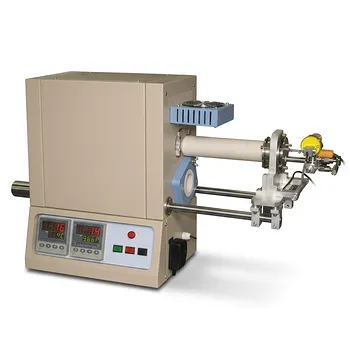
High Temperature Tube Furnace 1500C with Sliding Flanges and 50mm OD for Rapid Thermal Processing Fast Heating and Cooling
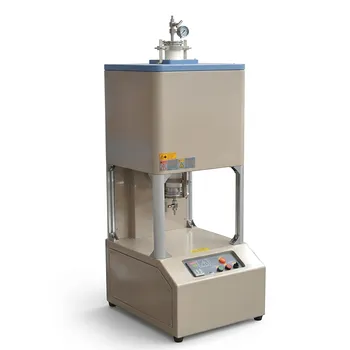
Vertical 1700C Vacuum and Atmosphere Tube Furnace with 80mm Alumina Tube

1100C Tube Furnace with Vacuum Flange and Programmable Temperature Controller for Material Science and Industrial Heat Treatment

Compact High Temperature 1600C Tube Furnace with 50mm Alumina Tube and Vacuum Flanges for Material Sintering
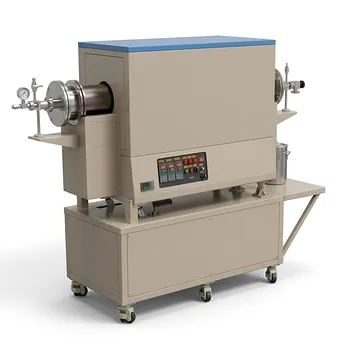
900°C Max Rotary Tube Furnace with 8 Inch 310S Alloy Tube and Optional Multi Zone Heating for Industrial Material Calcination
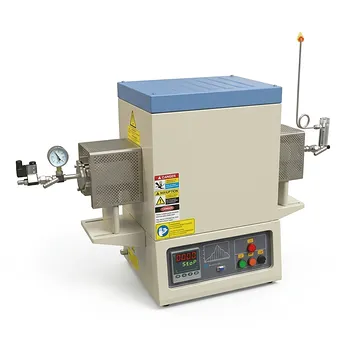
1700C Hydrogen Gas Tube Furnace with 60mm Alumina Process Tube and Integrated Hydrogen Safety Detector

High Temperature 1700C Tube Furnace with High Vacuum Turbomolecular Pump System and Multi Channel Mass Flow Controller Gas Mixer
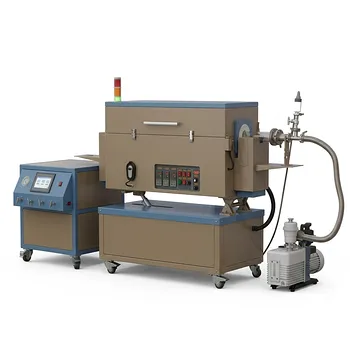
5 Inch Three Zone Rotary Tube Furnace with Integrated Gas Delivery System and 1200C Capability for Advanced Material CVD Processing
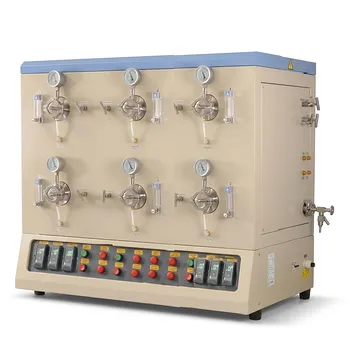
1200C High Throughput Multi Channel Tube Furnace with 50mm Quartz Tubes for Annealing and Material Phase Diagram Research
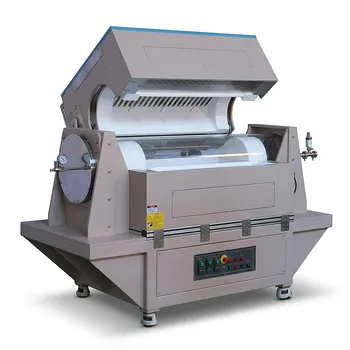
Three Zone Tube Furnace with 11 Inch or 15 Inch Quartz Tube and Hinged Flanges for Vacuum Atmosphere Heat Treatment
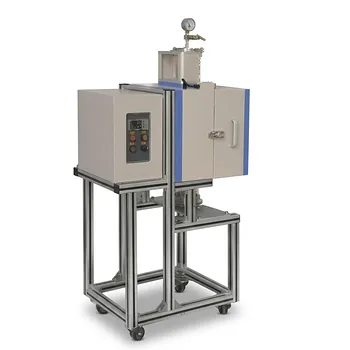
1200°C 5 Inch Vertical Quartz Tube Furnace with Stainless Steel Vacuum Flanges
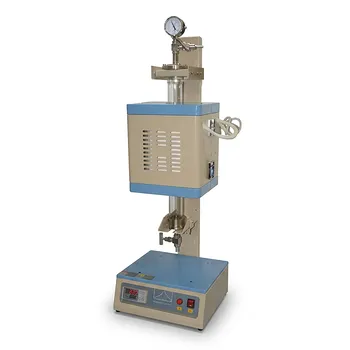
Compact Vertical Split Quartz Tube Furnace with Stainless Steel Vacuum Flanges for Rapid Thermal Quenching and Controlled Atmosphere Material Processing
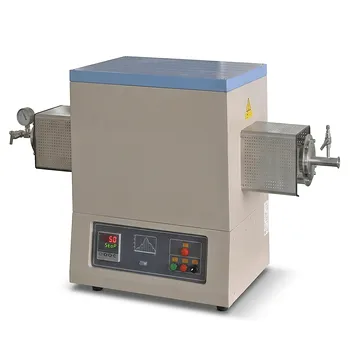
High Temperature 1700C Tube Furnace with 4 Inch OD Alumina Tube and Vacuum Sealing Flanges
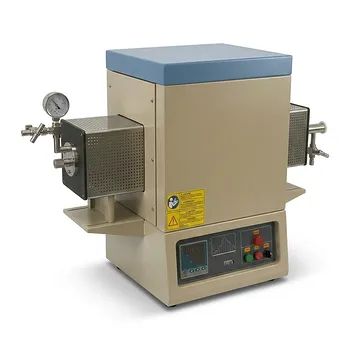
High Temperature 1700C Benchtop Tube Furnace with 5 Inch Heating Zone High Purity Alumina Tube and Vacuum Sealing Flanges

1800C High Temperature Compact Vacuum Tube Furnace with 60mm OD Alumina Tube and Kanthal MoSi2 Heating Elements
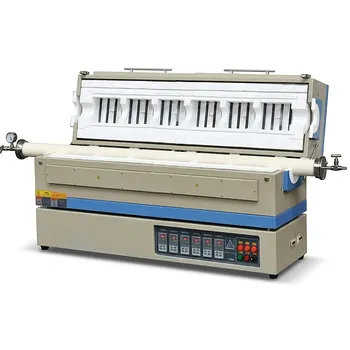
High Temperature 1700C Six Zone Split Tube Furnace with Alumina Tube and Water Cooled Flanges
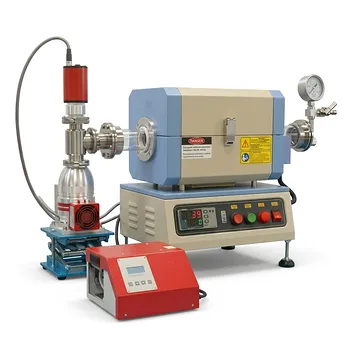
High Vacuum Compact Tube Furnace 1200C with Integrated Turbo Pump System and 8 Inch Heating Zone
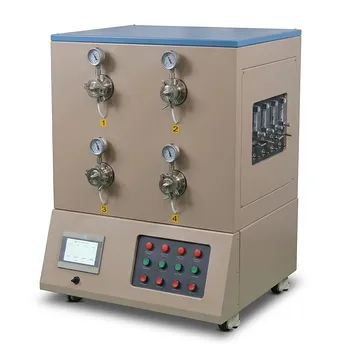
High Throughput 1200C Four Channel Tube Furnace with 3 Inch Quartz Tubes for Multi Zone Annealing and Material Research

High Temperature Automated 5 Inch Tube Furnace for Autonomous Material Research and Advanced Laboratory R&D