What are the benefits of LPC in vacuum furnaces for automotive? Enhance Precision and Reduce Post-Machining Costs
Updated 5 months ago
Low-Pressure Carburizing (LPC) offers a precision-driven alternative to traditional gas carburizing methods. In automotive manufacturing, LPC in vacuum furnaces produces high-strength components with oxide-free surfaces and significantly reduced distortion. This precision allows for tighter tolerances and drastically reduces the need for costly post-heat-treatment machining and scrap in high-volume production environments.
LPC technology transforms automotive heat treatment by eliminating surface oxidation and minimizing dimensional distortion, directly reducing total manufacturing costs while enhancing the fatigue life of critical drivetrain components.
Superior Component Integrity and Durability
Eliminating Intergranular Oxidation
During the startup phase, mechanical vacuum pumps reduce internal pressure to approximately 10⁻¹ mbar to remove all oxidizing gases. This prevents the formation of oxides at high temperatures, resulting in oxide-free surfaces that inherently improve the wear resistance of the part.
Maximizing Fatigue Strength
By creating a clean, low-pressure environment, LPC ensures the uniform diffusion of carburizing gases into the metal. This consistency produces high-strength gears and transmission components capable of withstanding the high torque loads found in modern automotive drivetrains.
Precision and Dimensional Stability
Drastic Reduction in Distortion
Traditional heat treatment often causes parts to warp, but LPC in vacuum furnaces results in significantly reduced distortion. The controlled vacuum environment allows for more uniform heating and cooling cycles compared to atmospheric furnaces.
Enabling Tighter Tolerances
Because the parts retain their shape more accurately, engineers can design for tighter tolerances from the outset. This stability is critical for high-precision automotive assemblies where even micron-level deviations can lead to noise, vibration, or premature failure.
Operational Efficiency in High-Volume Production
Minimizing Post-Machining Costs
One of the most significant financial benefits of LPC is the reduction in post-machining. Because distortion is minimized and surfaces remain clean, the expensive grinding and finishing steps usually required after heat treatment are often eliminated.
Reducing Scrap and Waste
The high repeatability of the vacuum process leads to a major reduction in scrap rates. In high-volume automotive manufacturing, the ability to produce consistent results across thousands of cycles directly impacts the bottom line.
Understanding the Trade-offs
Higher Initial Capital Investment
Vacuum furnace systems and the sophisticated gas delivery hardware required for LPC represent a higher upfront cost than traditional atmosphere furnaces. Organizations must calculate the return on investment based on long-term machining savings rather than initial purchase price.
Specialized Maintenance and Technical Skill
Maintaining a high vacuum seal and managing high-performance pump systems requires a specialized maintenance schedule. Operators must also be trained in vacuum technology, as the process variables are more complex than those in standard gas carburizing.
Optimizing LPC for Your Automotive Production
When evaluating whether to transition to Low-Pressure Carburizing, your decision should be driven by your specific production goals and component requirements.
- If your primary focus is reducing per-part manufacturing cost: Leverage the reduction in post-heat-treatment grinding and lower scrap rates to offset the higher initial equipment investment.
- If your primary focus is powertrain longevity and performance: Utilize the oxide-free surface finishes and uniform case depth to maximize the fatigue life of high-stress transmission components.
- If your primary focus is environmental and process control: Choose LPC to eliminate the use of flammable "endothermic" atmospheres, creating a safer and more easily controlled work environment.
Embracing LPC technology allows automotive manufacturers to meet the dual demands of high-performance engineering and cost-effective mass production.
Summary Table:
| Feature | Benefit | Business Value |
|---|---|---|
| Oxide-free Surfaces | Superior fatigue & wear resistance | Reduced part failure and lower scrap rates |
| Low Distortion | High dimensional stability | Eliminates expensive post-heat-treatment machining |
| Uniform Case Depth | Consistent material integrity | Reliability for high-torque drivetrain components |
| Vacuum Environment | Clean, repeatable processing | Safer production by eliminating flammable gases |
Elevate Your Automotive Manufacturing with THERMUNITS
THERMUNITS is a leading manufacturer of high-temperature laboratory equipment for material science and industrial R&D. We offer a comprehensive range of thermal processing solutions, including Vacuum Furnaces, Atmosphere Furnaces, Muffle Furnaces, and CVD/PECVD systems specifically engineered to handle advanced processes like Low-Pressure Carburizing (LPC) with unmatched precision.
Our thermal technology empowers manufacturers to achieve superior component integrity, minimize distortion, and maximize operational efficiency. Ready to optimize your heat treatment workflow and reduce total manufacturing costs?
Contact our technical experts today to find the perfect furnace for your project!
Mentioned Products
- High Vacuum Pressure Chamber Furnace 800C 3.5 Bar Sintering System for Superconducting Materials
- Industrial Vacuum Hot Press Furnace Machine and High Temperature Heated Vacuum Press for Advanced Material Sintering
- High Pressure 600T Vacuum Induction Hot Press Furnace for Advanced Material Heat Treatment and Sintering
- Bottom Loading Vacuum Furnace 1200C Rapid Cooling Atmosphere Control Quartz Chamber
- 1200°C Bottom Loading Vacuum Furnace with Rapid Gas Cooling and 8.6 Inch Diameter Quartz Chamber
People Also Ask
- How does a vacuum or atmosphere sintering furnace contribute to the congener-welding process of carbon nitride membranes?
- What Role Does a Vacuum Sintering Furnace Play in Ni-Mn-Ga Alloy Fabrication? Optimizing Porous Structures
- Why must MoS2 samples undergo high vacuum dehydration? Key to a-IGZO Heterojunction Stability
- How does vacuum hot pressing improve the quality of sputtering targets? Achieve High Density & Purity for Thin-Films
- What role does a high-vacuum tube sintering furnace play in NAB composites? Enhance Density and Phase Control.

Tech Team · ThermUnits
Last updated on Apr 14, 2026
Related Products
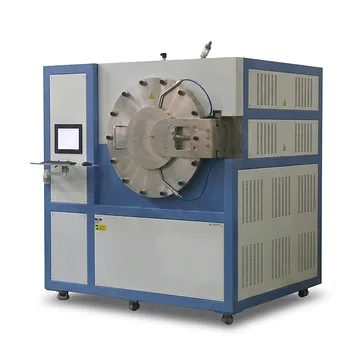
High Vacuum Pressure Chamber Furnace 800C 3.5 Bar Sintering System for Superconducting Materials
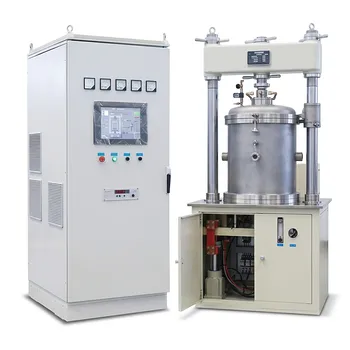
Industrial Vacuum Hot Press Furnace Machine and High Temperature Heated Vacuum Press for Advanced Material Sintering
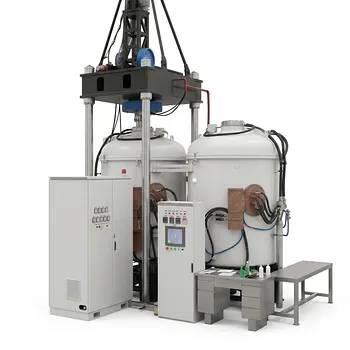
High Pressure 600T Vacuum Induction Hot Press Furnace for Advanced Material Heat Treatment and Sintering
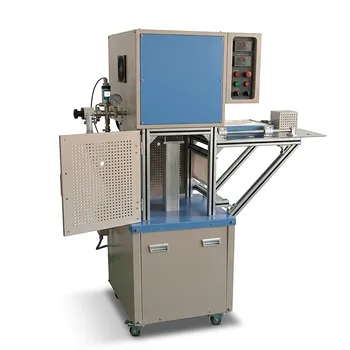
Bottom Loading Vacuum Furnace 1200C Rapid Cooling Atmosphere Control Quartz Chamber
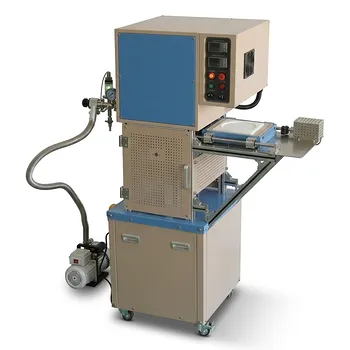
1200°C Bottom Loading Vacuum Furnace with Rapid Gas Cooling and 8.6 Inch Diameter Quartz Chamber
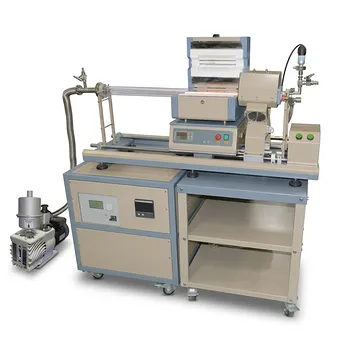
1200C Max Compact Auto-Sliding PECVD Furnace with 2 Inch Tube and Vacuum Pump

Compact Vertical Split Quartz Tube Furnace with Stainless Steel Vacuum Flanges for Rapid Thermal Quenching and Controlled Atmosphere Material Processing
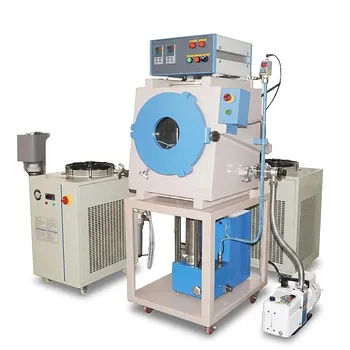
High Temperature Vacuum Lamination Hot Press Furnace Machine for Semiconductor Wafer Bonding and Advanced Composite Thermal Processing
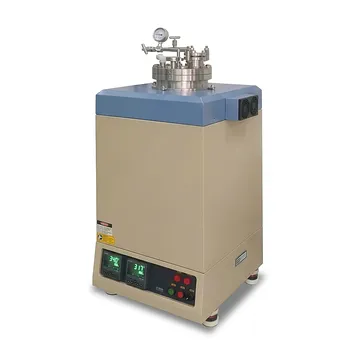
High Temperature 1000C Vacuum Furnace with 8 Inch ID Chamber for Material Sintering and Research Annealing
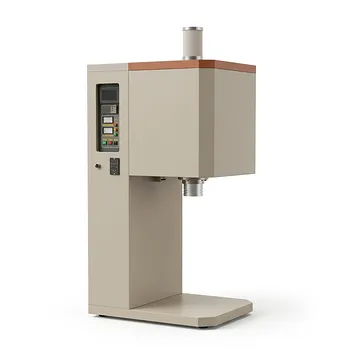
Vertical Openable Tube Furnace 0-1700c High Temperature Laboratory System for CVD and Vacuum Heat Treatment
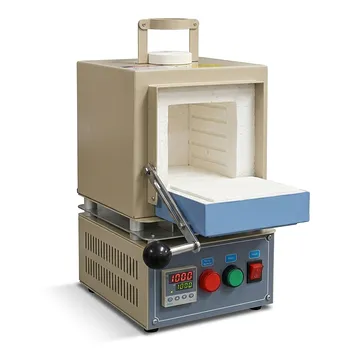
Compact 1000C Muffle Furnace with Programmable Controller and 2 Inch Top Port for Vacuum and Atmosphere Material Research
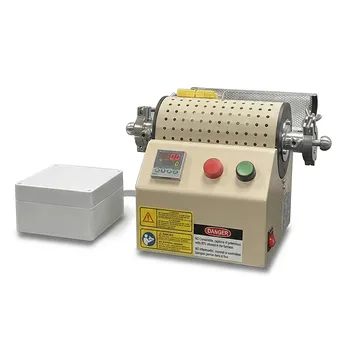
1000C Mini Tube Furnace with 20mm Quartz Tube and Vacuum Flanges for Material Science Research and Controlled Atmosphere Small Sample Processing
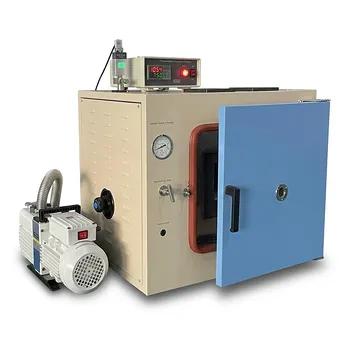
Compact High Vacuum Box Furnace 1050C Max 6.2L Ceramic Chamber Stainless Steel Shell Programmable Temperature Controller for Material Science Research

Vertical 1700C Vacuum and Atmosphere Tube Furnace with 80mm Alumina Tube
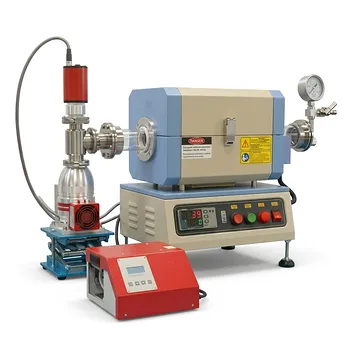
High Vacuum Compact Tube Furnace 1200C with Integrated Turbo Pump System and 8 Inch Heating Zone
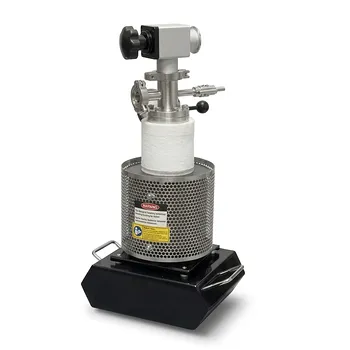
High Temperature 1100C Compact Top Loading Vertical Vacuum Tube Furnace for High Vacuum Noble Metal Melting and Material Research
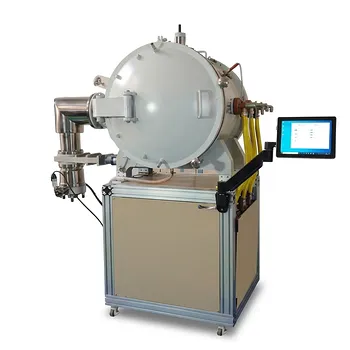
High Temperature Cold Wall Vacuum Furnace for Advanced Material Sintering and Annealing 1600C Heating Area 200x200x300mm
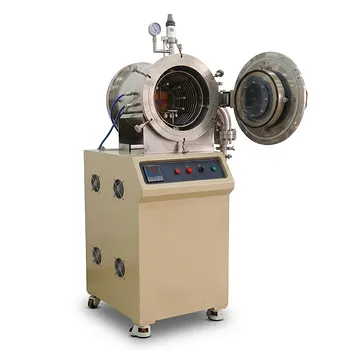
High Temperature Cold Wall High Vacuum Chamber Furnace 1400C for Advanced Material Processing
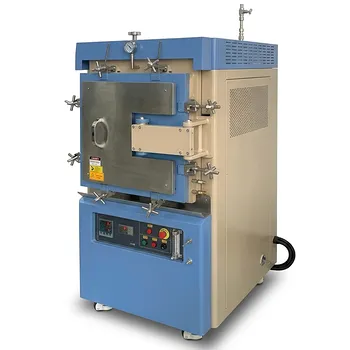
Atmosphere Controlled Muffle Furnace 1700C Maximum Temperature 80L High Capacity Vacuum Inert Gas Box Furnace