What are the functions of a tube atmosphere furnace in Co-Al sintering? Achieve High-Purity Thermal Explosion Synthesis
Updated 3 months ago
The high-precision tube atmosphere furnace acts as the primary control environment for the synthesis of Cobalt-Aluminum (Co-Al) intermetallics. It serves two critical functions: providing a high-purity Argon (Ar) protective atmosphere to isolate reactive powders from oxygen and delivering a stable, programmable heating rate to trigger the thermal explosion reaction. By precisely managing these variables, the furnace ensures the rapid release of chemical energy is channeled into forming the desired intermetallic phases with high purity and structural integrity.
A high-precision tube furnace is essential for Co-Al sintering because it creates a chemically inert, thermally stable "reaction chamber" that prevents oxidation and dictates the exact moment of thermal explosion. This level of control is the difference between a successful phase transformation and a contaminated, failed synthesis.
Providing a Protective Chemical Environment
Complete Oxygen Isolation
The furnace creates a sealed environment that is purged and maintained with high-purity Argon. This is vital for Co-Al materials because both Cobalt and Aluminum are highly susceptible to oxidation at the elevated temperatures required for sintering.
Maintaining Stoichiometric Purity
By effectively removing reactive gases, the furnace ensures that the chemical reaction occurs according to the specific stoichiometric ratios of the raw powders. This prevents the formation of unwanted oxides that would otherwise weaken the mechanical and magnetic properties of the final alloy.
Sealed Reaction Space
The integrated gas inlet and outlet systems allow for a continuous flow of inert gas, which carries away any volatile impurities released during the initial heating phase. This ensures the reaction space remains uncontaminated throughout the entire thermal cycle.
Precise Kinetic Control of the Thermal Explosion
Triggering the Exothermic Reaction
Thermal explosion sintering relies on reaching a specific "ignition" temperature where the reaction becomes self-sustaining. The furnace’s ability to maintain a stable heating rate, often calibrated at 10 °C/min, allows researchers to precisely control when this rapid release of heat occurs.
Managing Rapid Heat Release
Once the thermal explosion is triggered, the furnace’s high-precision thermal field helps to distribute the intense heat of the reaction uniformly across the sample. This prevents localized overheating or "hot spots" that could lead to non-uniform microstructures or cracking.
Multi-Stage Programmable Control
Modern tube furnaces allow for multi-stage temperature curves, which are necessary for pre-heating and post-reaction soaking. This control facilitates long-range solid-state diffusion, ensuring that the precursors fully transform into a single, uniform intermetallic phase.
Ensuring Material Uniformity and Phase Integrity
High Temperature Field Uniformity
The geometry of the tube furnace provides a stable and consistent thermal field throughout the reaction zone. This uniformity is critical for ensuring that the thermal explosion occurs simultaneously across the entire volume of the Co-Al compact.
Facilitating Metallurgical Bonding
The furnace provides the continuous thermal energy required to activate atomic diffusion after the initial explosion. This process eliminates particle boundaries and interfacial gaps, transforming the powder compact into a finished alloy with high strength and density.
Repeatability in Synthesis
The ability to save and replicate specific heating, soaking, and cooling curves ensures that the synthesis of complex intermetallics is highly repeatable. This is a requirement for moving from laboratory-scale experiments to consistent material production.
Understanding the Trade-offs and Pitfalls
The Risk of Exothermic Runaway
Because thermal explosion reactions release a massive amount of energy in a very short time, the furnace's temperature control system must be robust enough to handle sudden spikes in internal heat. If the furnace is not properly calibrated, the reaction heat can exceed the safety limits of the tube material, potentially leading to equipment damage.
Atmosphere Purity Requirements
A common pitfall is failing to achieve a sufficiently low vacuum or high-purity purge before heating begins. Even trace amounts of oxygen trapped within the powder compact can lead to internal oxidation during the explosion, which cannot be corrected later in the process.
Heating Rate Sensitivity
Varying the heating rate by even a few degrees can significantly shift the ignition temperature of the Co-Al reaction. Inconsistent heating rates between different batches will result in variations in grain size and phase distribution, compromising the reliability of the material.
How to Apply This to Your Project
Recommendations for Material Processing
- If your primary focus is phase purity: Ensure the furnace is equipped with a high-precision vacuum pump and use Argon with a purity of 99.999% to prevent any possibility of oxidation.
- If your primary focus is material density: Utilize a multi-stage soaking program after the thermal explosion to promote complete solid-state diffusion and eliminate residual porosity.
- If your primary focus is grain size control: Experiment with different heating rates (e.g., 5 °C/min vs. 15 °C/min) to find the optimal ignition point that minimizes grain growth during the exothermic peak.
By mastering the furnace's atmosphere and thermal kinetics, you can achieve the high-precision control necessary to synthesize advanced Co-Al intermetallic materials with predictable and superior properties.
Summary Table:
| Function | Key Mechanism | Benefit for Co-Al Materials |
|---|---|---|
| Atmosphere Control | High-purity Argon purge | Prevents oxidation and maintains stoichiometric purity. |
| Kinetic Control | Precise heating rates (e.g., 10°C/min) | Triggers and manages the rapid thermal explosion reaction. |
| Thermal Uniformity | Stable high-temperature field | Ensures simultaneous reaction and uniform microstructure. |
| Phase Integration | Multi-stage programmable curves | Facilitates solid-state diffusion for single-phase alloys. |
Elevate Your Research with THERMUNITS High-Precision Furnaces
Precise control over thermal kinetics and atmosphere is the foundation of successful material synthesis. THERMUNITS is a leading manufacturer of high-temperature laboratory equipment dedicated to supporting material science and industrial R&D.
Whether you are performing thermal explosion sintering of Co-Al materials or complex CVD processes, our comprehensive range of equipment—including Tube, Atmosphere, Vacuum, and Rotary Furnaces, as well as CVD/PECVD systems and Hot Press furnaces—provides the reliability and precision your project demands.
Ready to optimize your heat treatment results? Contact us today to discuss your specific requirements and discover how our advanced thermal solutions can enhance your laboratory's efficiency and material performance.
References
- Yonghao Yu, Chunmin Yang. Highly Porous Co-Al Intermetallic Created by Thermal Explosion Using NaCl as a Space Retainer. DOI: 10.3390/ma17174380
Mentioned Products
- Compact High Temperature 1600C Tube Furnace with 50mm Alumina Tube and Vacuum Flanges for Material Sintering
- High Temperature Vertical Atmosphere Controlled Furnace with Automatic Bottom Loading and 1700°C Capacity for Advanced Material Research
- 1750°C High Temperature Benchtop Vacuum Atmosphere Tube Furnace with Kanthal Super 1800 Heating Elements and 60mm Alumina Processing Tube
- 1650C High Temperature Atmosphere Controlled Box Furnace with 65L Chamber for Advanced Material Sintering and Industrial Heat Treatment
- 1700C High Temperature Alumina Tube Furnace with 18 Inch Heated Zone and Vacuum Sealing Flanges
People Also Ask
- What role does a high-temperature tube furnace play in CVD synthesis of silicon nanowires? Master VLS Growth Precision.
- What role does a high-temperature tube furnace play in executing nitrogen absorption kinetic experiments? Expert Insights
- Function of tube furnaces in cellulose aerogel carbonization? Achieve High-Performance Materials
- What is the role of a high-temperature tube furnace in the calcination process of ZnO/In2O3 nanocomposites?
- How does a high-temperature tube furnace contribute to MoS2/CNT photocathode formation? Optimizing Phase & Interface

Tech Team · ThermUnits
Last updated on Jun 02, 2026
Related Products

Compact High Temperature 1600C Tube Furnace with 50mm Alumina Tube and Vacuum Flanges for Material Sintering
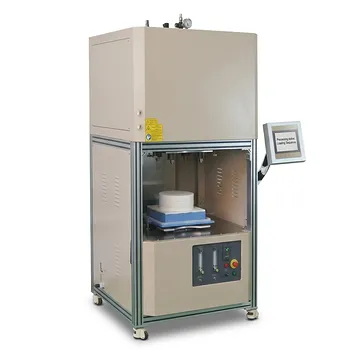
High Temperature Vertical Atmosphere Controlled Furnace with Automatic Bottom Loading and 1700°C Capacity for Advanced Material Research
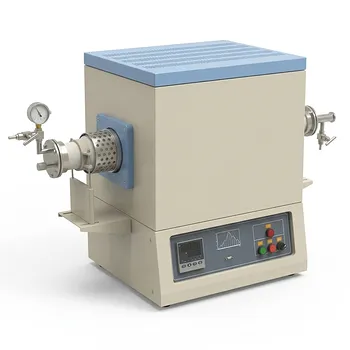
1750°C High Temperature Benchtop Vacuum Atmosphere Tube Furnace with Kanthal Super 1800 Heating Elements and 60mm Alumina Processing Tube
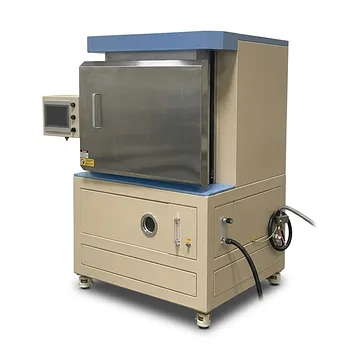
1650C High Temperature Atmosphere Controlled Box Furnace with 65L Chamber for Advanced Material Sintering and Industrial Heat Treatment
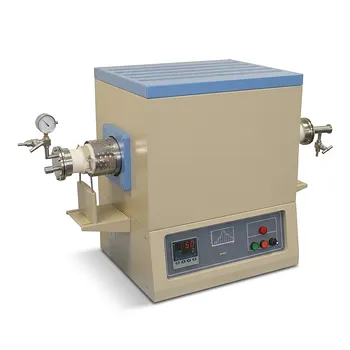
1700C High Temperature Alumina Tube Furnace with 18 Inch Heated Zone and Vacuum Sealing Flanges
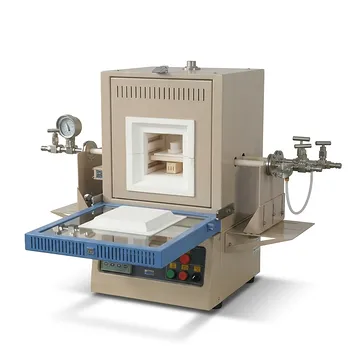
1700C Compact Hybrid Furnace with Dual Layer Box Sintering and Controlled Atmosphere Alumina Tubes

High Temperature 1700C Vertical Tube Furnace for Powder Spherification and Material Sintering

Vertical 1700C Vacuum and Atmosphere Tube Furnace with 80mm Alumina Tube
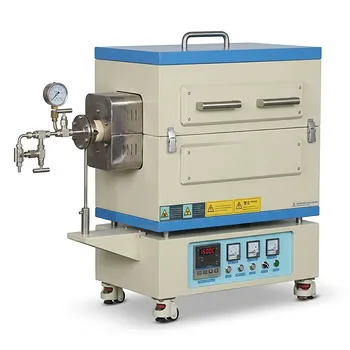
High Temperature Split Tube Furnace 1500C for Material Research Vacuum and Atmosphere Thermal Processing
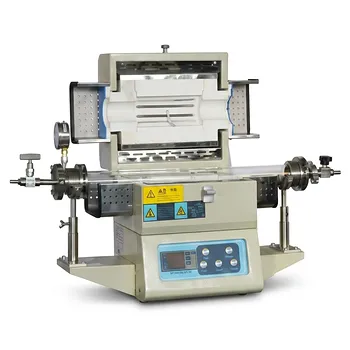
High Temperature 1200C Split Tube Furnace for CVD Research and Vacuum Atmosphere Heat Treatment
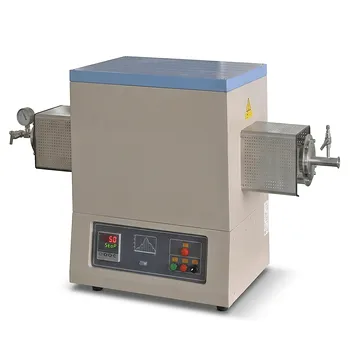
High Temperature 1700C Tube Furnace with 4 Inch OD Alumina Tube and Vacuum Sealing Flanges
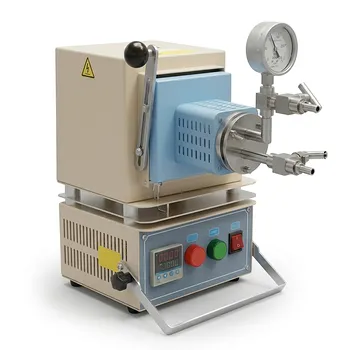
Compact Hybrid Muffle and Tube Furnace for 1000C Controlled Atmosphere Laboratory Material Sintering

Compact Vertical Split Quartz Tube Furnace with Stainless Steel Vacuum Flanges for Rapid Thermal Quenching and Controlled Atmosphere Material Processing
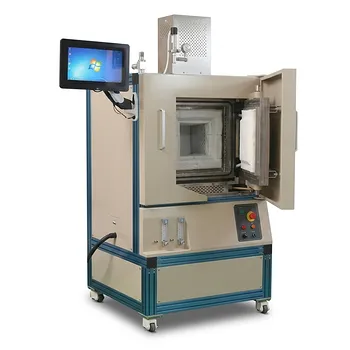
High Temperature Oxygen and Inert Atmosphere Controlled Furnace 8 Liter 1700C Sintering System for Advanced Materials RD

High Temperature 1700C Benchtop Tube Furnace with 5 Inch Heating Zone High Purity Alumina Tube and Vacuum Sealing Flanges
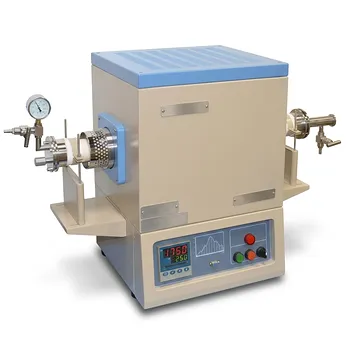
High Temperature Compact Vacuum Tube Furnace 1750C Max 60mm OD Alumina Tube
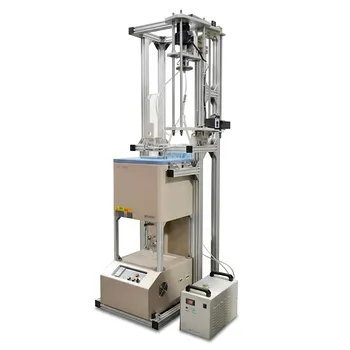
500C Vacuum Vertical Tube Furnace 84mm OD Sample Rotation Lifting System
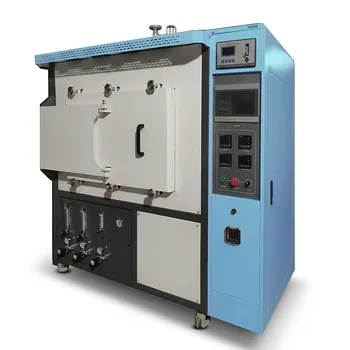
Roller Table Atmosphere Furnace 1500C High Temperature Battery Material Sintering System 112L Capacity
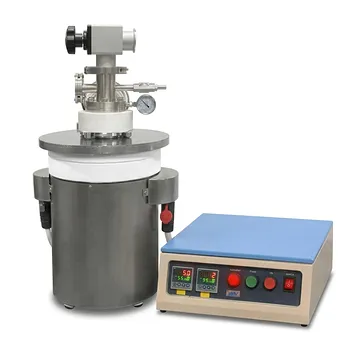
1100C High Temperature Vacuum Crucible Furnace with Quartz Chamber for Thermal Processing and Sintering
