What are the advantages of a high-atmosphere tube furnace for RHSE calcination of BTO? Optimize Phase Purity & Growth
Updated 3 months ago
Utilizing a high-atmosphere tube furnace for Barium Titanate (BTO) calcination offers a unique combination of high heating rates, precise atmospheric control, and rapid thermal cycling. These systems allow for heating profiles of up to 60 °C per minute, enabling the Rapid Heating-Short Exposure (RHSE) method to successfully induce phase transitions while strictly inhibiting grain growth.
The primary advantage of this setup is the ability to decouple crystallization from grain coarsening. By providing a clean, controlled environment with high thermal agility, the furnace ensures BTO achieves its target cubic or tetragonal phase without losing its high specific surface area.
Optimizing the Thermal Profile for RHSE
Achieving Rapid Thermal Dynamics
The high-atmosphere tube furnace is specifically engineered to reach heating rates as high as 60 °C per minute. This speed is essential for RHSE, as it allows the material to bypass lower-temperature zones where unwanted pre-sintering or slow grain growth might occur.
Precision Timing and Temperature Control
Advanced control systems enable BTO to be held at specific target temperatures—typically between 700 °C and 1000 °C—for durations as short as five minutes. This "short exposure" ensures the energy delivered is sufficient for phase transformation but insufficient for the diffusion processes that drive particle enlargement.
Uniformity of the Thermal Field
Unlike open-air processes, the enclosed nature of the tube furnace provides superior temperature field uniformity. This consistency is critical for ensuring that the entire batch of BTO undergoes identical chemical and structural changes, leading to stable electrochemical performance.
The Role of Atmosphere in Material Purity
Elimination of Volatile Impurities
The continuous supply of a controlled atmosphere, such as a steady air flow of 0.5 L per minute, is vital for removing organic residues. This flow effectively carries away decomposition products from carbonate and acetate groups found in BTO precursors.
Maintenance of Chemical Stoichiometry
A precisely regulated oxidizing or inert environment prevents the formation of carbon impurities within the BTO lattice. By managing the atmosphere, the furnace ensures the material maintains its intended chemical stoichiometry, which is essential for its dielectric properties.
Preventing Unintended Oxidation or Reduction
Depending on the specific BTO derivative, the ability to switch to a nitrogen atmosphere or maintain an oxidizing environment allows for successful thermal decomposition. This prevents unintended chemical reactions that could compromise the stability of the sintered particles.
Impact on Microstructure and Phase Stability
Controlled Phase Transition
The RHSE process within a tube furnace effectively manages the transition from amorphous to cubic or tetragonal phases. Because the exposure time is so brief, the material captures the desired crystalline structure before it can undergo further morphological changes.
Inhibition of Excessive Grain Growth
By limiting the time at peak temperature, the furnace maintains a high specific surface area. This is a major technical hurdle in BTO production, as traditional slow calcination often results in "over-sintered" particles that are too large for high-performance applications.
Induction of Specific Porosity
The controlled removal of volatiles and the rapid thermal shock can be used to induce specific porosity within the material. This structural tailoring is necessary for optimizing the energy storage and catalytic capabilities of the final Barium Titanate product.
Understanding the Trade-offs
Thermal Stress and Equipment Longevity
Operating at maximum heating rates (60 °C/min) places significant thermal stress on the furnace’s heating elements and the ceramic tube itself. Frequent rapid cycling can lead to material fatigue and a shortened lifespan for consumable components compared to steady-state operation.
Throughput vs. Precision
While RHSE is highly effective for material quality, it is often a batch process rather than a continuous one. The need for precise atmospheric purging and rapid cooling phases can limit total production throughput compared to traditional large-scale rotary kilns.
Complexity of Gas Management
Maintaining a constant, high-purity gas flow requires sophisticated monitoring systems. Any fluctuation in the 0.5 L/min air flow or atmospheric pressure can lead to localized "hot spots" or incomplete decomposition, necessitating rigorous calibration.
How to Apply RHSE to Your Project
Making the Right Choice for Your Goal
To maximize the benefits of a high-atmosphere tube furnace for BTO, align your process parameters with your specific material objectives:
- If your primary focus is high surface area: Prioritize the highest possible heating rate (60 °C/min) and the shortest exposure time to prevent grain coarsening.
- If your primary focus is phase purity: Ensure institutionalized control over the oxidizing atmosphere to completely eliminate carbonate residues.
- If your primary focus is electrochemical stability: Leverage the furnace’s temperature field uniformity to ensure consistent stoichiometry across the entire sample batch.
By mastering the balance between rapid thermal ramp rates and precise atmospheric flow, you can produce Barium Titanate that meets the rigorous demands of modern electronic and energy storage applications.
Summary Table:
| Feature | RHSE Parameter / Capability | Primary Benefit |
|---|---|---|
| Heating Rate | Up to 60 °C/min | Bypasses unwanted pre-sintering zones |
| Temp. Range | 700 °C – 1000 °C | Precise control for phase transitions |
| Atmosphere Control | Steady 0.5 L/min flow | Removes carbonates and volatile residues |
| Exposure Time | As short as 5 minutes | Prevents grain coarsening/over-sintering |
| Uniformity | Enclosed thermal field | Ensures stable electrochemical performance |
Elevate Your Material Research with THERMUNITS
As a global leader in high-temperature laboratory equipment, THERMUNITS provides the thermal precision required for cutting-edge material science and industrial R&D. Our high-atmosphere tube furnaces are engineered specifically for the rigorous demands of RHSE calcination, delivering the rapid heating and atmospheric purity necessary for superior Barium Titanate production.
Our extensive range of thermal processing solutions includes:
- Muffle, Vacuum, and Atmosphere Furnaces
- Tube, Rotary, and Hot Press Furnaces
- CVD/PECVD Systems & Vacuum Induction Melting (VIM) Furnaces
- Dental Furnaces, Electric Rotary Kilns, and Thermal Elements
Whether you are aiming to inhibit grain growth or optimize chemical stoichiometry, our expert team is here to support your success.
Ready to transform your heat treatment efficiency? Contact us today to discuss your project!
References
- Mahsa Abedi, Zsolt Pap. Influence of Rapid Heat Treatment on the Photocatalytic Activity and Stability of Barium Titanates Against a Broad Range of Pollutants. DOI: 10.3390/molecules29225350
Mentioned Products
- 1750°C High Temperature Benchtop Vacuum Atmosphere Tube Furnace with Kanthal Super 1800 Heating Elements and 60mm Alumina Processing Tube
- High Temperature Vertical Atmosphere Controlled Furnace with Automatic Bottom Loading and 1700°C Capacity for Advanced Material Research
- 1700C High Temperature Alumina Tube Furnace with 18 Inch Heated Zone and Vacuum Sealing Flanges
- High Temperature Split Tube Furnace 1500C for Material Research Vacuum and Atmosphere Thermal Processing
- Vertical 1700C Vacuum and Atmosphere Tube Furnace with 80mm Alumina Tube
People Also Ask
- What core functions does a high-temperature vacuum tube furnace provide? Optimize np-CuSn Sintering & Joint Integrity
- What is the role of a high-temperature tube furnace in the calcination process of ZnO/In2O3 nanocomposites?
- What role does a high-temperature tube furnace play in the sulfidation heat treatment of CoS@C/MXene nanocomposites? Guide
- Why is a high-temperature tube furnace required for CuAlO2 heat treatment? Master Phase Transformation Today
- What role does a high-temperature tube furnace play in executing nitrogen absorption kinetic experiments? Expert Insights

Tech Team · ThermUnits
Last updated on Jun 02, 2026
Related Products
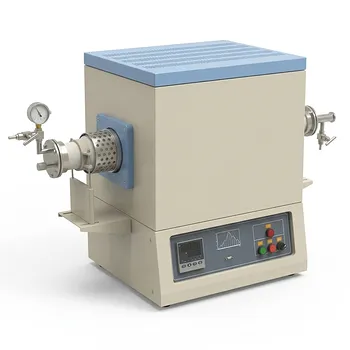
1750°C High Temperature Benchtop Vacuum Atmosphere Tube Furnace with Kanthal Super 1800 Heating Elements and 60mm Alumina Processing Tube
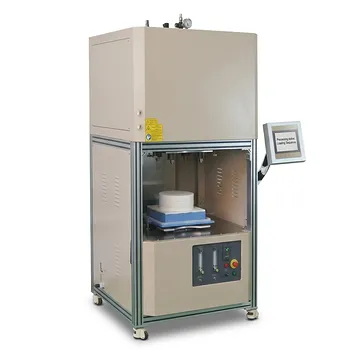
High Temperature Vertical Atmosphere Controlled Furnace with Automatic Bottom Loading and 1700°C Capacity for Advanced Material Research
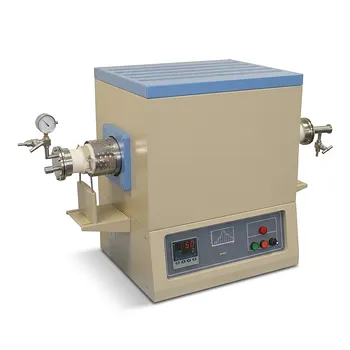
1700C High Temperature Alumina Tube Furnace with 18 Inch Heated Zone and Vacuum Sealing Flanges
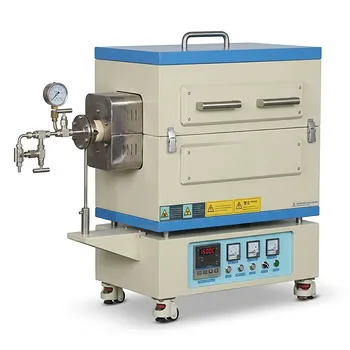
High Temperature Split Tube Furnace 1500C for Material Research Vacuum and Atmosphere Thermal Processing
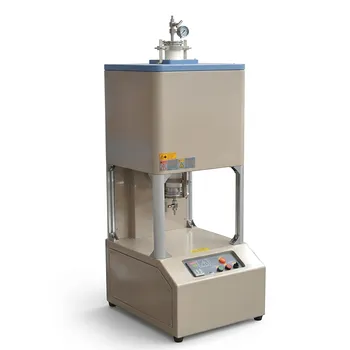
Vertical 1700C Vacuum and Atmosphere Tube Furnace with 80mm Alumina Tube
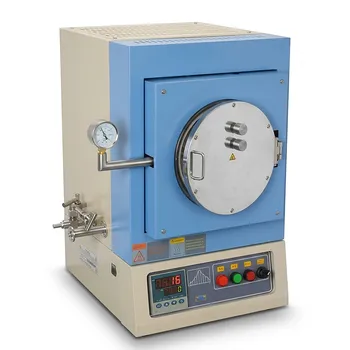
1100°C High Temperature Quartz Chamber Furnace 8 Inch OD with 7.6 Liter Capacity and Vacuum Atmosphere Capability
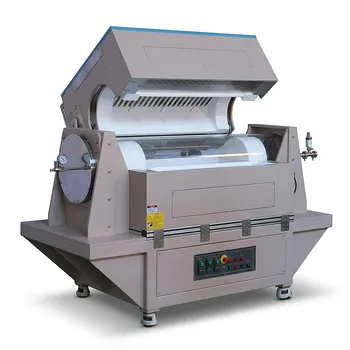
Three Zone Tube Furnace with 11 Inch or 15 Inch Quartz Tube and Hinged Flanges for Vacuum Atmosphere Heat Treatment
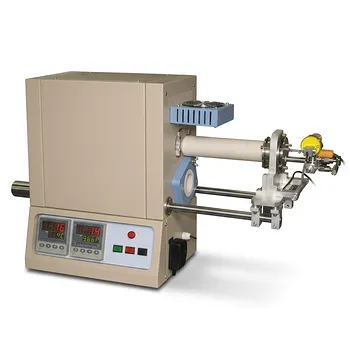
High Temperature Tube Furnace 1500C with Sliding Flanges and 50mm OD for Rapid Thermal Processing Fast Heating and Cooling

High Temperature 1700C Tube Furnace with High Vacuum Turbomolecular Pump System and Multi Channel Mass Flow Controller Gas Mixer

Compact High Temperature 1600C Tube Furnace with 50mm Alumina Tube and Vacuum Flanges for Material Sintering

High Temperature Automated 5 Inch Tube Furnace for Autonomous Material Research and Advanced Laboratory R&D

High Temperature 1700C Vertical Tube Furnace for Powder Spherification and Material Sintering
High Temperature 1700C Benchtop Tube Furnace with 5 Inch Heating Zone High Purity Alumina Tube and Vacuum Sealing Flanges
High Temperature Three Zone Tube Furnace 1700C with Alumina Tube and Water Cooled Flanges
1200C High Throughput Multi Channel Tube Furnace with 50mm Quartz Tubes for Annealing and Material Phase Diagram Research
High Temperature 1700C Tube Furnace with 4 Inch OD Alumina Tube and Vacuum Sealing Flanges
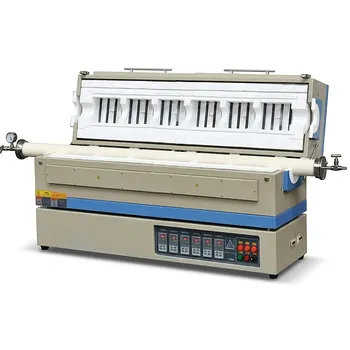
High Temperature 1700C Six Zone Split Tube Furnace with Alumina Tube and Water Cooled Flanges
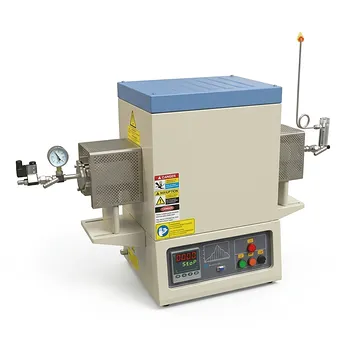
1700C Hydrogen Gas Tube Furnace with 60mm Alumina Process Tube and Integrated Hydrogen Safety Detector
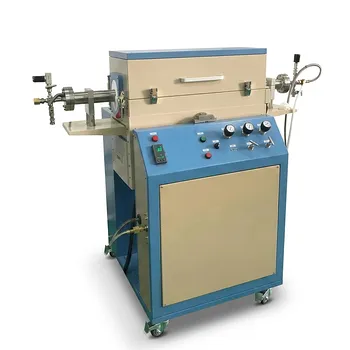
High Temperature Rocking Tube Furnace 1700°C Alumina Processing Tube with Precision Oscillation for Material Synthesis
