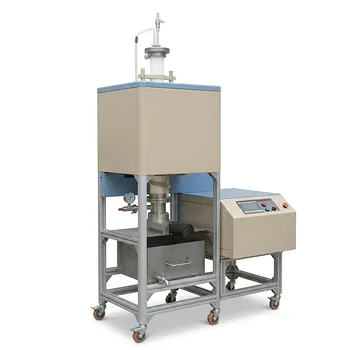
Technical Advantages of High-Purity Quartz Tubes for CuPd Catalyst Synthesis: Ensure Purity and Thermal Stability
Updated 3 months ago
High-purity quartz tubes are the gold standard for CuPd alloy catalyst synthesis because they provide a chemically sterile environment and exceptional thermal stability. These tubes act as an inert barrier that prevents external metal ions or impurities from the heating elements from contaminating the reaction. By ensuring a stable flow field for aerosol precursors, they allow for the production of high-purity binary alloys with precise structural integrity.
High-purity quartz facilitates a controlled reaction environment by combining absolute chemical inertness with high-temperature resilience. This ensures that the resulting CuPd catalysts remain free of unintended metallic contaminants that could otherwise skew catalytic performance.
Maintaining a Contamination-Free Environment
Absolute Chemical Inertness
High-purity quartz is fundamentally non-reactive with the aerosol precursors used in CuPd synthesis. This prevents the chamber walls from participating in the chemical reaction, ensuring the final catalyst's composition is derived solely from the intended precursors.
Prevention of Metal Leaching
At high temperatures, standard materials may release metallic impurities that can infiltrate the catalyst structure. Quartz tubes prevent the leaching of environmental metal ions, which is critical when the catalytic properties depend on the specific Cu-to-Pd ratio.
Isolation from Heating Elements
The quartz tube serves as a physical and chemical seal between the internal reaction and the external furnace components. This isolation ensures that volatiles from heating coils or external atmosphere do not enter the precursor flow stream.
Precision in Precursor Transport and Thermal Management
Fluid Dynamic Stability
The smooth internal surface of a quartz tube provides a clean flow channel for aerosol precursors. This minimizes turbulence and ensures a stable flow field over the substrate, which is essential for uniform alloy deposition.
Enhanced Thermal Radiation Transfer
Quartz is highly transparent to thermal radiation, allowing heat from external elements to be efficiently and uniformly transferred to the precursors. This ensures the thermal decomposition and alloying processes occur at the precise temperatures required for high-quality catalyst formation.
Real-Time Process Monitoring
The transparency of high-purity quartz allows operators to visually monitor precursor transport and physical changes like melting or ignition. This visibility is vital for verifying that the synthesis is proceeding according to the designed process parameters.
Advanced Structural and Functional Advantages
Superior Thermal Shock Resistance
CuPd synthesis often involves rapid heating or cooling cycles to control nanoparticle size and phase. Quartz tubes possess an incredibly low coefficient of thermal expansion, allowing them to withstand significant thermal stress without cracking.
Electromagnetic Wave Transparency
If induction heating is utilized, quartz is an ideal choice because it is transparent to electromagnetic waves. It does not absorb energy from the induction coils, allowing the magnetic field to target the internal heating elements or susceptors with maximum efficiency.
Vacuum and Atmosphere Control
The fully sealed structure of a quartz tube allows for strict atmosphere control, including high-vacuum states or pressurized inert gas environments. This is necessary to prevent the oxidation of Cu and Pd nanoparticles during the high-temperature alloying process.
Understanding the Trade-offs
Mechanical Fragility
Despite its thermal resilience, quartz is physically brittle and highly susceptible to mechanical impact. Careful handling and mounting are required to prevent fractures, especially when the system is under vacuum.
Devitrification at Extreme Temperatures
While quartz is stable up to approximately 1200°C, prolonged exposure to high temperatures or certain alkaline contaminants can cause devitrification. This process turns the glass into a crystalline structure, making it opaque and structurally weak over time.
Cost and Maintenance
High-purity quartz is significantly more expensive than industrial-grade glass or alumina. It also requires specialized cleaning procedures to maintain its purity, as fingerprints or oils can cause permanent etching during heating cycles.
How to Apply This to Your Project
When selecting or operating a quartz reaction chamber for catalyst preparation, consider your specific synthesis requirements:
- If your primary focus is absolute purity: Prioritize high-purity quartz over lower-grade alternatives to eliminate the risk of trace metal contamination during high-temperature cycles.
- If your primary focus is precise temperature control: Utilize the tube's transparency to integrate external infrared thermometers for real-time monitoring of the temperature gradient.
- If your primary focus is rapid synthesis cycles: Leverage the material's thermal shock resistance to implement faster ramp-up and cool-down times without risking chamber failure.
- If your primary focus is atmosphere-sensitive alloys: Ensure the tube is configured with high-quality vacuum flanges to maintain an argon-shielded environment, preventing the oxidation of Copper and Palladium.
By leveraging the unique optical and chemical properties of high-purity quartz, you can achieve the rigorous control necessary for advanced catalyst engineering.
Summary Table:
| Feature | Technical Advantage | Impact on CuPd Catalyst |
|---|---|---|
| Chemical Inertness | Prevents metal leaching and reaction with precursors | Guarantees high-purity binary alloy composition |
| Thermal Stability | High resistance to thermal shock and expansion | Supports rapid heating/cooling cycles without cracking |
| Transparency | Allows visual monitoring and efficient radiation transfer | Ensures uniform alloy deposition and precise control |
| Atmosphere Control | Supports high-vacuum and inert gas sealing | Prevents oxidation of Cu and Pd during alloying |
| Surface Quality | Smooth internal flow channel | Maintains stable fluid dynamics for aerosol precursors |
Elevate Your Research with THERMUNITS Precision Solutions
As a leading manufacturer of high-temperature laboratory equipment, THERMUNITS provides the advanced thermal processing technology required for sophisticated material science and industrial R&D. Whether you are synthesizing high-purity CuPd catalysts or developing next-generation alloys, our equipment ensures the rigorous control your project demands.
Our comprehensive product range includes:
- Tube & CVD/PECVD Systems: Optimized for precise gas flow and reaction environments.
- Specialized Furnaces: Muffle, Vacuum, Atmosphere, Rotary, and Hot Press furnaces.
- Advanced Melting: Vacuum Induction Melting (VIM) and dental furnaces.
- High-End Components: Premium thermal elements and custom heat treatment solutions.
Ready to optimize your lab's performance? Contact our engineering team today to discuss how our high-purity quartz solutions and advanced furnace systems can drive your research forward.
References
- Muhammad Ali Ehsan, Wasif Farooq. Facile fabrication of binary copper–palladium alloy thin film catalysts for exceptional hydrogen evolution performance. DOI: 10.1039/d4ma00410h
Mentioned Products
- 1200C Four Zone Split Tube Furnace with Touch Screen Control and High Purity Quartz Tube and Vacuum Sealing Flanges
- High Throughput 1200C Four Channel Tube Furnace with 3 Inch Quartz Tubes for Multi Zone Annealing and Material Research
- 1100°C High Temperature Quartz Chamber Furnace 8 Inch OD with 7.6 Liter Capacity and Vacuum Atmosphere Capability
- 1100°C Large Diameter Quartz Tube Furnace with 24 Inch Heating Zone and Water Cooled Flanges
- 1200°C 5 Inch Vertical Quartz Tube Furnace with Stainless Steel Vacuum Flanges
People Also Ask
- What are the functions of a high-purity quartz tube in IF-MoS2 sulfurization? Ensure Purity and Precise Thermal Control
- What are the primary functions of a high-purity quartz tube furnace during the molten salt treatment of MXene? Expert Guide
- What are the technical advantages of using a multi-zone independently controlled tube furnace in the modified USP process?
- Why is a quartz tube furnace necessary for phosphorus-doped MoS2/GO preparation? Ensure Purity & Precise Synthesis
- What role does a single-temperature zone quartz tube furnace play in the growth of monolayer MoS2? Optimize 2D Synthesis

Tech Team · ThermUnits
Last updated on Jun 03, 2026
Related Products
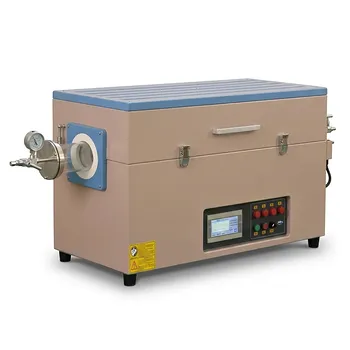
1200C Four Zone Split Tube Furnace with Touch Screen Control and High Purity Quartz Tube and Vacuum Sealing Flanges
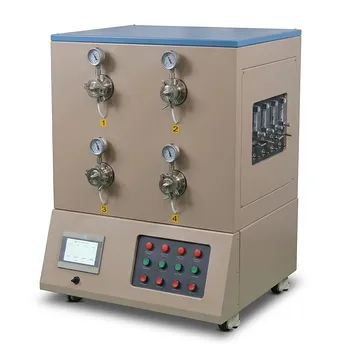
High Throughput 1200C Four Channel Tube Furnace with 3 Inch Quartz Tubes for Multi Zone Annealing and Material Research

1100°C High Temperature Quartz Chamber Furnace 8 Inch OD with 7.6 Liter Capacity and Vacuum Atmosphere Capability
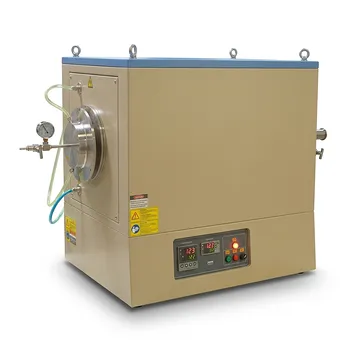
1100°C Large Diameter Quartz Tube Furnace with 24 Inch Heating Zone and Water Cooled Flanges

1200°C 5 Inch Vertical Quartz Tube Furnace with Stainless Steel Vacuum Flanges
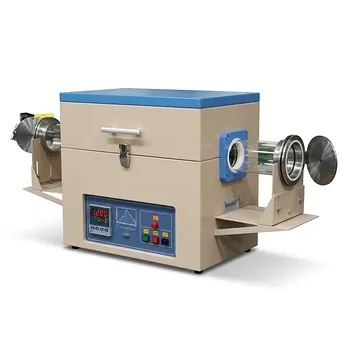
High Temperature 1200C Split Tube Furnace with Hinged Vacuum Flanges and 4 Inch Quartz Tube for Laboratory Research
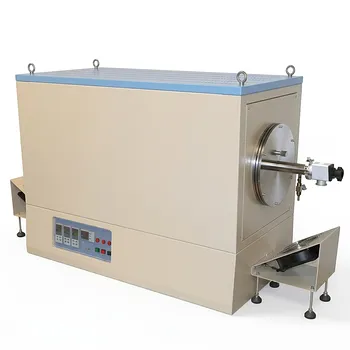
1100°C Three Zone Tube Furnace with 8.5 to 11 Inch OD Quartz Tube and Vacuum Flanges for Large Wafer Processing
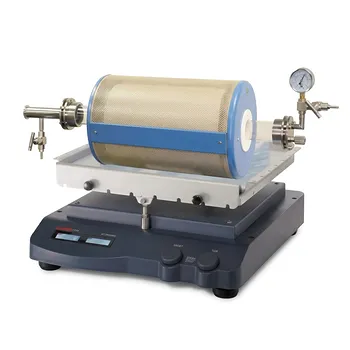
High Temperature Rocking Tube Furnace with Quartz Tube and Vacuum Flange for Materials Synthesis

High Temperature Automated 5 Inch Tube Furnace for Autonomous Material Research and Advanced Laboratory R&D
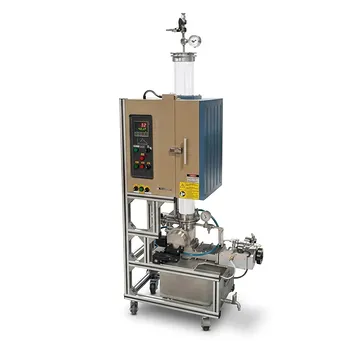
1200C High Temperature Atmosphere Controlled Vertical Quenching Tube Furnace with 4 Inch Quartz Tube
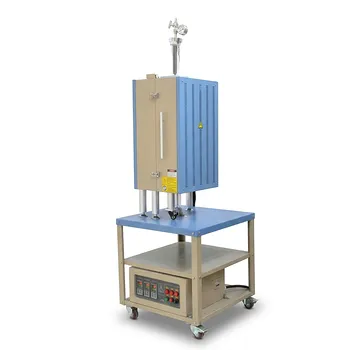
1200C Three Zone Vertical Tube Furnace with 2 Inch Quartz Tube and Vacuum Flanges
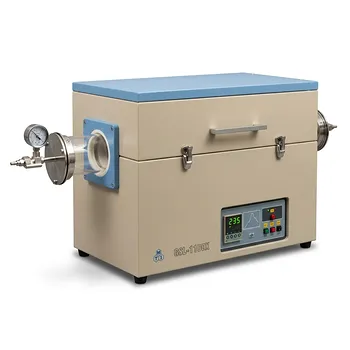
Single Zone Tube Furnace 5 Inch Quartz Tube 36 Inch Heating Zone Vacuum Flanges
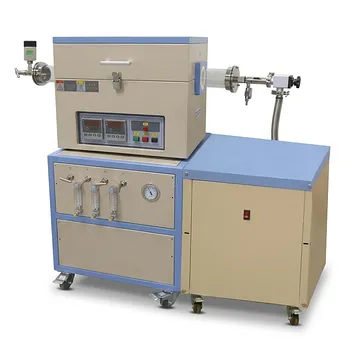
Dual Zone Quartz Tube Furnace with 80mm Diameter 1200C Max Temperature 3 Channel Gas Mixer and Vacuum Pump System

Compact Vertical Split Quartz Tube Furnace with Stainless Steel Vacuum Flanges for Rapid Thermal Quenching and Controlled Atmosphere Material Processing
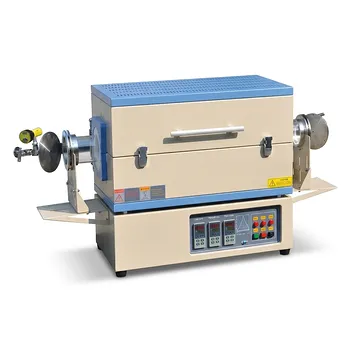
Three Zone Tube Furnace with 24 Inch Heating Length and Hinged Flange Quartz Tube System
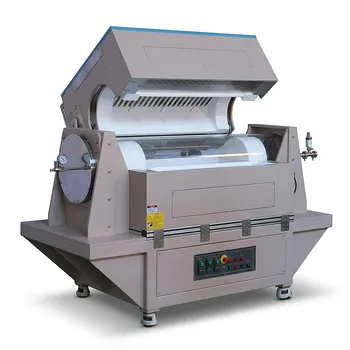
Three Zone Tube Furnace with 11 Inch or 15 Inch Quartz Tube and Hinged Flanges for Vacuum Atmosphere Heat Treatment
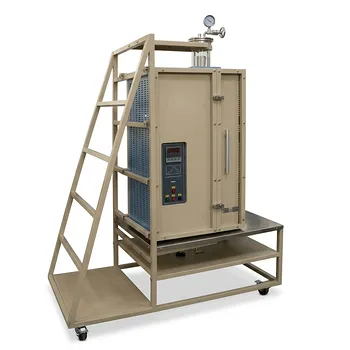
Split Vertical Tube Furnace with 1200C Quartz Tube and Stainless Steel Vacuum Flanges for Rapid Thermal Processing
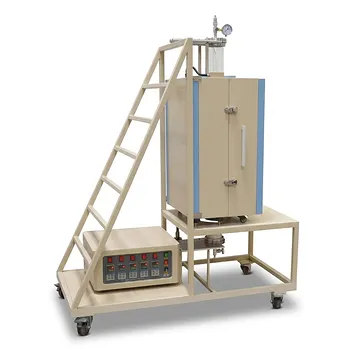
Five Zone Split Vertical Tube Furnace 1200C Max with 4 Inch Quartz Tube and Stainless Steel Vacuum Flanges
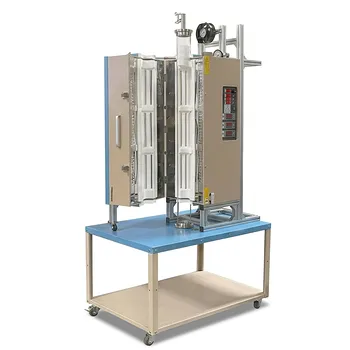
1200C Three Zone Split Vertical Tube Furnace 4 Inch Quartz Tube Stainless Steel Vacuum Flanges