What are the technical advantages of high-purity quartz tubes in CVD? Ensure Material Purity and Thermal Stability
Updated 6 months ago
High-purity quartz tubes are the industry standard for Chemical Vapor Deposition (CVD) because they provide a unique combination of extreme thermal resistance, chemical inertness, and optical transparency. These reactors can withstand temperatures exceeding 1000°C while maintaining structural integrity and preventing the leaching of metal impurities that would otherwise contaminate sensitive materials like carbon nanotubes or MoS2 thin films.
Core Takeaway: High-purity quartz serves as a chemically "invisible" reaction vessel that isolates the process from the environment, ensuring that material growth is driven solely by intended precursors and catalysts rather than vessel contaminants.
Superior Thermal Performance and Stability
Resistance to Extreme Processing Temperatures
High-purity quartz can withstand sustained reaction temperatures between 800°C and 1000°C without deforming or losing structural integrity. This allows it to serve as a reliable platform for high-energy synthesis processes required for advanced nanomaterials.
Exceptional Thermal Shock Resistance
Quartz exhibits a very low coefficient of thermal expansion, which translates to high thermal shock resistance. This property prevents the reactor from cracking or shattering during the rapid heating and cooling cycles common in horizontal CVD systems.
Efficient and Uniform Heat Transfer
The material properties of quartz ensure that thermal energy from external heating elements is transferred efficiently and uniformly to the internal reaction zone. This uniformity is critical for maintaining the specific temperature gradient profiles required for consistent thin-film deposition.
Chemical Inertness and Purity Preservation
Prevention of Impurity Leaching
The high-purity nature of the glass ensures that no impurity ions or metal contaminants are released into the reaction environment at high temperatures. This is vital for preserving the semiconducting performance and electrical purity of synthesized two-dimensional (2D) materials.
Chemical Stability Against Precursors
Quartz is chemically inert and does not react with organic precursors, catalysts, or process gases. This stability ensures that the growth results are attributed solely to the intentional seeds and gases, rather than unintended side reactions with the vessel wall.
Isolation from the External Atmosphere
The quartz tube effectively isolates the internal reaction from the external atmosphere. This creates a controlled environment where the transport of gas flow can be managed precisely without interference from ambient oxygen or moisture.
Enhanced Process Monitoring and Fluid Dynamics
Optical Transparency for Real-Time Observation
The transparent nature of fused quartz allows operators to visually monitor the reaction in real-time. This includes observing the status of substrates, the placement of precursors, and the transport of growth materials inside the furnace.
Facilitation of Non-Contact Temperature Sensing
Transparency enables the use of external infrared thermometers to measure internal temperatures directly through the tube wall. This allows for more accurate process control and ensures the temperature adheres strictly to the designed growth profile.
Optimized Internal Gas Flow
High-purity quartz tubes feature a smooth inner wall, which facilitates the uniform delivery of precursor gas flows. This smooth surface reduces turbulence and prevents the accumulation of unwanted byproducts, leading to more efficient collection of the final material.
Understanding the Trade-offs
Fragility and Handling Requirements
While quartz is thermally robust, it is mechanically brittle and fragile. It requires careful handling and specialized sealing to prevent breakage during assembly or maintenance.
Temperature Limitations and Devitrification
Extended use at the upper limits of its temperature range (near 1100°C or higher) can lead to devitrification, where the glass begins to crystallize. This process can make the tube opaque and eventually lead to structural failure if not monitored.
Sensitivity to Specific Chemicals
Quartz is highly susceptible to etching by hydrofluoric acid (HF) and can be degraded by certain alkaline materials at high temperatures. Users must ensure that cleaning protocols and process chemistries are compatible with silica-based glass.
Making the Right Choice for Your Goal
When selecting a quartz reactor for your CVD system, your specific material requirements should dictate the grade and dimensions of the tube.
- If your primary focus is Semi-conductor Purity: Prioritize "High-Purity" or "Ultra-High Purity" grades to eliminate the risk of trace metal contamination in 2D materials.
- If your primary focus is Real-Time Process Control: Ensure the quartz is "Optical Grade" or "Transparent Fused" to allow for accurate IR pyrometry and visual inspection.
- If your primary focus is High-Throughput Production: Select tubes with precision-ground ends to ensure a vacuum-tight seal and consistent gas flow dynamics across multiple runs.
High-purity quartz remains the definitive choice for CVD reactors, balancing the demanding needs of high-temperature chemistry with the absolute necessity of material purity.
Summary Table:
| Feature | Technical Advantage | Impact on CVD Process |
|---|---|---|
| Thermal Resistance | Withstands 1000°C+ | Enables high-energy nanomaterial synthesis |
| Chemical Inertness | Zero impurity leaching | Ensures semiconductor-grade material purity |
| Thermal Shock | Low expansion coefficient | Prevents tube cracking during rapid cooling |
| Optical Clarity | Transparent fused quartz | Allows real-time monitoring and IR pyrometry |
| Surface Quality | Smooth inner walls | Optimizes gas flow and reduces turbulence |
Elevate Your Material Research with THERMUNITS
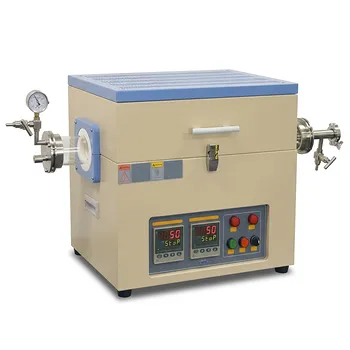
As a global leader in high-temperature laboratory equipment, THERMUNITS provides the precision tools necessary for advanced material science and industrial R&D. Our specialized Tube Furnaces and CVD/PECVD systems are engineered to work seamlessly with high-purity quartz reactors, ensuring your thin-film deposition and heat treatment processes achieve maximum purity and consistency.
Beyond CVD solutions, our comprehensive range includes Muffle, Vacuum, Atmosphere, Rotary, and Hot Press furnaces, as well as VIM systems and Thermal Elements. Let us help you select the ideal thermal processing equipment tailored to your specific research goals.
Contact our technical experts today to optimize your laboratory setup!
References
- Jean‐Luc Meunier, Jason R. Tavares. Continuous Reactive-Roll-to-Roll Growth of Carbon Nanotubes for Fog Water Harvesting Applications. DOI: 10.3390/c10010009
Mentioned Products
- 1100°C Large Diameter Quartz Tube Furnace with 24 Inch Heating Zone and Water Cooled Flanges
- 1200C Three Zone Vertical Tube Furnace with 2 Inch Quartz Tube and Vacuum Flanges
- 1100°C Dual Zone Split Vertical Tube Furnace with 4 Inch Quartz Tube and Vacuum Sealing Flanges
- Dual Zone Quartz Tube Furnace with 80mm Diameter 1200C Max Temperature 3 Channel Gas Mixer and Vacuum Pump System
- High Temperature 1700C Benchtop Tube Furnace with 5 Inch Heating Zone High Purity Alumina Tube and Vacuum Sealing Flanges
People Also Ask
- Why is a quartz tube furnace necessary for phosphorus-doped MoS2/GO preparation? Ensure Purity & Precise Synthesis
- What are the advantages of 1100°C tube furnaces for ORR catalysts? Boost Conductivity and Structural Stability.
- What conditions does a quartz tube furnace provide for AlxCoCrFeNi steam corrosion tests? Achieve Precise R&D Control.
- What is the primary function of a Quartz Tube Furnace in ZnO VLS growth? Master High-Precision Nanowire Synthesis
- Why is a high-purity quartz tube used for SP-Fe3O4-C? Ensure Chemical Purity & Catalytic Stability

Tech Team · ThermUnits
Last updated on Apr 14, 2026
Related Products
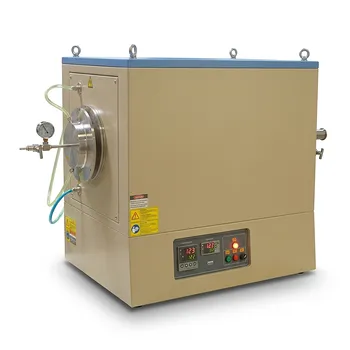
1100°C Large Diameter Quartz Tube Furnace with 24 Inch Heating Zone and Water Cooled Flanges
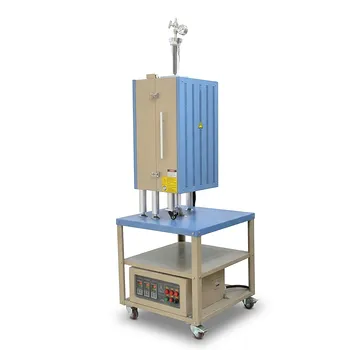
1200C Three Zone Vertical Tube Furnace with 2 Inch Quartz Tube and Vacuum Flanges
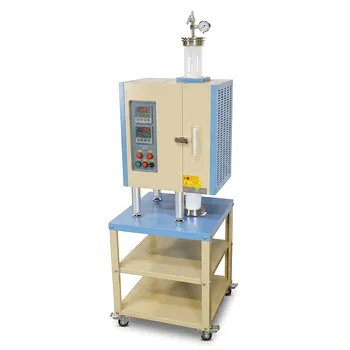
1100°C Dual Zone Split Vertical Tube Furnace with 4 Inch Quartz Tube and Vacuum Sealing Flanges
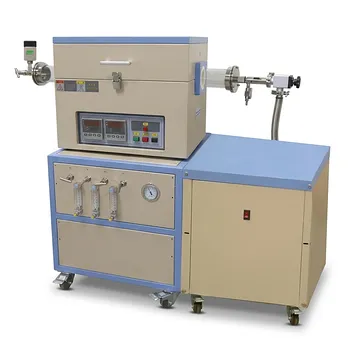
Dual Zone Quartz Tube Furnace with 80mm Diameter 1200C Max Temperature 3 Channel Gas Mixer and Vacuum Pump System
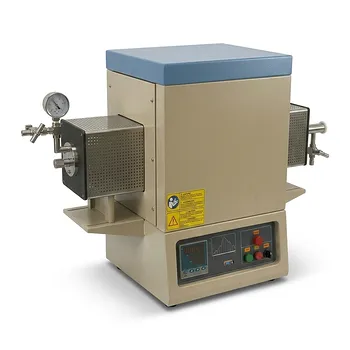
High Temperature 1700C Benchtop Tube Furnace with 5 Inch Heating Zone High Purity Alumina Tube and Vacuum Sealing Flanges
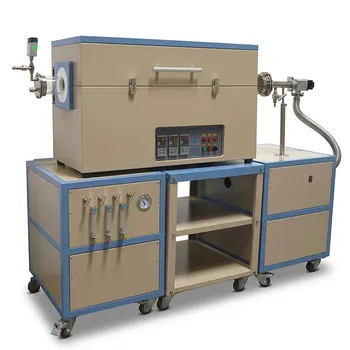
Three Zone Quartz Tube Furnace with 3 Channel Gas Mixer Vacuum Pump and Anti Corrosive Vacuum Gauge
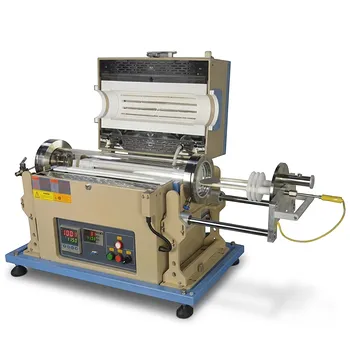
1200°C High Temperature 4 Inch Tube Furnace with Sliding Flange for CVD Systems
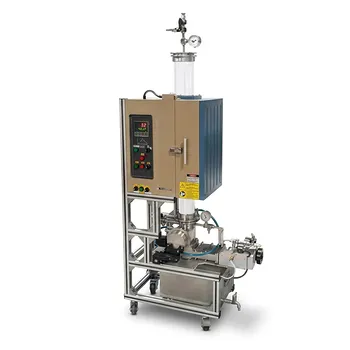
1200C High Temperature Atmosphere Controlled Vertical Quenching Tube Furnace with 4 Inch Quartz Tube
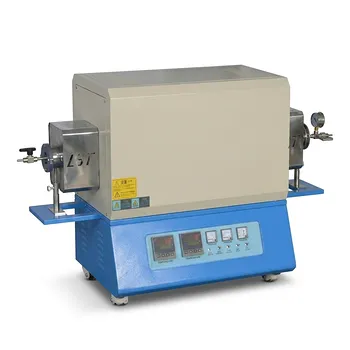
High Temperature Dual Zone Vacuum Tube Furnace for Material Research and CVD Processing
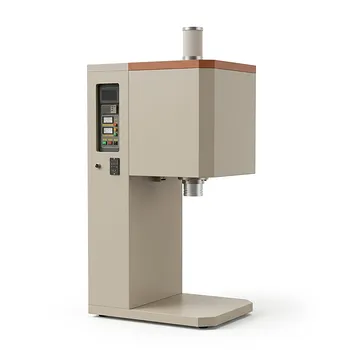
Vertical Openable Tube Furnace 0-1700c High Temperature Laboratory System for CVD and Vacuum Heat Treatment
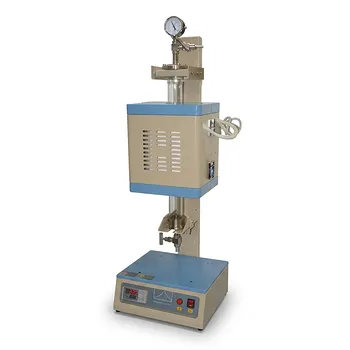
Compact Vertical Split Quartz Tube Furnace with Stainless Steel Vacuum Flanges for Rapid Thermal Quenching and Controlled Atmosphere Material Processing
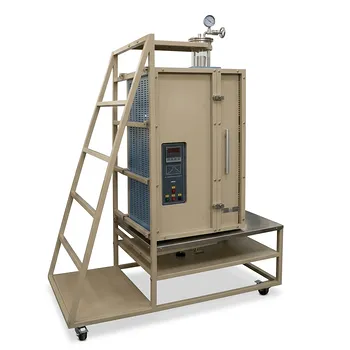
Split Vertical Tube Furnace with 1200C Quartz Tube and Stainless Steel Vacuum Flanges for Rapid Thermal Processing
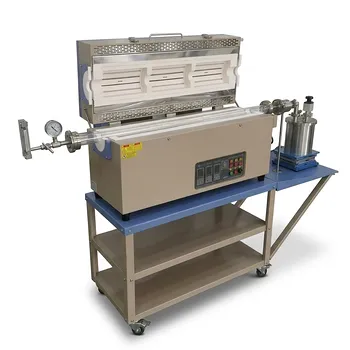
5 Inch Two Zone Rotary Tube Furnace 1100C for Powder CVD and Material Synthesis
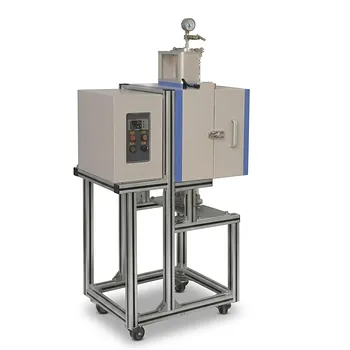
1200°C 5 Inch Vertical Quartz Tube Furnace with Stainless Steel Vacuum Flanges
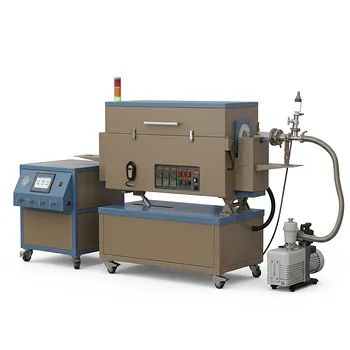
5 Inch Three Zone Rotary Tube Furnace with Integrated Gas Delivery System and 1200C Capability for Advanced Material CVD Processing
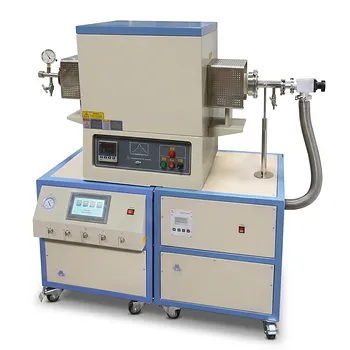
High Temperature 1700C Tube Furnace with High Vacuum Turbomolecular Pump System and Multi Channel Mass Flow Controller Gas Mixer
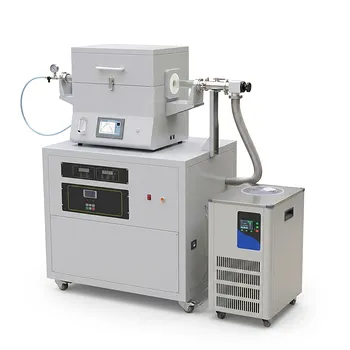
Split Chamber CVD Tube Furnace with Vacuum Station Chemical Vapor Deposition System Machine
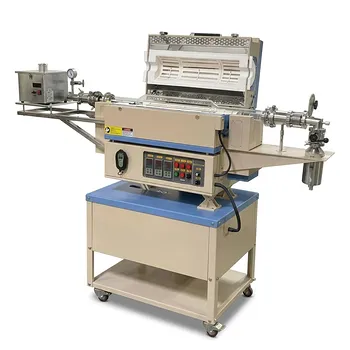
5 Inch Rotary Tube Furnace with Automatic Feeding and Receiving System 1200C Three Zone CVD Powder Processing
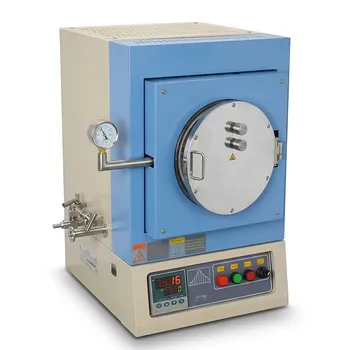
1100°C High Temperature Quartz Chamber Furnace 8 Inch OD with 7.6 Liter Capacity and Vacuum Atmosphere Capability