What are the technical advantages of using high-purity quartz tubes in permeation modules? Ensure R&D Purity.
Updated 3 months ago
High-purity quartz tubes offer a critical combination of thermal resilience, chemical neutrality, and optical clarity that ensures experimental integrity. As the outer boundary for permeation modules, they provide a hermetic seal that prevents gas leakage, withstands temperatures exceeding 900°C, and eliminates the risk of metal vapor contamination that could skew sensitive measurements.
Core Takeaway: High-purity quartz serves as a technically superior barrier because it is both chemically and physically passive. It ensures that the resulting data reflects only the performance of the internal membrane or catalyst, rather than side reactions or contamination from the container itself.
Exceptional Thermal and Physical Stability
Resistance to Extreme Temperatures
Quartz maintains its structural integrity and chemical stability at temperatures frequently exceeding 760°C to 900°C. This makes it an essential material for high-temperature permeation and reaction studies where standard glass or polymers would fail.
Superior Thermal Shock Resistance
High-purity quartz can withstand rapid heating and cooling cycles, often referred to as second-level thermal stress. This resistance prevents the outer boundary from cracking or fracturing when subjected to significant temperature gradients between the internal module and the external environment.
Low Gas Permeability
The material possesses extremely low gas permeability, which is vital for maintaining a controlled atmosphere. This ensures that the gases measured during permeation are strictly those that have passed through the membrane assembly, rather than leaking through the reactor walls.
Maintaining Chemical and Analytical Purity
Elimination of Metal Vapor Contamination
Unlike metallic reactor shells, high-purity quartz does not release metal vapors or ions into the system. This prevents unintended catalytic effects or the contamination of sensitive samples, such as carbon nanotubes or high-purity catalysts.
Inertness to Corrosive Reactants
Quartz is highly resistant to chemical erosion from aggressive species like sulfur (S) and phosphorus (P) vapors. It also remains non-reactive in the presence of common industrial gases such as CH4, CO2, SO2, and NO2, ensuring zero "background effect" on experimental data.
Precise Atmosphere Control
The fully sealed structure of a quartz tube allows for strict atmosphere management, including vacuuming and back-filling with high-purity inert gases like argon. This level of control is necessary to prevent the oxidation of sensitive nanoparticles or internal carriers during high-temperature processing.
Enhanced Process Monitoring and Heating
Optical Transparency for Real-Time Observation
The transparency of quartz allows researchers to visually monitor the state of the membrane assembly and physical changes in the material surface during high-temperature operations. This capability is often paired with video recording to document experimental transitions as they occur.
Compatibility with Infrared and Radiant Heating
Quartz allows radiant energy and infrared wavelengths to pass through with minimal loss. This enables the use of external infrared thermometers for non-contact temperature monitoring and ensures that external heating lamps can precisely target the internal sample.
Electromagnetic Wave Transparency
For applications involving induction heating, quartz is ideal because it does not absorb or interfere with the magnetic fields generated by induction coils. This ensures that electromagnetic energy is precisely targeted at internal heating elements rather than being wasted on the container wall.
Understanding the Trade-offs
Mechanical Brittleness
Despite its thermal strength, quartz is physically brittle and susceptible to mechanical impact. It requires careful handling and specialized fittings to avoid breakage, especially when integrated into complex mechanical systems.
Pressure Limitations
While quartz handles internal-external temperature differences well, it has lower tensile strength compared to stainless steel or superalloys. This limits its use in extremely high-pressure permeation applications unless the wall thickness is significantly increased or a pressure-balanced design is used.
Cost and Fabrication Complexity
High-purity quartz is more expensive than industrial-grade glass or standard metals. Additionally, modifying quartz tubes—such as adding ports or custom seals—requires specialized glassblowing skills and high-temperature equipment.
Making the Right Choice for Your Goal
How to Apply This to Your Project
Determining whether to use a high-purity quartz boundary depends on the specific requirements of your permeation study.
- If your primary focus is analytical purity and catalyst integrity: Utilize high-purity quartz to ensure that no metallic impurities leach into your reaction and affect your results.
- If your primary focus is visual or infrared monitoring: Choose quartz for its high transparency, allowing you to use external sensors and cameras to track the membrane’s physical state at high temperatures.
- If your primary focus is high-pressure operation: Consider whether a metallic alloy might be more appropriate, or ensure your quartz tube is rated for the specific pressure and temperature of your experiment.
- If your primary focus is induction or radiant heating: Use quartz to allow electromagnetic or radiant energy to reach your internal components without heating the reactor shell itself.
By prioritizing high-purity quartz in sensitive experimental setups, you secure a neutral, transparent, and resilient environment that guarantees the accuracy of your permeation data.
Summary Table:
| Feature | Technical Advantage | Impact on Experiment |
|---|---|---|
| Thermal Resilience | Withstands 760°C - 900°C+ | Enables high-temperature reaction studies without structural failure. |
| Chemical Neutrality | Zero metal vapor/ion release | Prevents sample contamination and unintended catalytic side-reactions. |
| Optical Clarity | Transparent to UV/IR/Visible light | Allows real-time visual monitoring and non-contact IR temperature sensing. |
| Gas Impermeability | Extremely low leakage rates | Ensures measured gas flow strictly represents membrane performance. |
| Wave Transparency | Does not absorb magnetic fields | Ideal for induction heating applications; energy targets internal elements. |
Elevate Your Thermal Research with THERMUNITS Precision
At THERMUNITS, we specialize in providing high-performance thermal solutions tailored for the most demanding material science and industrial R&D environments. Our expertise ensures that your experiments benefit from the highest levels of purity and precision.
As a leading manufacturer, we offer a comprehensive range of laboratory equipment, including:
- Advanced Furnaces: Muffle, Vacuum, Atmosphere, Tube, Rotary, and Hot Press furnaces.
- Specialized Systems: CVD/PECVD systems, Dental Furnaces, and Vacuum Induction Melting (VIM) furnaces.
- Industrial Solutions: Electric rotary kilns and high-quality thermal elements.
Whether you need custom quartz tube configurations for permeation modules or a complete furnace setup, our team is ready to deliver technical excellence. Contact us today to discuss your specific requirements and see how our thermal processing solutions can drive your project success!
References
- Thomas F. Fuerst, Masashi Shimada. Deuterium Permeation Through a Self-Supported Palladium-Silver Membrane in Helium Gas Mixtures. DOI: 10.1109/tps.2024.3356857
Mentioned Products
- 1200C Four Zone Split Tube Furnace with Touch Screen Control and High Purity Quartz Tube and Vacuum Sealing Flanges
- High Throughput 1200C Four Channel Tube Furnace with 3 Inch Quartz Tubes for Multi Zone Annealing and Material Research
- 1100°C High Temperature Quartz Chamber Furnace 8 Inch OD with 7.6 Liter Capacity and Vacuum Atmosphere Capability
- 1100°C Large Diameter Quartz Tube Furnace with 24 Inch Heating Zone and Water Cooled Flanges
- 1200°C 5 Inch Vertical Quartz Tube Furnace with Stainless Steel Vacuum Flanges
People Also Ask
- What are the functions of a high-purity quartz tube in IF-MoS2 sulfurization? Ensure Purity and Precise Thermal Control
- What are the primary functions of a high-purity quartz tube furnace during the molten salt treatment of MXene? Expert Guide
- What are the technical advantages of using a multi-zone independently controlled tube furnace in the modified USP process?
- Why is a quartz tube furnace necessary for phosphorus-doped MoS2/GO preparation? Ensure Purity & Precise Synthesis
- What role does a single-temperature zone quartz tube furnace play in the growth of monolayer MoS2? Optimize 2D Synthesis

Tech Team · ThermUnits
Last updated on Jun 02, 2026
Related Products
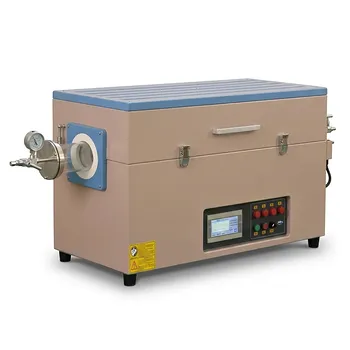
1200C Four Zone Split Tube Furnace with Touch Screen Control and High Purity Quartz Tube and Vacuum Sealing Flanges
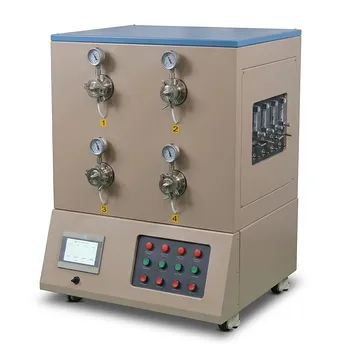
High Throughput 1200C Four Channel Tube Furnace with 3 Inch Quartz Tubes for Multi Zone Annealing and Material Research
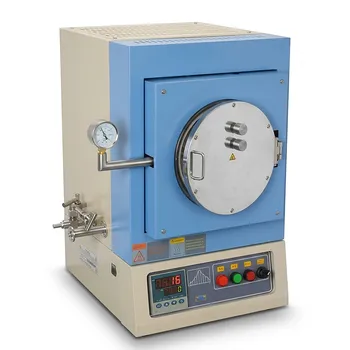
1100°C High Temperature Quartz Chamber Furnace 8 Inch OD with 7.6 Liter Capacity and Vacuum Atmosphere Capability
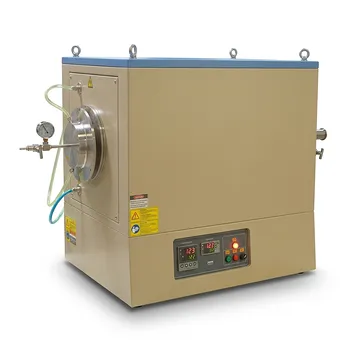
1100°C Large Diameter Quartz Tube Furnace with 24 Inch Heating Zone and Water Cooled Flanges

1200°C 5 Inch Vertical Quartz Tube Furnace with Stainless Steel Vacuum Flanges
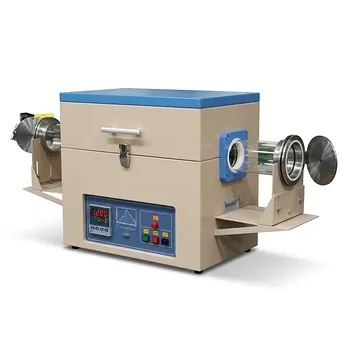
High Temperature 1200C Split Tube Furnace with Hinged Vacuum Flanges and 4 Inch Quartz Tube for Laboratory Research
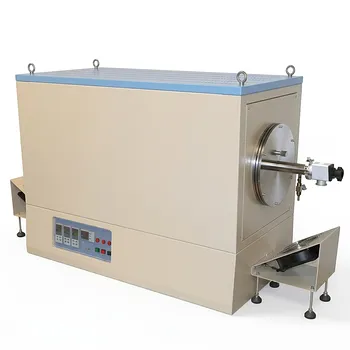
1100°C Three Zone Tube Furnace with 8.5 to 11 Inch OD Quartz Tube and Vacuum Flanges for Large Wafer Processing
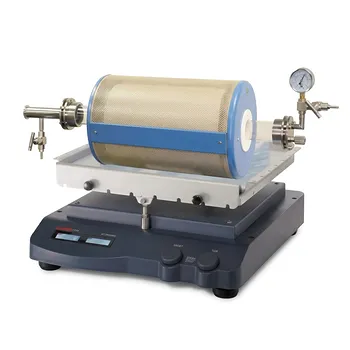
High Temperature Rocking Tube Furnace with Quartz Tube and Vacuum Flange for Materials Synthesis

High Temperature Automated 5 Inch Tube Furnace for Autonomous Material Research and Advanced Laboratory R&D
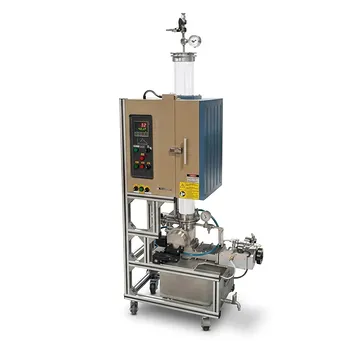
1200C High Temperature Atmosphere Controlled Vertical Quenching Tube Furnace with 4 Inch Quartz Tube
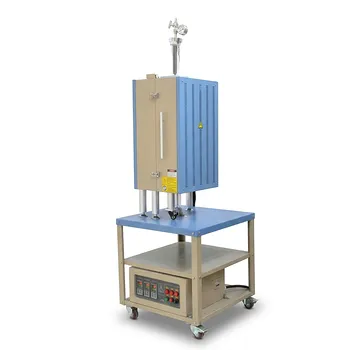
1200C Three Zone Vertical Tube Furnace with 2 Inch Quartz Tube and Vacuum Flanges
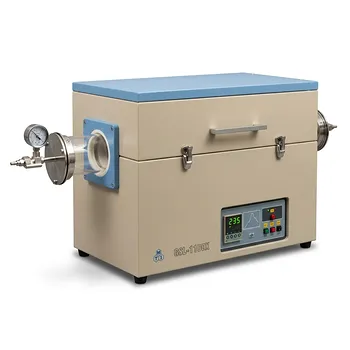
Single Zone Tube Furnace 5 Inch Quartz Tube 36 Inch Heating Zone Vacuum Flanges
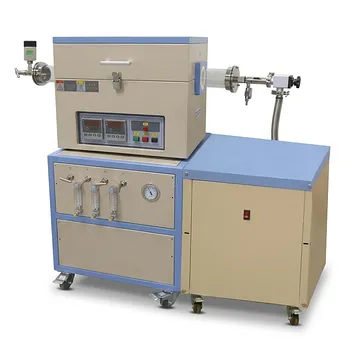
Dual Zone Quartz Tube Furnace with 80mm Diameter 1200C Max Temperature 3 Channel Gas Mixer and Vacuum Pump System

Compact Vertical Split Quartz Tube Furnace with Stainless Steel Vacuum Flanges for Rapid Thermal Quenching and Controlled Atmosphere Material Processing
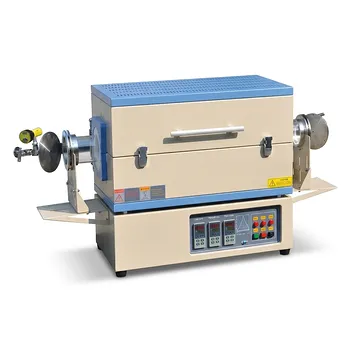
Three Zone Tube Furnace with 24 Inch Heating Length and Hinged Flange Quartz Tube System

Three Zone Tube Furnace with 11 Inch or 15 Inch Quartz Tube and Hinged Flanges for Vacuum Atmosphere Heat Treatment
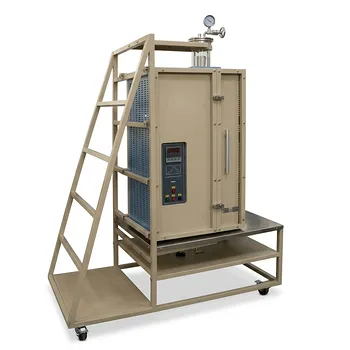
Split Vertical Tube Furnace with 1200C Quartz Tube and Stainless Steel Vacuum Flanges for Rapid Thermal Processing
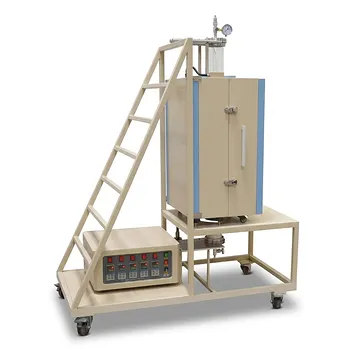
Five Zone Split Vertical Tube Furnace 1200C Max with 4 Inch Quartz Tube and Stainless Steel Vacuum Flanges
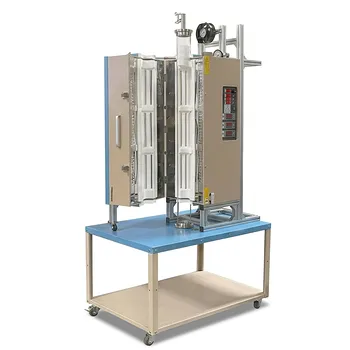
1200C Three Zone Split Vertical Tube Furnace 4 Inch Quartz Tube Stainless Steel Vacuum Flanges