What thermal treatment conditions does a tube annealing furnace provide during stripping? Master Ion-Cutting
Updated 3 months ago
Precision and protection are the defining characteristics of this phase. During the stripping phase of the ion-cutting process, an industrial tube annealing furnace provides step-controlled temperature profiles within a strictly nitrogen-protected environment. These specific conditions facilitate the mechanical separation of thin films, such as Beta-Ga2O3, by driving hydrogen ion aggregation into pressurized micro-bubbles while simultaneously strengthening the chemical bond at the wafer interface.
The industrial tube furnace acts as a specialized thermal reactor that converts thermal energy into mechanical work at the atomic level. By maintaining a stable, inert microenvironment, it ensures that the physical stripping of the film occurs uniformly without compromising the chemical integrity of the bonded substrate.
The Role of Step-Controlled Temperature
Driving Hydrogen Ion Aggregation
The furnace provides the precise thermal energy required to mobilize injected hydrogen ions within the damage layer of the wafer. As temperature is increased in a controlled manner, these ions aggregate into micro-bubbles, creating significant internal pressure.
Facilitating Mechanical Stripping
Once the internal pressure within the micro-bubbles reaches a critical threshold, it triggers the complete mechanical stripping of the thin film. This process allows for the clean transfer of materials, such as Beta-Ga2O3 thin films, onto a target substrate like SiC.
Strengthening Interfacial Chemical Bonds
Beyond the physical separation of the film, the heat treatment serves to fortify the chemical bond at the interface between the two bonded materials. This ensures that the newly transferred film remains securely attached to the substrate, enhancing the structural reliability of the resulting composite wafer.
The Significance of Atmospheric Control
Nitrogen-Protected Environments
The use of a nitrogen-protected atmosphere is critical to prevent oxidation and contamination of the wafer surfaces at high temperatures. By displacing oxygen, the furnace ensures that the chemical reactions remain focused solely on ion aggregation and interfacial bonding.
Ensuring Thermal Uniformity
Industrial-grade tube furnaces utilize sealed, high-temperature resistant tubing to create a stable microenvironment. This design ensures that the temperature distribution is uniform across the entire surface of the bonded wafers, preventing localized thermal stresses that could crack the fragile thin films.
Regulation of Soaking Times
The furnace allows for the precise regulation of soaking times—the duration the wafers are held at a specific temperature. This control is vital for allowing the solid-state reactions and ion movements to reach completion before moving to the next stage of the thermal cycle.
Understanding the Trade-offs and Pitfalls
Thermal Stress and Ramp Rates
While high temperatures are necessary for stripping, ramping the temperature too quickly can induce thermal shock. If the heating rate is not perfectly calibrated to the material's expansion coefficients, the film may peel unevenly or the substrate itself may fracture.
Gas Purity and Flow Stability
The effectiveness of the nitrogen protection depends entirely on the purity of the gas and the stability of the flow rate. Any fluctuations or trace impurities can lead to surface defects or incomplete bonding, undermining the entire ion-cutting process.
Maintenance of the Sealed Environment
Any breach in the furnace's seal can introduce atmospheric contaminants that disrupt the chemical inertness of the heating zone. Regular calibration and seal inspections are mandatory to ensure the repeatability of the stripping phase in an industrial setting.
Applying Furnace Conditions to Your Process
Choosing the right furnace parameters depends on the specific materials and desired film thickness for your application.
- If your primary focus is film transfer integrity: Prioritize precise step-controlled temperature ramps to ensure hydrogen micro-bubbles form uniformly without causing jagged mechanical fractures.
- If your primary focus is interfacial bond strength: Focus on extending the soaking time in the nitrogen environment to allow for maximum chemical cross-linking at the bonded interface.
- If your primary focus is preventing surface oxidation: Ensure the furnace utilizes high-purity nitrogen and a verified sealed tubing system to maintain a strictly inert microenvironment.
Mastering these thermal and atmospheric conditions is the key to achieving high-yield, defect-free thin film transfers in advanced semiconductor manufacturing.
Summary Table:
| Thermal Condition | Key Mechanism | Process Benefit |
|---|---|---|
| Step-Controlled Temp | Drives H+ ion aggregation into micro-bubbles | Facilitates clean mechanical stripping of thin films |
| Nitrogen Atmosphere | Prevents oxidation and surface contamination | Ensures chemical integrity and surface purity |
| Regulated Soaking | Completes solid-state interfacial reactions | Fortifies chemical bonds between film and substrate |
| Uniform Heat Zones | Minimizes localized thermal gradients | Prevents thermal shock and fragile film cracking |
Elevate Your Material Research with THERMUNITS
Achieving high-yield, defect-free thin film transfers requires the highest level of thermal precision. THERMUNITS is a leading manufacturer of high-temperature laboratory equipment, providing the advanced thermal processing solutions needed for cutting-edge material science and industrial R&D.
Our specialized Tube, Vacuum, and Atmosphere furnaces are engineered to provide the exact step-controlled temperature profiles and strictly inert environments essential for the ion-cutting process. Beyond annealing, we offer a comprehensive range of equipment, including:
- Furnaces: Muffle, Rotary, Hot Press, and Dental Furnaces.
- Advanced Systems: CVD/PECVD systems and Vacuum Induction Melting (VIM) furnaces.
- Components: High-quality Thermal Elements and electric rotary kilns.
Ready to optimize your heat treatment efficiency and interfacial bond strength?
Contact our expert engineers today to discover how THERMUNITS can provide the reliable, high-precision equipment your laboratory needs to succeed.
References
- Zhenyu Qu, Xin Ou. Extremely Low Thermal Resistance of β-Ga<sub>2</sub>O<sub>3</sub> MOSFETs by Co-integrated Design of Substrate Engineering and Device Packaging. DOI: 10.1021/acsami.4c08074
Mentioned Products
- High Temperature 1700C 4 Channel Tube Furnace 1 Inch Alumina Tube for Hi-Throughput Annealing
- Double Temperature Zone Double Cover Tube Furnace for High Temperature CVD and Vacuum Annealing
- 1200C High Throughput Multi Channel Tube Furnace with 50mm Quartz Tubes for Annealing and Material Phase Diagram Research
- 1200C High Temperature 5 Inch Sliding Tube Furnace for Rapid Thermal Processing RTP and Wafer Annealing
- High Throughput 1200C Four Channel Tube Furnace with 3 Inch Quartz Tubes for Multi Zone Annealing and Material Research
People Also Ask
- Why use a tube furnace for oxygen annealing LaCrO3/LaMnO3? Optimize Phase Transition & Magnetic Performance.
- What key role does a laboratory high-temperature tube furnace play in the production of carbon nanofibers? Guide
- How is a laboratory high-temperature tube furnace utilized to research the products of aluminothermic reduction? Advanced Metallurgical Solutions
- What critical conditions does an industrial high-temperature tube furnace provide for annealing (GaAl)2O3 thin films?
- What role does a high-temperature tube furnace play in the annealing modification of Miscanthus Biochar fillers? Boost graphitization.

Tech Team · ThermUnits
Last updated on Jun 03, 2026
Related Products
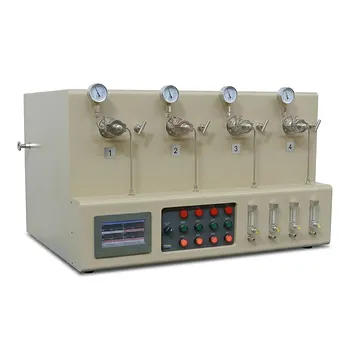
High Temperature 1700C 4 Channel Tube Furnace 1 Inch Alumina Tube for Hi-Throughput Annealing
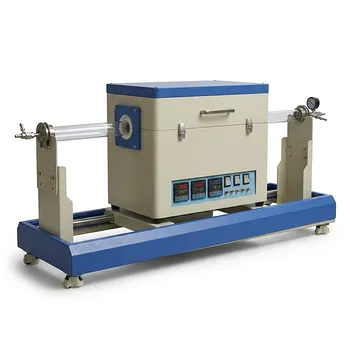
Double Temperature Zone Double Cover Tube Furnace for High Temperature CVD and Vacuum Annealing
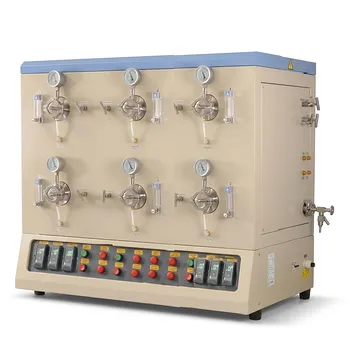
1200C High Throughput Multi Channel Tube Furnace with 50mm Quartz Tubes for Annealing and Material Phase Diagram Research
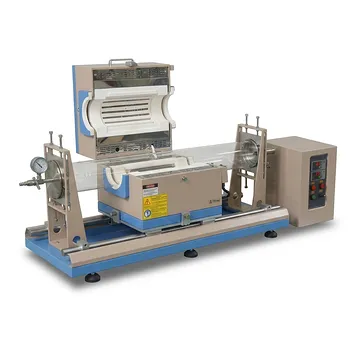
1200C High Temperature 5 Inch Sliding Tube Furnace for Rapid Thermal Processing RTP and Wafer Annealing
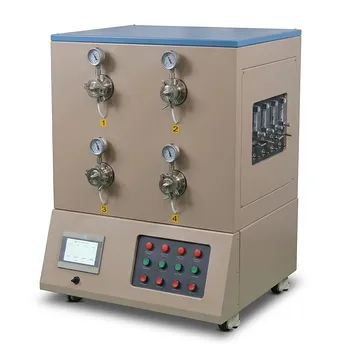
High Throughput 1200C Four Channel Tube Furnace with 3 Inch Quartz Tubes for Multi Zone Annealing and Material Research
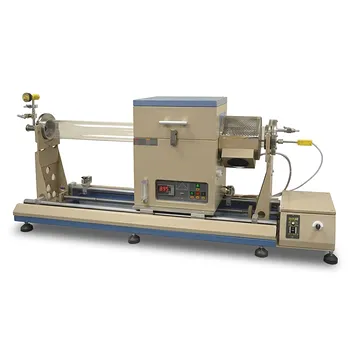
900 ºC Max Sliding RTP Tube Furnace with Rapid IR Heating and 4 Inch OD Quartz Tube
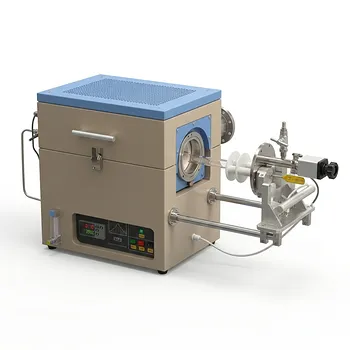
Compact Atmosphere Controlled Rapid Thermal Processing RTP Furnace with 4 Inch ID Quartz Tube 1100C
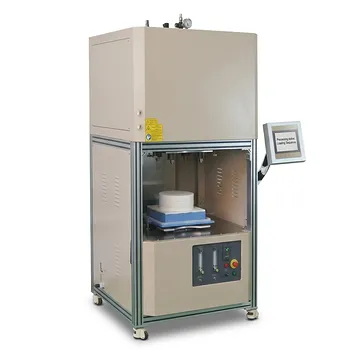
High Temperature Vertical Atmosphere Controlled Furnace with Automatic Bottom Loading and 1700°C Capacity for Advanced Material Research

1100C Tube Furnace with Vacuum Flange and Programmable Temperature Controller for Material Science and Industrial Heat Treatment
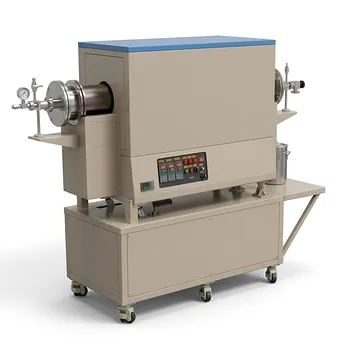
900°C Max Rotary Tube Furnace with 8 Inch 310S Alloy Tube and Optional Multi Zone Heating for Industrial Material Calcination
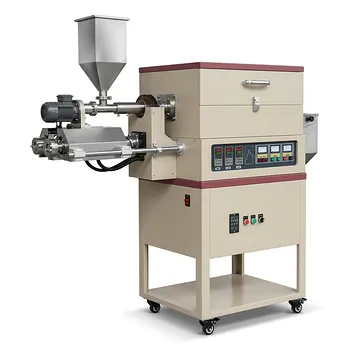
Laboratory Tilting Rotary Tubular Furnaces for Material Science and Industrial Heat Treatment
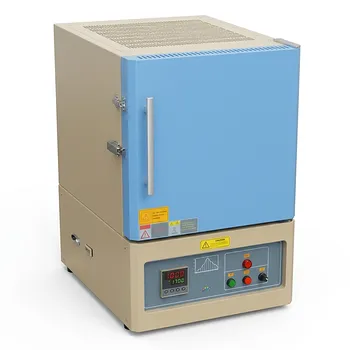
Large Bench Top 1700C High Temperature Muffle Furnace with 19L Chamber for Advanced Material Sintering and Annealing
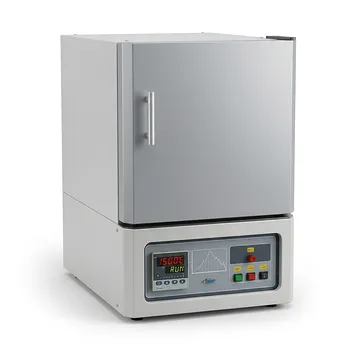
High Temperature 1500C Benchtop Muffle Furnace 3.6L Alumina Fiber Chamber Programmable Controller Sintering Annealing Carbonization Thermal Processing System

Compact High Temperature 1600C Tube Furnace with 50mm Alumina Tube and Vacuum Flanges for Material Sintering

High Temperature Tube Furnace 1500C with Sliding Flanges and 50mm OD for Rapid Thermal Processing Fast Heating and Cooling

High Temperature 1700C Vertical Tube Furnace for Powder Spherification and Material Sintering
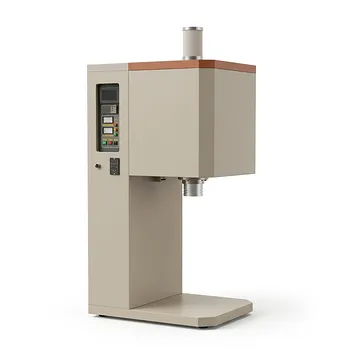
Vertical Openable Tube Furnace 0-1700c High Temperature Laboratory System for CVD and Vacuum Heat Treatment

Vertical 1700C Vacuum and Atmosphere Tube Furnace with 80mm Alumina Tube

Three Zone Tube Furnace with 11 Inch or 15 Inch Quartz Tube and Hinged Flanges for Vacuum Atmosphere Heat Treatment
