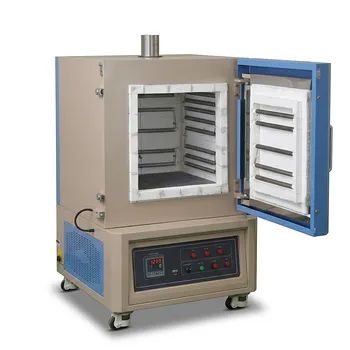
What is the function of an atmosphere furnace in carbon synthesis? Precision Pore Engineering for Gas Separation.
Updated 3 months ago
The high-temperature atmosphere furnace serves as the fundamental thermal reactor for transforming polyamide precursors into specialized carbon molecular sieves. By providing a precisely controlled, oxygen-free environment at temperatures between 600°C and 800°C, the furnace facilitates the reorganization of polymer backbones into ultra-microporous structures. This precise regulation of the carbonization process is what enables the resulting material to distinguish between and separate propylene and propane molecules.
The core function of the atmosphere furnace is to provide a stable, inert thermal field that converts organic polyamides into inorganic carbon while engineering the pore size at a sub-nanometer scale. This environmental control is the decisive factor in achieving the "molecular sieving" capability required for high-purity gas separation.
Facilitating Precise Carbonization and Structural Transformation
Controlling the Thermal Degradation Range
The furnace allows researchers to operate within the critical 600°C to 800°C range necessary for polyamide precursors like PPDA, ETDA, and PRDA. This specific temperature window is narrow enough that even minor fluctuations can drastically alter the final pore architecture.
Engineering Ultra-Microporous Architectures
Under these controlled temperatures, the polymer backbone undergoes a structured breakdown and reorganization. The furnace ensures the resulting carbon matrix develops the exact pore size distribution required to facilitate the efficient separation of similarly sized molecules.
Driving Molecular Sieving Capabilities
The primary goal of using an atmosphere furnace in this context is to produce a material capable of molecular sieving. By fine-tuning the heat treatment, the furnace dictates how effectively the final carbon material can filter propylene from propane.
Maintaining a Non-Oxidizing Environment
Preventing Oxidative Loss
The furnace uses a superior sealing system to maintain a strict inert gas environment, typically using nitrogen or argon. This oxygen-free state is vital to prevent the carbon material from burning away or oxidizing at high temperatures.
Ensuring Chemical Stability and Purity
By eliminating oxygen, the furnace ensures that the thermal degradation of PET or polyamide chains results in high-purity carbon. This preservation of structural integrity is essential for maintaining the chemical stability and mechanical strength of the ultra-microporous material.
Promoting Heteroatom Doping and Activation
The controlled atmosphere also allows for the introduction of specific agents or gases to facilitate chemical activation. This process can be used to create heteroatom doping, which further enhances the functional properties of the carbon substrate.
Achieving Thermal Uniformity and Repeatability
Influencing Carbonization Consistency
A high-quality atmosphere furnace provides a uniform temperature field throughout the heating chamber. This uniformity ensures that every part of the precursor specimen reaches the same degree of carbonization, leading to a consistent final product.
Utilizing Multi-Stage Programmable Control
Modern furnaces feature programmable temperature profiles that allow for precise heating rates and dwell times. This level of control is necessary for the repeatable preparation of complex materials, ensuring that each batch of carbon possesses the same sieving characteristics.
Preserving Structural Geometries
Whether the precursor is a powder or an electrospun fiber, the furnace converts the polymer scaffold into a carbon matrix without destroying its base geometry. This allows for the creation of flexible electrodes or membranes with high electrical conductivity and metallic-grade performance.
Understanding the Trade-offs
Temperature Sensitivity vs. Pore Closure
Operating at the lower end of the spectrum (600°C) may result in incomplete carbonization, while exceeding 800°C often leads to pore shrinkage or closure. Finding the "sweet spot" is a balancing act between structural integrity and the desired level of microporosity.
Atmosphere Purity and Seal Integrity
Any minor leak in the furnace seals can introduce trace amounts of oxygen, leading to surface oxidation. This can degrade the molecular sieving performance and introduce unwanted oxygen-containing functional groups into the carbon matrix.
Energy Consumption and Ramping Speeds
High-temperature furnaces require significant energy and time to reach stable equilibrium. Rapid heating or cooling cycles can cause thermal stress within the material, potentially leading to micro-cracks that compromise the selectivity of the carbon sieve.
Optimizing Your Carbonization Strategy
To achieve the best results in synthesizing ultra-microporous carbon, your furnace settings must align with your specific material objectives.
- If your primary focus is Propylene/Propane Separation: Strictly maintain the 600°C–800°C range to ensure the pore sizes remain optimized for molecular sieving.
- If your primary focus is Mechanical Strength and Yield: Prioritize a strict nitrogen (N2) inert environment to prevent any oxidative loss during the reorganization of carbon chains.
- If your primary focus is High Electrical Conductivity: Opt for higher carbonization temperatures (up to 1000°C) and longer dwell times to promote the formation of a more graphitic carbon matrix.
The atmosphere furnace is not merely a heat source, but a precision instrument that dictates the molecular-level functionality of the final carbon material.
Summary Table:
| Key Feature | Role in Synthesis | Research Benefit |
|---|---|---|
| Precise Thermal Control | Operates at 600°C–800°C | Optimized pore size distribution |
| Oxygen-Free Environment | Inert gas sealing (N2/Ar) | Prevents oxidative degradation |
| Thermal Uniformity | Consistent heat distribution | Repeatable batch characteristics |
| Multi-Stage Programming | Controlled heating rates | Preserves structural geometries |
Elevate Your Material Research with THERMUNITS
THERMUNITS is a leading manufacturer of high-temperature laboratory equipment for material science and industrial R&D. We provide the specialized thermal environments required to transform complex precursors into high-performance materials. Our comprehensive range of solutions includes:
- Atmosphere & Vacuum Furnaces: For precise carbonization and oxygen-free processing.
- CVD/PECVD Systems: For advanced thin-film and carbon nanotubes synthesis.
- Specialized Equipment: Including Tube, Rotary, Hot Press, and Dental Furnaces, as well as Vacuum Induction Melting (VIM) units.
Whether you are engineering ultra-microporous structures for gas separation or developing new carbon matrices, our equipment ensures the thermal uniformity and programmable control necessary for repeatable success.
Ready to optimize your heat treatment process? Contact THERMUNITS Today to discuss your specific research needs and find the perfect furnace solution for your lab.
References
- Abdul Waqas Anjum, Jing Xiao. Relative Aromaticity/Aliphaticity Steered Pore Structure in Polyamide-Derived Ultramicroporous Carbons for Efficient C<sub>3</sub>H<sub>6</sub>/C<sub>3</sub>H<sub>8</sub> Separation. DOI: 10.1021/cbe.4c00095
Mentioned Products
- High Temperature 1500C Benchtop Muffle Furnace 3.6L Alumina Fiber Chamber Programmable Controller Sintering Annealing Carbonization Thermal Processing System
- 1650C High Temperature Atmosphere Controlled Box Furnace with 65L Chamber for Advanced Material Sintering and Industrial Heat Treatment
- High Temperature Vertical Atmosphere Controlled Furnace with Automatic Bottom Loading and 1700°C Capacity for Advanced Material Research
- Roller Table Atmosphere Furnace 1500C High Temperature Battery Material Sintering System 112L Capacity
- High Temperature Oxygen and Inert Atmosphere Controlled Furnace 8 Liter 1700C Sintering System for Advanced Materials RD
People Also Ask
- Why is annealing in a high-temperature muffle furnace necessary for SiO2/Si substrate pretreatment before monolayer WS2 synthesis?
- What is the purpose of using muffle or tube furnaces in glass synthesis? Achieve Precise Melt-Quenching & Homogeneity
- What is the role of a high-temperature muffle furnace in the synthesis of graphitic carbon nitride (g-C3N4)? - Guide
- What is the necessity of 950 °C muffle furnace for aluminate spinel supports? Achieve Phase Purity & Lattice Integration
- What is the function of a high-temp muffle furnace in Ni-V oxide synthesis? Optimize your material's performance.

Tech Team · ThermUnits
Last updated on Jun 03, 2026
Related Products
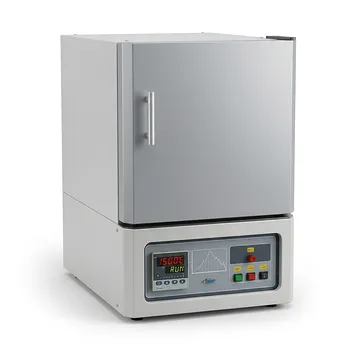
High Temperature 1500C Benchtop Muffle Furnace 3.6L Alumina Fiber Chamber Programmable Controller Sintering Annealing Carbonization Thermal Processing System
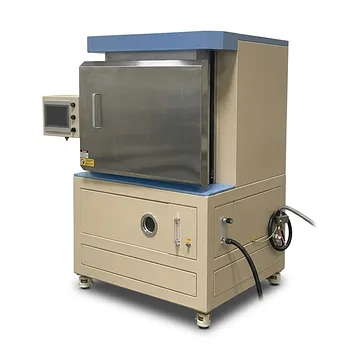
1650C High Temperature Atmosphere Controlled Box Furnace with 65L Chamber for Advanced Material Sintering and Industrial Heat Treatment
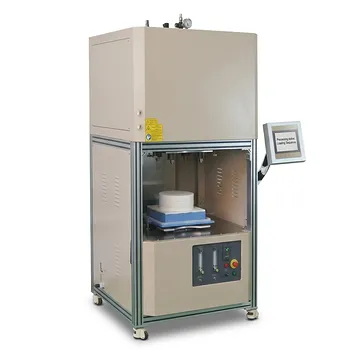
High Temperature Vertical Atmosphere Controlled Furnace with Automatic Bottom Loading and 1700°C Capacity for Advanced Material Research
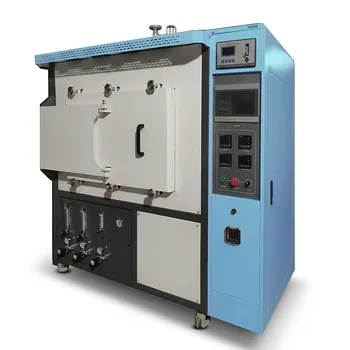
Roller Table Atmosphere Furnace 1500C High Temperature Battery Material Sintering System 112L Capacity
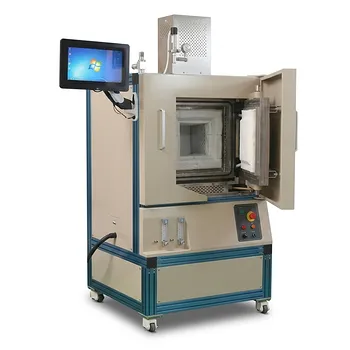
High Temperature Oxygen and Inert Atmosphere Controlled Furnace 8 Liter 1700C Sintering System for Advanced Materials RD
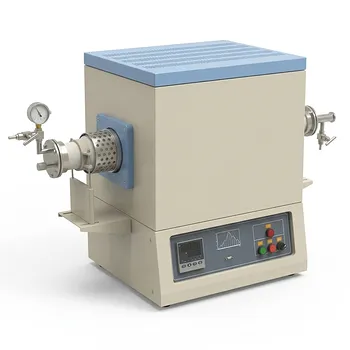
1750°C High Temperature Benchtop Vacuum Atmosphere Tube Furnace with Kanthal Super 1800 Heating Elements and 60mm Alumina Processing Tube
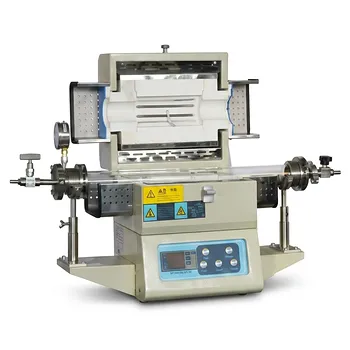
High Temperature 1200C Split Tube Furnace for CVD Research and Vacuum Atmosphere Heat Treatment
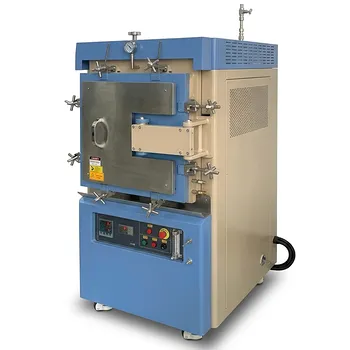
Atmosphere Controlled Muffle Furnace 1700C Maximum Temperature 80L High Capacity Vacuum Inert Gas Box Furnace
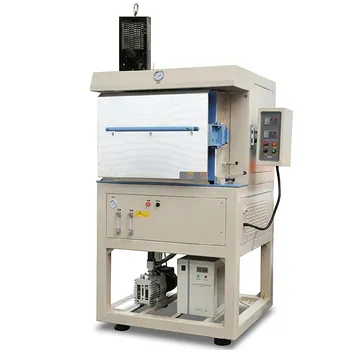
1200C Hydrogen Atmosphere Box Furnace with 5 Heated Sides and 64L Chamber
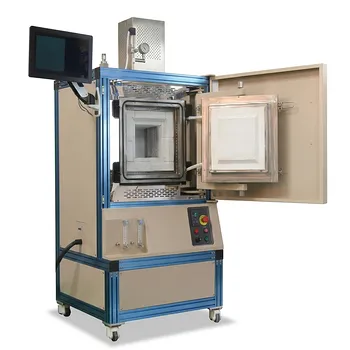
High Temperature Hydrogen Atmosphere Box Furnace 1650C Max Reducing Environment Material Synthesis System 8x8x8 Chamber
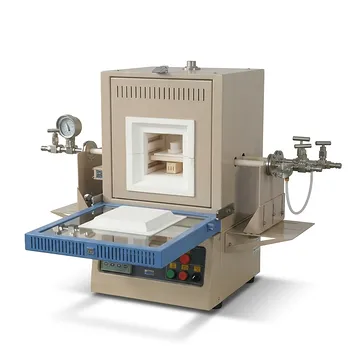
1700C Compact Hybrid Furnace with Dual Layer Box Sintering and Controlled Atmosphere Alumina Tubes

High Temperature 1700C Vertical Tube Furnace for Powder Spherification and Material Sintering
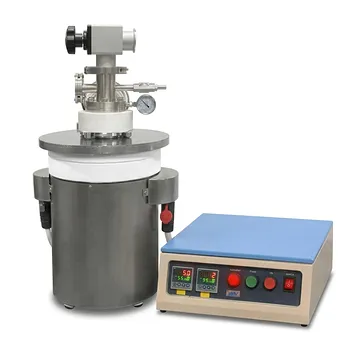
1100C High Temperature Vacuum Crucible Furnace with Quartz Chamber for Thermal Processing and Sintering
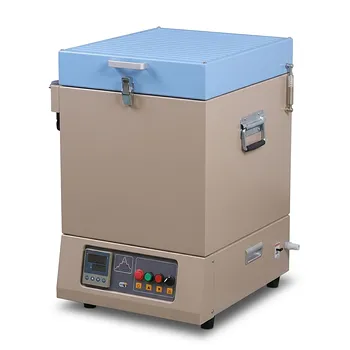
High Temperature Vertical Crucible Furnace with 22L Heating Chamber and 1200C Maximum Temperature
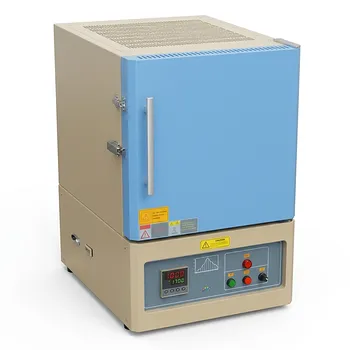
Large Bench Top 1700C High Temperature Muffle Furnace with 19L Chamber for Advanced Material Sintering and Annealing
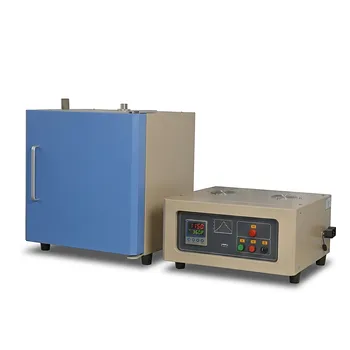
High Temperature Muffle Furnace with Alloy Chamber for Debinding and Sintering Applications
High Temperature Benchtop Muffle Furnace 1500C with 3.6L Chamber and Quartz Observation Window

Vertical 1700C Vacuum and Atmosphere Tube Furnace with 80mm Alumina Tube
Rapid Thermal Processing RTP Atmosphere Controlled Bottom Loading Furnace 1100C High Throughput 50C per Second Heating Rate