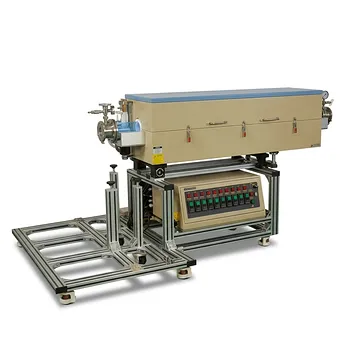
What is the function of a high-temperature tube furnace in NiAl-LDH(MA) to Ni-CNS synthesis? Expert Thermal Control.
Updated 3 months ago
The high-temperature tube furnace acts as the central reactor for the thermochemical transformation of NiAl-LDH(MA) into Ni-CNS materials. Specifically, it provides a stable 800 °C environment under a nitrogen protective atmosphere to carbonize organic intercalation molecules into hierarchical carbon nanosheets while simultaneously reducing nickel components into nanoparticles and single atoms.
Core Takeaway: The tube furnace facilitates a dual-action process of organic carbonization and metallic reduction. By maintaining precise thermal and atmospheric control, it ensures the formation of a conductive carbon matrix that effectively anchors active nickel species.
Facilitating the Carbonization of Organic Intercalants
Conversion of Molecular Precursors to Carbon Nanosheets
The primary role of the furnace is to trigger the pyrolytic carbonization of the organic molecules (MA) intercalated within the Layered Double Hydroxide (LDH) layers. Under the 800 °C thermal load, these organic species decompose and rearrange into a hierarchical carbon nanosheet (CNS) structure. This transformation turns a non-conductive precursor into a stable, conductive carbon substrate.
Protection via Inert Atmosphere
The furnace maintains a continuous flow of nitrogen ($N_2$) to create a strictly non-oxidative environment. This prevents the oxidative combustion of the organic components, which would otherwise turn the carbon into carbon dioxide rather than the desired nanosheet structure. The inert atmosphere is critical for preserving the carbon skeleton during high-heat treatment.
In-situ Reduction and Metal Atom Anchoring
Reduction of Nickel Components
As the temperature reaches 800 °C, the furnace facilitates the chemical reduction of nickel ions within the LDH precursor. This process transforms the metal species into nickel nanoparticles and single atoms. These active metallic sites are the primary drivers of the material's eventual catalytic or electrochemical performance.
Structural Embedding and Stabilization
The controlled heating ensures that the nickel species are uniformly embedded within the emerging carbon substrate. By precisely managing the holding time, the furnace prevents the nickel nanoparticles from excessive agglomeration (clumping). This results in a high dispersion of metal sites, which is essential for maintaining a high active surface area.
Precision Control of Material Morphology
The Role of Heating Rates and Holding Time
The tube furnace allows for the precise programming of heating rates, which dictates how quickly the precursor reaches its target temperature. A controlled ramp-up is necessary to ensure the structural integrity of the hierarchical nanosheets. Meanwhile, the holding time at 800 °C ensures the carbonization and reduction reactions reach completion without over-processing the material.
Achieving Hierarchical Porosity
The stable thermal environment promotes the development of a hierarchical pore structure within the CNS. This structure is vital for mass transport in practical applications, allowing reactants to reach the embedded nickel atoms more efficiently. The furnace’s thermal uniformity ensures that this pore structure is consistent throughout the entire batch of material.
Understanding the Trade-offs and Limitations
Temperature Sensitivity and Material Integrity
Operating at 800 °C is a balanced choice; lower temperatures may lead to incomplete carbonization, resulting in poor conductivity. Conversely, exceeding the optimal temperature can lead to the collapse of the nanosheet structure or the unwanted growth of large nickel crystals.
Atmospheric Purity Requirements
The success of the synthesis depends heavily on the purity of the nitrogen atmosphere. Any trace oxygen leaks within the tube furnace can lead to the formation of nickel oxides (NiO) rather than metallic nickel. This would significantly alter the chemical properties and performance of the resulting Ni-CNS material.
How to Apply This to Your Project
Recommendations for Synthesis Optimization
- If your primary focus is maximizing conductivity: Ensure the furnace maintains a strict inert atmosphere and consider a longer holding time to improve the degree of graphitization in the carbon sheets.
- If your primary focus is catalytic activity: Prioritize a precise heating rate to keep nickel particles at the nano- or single-atom scale, preventing the loss of surface area due to sintering.
- If your primary focus is structural uniformity: Use a furnace with a long "constant temperature zone" to ensure the entire precursor batch experiences the same thermal history.
The high-temperature tube furnace is the indispensable tool that converts complex chemical precursors into high-performance, structured carbon-metal hybrids through rigorous thermal and atmospheric regulation.
Summary Table:
| Process Phase | Furnace Function | Key Outcome |
|---|---|---|
| Carbonization | 800°C Pyrolytic Thermal Load | Hierarchical Carbon Nanosheets (CNS) |
| Metallic Reduction | In-situ Chemical Reduction | Ni Nanoparticles & Single Atoms |
| Atmosphere Control | Nitrogen (N2) Protective Flow | Prevents Oxidation of Carbon Matrix |
| Morphology Control | Precise Ramp & Holding Time | Uniform Porosity & High Dispersion |
Elevate Your Material Synthesis with THERMUNITS Precision Engineering
As a leading manufacturer of high-temperature laboratory equipment for material science and industrial R&D, THERMUNITS provides the advanced thermal processing solutions essential for cutting-edge discovery. Whether you are synthesizing Ni-CNS materials or developing complex catalysts, our high-performance Tube, Vacuum, Atmosphere, and CVD/PECVD systems ensure the precise temperature control and atmospheric purity your research demands.
Our Comprehensive Thermal Solutions Include:
- Precision Furnaces: Muffle, Tube, Rotary, and Hot Press furnaces optimized for high dispersion and uniform morphology.
- Advanced Systems: CVD/PECVD, Vacuum Induction Melting (VIM), and Electric Rotary Kilns for specialized material transformations.
- Specialized Equipment: Dental Furnaces, Thermal Elements, and custom heat treatment solutions.
Ready to optimize your transformation processes and achieve superior material performance? Contact THERMUNITS today to find the perfect heating solution for your laboratory or industrial application!
References
- Yining Sun, Xue Duan. Boosting electrochemical oxygen reduction to hydrogen peroxide coupled with organic oxidation. DOI: 10.1038/s41467-024-50446-2
Mentioned Products
- High Temperature Tube Furnace 1500C with Sliding Flanges and 50mm OD for Rapid Thermal Processing Fast Heating and Cooling
- High Temperature 1700C Tube Furnace with High Vacuum Turbomolecular Pump System and Multi Channel Mass Flow Controller Gas Mixer
- High Temperature 1700C Benchtop Tube Furnace with 5 Inch Heating Zone High Purity Alumina Tube and Vacuum Sealing Flanges
- 1750°C High Temperature Benchtop Vacuum Atmosphere Tube Furnace with Kanthal Super 1800 Heating Elements and 60mm Alumina Processing Tube
- Compact High Temperature 1600C Tube Furnace with 50mm Alumina Tube and Vacuum Flanges for Material Sintering
People Also Ask
- How are high-temperature tube furnaces utilized to repair etching damage? Precision Lattice Restoration Solutions
- What role does a high-temperature tube furnace play in CVD synthesis of silicon nanowires? Master VLS Growth Precision.
- What core conditions does a high-temperature tube furnace provide for rGO aerogels? Mastering Precision Synthesis.
- What role does a high-temperature tube furnace play in the sulfidation heat treatment of CoS@C/MXene nanocomposites? Guide
- How does precision tube furnace control influence CoFe nanoparticle formation? Master Your Bimetallic Synthesis.

Tech Team · ThermUnits
Last updated on Jun 02, 2026
Related Products
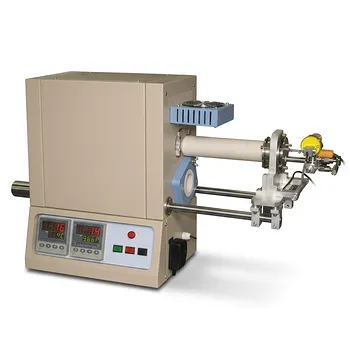
High Temperature Tube Furnace 1500C with Sliding Flanges and 50mm OD for Rapid Thermal Processing Fast Heating and Cooling

High Temperature 1700C Tube Furnace with High Vacuum Turbomolecular Pump System and Multi Channel Mass Flow Controller Gas Mixer

High Temperature 1700C Benchtop Tube Furnace with 5 Inch Heating Zone High Purity Alumina Tube and Vacuum Sealing Flanges
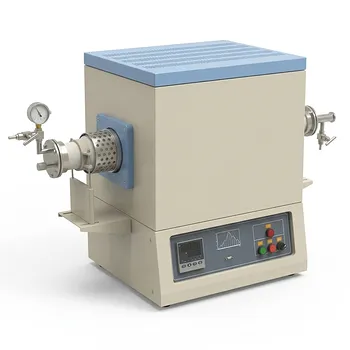
1750°C High Temperature Benchtop Vacuum Atmosphere Tube Furnace with Kanthal Super 1800 Heating Elements and 60mm Alumina Processing Tube

Compact High Temperature 1600C Tube Furnace with 50mm Alumina Tube and Vacuum Flanges for Material Sintering
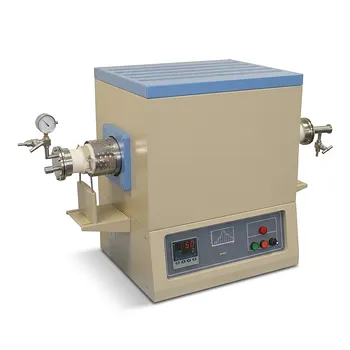
1700C High Temperature Alumina Tube Furnace with 18 Inch Heated Zone and Vacuum Sealing Flanges

1800C High Temperature Compact Vacuum Tube Furnace with 60mm OD Alumina Tube and Kanthal MoSi2 Heating Elements
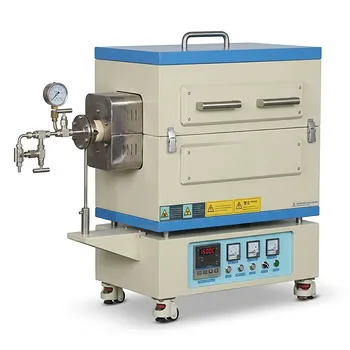
High Temperature Split Tube Furnace 1500C for Material Research Vacuum and Atmosphere Thermal Processing

High Temperature 1700C Vertical Tube Furnace for Powder Spherification and Material Sintering
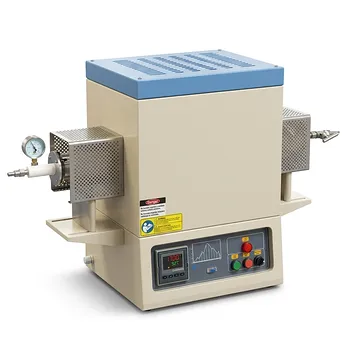
High Temperature Three Zone Tube Furnace 1700C with Alumina Tube and Water Cooled Flanges
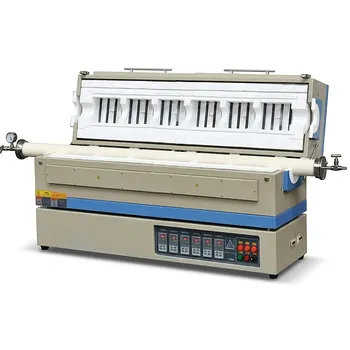
High Temperature 1700C Six Zone Split Tube Furnace with Alumina Tube and Water Cooled Flanges
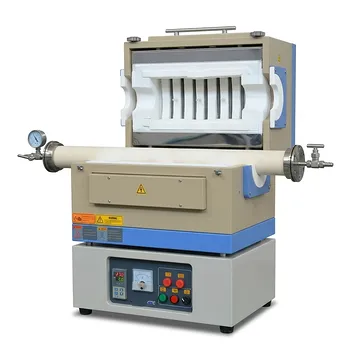
High Temperature 1600C Split Tube Furnace Vacuum Flanges Valves Optional 60mm 80mm Alumina Tube

High Temperature Automated 5 Inch Tube Furnace for Autonomous Material Research and Advanced Laboratory R&D

1100C Tube Furnace with Vacuum Flange and Programmable Temperature Controller for Material Science and Industrial Heat Treatment
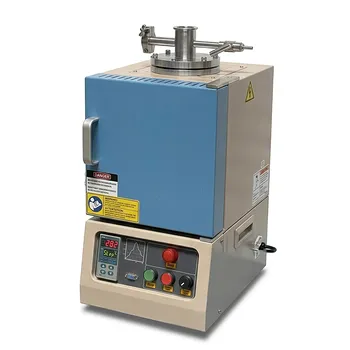
High Temperature Hybrid Muffle and Tube Furnace with Vacuum Capability and PID Control
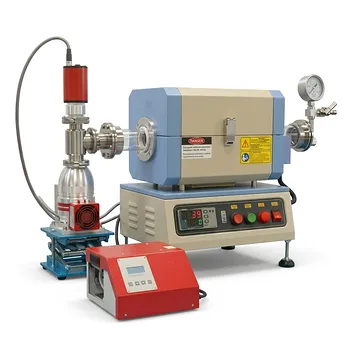
High Vacuum Compact Tube Furnace 1200C with Integrated Turbo Pump System and 8 Inch Heating Zone
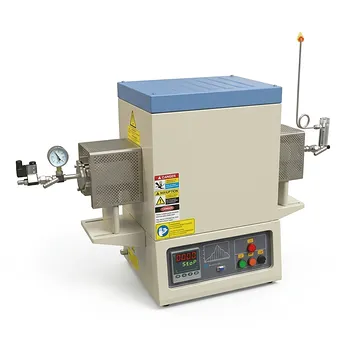
1700C Hydrogen Gas Tube Furnace with 60mm Alumina Process Tube and Integrated Hydrogen Safety Detector
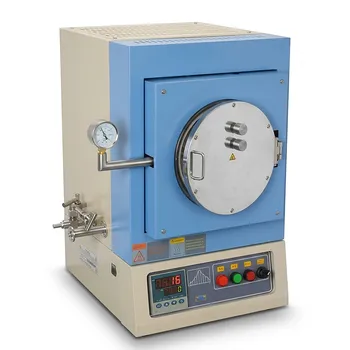
1100°C High Temperature Quartz Chamber Furnace 8 Inch OD with 7.6 Liter Capacity and Vacuum Atmosphere Capability
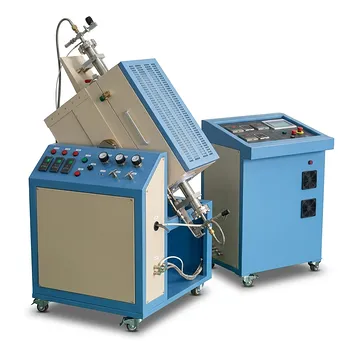
1100C High Pressure Rocking Tube Furnace with 2 Inch Super Alloy Processing Tube for Material Synthesis