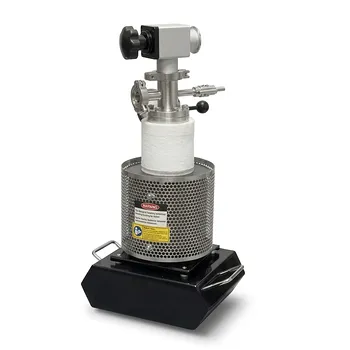
What is the necessity of using a laboratory vacuum oven when preparing Si@rGO composite negative electrode plates? Expert Guide
Updated 3 months ago
The use of a laboratory vacuum oven is a critical requirement for preparing Si@rGO composite negative electrode plates because it allows for the complete removal of residual solvents and moisture at temperatures low enough to prevent material degradation. By lowering the boiling point of solvents like NMP or ethanol, the vacuum environment ensures the structural integrity of the silicon and the chemical stability of the reduced graphene oxide (rGO) while facilitating strong adhesion to the copper foil current collector.
The laboratory vacuum oven solves the fundamental conflict between the need for deep drying and the thermal sensitivity of battery materials. It provides a controlled, low-pressure environment that eliminates volatile contaminants without triggering the oxidation of silicon or the breakdown of polymer binders.
Preserving Chemical and Material Integrity
Prevention of Silicon Oxidation
Silicon is highly susceptible to surface oxidation when exposed to heat in the presence of oxygen. A vacuum oven eliminates atmospheric oxygen, ensuring that the active silicon materials maintain their metallic properties and high theoretical capacity rather than forming an insulating silica ($SiO_2$) layer.
Protecting the rGO and Binder Matrix
Reduced Graphene Oxide (rGO) and polymer binders are sensitive to high-thermal loads which can lead to premature oxidative degradation. The vacuum environment allows for low-temperature drying (typically between 80°C and 120°C), which effectively removes solvents without compromising the molecular structure of the binder or the conductive network of the rGO.
Minimizing Trace Moisture Contamination
Even trace amounts of moisture can react with battery electrolytes to create hydrofluoric acid or cause side reactions with active materials. The vacuum process ensures deep drying by pulling moisture out of the microscopic pores of the Si@rGO composite, which is a prerequisite for achieving high first-cycle Coulombic efficiency.
Ensuring Mechanical and Structural Stability
Optimization of Electrode Adhesion
Residual solvents trapped between the active material layer and the copper foil can lead to "blistering" or poor contact. By ensuring the complete removal of residual NMP, the vacuum oven promotes a more uniform and robust bond between the Si@rGO slurry and the current collector, preventing delamination during the volume expansion of silicon during cycling.
Maintaining Pore Purity for Electrolyte Infiltration
The removal of organic solvents under vacuum ensures that the internal micropores of the composite remain open and uncontaminated. This purity allows the liquid electrolyte to fully infiltrate the electrode structure during assembly, which is essential for high-rate performance and consistent ion transport.
Controlling Volatile Evaporation Rates
In a standard oven, rapid solvent evaporation can cause "skinning," where the surface dries faster than the interior, trapping solvent underneath. The controlled low-pressure environment of a vacuum oven facilitates a homogeneous drying process, ensuring that the entire thickness of the electrode plate reaches a uniform state of dryness.
Understanding the Trade-offs
The Challenge of Processing Time
Vacuum drying is often a significantly slower process than atmospheric convective drying, frequently requiring 12 hours or more to achieve total solvent removal. This creates a bottleneck in laboratory workflows, requiring careful planning to balance thorough drying with project timelines.
Heat Transfer Inefficiencies
In a vacuum, heat cannot be transferred through air convection; it relies primarily on conduction and radiation. This can lead to uneven heating if the electrode plates are not in direct contact with the heated shelves, potentially leaving "cold spots" where moisture or solvents may remain.
Equipment Maintenance and Volatiles
The removal of organic solvents like NMP under vacuum means these vapors will pass through the vacuum pump. Without a cold trap, these solvents can contaminate pump oil and damage internal seals, leading to increased maintenance costs and potential equipment failure.
Applying This to Your Project
Recommendations for Implementation
- If your primary focus is Maximum Capacity and Purity: Use a high-vacuum setting at a lower temperature (60°C to 80°C) for an extended duration (24 hours) to prevent any possible silicon oxidation.
- If your primary focus is Cycle Life and Adhesion: Prioritize a moderate temperature (around 120°C) under vacuum to ensure the polymer binder fully sets and all residual NMP is removed from the copper foil interface.
- If your primary focus is Fast Prototyping: Utilize a vacuum oven with pre-heated shelves and a dedicated cold trap to accelerate solvent recovery while protecting your vacuum system.
The laboratory vacuum oven is the only reliable method to achieve the extreme dryness required for high-performance Si@rGO anodes without compromising their delicate chemical architecture.
Summary Table:
| Benefit | Technical Impact | Recommended Parameter |
|---|---|---|
| Prevent Oxidation | Maintains Si metallic properties & theoretical capacity | Low pressure (<100 Pa) |
| Material Stability | Protects rGO and polymer binder from thermal degradation | 80°C - 120°C |
| Deep Drying | Removes trace moisture to prevent electrolyte side reactions | 12 - 24 Hours |
| Adhesion Quality | Ensures complete NMP removal for robust copper foil bonding | Homogeneous Heating |
Elevate Your Battery Research with THERMUNITS
As a leading manufacturer of high-temperature laboratory equipment, THERMUNITS provides specialized thermal processing solutions tailored for material science and industrial R&D. Whether you are developing next-generation Si@rGO composites or advanced ceramics, our precision-engineered Vacuum Ovens, Atmosphere Furnaces, and CVD/PECVD systems ensure the chemical integrity and structural stability your materials demand.
Our Comprehensive Solutions Include:
- Muffle, Vacuum, Tube, and Rotary Furnaces
- Hot Press Furnaces and CVD/PECVD Systems
- Dental Furnaces and Electric Rotary Kilns
- Vacuum Induction Melting (VIM) and Thermal Elements
Don't let residual moisture or oxidation compromise your electrode performance. Achieve superior material purity and mechanical stability with our expert equipment.
Contact us today to find your ideal heat treatment solution!
References
- Yun-Zhen Liang, Yu‐Sheng Su. Tailoring the Size of Reduced Graphene Oxide Sheets to Fabricate Silicon Composite Anodes for Lithium-Ion Batteries. DOI: 10.1021/acsami.4c03710
Mentioned Products
- High Temperature 1000C Vacuum Furnace with 8 Inch ID Chamber for Material Sintering and Research Annealing
- 1800C High Temperature Compact Vacuum Tube Furnace with 60mm OD Alumina Tube and Kanthal MoSi2 Heating Elements
- High Temperature Cold Wall High Vacuum Chamber Furnace 1400C for Advanced Material Processing
- Compact Split Tube Furnace with Integrated Vacuum System and Precision Temperature Calibrator
- Bottom Loading Vacuum Furnace 1200C Rapid Cooling Atmosphere Control Quartz Chamber
People Also Ask
- How does the temperature control precision of a high-temperature sintering furnace affect Na1+xLa1-xZr2O6-δ ceramics?
- How does a high-temperature sintering furnace environment enhance NdFeB magnets? Achieve 98%+ density with precision.
- What role does a high-temperature annealing furnace play in forming ordered Pt3(CoNi) intermetallic catalysts?
- What is the function of high-vacuum furnaces in (Mo2/3V1/3)n+1AlCn MAX phase synthesis? Ensure Purity & Diffusion.
- How does a vacuum or atmosphere sintering furnace contribute to the congener-welding process of carbon nitride membranes?

Tech Team · ThermUnits
Last updated on Jun 03, 2026
Related Products
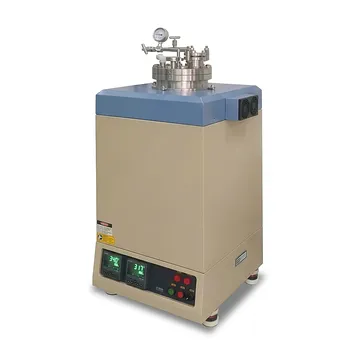
High Temperature 1000C Vacuum Furnace with 8 Inch ID Chamber for Material Sintering and Research Annealing

1800C High Temperature Compact Vacuum Tube Furnace with 60mm OD Alumina Tube and Kanthal MoSi2 Heating Elements
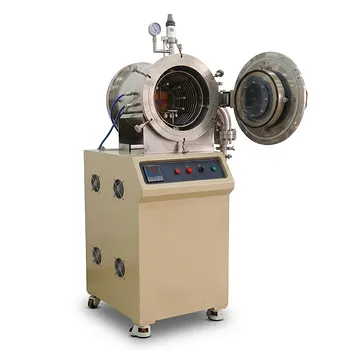
High Temperature Cold Wall High Vacuum Chamber Furnace 1400C for Advanced Material Processing
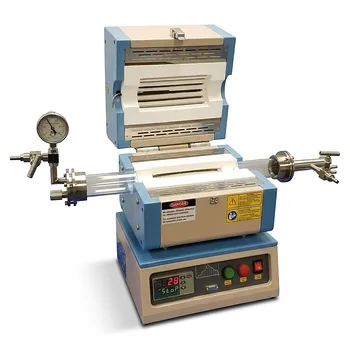
Compact Split Tube Furnace with Integrated Vacuum System and Precision Temperature Calibrator
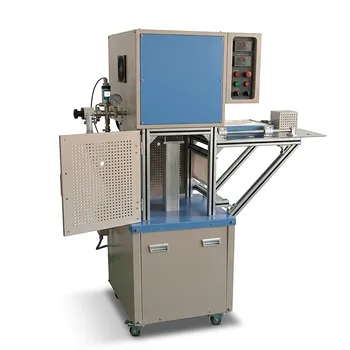
Bottom Loading Vacuum Furnace 1200C Rapid Cooling Atmosphere Control Quartz Chamber
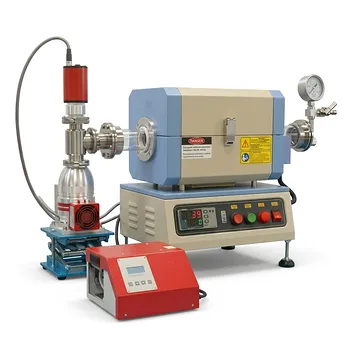
High Vacuum Compact Tube Furnace 1200C with Integrated Turbo Pump System and 8 Inch Heating Zone
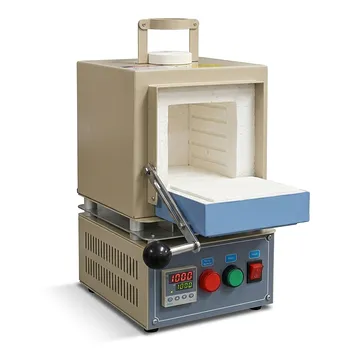
Compact 1000C Muffle Furnace with Programmable Controller and 2 Inch Top Port for Vacuum and Atmosphere Material Research
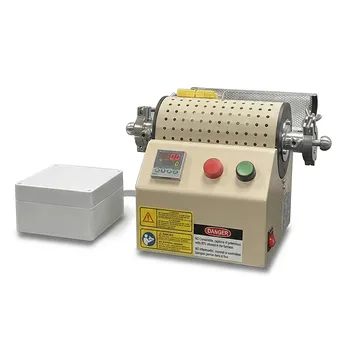
1000C Mini Tube Furnace with 20mm Quartz Tube and Vacuum Flanges for Material Science Research and Controlled Atmosphere Small Sample Processing
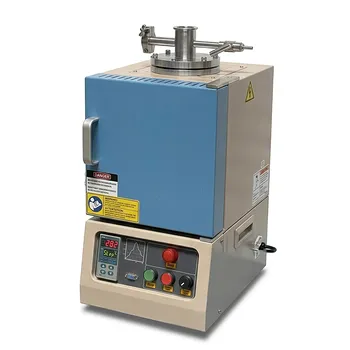
High Temperature Hybrid Muffle and Tube Furnace with Vacuum Capability and PID Control
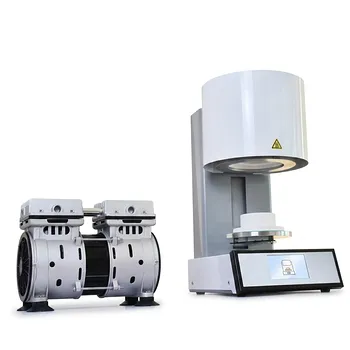
Vacuum Dental Porcelain Sintering Furnace for High Precision Ceramic Restorations

Vertical 1700C Vacuum and Atmosphere Tube Furnace with 80mm Alumina Tube
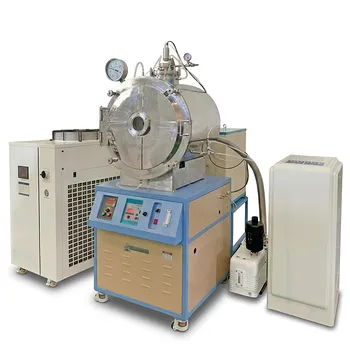
Ultra High Temperature Induction Heated Vacuum Furnace with Molten Salt Electrolysis Capability and 3000 Degree Precision Control
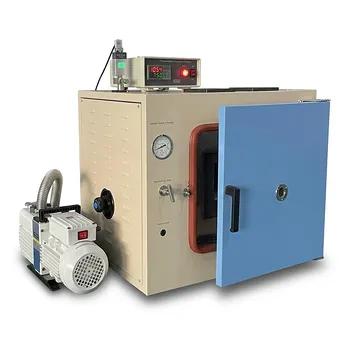
Compact High Vacuum Box Furnace 1050C Max 6.2L Ceramic Chamber Stainless Steel Shell Programmable Temperature Controller for Material Science Research
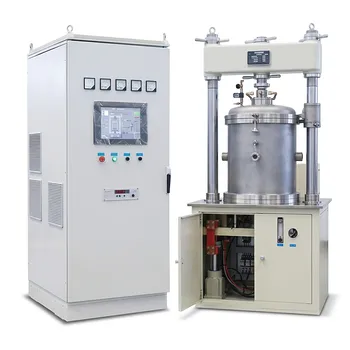
Industrial Vacuum Hot Press Furnace Machine and High Temperature Heated Vacuum Press for Advanced Material Sintering
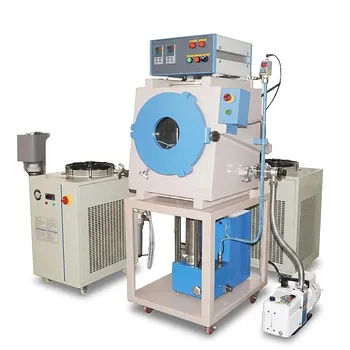
High Temperature Vacuum Lamination Hot Press Furnace Machine for Semiconductor Wafer Bonding and Advanced Composite Thermal Processing
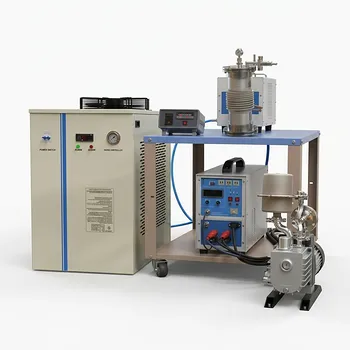
Induction Heating System with Temperature Control for High Temperature Vacuum Sintering and Melting
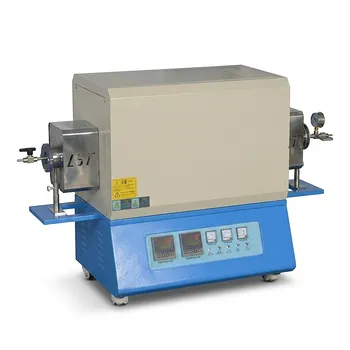
High Temperature Dual Zone Vacuum Tube Furnace for Material Research and CVD Processing
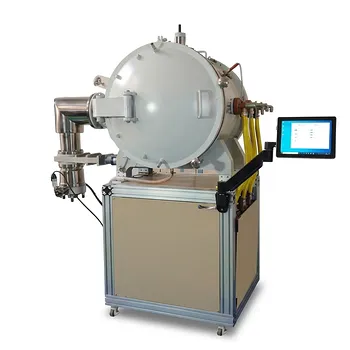
High Temperature Cold Wall Vacuum Furnace for Advanced Material Sintering and Annealing 1600C Heating Area 200x200x300mm
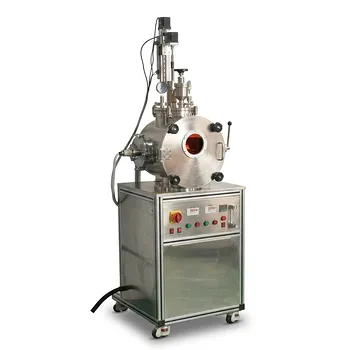
High Vacuum Melting Casting Furnace with Mechanical Stirring and Secondary Charge for Metallic Alloy Research