Why use a Tube Furnace for 700°C MSA Carbonization? Optimize Pyrolysis & Pore Development
Updated 3 months ago
The primary purpose of using a high-vacuum or controlled atmosphere tube furnace for MSA carbonization is to provide a strictly oxygen-free environment that facilitates simultaneous pyrolysis and chemical etching. At the 700 °C threshold, this controlled setting prevents the organic carbon from combusting (oxidizing), allowing it instead to transform into a stable, porous carbon matrix. This precise thermal processing is the decisive factor in developing the high specific surface area and complex micropore networks required for effective adsorption.
Core Takeaway: A controlled atmosphere tube furnace is essential because it isolates the carbonization process from oxygen, enabling the precise thermochemical decomposition of sludge and the activator-led etching of pores that define the adsorbent's performance.
Facilitating Controlled Pyrolysis and Etching
Prevention of Oxidative Carbon Loss
The most critical function of a controlled atmosphere is the exclusion of oxygen. In a standard aerobic environment, heating sludge to 700 °C would result in total combustion, leaving behind only ash. By providing a strict nitrogen (N2) or vacuum environment, the furnace ensures that carbon remains in the solid phase while non-carbon elements are eliminated.
Activation and Pore Network Formation
At 700 °C, the furnace provides the thermal energy necessary for activators within the Modified Sludge Adsorbent (MSA) to react. These chemicals etch the carbon matrix, creating a dense architecture of micropores and mesopores. Without the precise temperature field uniformity of a tube furnace, this etching would be inconsistent, leading to an inferior adsorbent with low specific surface area.
Achieving Physicochemical Stability
The high-temperature environment induces a structural rearrangement of the remaining carbon chains. This process transforms the raw organic matter into a physicochemically stable framework that can withstand harsh environmental conditions during water treatment or gas filtration. This stability is what differentiates a functional adsorbent from raw charred waste.
Ensuring Structural Integrity and Yield
Precision Heating Rate Control
Modified Sludge Adsorbent requires specific heating curves, such as 5°C per minute, to prevent the sudden release of volatiles which could rupture the evolving pore structure. The high-precision control systems of a tube furnace manage these ramps accurately. This allows for a gradual breakdown of macromolecular structures, preserving the morphology of the material.
Gas Phase Management and Byproduct Removal
As the sludge undergoes pyrolysis, it releases various gases and organic vapors. The "tube" design of the furnace allows these byproducts to be swept away efficiently by the inert carrier gas. This prevents secondary reactions where decomposition products might re-deposit on the carbon surface and clog the newly formed pores.
Understanding the Trade-offs
Equipment Complexity vs. Material Quality
While a high-vacuum or atmosphere furnace produces a superior adsorbent, it requires a higher capital investment and more rigorous operational protocols compared to a standard muffle furnace. If the atmosphere is not perfectly sealed, even trace amounts of oxygen can significantly reduce the yield by burning off the finest micropores.
Temperature Limitations
Operating at 700 °C is a balanced choice; however, exceeding this temperature significantly can lead to the collapse of some pore structures or excessive "graphitization." Conversely, temperatures below this threshold may result in incomplete carbonization, leaving residual organic matter that reduces the overall adsorption capacity and chemical purity of the MSA.
Making the Right Choice for Your Goal
To maximize the effectiveness of your carbonization process, align your furnace parameters with your specific material requirements:
- If your primary focus is Maximum Specific Surface Area: Utilize a controlled CO2 or N2 atmosphere with a steady dwell time at 700 °C to allow for exhaustive chemical etching.
- If your primary focus is High Material Yield: Ensure a high-vacuum seal or a high flow rate of inert gas to prevent any oxidative loss of the carbon skeleton.
- If your primary focus is Structural Morphology: Use a precise heating ramp (e.g., 5°C/min) to allow for the slow evolution of volatiles without damaging the mineral template or carbon framework.
The controlled atmosphere tube furnace serves as the foundational tool for transforming waste sludge into a high-value technical material through the mastery of the oxygen-free thermal environment.
Summary Table:
| Feature of Tube Furnace | Role in MSA Carbonization | Resulting Benefit |
|---|---|---|
| Controlled Atmosphere | Excludes oxygen (N2 or Vacuum) | Prevents combustion; preserves carbon |
| Precise Heating Ramps | 5°C/min temperature control | Prevents pore rupture; preserves morphology |
| High Thermal Uniformity | Consistent 700°C environment | Uniform chemical etching of the matrix |
| Gas Phase Management | Efficient removal of volatiles | Prevents pore clogging from redeposition |
Maximize Your Material Yield with THERMUNITS Precision Engineering
Achieving the optimal specific surface area for Modified Sludge Adsorbent (MSA) requires the rigorous atmosphere control and thermal stability that only a professional-grade system can provide. THERMUNITS is a leading manufacturer of high-temperature laboratory equipment specifically designed for material science and industrial R&D.
Whether you are conducting controlled pyrolysis, CVD/PECVD, or high-vacuum heat treatments, our comprehensive range of equipment—including Tube Furnaces, Vacuum Furnaces, Atmosphere Furnaces, and Rotary Kilns—offers the precision your research demands. We help you transform raw data into breakthrough results through reliable, high-performance thermal processing.
Ready to upgrade your lab's capabilities? Contact THERMUNITS today to discuss your specific requirements and get a professional consultation on our furnace solutions!
References
- Lixin Mao, Yunhu Qin. Adsorption Potential and Mechanism of Sludge-Based Activated Carbon Modified with Fly Ash for Removal of Heavy Metals. DOI: 10.3390/su16072972
Mentioned Products
- 1200°C Atmosphere Controlled Automatic Bottom Loading Furnace with 6 Inch Quartz Tube
- Compact Vertical Split Quartz Tube Furnace with Stainless Steel Vacuum Flanges for Rapid Thermal Quenching and Controlled Atmosphere Material Processing
- Compact Hybrid Muffle and Tube Furnace for 1000C Controlled Atmosphere Laboratory Material Sintering
- 1200C Hybrid Muffle and Tube Furnace for Material Research with Dual Atmosphere Control Quartz Tubes
- 1650C High Temperature Atmosphere Controlled Box Furnace with 65L Chamber for Advanced Material Sintering and Industrial Heat Treatment
People Also Ask
- Why is a tube furnace required for FGM-PhG structural color ceramics? Key to Carbon Preservation & Vibrant Color
- Why is an atmosphere-controlled tube furnace required for the pre-sulfidation of NiMo/gamma-Al2O3 catalysts?
- Why is an atmosphere-controlled tube furnace required for 800 °C CNF annealing? Essential for Oxidative Protection.
- Why is an atmosphere-controlled tube furnace required for [email protected]/C preparation? Key for Purity & Structure
- Why is an atmosphere-controlled tube furnace required for single-atom sensor calcination? Ensure Atomic Dispersion.

Tech Team · ThermUnits
Last updated on Jun 02, 2026
Related Products
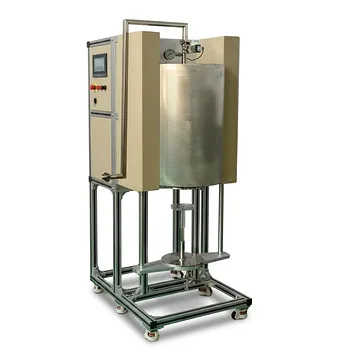
1200°C Atmosphere Controlled Automatic Bottom Loading Furnace with 6 Inch Quartz Tube
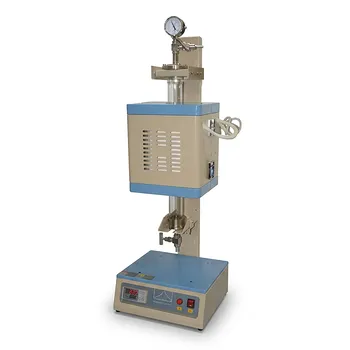
Compact Vertical Split Quartz Tube Furnace with Stainless Steel Vacuum Flanges for Rapid Thermal Quenching and Controlled Atmosphere Material Processing
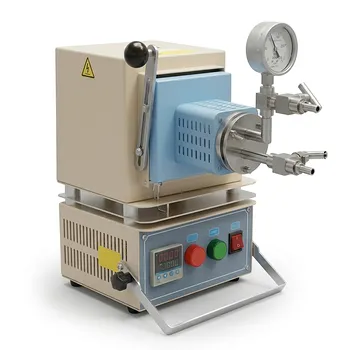
Compact Hybrid Muffle and Tube Furnace for 1000C Controlled Atmosphere Laboratory Material Sintering
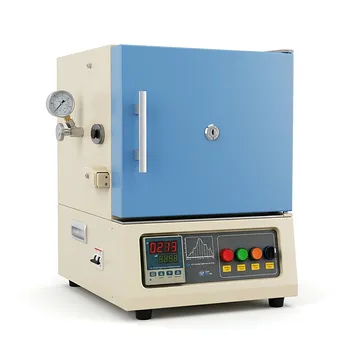
1200C Hybrid Muffle and Tube Furnace for Material Research with Dual Atmosphere Control Quartz Tubes
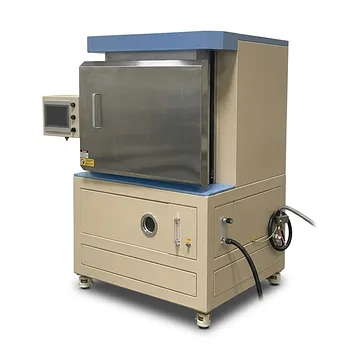
1650C High Temperature Atmosphere Controlled Box Furnace with 65L Chamber for Advanced Material Sintering and Industrial Heat Treatment
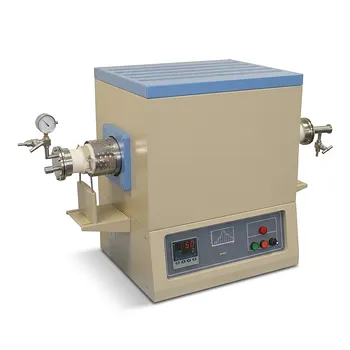
1700C High Temperature Alumina Tube Furnace with 18 Inch Heated Zone and Vacuum Sealing Flanges
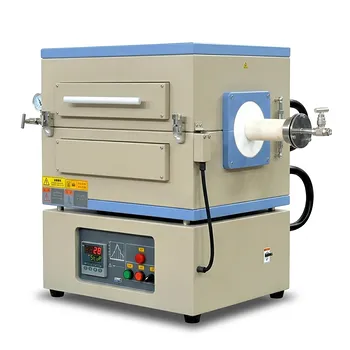
1500°C Split Tube Furnace with Alumina Tube and Vacuum Sealing Flanges for Material Research
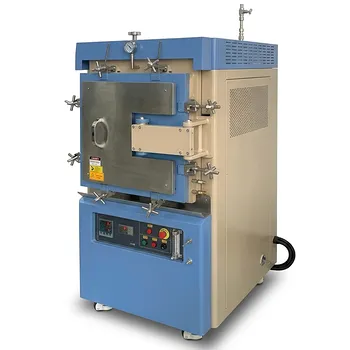
Atmosphere Controlled Muffle Furnace 1700C Maximum Temperature 80L High Capacity Vacuum Inert Gas Box Furnace
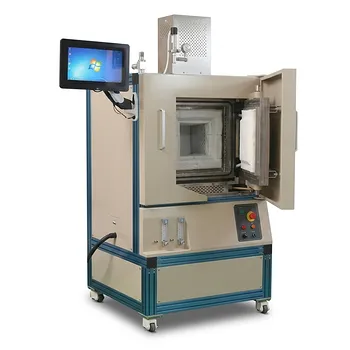
High Temperature Oxygen and Inert Atmosphere Controlled Furnace 8 Liter 1700C Sintering System for Advanced Materials RD
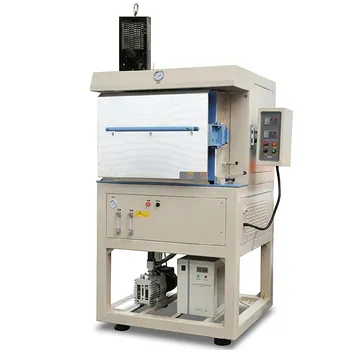
1200C Hydrogen Atmosphere Box Furnace with 5 Heated Sides and 64L Chamber

Vertical 1700C Vacuum and Atmosphere Tube Furnace with 80mm Alumina Tube
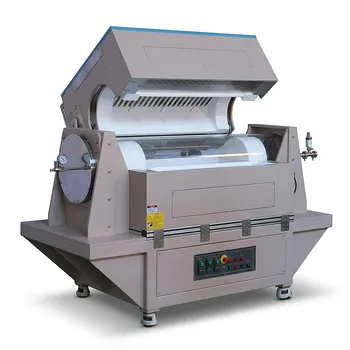
Three Zone Tube Furnace with 11 Inch or 15 Inch Quartz Tube and Hinged Flanges for Vacuum Atmosphere Heat Treatment
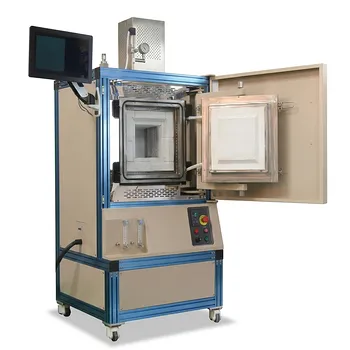
High Temperature Hydrogen Atmosphere Box Furnace 1650C Max Reducing Environment Material Synthesis System 8x8x8 Chamber

High Temperature 1700C Tube Furnace with High Vacuum Turbomolecular Pump System and Multi Channel Mass Flow Controller Gas Mixer
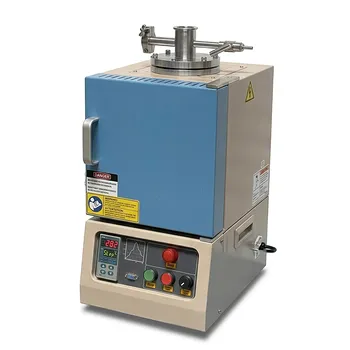
High Temperature Hybrid Muffle and Tube Furnace with Vacuum Capability and PID Control
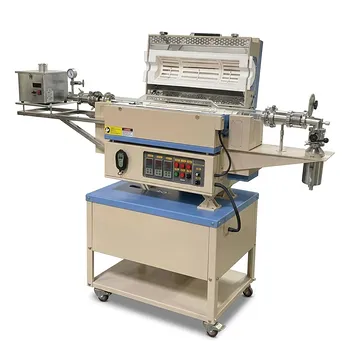
5 Inch Rotary Tube Furnace with Automatic Feeding and Receiving System 1200C Three Zone CVD Powder Processing
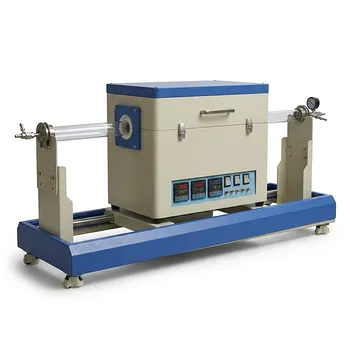
Double Temperature Zone Double Cover Tube Furnace for High Temperature CVD and Vacuum Annealing
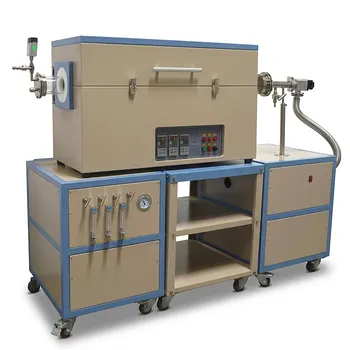
Three Zone Quartz Tube Furnace with 3 Channel Gas Mixer Vacuum Pump and Anti Corrosive Vacuum Gauge
Four Zone Tube Furnace 1100C with 600mm Large Diameter Quartz Tube and Vacuum Flanges
