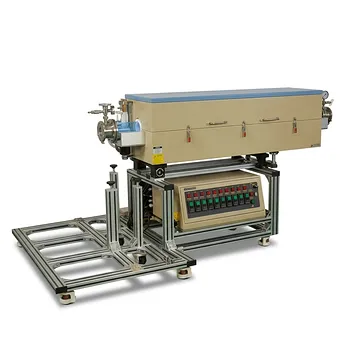
What is the primary role of a high-temperature tube furnace in resin transformation? Optimize Porous Carbon Synthesis
Updated 3 months ago
The high-temperature tube furnace serves as the precise thermal reactor required to simultaneously drive carbonization and chemical reduction. It provides a strictly controlled, oxygen-free environment—typically using argon or nitrogen—that facilitates the thermal decomposition of resin precursors at specific temperatures, such as 700°C. This process removes volatile components to form a porous carbon skeleton while concurrently reducing iron salts into magnetic nanoparticles or iron carbide phases.
The primary role of the tube furnace is to provide the simultaneous thermal and atmospheric control necessary to convert organic precursors into structured carbon while engineering the chemical state of embedded iron. It acts as the catalyst for both physical pore formation and chemical metallic reduction.
The Dual Role of Atmospheric and Thermal Control
Atmospheric Isolation and Prevention of Combustion
The tube furnace creates an oxygen-free environment using inert gases like argon or nitrogen. This isolation is critical because it prevents the direct combustion of the resin, allowing instead for pyrolysis and carbonization. Without this precise regulation, the organic precursors would simply burn away rather than transforming into a functional carbon network.
Facilitating Thermal Decomposition
At temperatures around 700°C, the furnace provides the energy required to break down complex organic molecules. This thermal decomposition removes volatiles from the resin, leaving behind a stable, solid carbon structure. This stage is foundational for establishing the basic architecture of the material.
Inducing Aromatization and Crystallinity
The stable high-heat environment promotes aromatization, where carbon atoms rearrange into more stable, hexagonal rings. By adjusting the furnace temperature, researchers can control the crystallinity of the resulting carbon. This level of control ensures the material possesses the necessary mechanical strength and electrical properties.
Engineering Porosity and Iron Transformation
Precise Pore Structure Development
The tube furnace is the primary tool for inducing pore structures within the carbon matrix. As volatiles escape and the carbon skeleton forms, a network of micropores and mesopores is created. The furnace allows for the manipulation of these structures, which is essential for creating the surface area needed to load active sites or facilitate chemical reactions.
Chemical Reduction of Iron Precursors
Beyond carbonization, the furnace drives the chemical reduction of pre-loaded iron salts. Under the specific thermal conditions of the tube, iron precursors are converted into magnetic iron nanoparticles, zero-valent iron crystals, or iron carbide phases. This transformation is what gives the resulting porous carbon its magnetic and catalytic properties.
Controlled Thermal Activation
The furnace enables a "one-step" process where carbonization and thermal activation happen simultaneously. This efficiency ensures that the iron particles are integrated deeply within the carbon skeleton as it forms. The result is a robust, composite material where the iron phases are protected and stabilized by the surrounding carbon.
Understanding the Trade-offs
The Risk of Temperature Gradients
While tube furnaces offer high precision, they can suffer from internal temperature gradients if not properly calibrated. If the temperature is inconsistent across the length of the tube, the resin may undergo uneven carbonization. This leads to a material with non-uniform porosity and inconsistent iron particle distribution.
Atmosphere Purity and Leakage
The success of the transformation depends entirely on the purity of the inert atmosphere. Even minute oxygen leaks can lead to the oxidation of the iron nanoparticles, stripping them of their magnetic or catalytic utility. Maintaining a perfect seal at high temperatures is a constant operational challenge.
Balancing Residence Time
There is a critical trade-off between the time spent at high temperature and the quality of the pore network. Sustaining high heat for too long can cause the pore structures to collapse or the iron particles to sinter (clump together). Conversely, insufficient time prevents the complete removal of volatiles, resulting in a low-purity carbon product.
Applying This to Your Material Synthesis
Choosing the Right Parameters for Your Project
To achieve the best results when transforming resin precursors, you must align your furnace settings with your specific material goals.
- If your primary focus is high surface area: Target lower temperatures (500-600°C) with slower heating rates to preserve delicate micropore networks during volatile removal.
- If your primary focus is magnetic performance: Utilize higher temperatures (700°C+) to ensure the complete reduction of iron salts into magnetic metallic or carbide phases.
- If your primary focus is structural durability: Prioritize higher heat (up to 1000°C) to promote advanced aromatization and the formation of a rigid, high-strength carbon skeleton.
The high-temperature tube furnace is the indispensable tool that bridges the gap between raw organic precursors and sophisticated, functional iron-carbon nanomaterials.
Summary Table:
| Process Step | Furnace Function | Key Outcome |
|---|---|---|
| Atmospheric Control | Provides inert environment (Ar/N2) | Prevents combustion; enables pyrolysis |
| Thermal Decomposition | Controlled heating (e.g., 700°C) | Removal of volatiles; carbon skeleton formation |
| Iron Transformation | Chemical reduction | Formation of magnetic nanoparticles/carbides |
| Structural Engineering | High-heat aromatization | Controlled crystallinity and pore development |
Elevate Your Material Synthesis with THERMUNITS Precision Engineering
As a leading manufacturer of high-temperature laboratory equipment, THERMUNITS provides the advanced thermal processing solutions required for sophisticated R&D. Whether you are transforming resin precursors into iron-porous carbon or developing complex materials via CVD/PECVD systems, our equipment ensures the precise atmospheric and thermal control your research demands.
Our Comprehensive Range Includes:
- Tube & Rotary Furnaces: Ideal for precise carbonization and material transformation.
- Vacuum & Atmosphere Furnaces: Ensuring oxygen-free environments for sensitive reductions.
- Specialized Equipment: Muffle, Hot Press, Dental Furnaces, Electric Rotary Kilns, and Vacuum Induction Melting (VIM) systems.
Ready to optimize your lab’s thermal processing? Contact our technical experts today to discuss how our high-performance heating elements and furnace solutions can accelerate your material science breakthroughs.
References
- Daniel Sibera, Urszula Narkiewicz. Activated Iron-Porous Carbon Nanomaterials as Adsorbents for Methylene Blue and Congo Red. DOI: 10.3390/molecules29174090
Mentioned Products
- High Temperature Tube Furnace 1500C with Sliding Flanges and 50mm OD for Rapid Thermal Processing Fast Heating and Cooling
- High Temperature 1700C Tube Furnace with High Vacuum Turbomolecular Pump System and Multi Channel Mass Flow Controller Gas Mixer
- High Temperature 1700C Benchtop Tube Furnace with 5 Inch Heating Zone High Purity Alumina Tube and Vacuum Sealing Flanges
- 1750°C High Temperature Benchtop Vacuum Atmosphere Tube Furnace with Kanthal Super 1800 Heating Elements and 60mm Alumina Processing Tube
- Compact High Temperature 1600C Tube Furnace with 50mm Alumina Tube and Vacuum Flanges for Material Sintering
People Also Ask
- How are high-temperature tube furnaces utilized to repair etching damage? Precision Lattice Restoration Solutions
- What role does a high-temperature tube furnace play in CVD synthesis of silicon nanowires? Master VLS Growth Precision.
- What core conditions does a high-temperature tube furnace provide for rGO aerogels? Mastering Precision Synthesis.
- What role does a high-temperature tube furnace play in the sulfidation heat treatment of CoS@C/MXene nanocomposites? Guide
- How does precision tube furnace control influence CoFe nanoparticle formation? Master Your Bimetallic Synthesis.

Tech Team · ThermUnits
Last updated on Jun 03, 2026
Related Products

High Temperature Tube Furnace 1500C with Sliding Flanges and 50mm OD for Rapid Thermal Processing Fast Heating and Cooling

High Temperature 1700C Tube Furnace with High Vacuum Turbomolecular Pump System and Multi Channel Mass Flow Controller Gas Mixer

High Temperature 1700C Benchtop Tube Furnace with 5 Inch Heating Zone High Purity Alumina Tube and Vacuum Sealing Flanges

1750°C High Temperature Benchtop Vacuum Atmosphere Tube Furnace with Kanthal Super 1800 Heating Elements and 60mm Alumina Processing Tube

Compact High Temperature 1600C Tube Furnace with 50mm Alumina Tube and Vacuum Flanges for Material Sintering
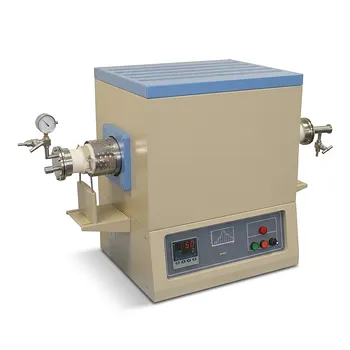
1700C High Temperature Alumina Tube Furnace with 18 Inch Heated Zone and Vacuum Sealing Flanges

1800C High Temperature Compact Vacuum Tube Furnace with 60mm OD Alumina Tube and Kanthal MoSi2 Heating Elements
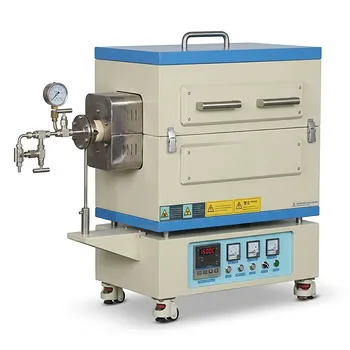
High Temperature Split Tube Furnace 1500C for Material Research Vacuum and Atmosphere Thermal Processing

High Temperature 1700C Vertical Tube Furnace for Powder Spherification and Material Sintering
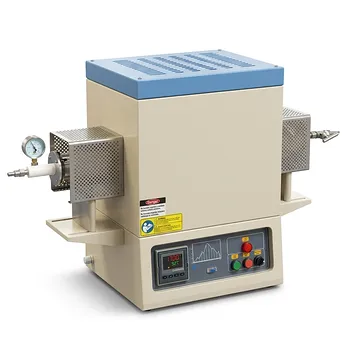
High Temperature Three Zone Tube Furnace 1700C with Alumina Tube and Water Cooled Flanges

High Temperature 1700C Six Zone Split Tube Furnace with Alumina Tube and Water Cooled Flanges
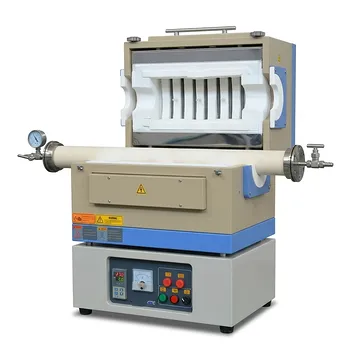
High Temperature 1600C Split Tube Furnace Vacuum Flanges Valves Optional 60mm 80mm Alumina Tube

High Temperature Automated 5 Inch Tube Furnace for Autonomous Material Research and Advanced Laboratory R&D

1100C Tube Furnace with Vacuum Flange and Programmable Temperature Controller for Material Science and Industrial Heat Treatment
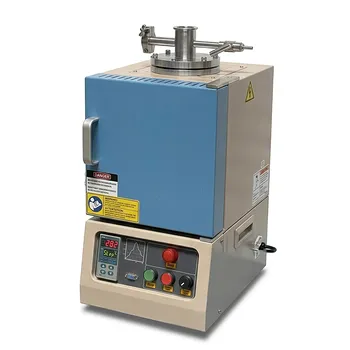
High Temperature Hybrid Muffle and Tube Furnace with Vacuum Capability and PID Control
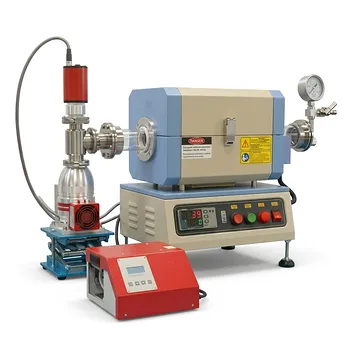
High Vacuum Compact Tube Furnace 1200C with Integrated Turbo Pump System and 8 Inch Heating Zone

1700C Hydrogen Gas Tube Furnace with 60mm Alumina Process Tube and Integrated Hydrogen Safety Detector
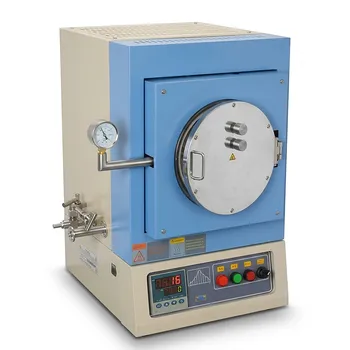
1100°C High Temperature Quartz Chamber Furnace 8 Inch OD with 7.6 Liter Capacity and Vacuum Atmosphere Capability
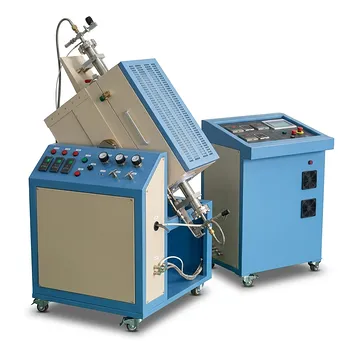
1100C High Pressure Rocking Tube Furnace with 2 Inch Super Alloy Processing Tube for Material Synthesis