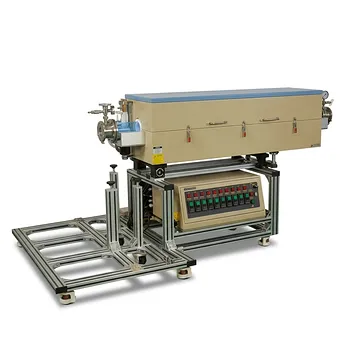
What is the role of a high-temperature tube furnace in the synthesis of 2D transition metal disulfides? Growth Mastery
Updated 3 months ago
The high-temperature tube furnace serves as the foundational reaction vessel for the synthesis of 2D transition metal disulfides. It provides the necessary thermal energy to drive the reduction-sulfuration reaction between metal oxide precursors and sulfurizing vapors. By integrating precise temperature programming with atmospheric isolation, the furnace ensures the transformation of oxides into high-quality, phase-pure crystalline structures while preventing unwanted oxidation.
Core Takeaway: A high-temperature tube furnace is the critical enabler of oxide sulfuration, acting as a controlled micro-environment that balances thermal kinetics, vapor delivery, and atmospheric purity to facilitate the growth of high-crystallinity 2D materials.
Precise Thermal Management and Kinetics
Driving the Reduction-Sulfuration Reaction
The furnace provides the essential thermal energy required to initiate the chemical transformation of metal oxides, such as Molybdenum Trioxide (MoO3), into disulfides. This process involves a complex interaction where sulfur vapors react with the oxide precursor, requiring sustained temperatures typically ranging from 600°C to 800°C.
Multi-Stage Temperature Programming
Advanced tube furnaces allow for multi-stage heating protocols, such as controlled ramps (e.g., 3°C/min) and specific dwell times. This precision is vital for managing the distinct phases of synthesis, including the initial melting of sulfur, the subsequent phase transformation of metal salts, and the final crystallization of the 2D film.
Enhancing Crystalline Quality
Beyond the initial reaction, the furnace facilitates post-recrystallization. By maintaining a stable thermal environment after the sulfurization is complete, the system helps heal lattice defects and improves the overall crystalline quality of the resulting powder or thin film, ensuring stable electronic performance.
Atmospheric Control and Phase Purity
Prevention of Material Oxidation
A core role of the tube furnace is its sealing capability, which allows the reaction to occur under a protective inert atmosphere, such as high-purity Argon (Ar) or Nitrogen (N2). This isolation is mandatory to prevent the metal precursors from re-oxidizing or degrading at high temperatures, which would compromise the purity of the disulfide.
Regulation of Vapor Kinetics
Integrated vacuum and pressure control systems (e.g., maintaining pressures around 1.5 torr) enable the furnace to regulate the evaporation rate of sulfur powder. By controlling the flow of sulfurizing vapors to the sample surface, the furnace ensures that the reaction occurs under optimized kinetic conditions, leading to uniform film growth.
Facilitating Atomic Assembly
In the synthesis of multi-element transition metal dichalcogenides (TMDs), the furnace acts as the central equipment for the thermal decomposition of precursors. It ensures that thin-film precursors undergo chemical transformation under a strictly controlled atmosphere, enabling the growth of large-area, high-crystallinity multi-layer films.
Understanding the Technical Trade-offs
Temperature Uniformity vs. Reaction Scale
While tube furnaces offer excellent control, thermal gradients can exist between the center and the edges of the heating zone. Achieving uniform 2D growth across large substrates requires careful positioning and often limits the effective "sweet spot" for high-quality synthesis within the quartz tube.
Sulfur Condensation and Contamination
One of the primary pitfalls in oxide sulfuration is the condensation of sulfur on cooler parts of the furnace tube. If not managed via proper exhaust and temperature grading, this can lead to pressure fluctuations or cross-contamination in subsequent synthesis runs, necessitating frequent maintenance of the quartz vessel.
Strategic Implementation for Synthesis Goals
How to Apply This to Your Project
To achieve the best results in the synthesis of 2D transition metal disulfides, tailor your furnace parameters to your specific material objective:
- If your primary focus is High Crystallinity: Use slow heating ramps and extended post-treatment dwell times between 700°C and 800°C to encourage grain growth.
- If your primary focus is Phase Purity: Prioritize oxygen removal through multiple vacuum-purge cycles with Argon before initiating the heating sequence.
- If your primary focus is Large-Area Uniformity: Implement precise pressure control and steady carrier gas flow to maintain a constant concentration of sulfur vapor across the substrate.
The high-temperature tube furnace is not merely a heat source, but a sophisticated reactor that harmonizes chemistry and physics to realize the potential of 2D materials.
Summary Table:
| Function | Key Feature | Impact on 2D Synthesis |
|---|---|---|
| Thermal Kinetics | Multi-stage ramping (600-800°C) | Drives the reduction-sulfuration of oxide precursors. |
| Atmospheric Purity | Inert gas/vacuum sealing | Prevents re-oxidation and ensures high phase purity. |
| Vapor Control | Pressure & flow regulation | Manages sulfur evaporation for uniform film growth. |
| Lattice Healing | Stable post-treatment dwell | Reduces defects and enhances overall crystallinity. |
Elevate Your 2D Material Research with THERMUNITS
As a leading manufacturer of high-temperature laboratory equipment for material science and industrial R&D, THERMUNITS provides the precision tools necessary for advanced synthesis. Our high-performance Tube furnaces, CVD/PECVD systems, and Vacuum/Atmosphere furnaces are specifically engineered to offer the atmospheric integrity and thermal stability required for high-quality TMD growth.
From Muffle and Rotary furnaces to Hot Press systems and Vacuum Induction Melting (VIM) units, our comprehensive range of thermal processing solutions empowers researchers to achieve phase-pure, high-crystallinity results.
Ready to optimize your oxide sulfuration workflow? Contact our technical experts today to find the ideal thermal solution for your lab's specific material challenges.
References
- Vladislav Buravets, Oleksiy Lyutakov. Rapid and Universal Synthesis of 2D Transition Metal (Ti, Zr, Hf, V, Nb, Ta, Cr, Mo, and W) Sulfides through Oxide Sulfurization in CS<sub>2</sub> Vapor. DOI: 10.1021/acs.inorgchem.4c00475
Mentioned Products
- High Temperature Tube Furnace 1500C with Sliding Flanges and 50mm OD for Rapid Thermal Processing Fast Heating and Cooling
- High Temperature 1700C Tube Furnace with High Vacuum Turbomolecular Pump System and Multi Channel Mass Flow Controller Gas Mixer
- High Temperature 1700C Benchtop Tube Furnace with 5 Inch Heating Zone High Purity Alumina Tube and Vacuum Sealing Flanges
- 1750°C High Temperature Benchtop Vacuum Atmosphere Tube Furnace with Kanthal Super 1800 Heating Elements and 60mm Alumina Processing Tube
- Compact High Temperature 1600C Tube Furnace with 50mm Alumina Tube and Vacuum Flanges for Material Sintering
People Also Ask
- How are high-temperature tube furnaces utilized to repair etching damage? Precision Lattice Restoration Solutions
- What role does a high-temperature tube furnace play in CVD synthesis of silicon nanowires? Master VLS Growth Precision.
- What core conditions does a high-temperature tube furnace provide for rGO aerogels? Mastering Precision Synthesis.
- What role does a high-temperature tube furnace play in the sulfidation heat treatment of CoS@C/MXene nanocomposites? Guide
- How does precision tube furnace control influence CoFe nanoparticle formation? Master Your Bimetallic Synthesis.

Tech Team · ThermUnits
Last updated on Jun 02, 2026
Related Products

High Temperature Tube Furnace 1500C with Sliding Flanges and 50mm OD for Rapid Thermal Processing Fast Heating and Cooling

High Temperature 1700C Tube Furnace with High Vacuum Turbomolecular Pump System and Multi Channel Mass Flow Controller Gas Mixer

High Temperature 1700C Benchtop Tube Furnace with 5 Inch Heating Zone High Purity Alumina Tube and Vacuum Sealing Flanges

1750°C High Temperature Benchtop Vacuum Atmosphere Tube Furnace with Kanthal Super 1800 Heating Elements and 60mm Alumina Processing Tube

Compact High Temperature 1600C Tube Furnace with 50mm Alumina Tube and Vacuum Flanges for Material Sintering
1700C High Temperature Alumina Tube Furnace with 18 Inch Heated Zone and Vacuum Sealing Flanges

1800C High Temperature Compact Vacuum Tube Furnace with 60mm OD Alumina Tube and Kanthal MoSi2 Heating Elements
High Temperature Split Tube Furnace 1500C for Material Research Vacuum and Atmosphere Thermal Processing

High Temperature 1700C Vertical Tube Furnace for Powder Spherification and Material Sintering
High Temperature Three Zone Tube Furnace 1700C with Alumina Tube and Water Cooled Flanges

High Temperature 1700C Six Zone Split Tube Furnace with Alumina Tube and Water Cooled Flanges
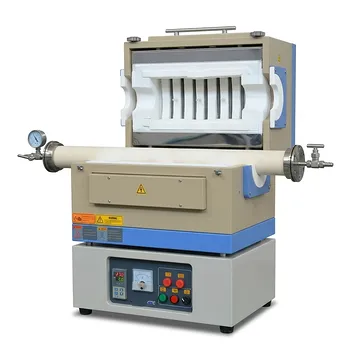
High Temperature 1600C Split Tube Furnace Vacuum Flanges Valves Optional 60mm 80mm Alumina Tube

High Temperature Automated 5 Inch Tube Furnace for Autonomous Material Research and Advanced Laboratory R&D

1100C Tube Furnace with Vacuum Flange and Programmable Temperature Controller for Material Science and Industrial Heat Treatment
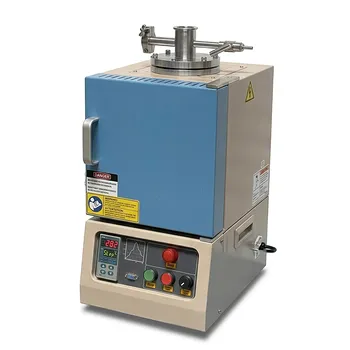
High Temperature Hybrid Muffle and Tube Furnace with Vacuum Capability and PID Control
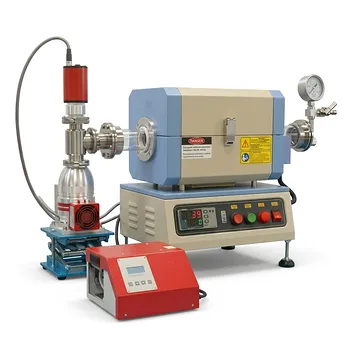
High Vacuum Compact Tube Furnace 1200C with Integrated Turbo Pump System and 8 Inch Heating Zone

1700C Hydrogen Gas Tube Furnace with 60mm Alumina Process Tube and Integrated Hydrogen Safety Detector
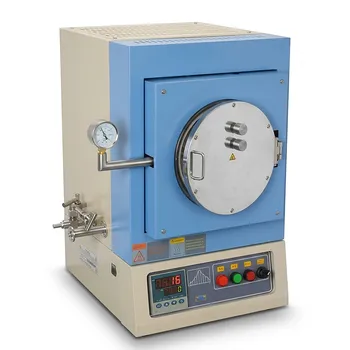
1100°C High Temperature Quartz Chamber Furnace 8 Inch OD with 7.6 Liter Capacity and Vacuum Atmosphere Capability
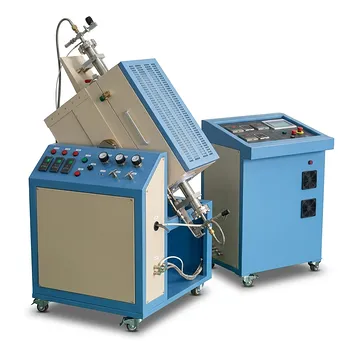
1100C High Pressure Rocking Tube Furnace with 2 Inch Super Alloy Processing Tube for Material Synthesis