What is the specific function of a vacuum pyrolysis furnace in the treatment of waste tires or plastics? Maximize Oil Yield
Updated 3 months ago
The primary function of a vacuum pyrolysis furnace is to facilitate the thermal decomposition of waste tires and plastics at reduced pressures to maximize the yield of high-value liquid hydrocarbons. By lowering the boiling points of the resulting products, the furnace allows volatile compounds to evaporate quickly at lower temperatures, preventing the "over-cracking" of heavy components into less valuable gases or solid carbon residue.
A vacuum pyrolysis furnace optimizes the recovery of long-chain hydrocarbons by minimizing the residence time of volatiles within the reaction chamber. This controlled environment ensures that organic waste is converted into high-quality oil and purified solids rather than being lost to secondary reactions like coking.
The Mechanism of Pressure Reduction
Lowering Boiling Points for Faster Evaporation
The furnace utilizes a mechanical pump to significantly reduce the total pressure within the reaction chamber. This physical change directly lowers the boiling points of the pyrolysis products, allowing them to transform into vapor at much lower temperatures than they would under atmospheric pressure.
Minimizing Residence Time to Prevent Degradation
By creating a vacuum, the system ensures that volatile products are pulled out of the hot zone almost immediately after they are formed. This shortened residence time is critical because it prevents heavy components from staying in the heat long enough to undergo "over-cracking," which would otherwise turn them into non-condensable gases.
Eliminating Coking and Secondary Reactions
In a standard environment, slow-moving volatiles can undergo secondary reactions that lead to coking, the formation of solid carbon deposits on the furnace walls and the material itself. The vacuum environment effectively suppresses these reactions, keeping the output focused on liquid yields and preventing the loss of valuable hydrocarbons.
Material Separation and Purification
Separating Organics from Metallic Components
Beyond oil production, the vacuum pyrolysis furnace is essential for metal recovery from complex waste like steel-belted tires or plastic-metal laminates. The anaerobic (oxygen-free) thermal decomposition breaks down the organic binders, leaving behind clean, enriched metallic components that are ready for further processing.
Removal of Halogens and Harmful Substances
The process is highly effective at stripping away halogens and harmful organic substances during the decomposition phase. This purification step ensures that the resulting solid and liquid products are safer to handle and that subsequent smelting processes are not contaminated by corrosive elements.
Reducing Carbon Load for Smelting
For operations focused on metal recycling, the furnace reduces the carbon load of the waste material. By removing the bulk of the organic matter through pyrolysis, the remaining material becomes easier to manage in pyrometallurgical smelting, leading to higher energy utilization efficiency.
Understanding the Technical Trade-offs
Mechanical Complexity and Maintenance
Maintaining a consistent vacuum in a high-temperature environment requires sophisticated mechanical pumps and robust sealing systems. These components are susceptible to wear and require regular maintenance to prevent leaks, which could introduce oxygen and compromise the anaerobic environment.
Energy Consumption for Vacuum Maintenance
While vacuum pyrolysis lowers the required reaction temperature, the energy needed to drive the vacuum pumps adds to the operational overhead. Operators must balance the increased value of the oil yield against the additional electricity costs required to maintain the pressure differential.
Scale and Throughput Limitations
Achieving and maintaining a deep vacuum becomes increasingly difficult as the size of the reaction chamber grows. This often means that vacuum pyrolysis systems have lower throughput capacities compared to continuous-flow atmospheric pyrolysis plants, making them better suited for high-value specialty recycling.
How to Apply This to Your Project
Selecting the right pyrolysis approach depends on whether your priority is the quality of the oil or the volume of the waste processed.
- If your primary focus is maximizing liquid fuel or chemical feedstock yield: A vacuum pyrolysis furnace is the superior choice because it prevents over-cracking and produces a higher concentration of long-chain hydrocarbons.
- If your primary focus is clean metal recovery from complex waste: This technology is ideal as it removes organic contaminants and halogens without oxidizing or losing the metallic components.
- If your primary focus is reducing the environmental footprint of smelting: Use this furnace to pre-treat waste, as it significantly lowers the carbon load and improves the energy efficiency of the downstream smelting process.
By leveraging reduced pressure, you can transform difficult waste streams into high-purity resources while maintaining precise control over the chemical outcomes of the decomposition.
Summary Table:
| Feature | Function in Pyrolysis | Primary Benefit |
|---|---|---|
| Reduced Pressure | Lowers boiling points of hydrocarbons | Faster evaporation at lower temperatures |
| Short Residence Time | Rapid removal of volatile vapors | Prevents "over-cracking" into low-value gas |
| Anaerobic Environment | Oxygen-free thermal decomposition | Prevents combustion and secondary coking |
| Halogen Stripping | Removes harmful organic substances | Produces high-purity oil and clean metals |
Maximize Your Material Recovery with THERMUNITS
Are you looking to optimize your waste-to-energy yields or advance your material science research? THERMUNITS is a leading manufacturer of high-performance high-temperature laboratory equipment. We provide precision-engineered thermal solutions, including Vacuum Pyrolysis Furnaces, Atmosphere, Tube, Rotary, and Hot Press furnaces, as well as CVD/PECVD systems and Vacuum Induction Melting (VIM) units.
Our equipment is designed to help industrial R&D teams achieve superior heat treatment results, ensuring maximum hydrocarbon recovery and high-purity outputs. Whether you need an electric rotary kiln for processing or a specialized dental furnace, we have the expertise to support your goals.
Ready to upgrade your laboratory or pilot plant? Contact our engineering experts today to discuss your specific requirements and discover how our thermal processing solutions can drive your innovation forward.
References
- Ana B. Cuevas, M.P. Dorado. An Overview of Pyrolysis as Waste Treatment to Produce Eco-Energy. DOI: 10.3390/en17122852
Mentioned Products
- High Pressure 600T Vacuum Induction Hot Press Furnace for Advanced Material Heat Treatment and Sintering
- 1500C Three Zone Vertical Pyrolysis Furnace for Nanoparticle Synthesis and Advanced Oxide Coating
- High Temperature Cold Wall High Vacuum Chamber Furnace 1400C for Advanced Material Processing
- High Temperature 1000C Vacuum Furnace with 8 Inch ID Chamber for Material Sintering and Research Annealing
- Electric Rotary Kiln Small Rotary Furnace Biomass Pyrolysis Plant
People Also Ask
- What is a Vacuum Hot Press Furnace and what are its primary industrial applications? Achieve Maximum Material Density
- What are the structural features of the furnace body and chamber in a Vacuum Hot Press Furnace? Master Material Density
- What types of heating systems and insulation are used in Vacuum Hot Press Furnaces? Optimize Your Thermal Processing
- Why is graphite the preferred material for dies and heating elements in Vacuum Hot Press Furnaces? High-Temp Solutions
- What are the primary operational components and mechanisms of a vacuum hot press furnace? A Technical Breakdown

Tech Team · ThermUnits
Last updated on Jun 03, 2026
Related Products
High Pressure 600T Vacuum Induction Hot Press Furnace for Advanced Material Heat Treatment and Sintering
1500C Three Zone Vertical Pyrolysis Furnace for Nanoparticle Synthesis and Advanced Oxide Coating
High Temperature Cold Wall High Vacuum Chamber Furnace 1400C for Advanced Material Processing
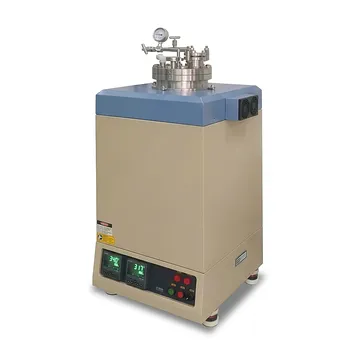
High Temperature 1000C Vacuum Furnace with 8 Inch ID Chamber for Material Sintering and Research Annealing
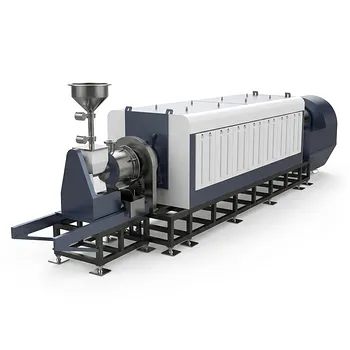
Electric Rotary Kiln Small Rotary Furnace Biomass Pyrolysis Plant
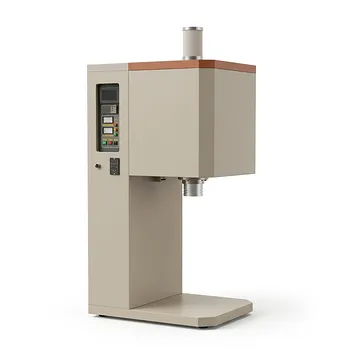
Vertical Openable Tube Furnace 0-1700c High Temperature Laboratory System for CVD and Vacuum Heat Treatment
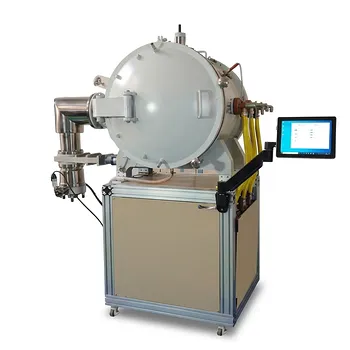
High Temperature Cold Wall Vacuum Furnace for Advanced Material Sintering and Annealing 1600C Heating Area 200x200x300mm
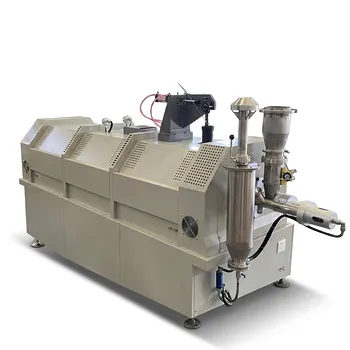
Electric Rotary Kiln Continuous Working Small Rotary Furnace Heating Pyrolysis Plant

1100C Tube Furnace with Vacuum Flange and Programmable Temperature Controller for Material Science and Industrial Heat Treatment
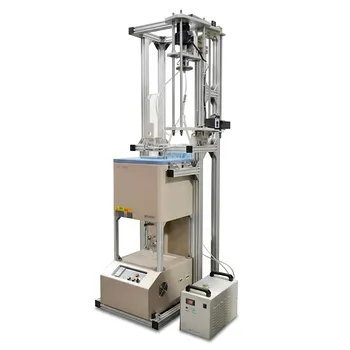
500C Vacuum Vertical Tube Furnace 84mm OD Sample Rotation Lifting System

High Temperature 1700C Vertical Tube Furnace for Powder Spherification and Material Sintering

1800C High Temperature Compact Vacuum Tube Furnace with 60mm OD Alumina Tube and Kanthal MoSi2 Heating Elements
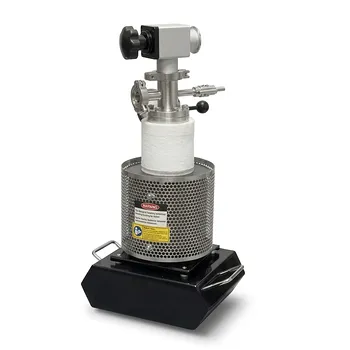
High Temperature 1100C Compact Top Loading Vertical Vacuum Tube Furnace for High Vacuum Noble Metal Melting and Material Research
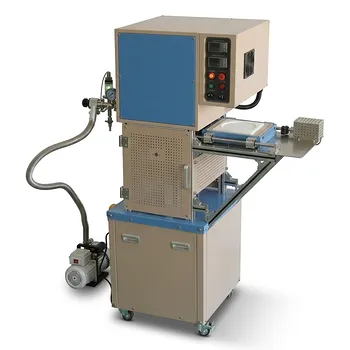
1200°C Bottom Loading Vacuum Furnace with Rapid Gas Cooling and 8.6 Inch Diameter Quartz Chamber
High Temperature Dual Zone Vacuum Tube Furnace for Material Research and CVD Processing
Mini Rotary Tubular Furnaces for Precision Powder Heat Treatment and Thermogravimetric Analysis
High Temperature Vacuum Lamination Hot Press Furnace Machine for Semiconductor Wafer Bonding and Advanced Composite Thermal Processing

Vertical 1700C Vacuum and Atmosphere Tube Furnace with 80mm Alumina Tube
Compact Split Tube Furnace with Integrated Vacuum System and Precision Temperature Calibrator