What materials are typically used to fabricate work tubes for high-temperature tube furnaces? Expert Selection Guide
Updated 5 months ago
The selection of work tube materials for high-temperature furnaces is primarily determined by the peak operating temperature and the chemical composition of the process environment. Common fabrication materials include fused quartz, alumina, and mullite for ceramic applications, while specialized environments may require refractory metals like molybdenum or tungsten. For specific industrial applications, high-strength alloy steels are utilized to ensure structural integrity and efficient heat absorption.
Selecting the correct work tube material requires balancing the maximum required temperature against the need for chemical inertness and thermal shock resistance. Choosing an incompatible material can lead to tube deformation, sample contamination, or catastrophic failure during thermal cycling.
Ceramic Materials for Thermal Stability
Fused Quartz for Visibility and Moderate Heat
Fused quartz is a frequently selected material for applications operating up to approximately 1100–1200 °C. It is valued for its transparency, which allows for visual monitoring of the process, and its high level of chemical purity.
Alumina for High-Temperature Performance
Alumina (or corundum) is the standard choice for extreme temperatures, capable of withstanding environments up to 1700–1800 °C. These tubes are opaque and offer superior resistance to thermal deformation and chemical erosion in most industrial atmospheres.
Mullite for General Purpose Use
Mullite serves as a robust ceramic alternative, often used when the extreme temperature limits of alumina are not required. It provides a reliable balance of thermal stability and mechanical strength for standard laboratory and industrial heating tasks.
Metallic and Refractory Materials
Refractory Metals for Corrosive Environments
In specialized applications where the atmosphere is highly corrosive, work tubes are often fabricated from molybdenum or tungsten. These refractory metals provide exceptional durability and maintain their integrity in chemical environments that would degrade standard ceramics.
Heat-Resistant Alloy Steels
For specific industrial "reaction tubes," special heat-resistant alloy steels are employed due to their high thermal strength. These materials are engineered to maintain a stable oxide layer, which ensures high emissivity and prevents burnout under long-term exposure to oxidizing flue gases.
Understanding the Trade-offs
Thermal Shock and Brittleness
While ceramic tubes like alumina offer high temperature limits, they are highly susceptible to thermal shock. Rapid heating or cooling can cause the material to crack, necessitating slow, controlled ramp rates to ensure longevity.
Chemical Reactivity and Contamination
At elevated temperatures, the work tube material can react with the process gas or the sample itself. For instance, while quartz is chemically inert for many applications, it may lose its structural integrity if exposed to certain alkaline elements at high heat.
Porosity and Vacuum Integrity
Different grades of alumina and mullite have varying levels of porosity. If your process requires a high vacuum or a strictly controlled atmosphere, a high-purity, non-porous (gas-tight) grade of ceramic must be specified to prevent gas diffusion through the tube walls.
Choosing the Right Material for Your Application
Selecting a work tube depends on your specific process variables, including peak temperature, heating rate, and the presence of corrosive agents.
- If your primary focus is visual monitoring at moderate temperatures: Fused quartz is the optimal choice for its transparency and stability up to 1200 °C.
- If your primary focus is maximum thermal ceiling: High-purity alumina is the industry standard for processes reaching up to 1800 °C.
- If your primary focus is durability in corrosive chemical environments: Refractory metals such as molybdenum or tungsten provide the necessary chemical resistance.
- If your primary focus is cost-effective general heating: Mullite offers a reliable and economical solution for standard high-temperature applications.
By aligning your material choice with the specific thermal and chemical demands of your project, you ensure both the purity of your results and the longevity of your equipment.
Summary Table:
| Material | Max Temperature | Key Benefits |
|---|---|---|
| Fused Quartz | ~1200°C | Transparency for process monitoring & high chemical purity |
| Alumina | ~1800°C | Superior thermal stability and resistance to chemical erosion |
| Mullite | ~1600°C | Reliable balance of mechanical strength and cost-effectiveness |
| Refractory Metals | >2000°C | Exceptional durability in highly corrosive environments |
| Alloy Steels | Varies | High thermal strength and emissivity for industrial reactions |
Optimize Your Thermal Research with THERMUNITS
Choosing the right work tube material is critical for the success of your material science and industrial R&D projects. THERMUNITS is a leading manufacturer of high-temperature laboratory equipment, offering a comprehensive range of thermal processing solutions tailored to your needs.
Our product lineup includes:
- Furnaces: Tube, Muffle, Vacuum, Atmosphere, Rotary, Hot Press, and Dental Furnaces.
- Specialized Systems: CVD/PECVD systems, Electric Rotary Kilns, and Vacuum Induction Melting (VIM) furnaces.
- Components: High-quality Thermal Elements and heat treatment accessories.
Whether you need extreme temperature alumina tubes or gas-tight quartz solutions, our experts are ready to provide the precision tools your lab requires.
Contact THERMUNITS Today to Discuss Your Requirements
Mentioned Products
- High Temperature Tube Furnace 1500C with Sliding Flanges and 50mm OD for Rapid Thermal Processing Fast Heating and Cooling
- High Temperature 1700C Tube Furnace with High Vacuum Turbomolecular Pump System and Multi Channel Mass Flow Controller Gas Mixer
- High Temperature 1700C Benchtop Tube Furnace with 5 Inch Heating Zone High Purity Alumina Tube and Vacuum Sealing Flanges
- 1750°C High Temperature Benchtop Vacuum Atmosphere Tube Furnace with Kanthal Super 1800 Heating Elements and 60mm Alumina Processing Tube
- Compact High Temperature 1600C Tube Furnace with 50mm Alumina Tube and Vacuum Flanges for Material Sintering
People Also Ask
- How are high-temperature tube furnaces utilized to repair etching damage? Precision Lattice Restoration Solutions
- What role does a high-temperature tube furnace play in CVD synthesis of silicon nanowires? Master VLS Growth Precision.
- What core conditions does a high-temperature tube furnace provide for rGO aerogels? Mastering Precision Synthesis.
- What role does a high-temperature tube furnace play in the sulfidation heat treatment of CoS@C/MXene nanocomposites? Guide
- How does precision tube furnace control influence CoFe nanoparticle formation? Master Your Bimetallic Synthesis.

Tech Team · ThermUnits
Last updated on Apr 14, 2026
Related Products
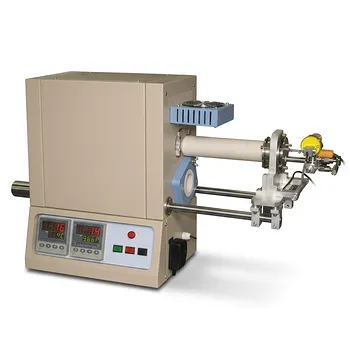
High Temperature Tube Furnace 1500C with Sliding Flanges and 50mm OD for Rapid Thermal Processing Fast Heating and Cooling

High Temperature 1700C Tube Furnace with High Vacuum Turbomolecular Pump System and Multi Channel Mass Flow Controller Gas Mixer

High Temperature 1700C Benchtop Tube Furnace with 5 Inch Heating Zone High Purity Alumina Tube and Vacuum Sealing Flanges

1750°C High Temperature Benchtop Vacuum Atmosphere Tube Furnace with Kanthal Super 1800 Heating Elements and 60mm Alumina Processing Tube

Compact High Temperature 1600C Tube Furnace with 50mm Alumina Tube and Vacuum Flanges for Material Sintering
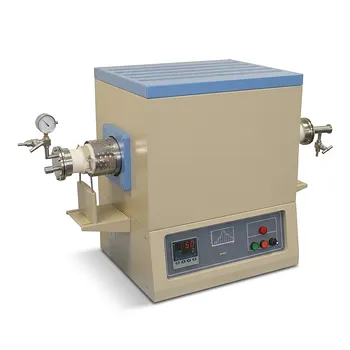
1700C High Temperature Alumina Tube Furnace with 18 Inch Heated Zone and Vacuum Sealing Flanges

1800C High Temperature Compact Vacuum Tube Furnace with 60mm OD Alumina Tube and Kanthal MoSi2 Heating Elements
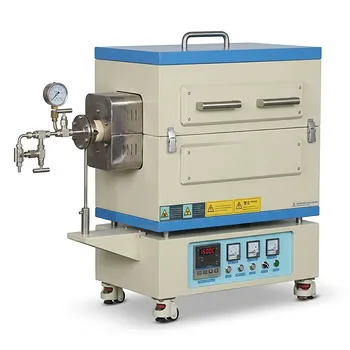
High Temperature Split Tube Furnace 1500C for Material Research Vacuum and Atmosphere Thermal Processing

High Temperature 1700C Vertical Tube Furnace for Powder Spherification and Material Sintering
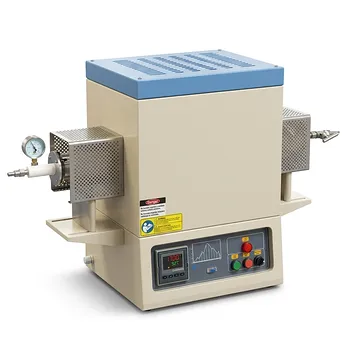
High Temperature Three Zone Tube Furnace 1700C with Alumina Tube and Water Cooled Flanges

High Temperature 1700C Six Zone Split Tube Furnace with Alumina Tube and Water Cooled Flanges
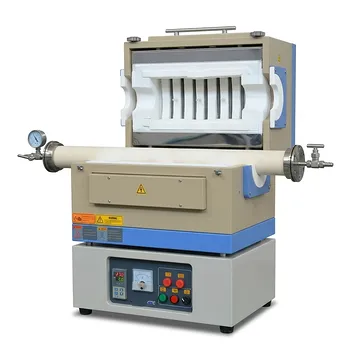
High Temperature 1600C Split Tube Furnace Vacuum Flanges Valves Optional 60mm 80mm Alumina Tube

High Temperature Automated 5 Inch Tube Furnace for Autonomous Material Research and Advanced Laboratory R&D
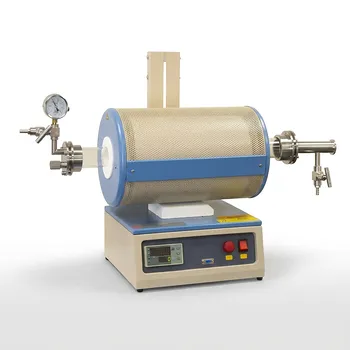
1100C Tube Furnace with Vacuum Flange and Programmable Temperature Controller for Material Science and Industrial Heat Treatment
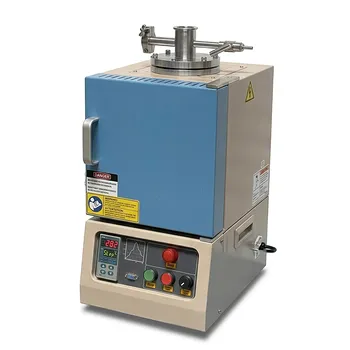
High Temperature Hybrid Muffle and Tube Furnace with Vacuum Capability and PID Control
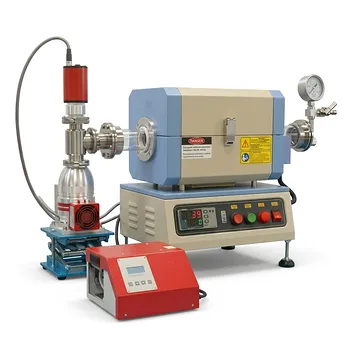
High Vacuum Compact Tube Furnace 1200C with Integrated Turbo Pump System and 8 Inch Heating Zone
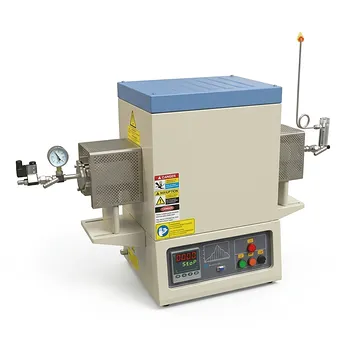
1700C Hydrogen Gas Tube Furnace with 60mm Alumina Process Tube and Integrated Hydrogen Safety Detector
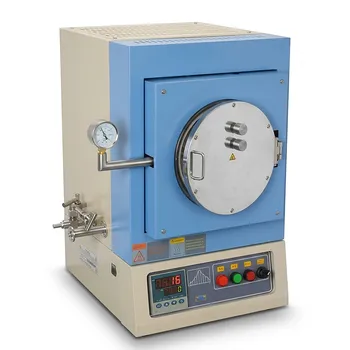
1100°C High Temperature Quartz Chamber Furnace 8 Inch OD with 7.6 Liter Capacity and Vacuum Atmosphere Capability
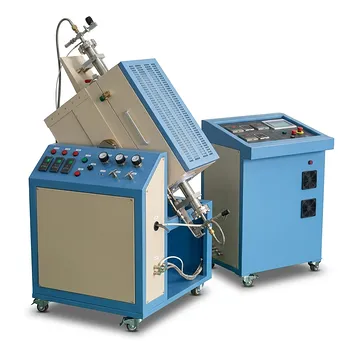
1100C High Pressure Rocking Tube Furnace with 2 Inch Super Alloy Processing Tube for Material Synthesis