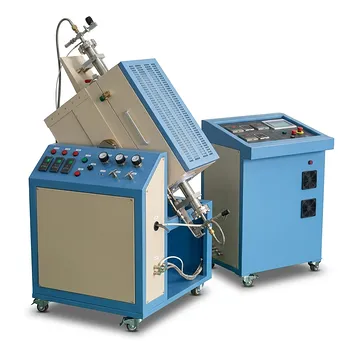
Why is an Argon protective atmosphere necessary within a high-temperature tube furnace during carbonization?
Updated 3 months ago
An argon protective atmosphere is essential because it displaces oxygen and moisture to create a strictly inert environment. Without this protection, carbon-based materials and metal precursors would undergo oxidative combustion—essentially burning away—at the high temperatures required for carbonization (typically 700°C to 1300°C). The presence of argon ensures that the thermal energy is used exclusively for chemical bond rearrangement and structural transformation rather than material degradation.
The argon atmosphere acts as a chemical shield that prevents oxygen-driven degradation, allowing high-temperature processes to focus solely on the structural evolution of the material. This ensures that precursors are converted into stable carbon matrices with their intended microscopic morphology, pore structure, and electronic properties intact.
Preventing Oxidative Combustion and Material Loss
The Vulnerability of Carbon at High Temperatures
At temperatures exceeding 700°C, carbon materials such as nanofibers, nanotubes, and graphene become highly reactive to even trace amounts of oxygen. Without an inert gas like argon to isolate the sample, the carbon will react with oxygen to form CO or CO2, leading to the rapid "burning off" or ablation of the material.
Maximizing Material Yield
Maintaining an argon flow is the primary method for ensuring high yield during the pyrolysis of organic precursors. By excluding oxygen, the system prevents the loss of mass through combustion, allowing the organic framework (such as polyimide or coal precursors) to successfully transform into a solid carbon matrix.
Preserving Structural and Chemical Integrity
Controlling Microscopic Morphology and Pore Structure
The inert environment is critical for accurately controlling the resulting pore structure and graphitic interlayer spacing. In a stable, oxygen-free thermal field, surface-modified molecules can undergo controlled dehydration and decarboxylation, which are essential for applications like sodium-ion storage.
Protecting Metal Alloys and Valence States
In composite materials containing metals, such as nickel-cobalt alloys or metal nano-alloys, argon prevents the formation of unwanted metal oxides. This preservation ensures that the final catalyst or electrode possesses the intended metal valence states and maintains its metallic properties and electrical conductivity.
Facilitating Molecular Rearrangement
High-temperature carbonization relies on the breaking and recombination of chemical bonds, such as polycyclic aromatic hydrocarbon rearrangement. An argon atmosphere ensures these thermodynamic processes occur without interference from surface chemical reactions with atmospheric gases.
Understanding the Trade-offs
Cost and Purity Requirements
While argon is highly effective, it is more expensive than nitrogen, another common inert gas. However, argon is preferred for many high-temperature applications because it is truly inert, whereas nitrogen can sometimes react with certain metals or carbon at extremely high temperatures to form nitrides.
The Necessity of High-Purity Gas
Using low-purity argon can be counterproductive, as trace moisture or oxygen impurities can still cause localized oxidation. For sensitive materials like nanofibers or bowl-in-bowl architectures, high-purity argon (typically 99.999%) is required to ensure that the structural integrity of the delicate framework is not compromised.
Optimizing Your Carbonization Process
Recommendations Based on Project Goals
To achieve the best results in a high-temperature tube furnace, consider the following strategic approaches:
- If your primary focus is maximizing material yield: Ensure a continuous, steady flow of argon throughout both the heating and cooling phases to prevent any oxygen ingress while the material is at reactive temperatures.
- If your primary focus is precise pore regulation: Use a tube furnace with high-purity argon to create a uniform thermal field that allows for the stable conversion of precursors into defined carbon shell structures.
- If your primary focus is maintaining electrical conductivity: Prioritize the exclusion of moisture and oxygen to prevent the oxidation of the carbon framework or metallic dopants, which can significantly increase electrical resistance.
By strictly maintaining an argon protective atmosphere, you ensure that the complex chemical evolution of your material is driven by design rather than environmental contamination.
Summary Table:
| Feature | Argon Protective Atmosphere in Carbonization |
|---|---|
| Primary Function | Displaces Oxygen and moisture to create a strictly inert environment. |
| Temperature Range | Effective for processes typically between 700°C to 1300°C. |
| Yield Benefit | Prevents oxidative combustion; ensures precursors transform into solid carbon matrices. |
| Structural Control | Maintains microscopic morphology, pore structure, and electrical conductivity. |
| Argon vs. Nitrogen | Argon is fully inert; Nitrogen can form unwanted nitrides at extreme temperatures. |
Elevate Your Carbon Research with THERMUNITS
Precision carbonization requires more than just heat—it requires a perfectly controlled environment. THERMUNITS is a leading manufacturer of high-temperature laboratory equipment, providing the advanced thermal processing solutions needed for cutting-edge material science and industrial R&D.
Whether you require high-purity Tube, Atmosphere, or Vacuum furnaces, our systems are engineered to maintain stable inert environments that prevent oxidation and maximize your material yield. From CVD/PECVD systems to high-performance Rotary and Hot Press furnaces, we offer the reliability your research demands.
Ready to optimize your heat treatment process? Contact our expert team today to discuss your specific requirements and discover how THERMUNITS can support your next breakthrough.
References
- Victor Selmert, Rüdiger‐A. Eichel. Breakthrough analysis of the CO2/CH4 separation on electrospun carbon nanofibers. DOI: 10.1007/s10450-023-00435-6
Mentioned Products
- High Temperature Tube Furnace 1500C with Sliding Flanges and 50mm OD for Rapid Thermal Processing Fast Heating and Cooling
- High Temperature 1700C Tube Furnace with High Vacuum Turbomolecular Pump System and Multi Channel Mass Flow Controller Gas Mixer
- 1750°C High Temperature Benchtop Vacuum Atmosphere Tube Furnace with Kanthal Super 1800 Heating Elements and 60mm Alumina Processing Tube
- High Temperature 1700C Benchtop Tube Furnace with 5 Inch Heating Zone High Purity Alumina Tube and Vacuum Sealing Flanges
- High Temperature Split Tube Furnace 1500C for Material Research Vacuum and Atmosphere Thermal Processing
People Also Ask
- How are high-temperature tube furnaces utilized to repair etching damage? Precision Lattice Restoration Solutions
- What role does a high-temperature tube furnace play in the sulfidation heat treatment of CoS@C/MXene nanocomposites? Guide
- What core conditions does a high-temperature tube furnace provide for rGO aerogels? Mastering Precision Synthesis.
- How does precision tube furnace control influence CoFe nanoparticle formation? Master Your Bimetallic Synthesis.
- What role does a high-temperature tube furnace play in CVD synthesis of silicon nanowires? Master VLS Growth Precision.

Tech Team · ThermUnits
Last updated on Jun 02, 2026
Related Products
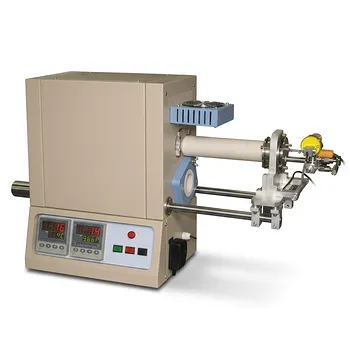
High Temperature Tube Furnace 1500C with Sliding Flanges and 50mm OD for Rapid Thermal Processing Fast Heating and Cooling
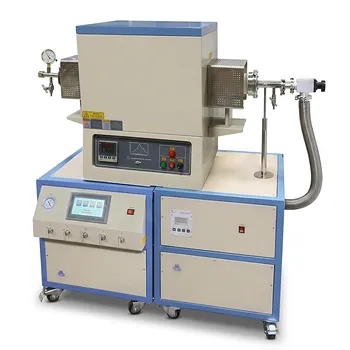
High Temperature 1700C Tube Furnace with High Vacuum Turbomolecular Pump System and Multi Channel Mass Flow Controller Gas Mixer
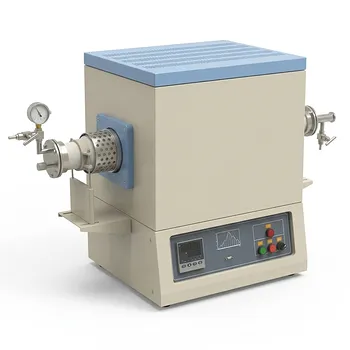
1750°C High Temperature Benchtop Vacuum Atmosphere Tube Furnace with Kanthal Super 1800 Heating Elements and 60mm Alumina Processing Tube

High Temperature 1700C Benchtop Tube Furnace with 5 Inch Heating Zone High Purity Alumina Tube and Vacuum Sealing Flanges
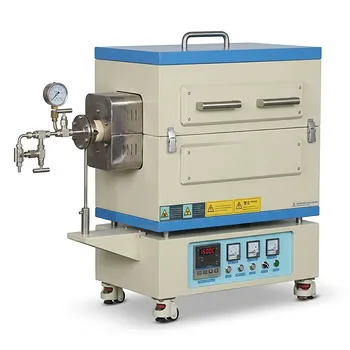
High Temperature Split Tube Furnace 1500C for Material Research Vacuum and Atmosphere Thermal Processing
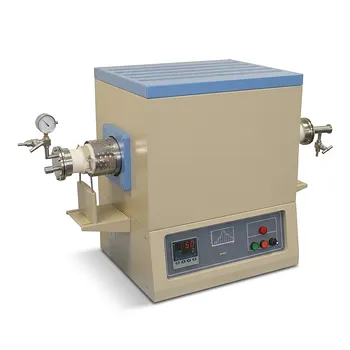
1700C High Temperature Alumina Tube Furnace with 18 Inch Heated Zone and Vacuum Sealing Flanges
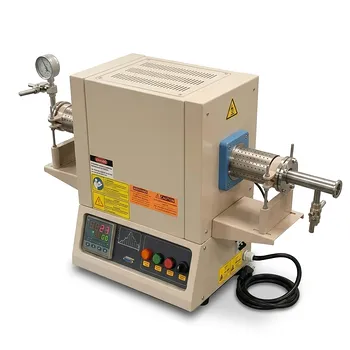
Compact High Temperature 1600C Tube Furnace with 50mm Alumina Tube and Vacuum Flanges for Material Sintering

1800C High Temperature Compact Vacuum Tube Furnace with 60mm OD Alumina Tube and Kanthal MoSi2 Heating Elements
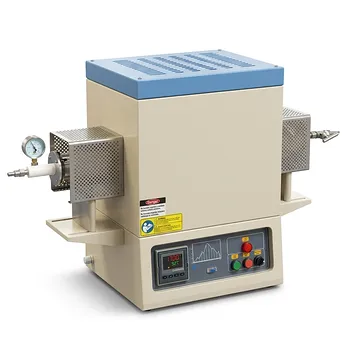
High Temperature Three Zone Tube Furnace 1700C with Alumina Tube and Water Cooled Flanges
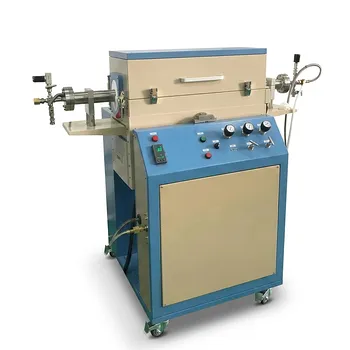
High Temperature Rocking Tube Furnace 1700°C Alumina Processing Tube with Precision Oscillation for Material Synthesis
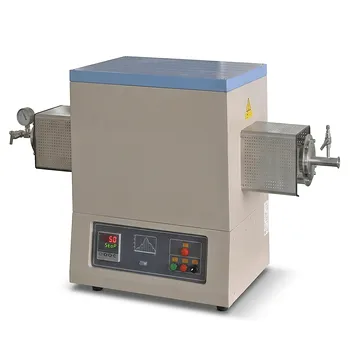
High Temperature 1700C Tube Furnace with 4 Inch OD Alumina Tube and Vacuum Sealing Flanges

High Temperature 1700C Vertical Tube Furnace for Powder Spherification and Material Sintering
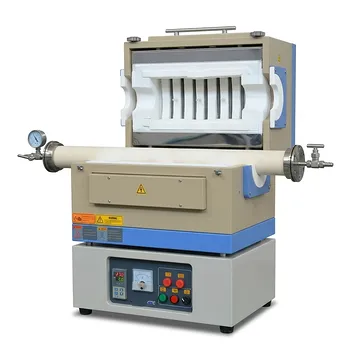
High Temperature 1600C Split Tube Furnace Vacuum Flanges Valves Optional 60mm 80mm Alumina Tube

High Temperature Automated 5 Inch Tube Furnace for Autonomous Material Research and Advanced Laboratory R&D
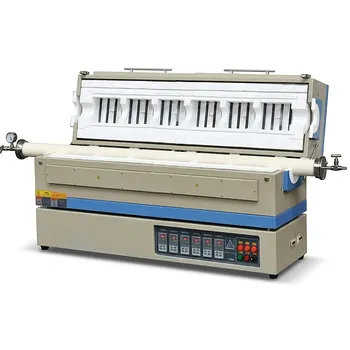
High Temperature 1700C Six Zone Split Tube Furnace with Alumina Tube and Water Cooled Flanges
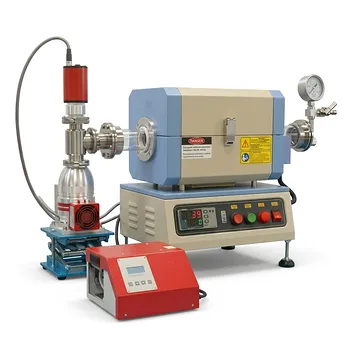
High Vacuum Compact Tube Furnace 1200C with Integrated Turbo Pump System and 8 Inch Heating Zone
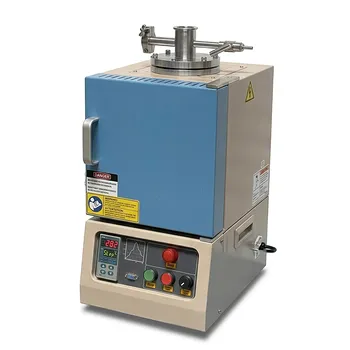
High Temperature Hybrid Muffle and Tube Furnace with Vacuum Capability and PID Control
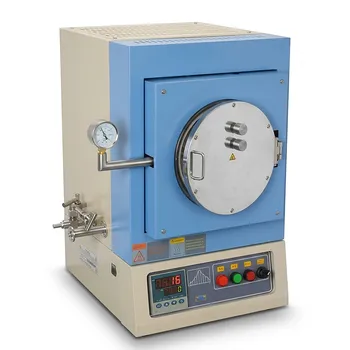
1100°C High Temperature Quartz Chamber Furnace 8 Inch OD with 7.6 Liter Capacity and Vacuum Atmosphere Capability
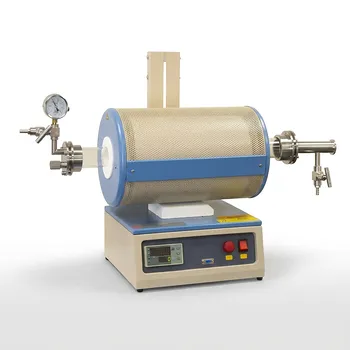
1100C Tube Furnace with Vacuum Flange and Programmable Temperature Controller for Material Science and Industrial Heat Treatment