What role do high-vacuum encapsulated quartz tubes play in the flux growth method for RhSn? Ensure Purity and Stability.
Updated 3 months ago
High-vacuum encapsulated quartz tubes are the primary isolation and containment vessels used to facilitate the growth of RhSn single crystals. They create a strictly oxygen-free environment that prevents the oxidation of Rhodium (Rh) and Tin (Sn) at high temperatures while providing the pressure resistance necessary to stabilize the Tin flux during the crystallization process.
The quartz tube acts as a hermetically sealed, chemically inert reaction chamber that ensures the purity and stoichiometric stability of the growth environment. By removing oxygen and containing high-pressure melts, it enables the slow, controlled precipitation required for high-quality crystal synthesis.
Preventing Chemical Degradation and Oxidation
Maintaining an Oxygen-Free Atmosphere
At the elevated temperatures required for flux growth, Rhodium and Tin are highly susceptible to oxidation. High-vacuum encapsulation removes atmospheric oxygen and moisture, creating a rigorous protective environment that prevents the formation of unwanted oxides.
Preserving Material Stoichiometry
By sealing the precursors in a vacuum, researchers ensure that the precise ratio of elements remains constant throughout the heating cycle. This isolation prevents the loss of materials to the external environment and ensures the resulting RhSn crystals achieve their intended chemical composition.
Ensuring Chemical Purity
High-purity quartz is selected for its exceptional chemical inertness, meaning it does not react with the Rh or Sn precursors. This prevents metal impurities from the heating element or the atmosphere from contaminating the melt, resulting in single crystals with high lattice quality.
Physical Containment and Pressure Stability
Stabilizing the Molten Flux
In the flux growth method, the Tin (Sn) acts as a solvent that must remain stable in a liquid state at high temperatures. The sealed quartz tube acts as a pressure-resistant vessel, maintaining the internal environment necessary to keep the flux from evaporating or destabilizing.
Mechanical Integrity at Extreme Heat
Quartz tubes provide the necessary high-temperature resistance and thermal stability to survive frequent heating and cooling cycles. This structural integrity ensures the vessel does not deform or release particulates into the melt during the crystal precipitation process.
Creating a Closed Thermodynamic System
The encapsulation process creates a closed physical environment where temperature gradients can be precisely managed. This control is vital for the slow precipitation of crystals from the melt, allowing the atoms to arrange themselves into a perfect periodic lattice.
Understanding the Trade-offs and Limitations
Internal Pressure Risks
While quartz is pressure-resistant, it has finite mechanical limits. If the internal vapor pressure of the materials—or residual gases—exceeds the tube's tensile strength at high temperatures, the vessel can undergo a violent "explosion" or failure.
Temperature Thresholds
Quartz has a specific softening point (typically around 1100°C to 1200°C depending on purity and wall thickness). Exceeding these temperatures for prolonged periods can lead to tube deformation, which may compromise the vacuum seal or the geometry of the crystal growth.
Fragility and Handling
Despite its thermal robustness, quartz is physically brittle and sensitive to surface contaminants like skin oils. Any fingerprints or micro-scratches on the tube surface can act as nucleation points for cracks during the cooling phase, potentially ruining the sample.
How to Apply This to Your Project
Recommendations for Crystal Growth
- If your primary focus is maximum crystal purity: Ensure the quartz tube is evacuated to at least 0.13 Pa and use high-purity quartz to eliminate the risk of atmospheric or crucible contamination.
- If your primary focus is preventing tube failure: Carefully calculate the vapor pressure of your flux at peak temperatures and ensure the quartz wall thickness is sufficient to withstand the internal stress.
- If your primary focus is stoichiometric accuracy: Use high-vacuum sealing to prevent the volatilization of components, ensuring the final crystal matches the initial precursor ratios.
By effectively leveraging the isolation and stability of high-vacuum quartz encapsulation, you can achieve the precise thermodynamic conditions necessary for synthesizing high-quality RhSn single crystals.
Summary Table:
| Function | Benefit | Key Feature |
|---|---|---|
| Oxygen-Free Environment | Prevents Rh/Sn oxidation | High-vacuum encapsulation |
| Material Isolation | Maintains stoichiometry | Hermetically sealed vessel |
| Chemical Inertness | Ensures high crystal purity | High-purity quartz material |
| Pressure Resistance | Stabilizes molten Tin flux | Mechanical integrity at heat |
Optimize Your Crystal Growth with THERMUNITS
Advance your material science research with THERMUNITS, a leading manufacturer of high-temperature laboratory equipment. We provide the precision thermal processing solutions required for complex techniques like the flux growth method. Our comprehensive range includes Vacuum, Tube, Muffle, and Atmosphere furnaces, as well as CVD/PECVD systems and Thermal Elements, designed to deliver the stability and control necessary for high-quality RhSn synthesis.
Ready to enhance your lab's R&D capabilities? Contact THERMUNITS today to find the perfect heat treatment solution for your industrial or research requirements!
References
- Xia Wang, Claudia Felser. Topological semimetals with intrinsic chirality as spin-controlling electrocatalysts for the oxygen evolution reaction. DOI: 10.1038/s41560-024-01674-9
Mentioned Products
- 1100°C High Temperature Quartz Chamber Furnace 8 Inch OD with 7.6 Liter Capacity and Vacuum Atmosphere Capability
- High Temperature 1200C Split Tube Furnace with Hinged Vacuum Flanges and 4 Inch Quartz Tube for Laboratory Research
- High Temperature Rocking Tube Furnace with Quartz Tube and Vacuum Flange for Materials Synthesis
- 1200°C 5 Inch Vertical Quartz Tube Furnace with Stainless Steel Vacuum Flanges
- 1100°C Three Zone Tube Furnace with 8.5 to 11 Inch OD Quartz Tube and Vacuum Flanges for Large Wafer Processing
People Also Ask
- Why is a quartz tube furnace necessary for phosphorus-doped MoS2/GO preparation? Ensure Purity & Precise Synthesis
- Benefits of high-vacuum quartz tube furnaces with N2 for Co3O4 nanosheets: Purity and Structural Integrity.
- What conditions does a quartz tube furnace provide for AlxCoCrFeNi steam corrosion tests? Achieve Precise R&D Control.
- Why is high-temperature annealing in a quartz tube furnace done after HfO2 deposition? Unlock peak film performance.
- Why is a high-purity quartz tube used for SP-Fe3O4-C? Ensure Chemical Purity & Catalytic Stability

Tech Team · ThermUnits
Last updated on Jun 03, 2026
Related Products

1100°C High Temperature Quartz Chamber Furnace 8 Inch OD with 7.6 Liter Capacity and Vacuum Atmosphere Capability
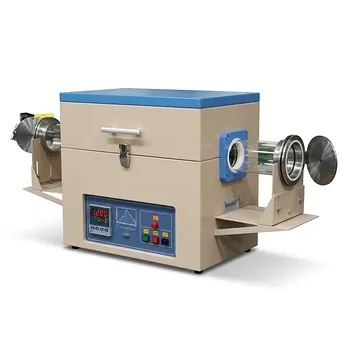
High Temperature 1200C Split Tube Furnace with Hinged Vacuum Flanges and 4 Inch Quartz Tube for Laboratory Research
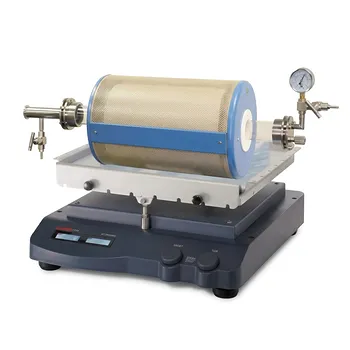
High Temperature Rocking Tube Furnace with Quartz Tube and Vacuum Flange for Materials Synthesis
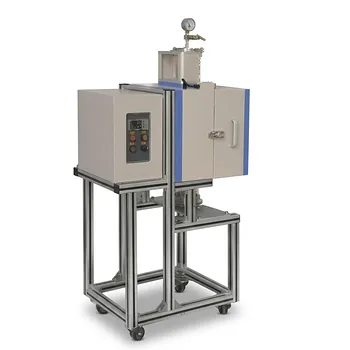
1200°C 5 Inch Vertical Quartz Tube Furnace with Stainless Steel Vacuum Flanges
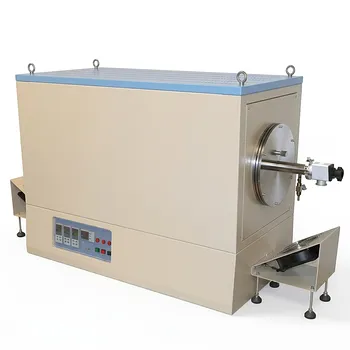
1100°C Three Zone Tube Furnace with 8.5 to 11 Inch OD Quartz Tube and Vacuum Flanges for Large Wafer Processing

High Temperature Automated 5 Inch Tube Furnace for Autonomous Material Research and Advanced Laboratory R&D
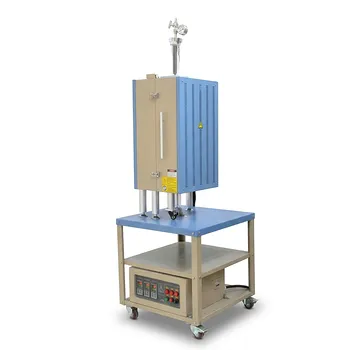
1200C Three Zone Vertical Tube Furnace with 2 Inch Quartz Tube and Vacuum Flanges

Compact Vertical Split Quartz Tube Furnace with Stainless Steel Vacuum Flanges for Rapid Thermal Quenching and Controlled Atmosphere Material Processing
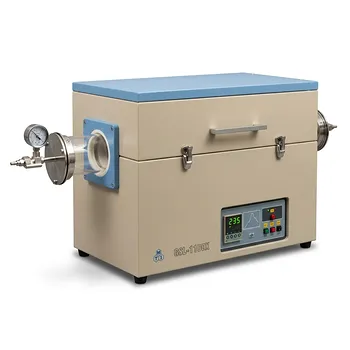
Single Zone Tube Furnace 5 Inch Quartz Tube 36 Inch Heating Zone Vacuum Flanges
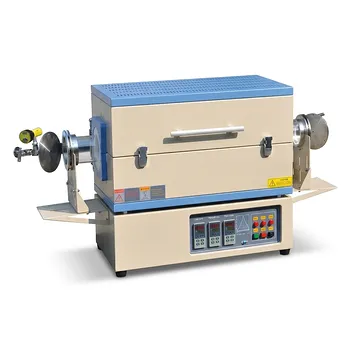
Three Zone Tube Furnace with 24 Inch Heating Length and Hinged Flange Quartz Tube System
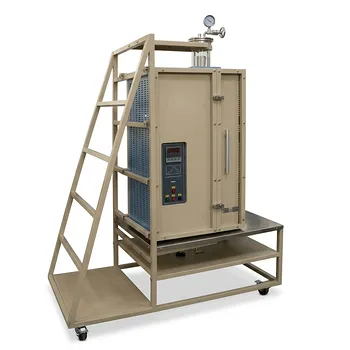
Split Vertical Tube Furnace with 1200C Quartz Tube and Stainless Steel Vacuum Flanges for Rapid Thermal Processing
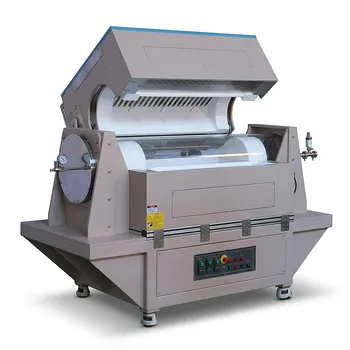
Three Zone Tube Furnace with 11 Inch or 15 Inch Quartz Tube and Hinged Flanges for Vacuum Atmosphere Heat Treatment
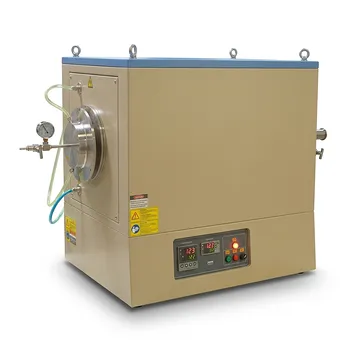
1100°C Large Diameter Quartz Tube Furnace with 24 Inch Heating Zone and Water Cooled Flanges
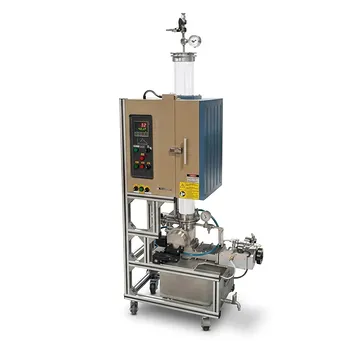
1200C High Temperature Atmosphere Controlled Vertical Quenching Tube Furnace with 4 Inch Quartz Tube
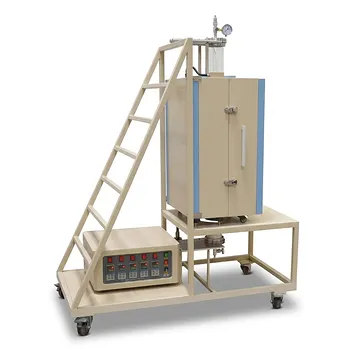
Five Zone Split Vertical Tube Furnace 1200C Max with 4 Inch Quartz Tube and Stainless Steel Vacuum Flanges
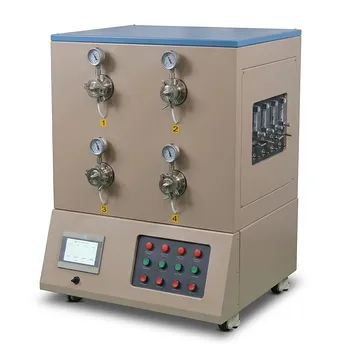
High Throughput 1200C Four Channel Tube Furnace with 3 Inch Quartz Tubes for Multi Zone Annealing and Material Research
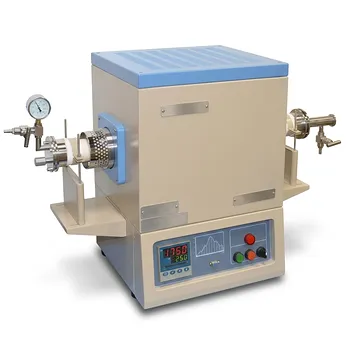
High Temperature Compact Vacuum Tube Furnace 1750C Max 60mm OD Alumina Tube
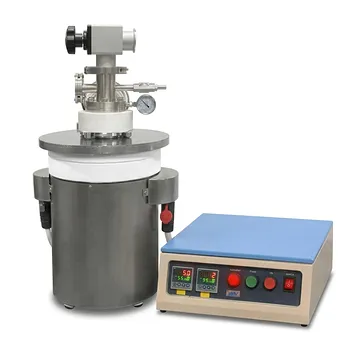
1100C High Temperature Vacuum Crucible Furnace with Quartz Chamber for Thermal Processing and Sintering
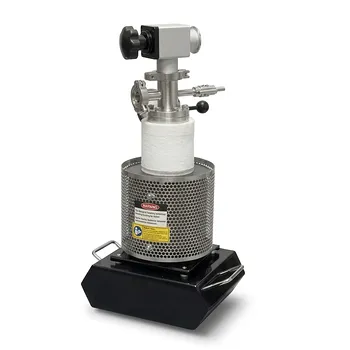
High Temperature 1100C Compact Top Loading Vertical Vacuum Tube Furnace for High Vacuum Noble Metal Melting and Material Research
