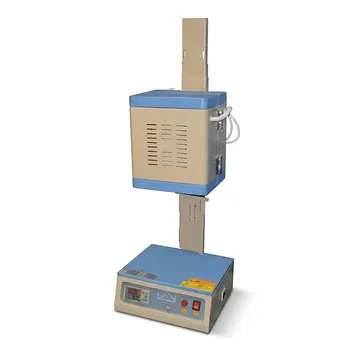
What role does a gas-tight tube furnace with SiC heaters play in proton conductor research? Precise Conductivity Guide
Updated 3 months ago
Measuring the conductivity of Na1+xLa1-xZr2O6-δ proton conductors requires a gas-tight tube furnace to create a precise, isolated environment where temperature and atmosphere can be independently controlled. This specific setup provides a stable thermal field (500–800 °C) while allowing researchers to switch between oxygen and water vapor partial pressures. By maintaining strict air-tightness, the furnace ensures that the measured electrical response is a direct result of the material’s proton migration characteristics rather than external contamination.
Core Takeaway: The gas-tight tube furnace acts as a high-precision environmental reactor that enables the isolation of protonic charge carriers by facilitating controlled humidification and oxygen manipulation within a stable 500–800 °C thermal window.
The Role of Precise Atmospheric Control
Enabling Proton Migration Studies
Proton conductors like Na1+xLa1-xZr2O6-δ rely on the presence of water vapor to facilitate charge transport. The gas-tight nature of the tube furnace allows for the introduction of specific water vapor partial pressures without leakage. This is critical for confirming that the conductivity observed is truly "protonic" rather than electronic or purely ionic.
Controlling Partial Pressure Transitions
To understand the material's behavior, researchers must often switch between dry and humidified environments or vary oxygen levels. The furnace’s superior air-tightness ensures these transitions are sharp and measurable. This level of control prevents atmospheric "drift," which could otherwise lead to inaccurate conductivity data.
The Advantages of Silicon Carbide (SiC) Heating Elements
Maintaining Thermal Stability
SiC heaters are known for their high power density and ability to maintain a consistent thermodynamic environment. In the 500–800 °C range required for testing these conductors, SiC elements provide a highly stable thermal field. This stability is essential because conductivity is exponentially dependent on temperature; even minor fluctuations can skew results.
Durability in Oxidizing Environments
Conductivity tests often involve oxygen-rich or highly humid atmospheres that can degrade lesser heating elements. SiC heaters possess excellent oxidation resistance and a long service life at high temperatures. This makes them ideal for the extended testing periods required to reach equilibrium in solid-state proton conductors.
Understanding the Trade-offs
Thermal Gradients and Gas Flow
While the tube furnace provides a stable field, the flow of cold gases (like humidified argon or oxygen) into the hot zone can create local temperature gradients. If the gas is not pre-heated or the flow rate is too high, the sample may not be at the temperature reported by the furnace thermocouple.
Material Aging and Sealing Risks
Silicon carbide heaters eventually "age," increasing in electrical resistance over time, which requires a power supply capable of voltage compensation. Additionally, the "gas-tight" nature of the system depends heavily on O-ring seals at the tube ends; these seals can become brittle and leak if the cooling systems for the furnace end-caps are insufficient.
How to Apply This to Your Research
Optimizing Your Experimental Setup
To get the most accurate conductivity measurements for Na1+xLa1-xZr2O6-δ, the furnace must be used as part of a holistic system.
- If your primary focus is characterizing protonic vs. ionic contribution: Use the gas-tight system to perform "dry vs. wet" atmosphere cycling at a constant temperature to isolate the protonic conductivity increase.
- If your primary focus is long-term material stability: Leverage the oxidation resistance of the SiC heaters to conduct 100+ hour soak tests in high-humidity environments without risking heater failure.
- If your primary focus is kinetic behavior: Ensure your gas flow control system is calibrated to match the furnace volume, allowing for rapid atmospheric changes while maintaining thermal equilibrium.
The combination of SiC-driven thermal stability and gas-tight atmospheric isolation is what transforms a standard furnace into a definitive instrument for electrochemical analysis.
Summary Table:
| Feature | Role in Conductivity Measurement | Key Research Benefit |
|---|---|---|
| Gas-Tight Seal | Isolates sample from external air/contamination | Ensures conductivity is purely protonic, not electronic. |
| SiC Heaters | Provides stable 500–800 °C thermal field | Eliminates temperature fluctuations that skew electrical data. |
| Atmospheric Control | Manages water vapor/oxygen partial pressures | Facilitates dry vs. wet cycling to identify charge carriers. |
| Oxidation Resistance | Maintains durability in humid environments | Enables long-term stability testing without heater degradation. |
Precision Thermal Solutions for Material Science R&D
Are you conducting critical electrochemical analysis on proton conductors or advanced ceramics? THERMUNITS is a leading manufacturer of high-temperature laboratory equipment designed to provide the precision your research demands.
Our gas-tight tube furnaces and specialized thermal systems ensure a stable, controlled environment for materials like Na1+xLa1-xZr2O6-δ, preventing atmospheric drift and ensuring repeatable results. We provide a comprehensive range of solutions for industrial and academic R&D, including:
- Advanced Furnaces: Muffle, Vacuum, Atmosphere, Tube, Rotary, and Hot Press models.
- Specialized Systems: CVD/PECVD systems, Dental Furnaces, and Vacuum Induction Melting (VIM) furnaces.
- Components: High-durability Thermal Elements and customized heat treatment equipment.
Enhance your lab's efficiency and data accuracy with THERMUNITS. Contact our expert team today to find the ideal thermal processing solution for your specific application!
References
- Wenlong Huang, Wei Zhang. Mixed Conduction in A-Site Double-Perovskite Na1+xLa1-xZr2O6-δ Proton Conductors. DOI: 10.3390/ma17215211
Mentioned Products
- High Temperature Vertical Hybrid Furnace with Alumina Tube and SiC Heating for SOFC Coin Cell Testing and Atmosphere Processing
- Gas Pre-Heating Tube Furnace for High Temperature Pyrolysis Reactors and Material Science Research
- 1800C High Temperature Compact Vacuum Tube Furnace with 60mm OD Alumina Tube and Kanthal MoSi2 Heating Elements
- 1100C Dual Zone Hydrogen Gas Tube Furnace with Quartz Tube and Integrated H2 Leak Detection System
- High Vacuum Compact Tube Furnace 1200C with Integrated Turbo Pump System and 8 Inch Heating Zone
People Also Ask
- Purpose of Nitrogen Flow in Carbon Activation? Optimize Yield with High-Purity Tube Furnace Environments
- Technical Value of Tube Furnaces for Pomegranate Peel Hard Carbon: Precision Carbonization & Battery Material Synthesis
- What technical conditions does a horizontal alumina tube furnace provide? Optimize Liquid Copper Infiltration
- What role do alumina preheating tubes and heating elements play in flash smelting simulation? Optimize Thermal Precision
- What critical process conditions does a high-temperature tube furnace provide? Mastering Catalyst Activation Success

Tech Team · ThermUnits
Last updated on Jun 03, 2026
Related Products
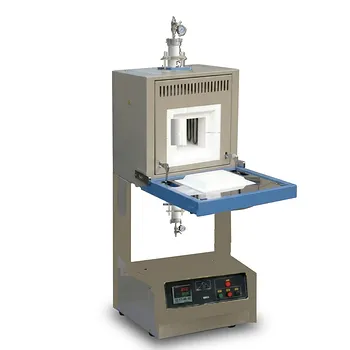
High Temperature Vertical Hybrid Furnace with Alumina Tube and SiC Heating for SOFC Coin Cell Testing and Atmosphere Processing
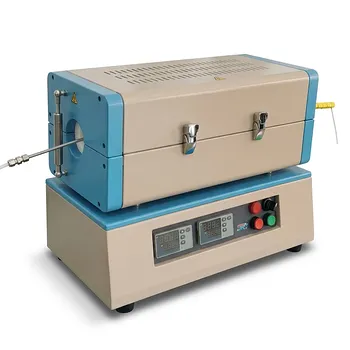
Gas Pre-Heating Tube Furnace for High Temperature Pyrolysis Reactors and Material Science Research

1800C High Temperature Compact Vacuum Tube Furnace with 60mm OD Alumina Tube and Kanthal MoSi2 Heating Elements
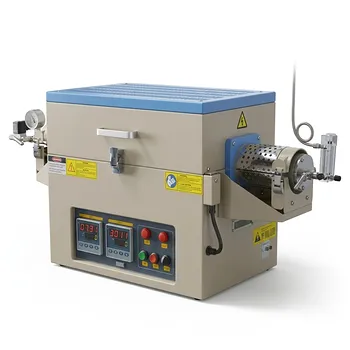
1100C Dual Zone Hydrogen Gas Tube Furnace with Quartz Tube and Integrated H2 Leak Detection System
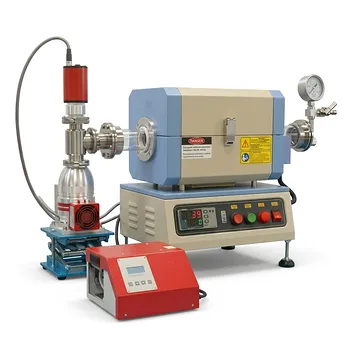
High Vacuum Compact Tube Furnace 1200C with Integrated Turbo Pump System and 8 Inch Heating Zone
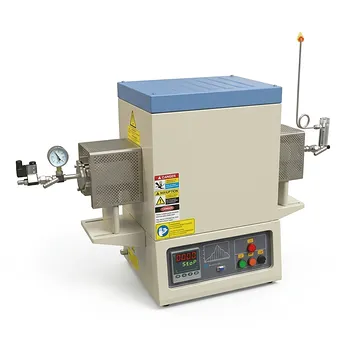
1700C Hydrogen Gas Tube Furnace with 60mm Alumina Process Tube and Integrated Hydrogen Safety Detector
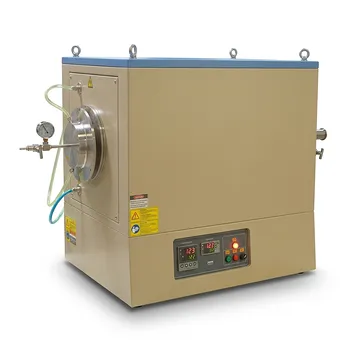
1100°C Large Diameter Quartz Tube Furnace with 24 Inch Heating Zone and Water Cooled Flanges
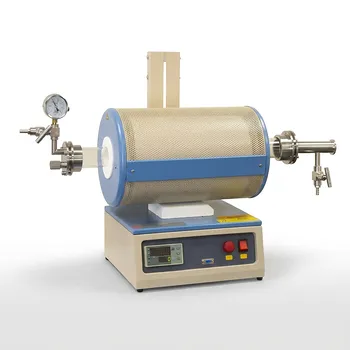
1100C Tube Furnace with Vacuum Flange and Programmable Temperature Controller for Material Science and Industrial Heat Treatment
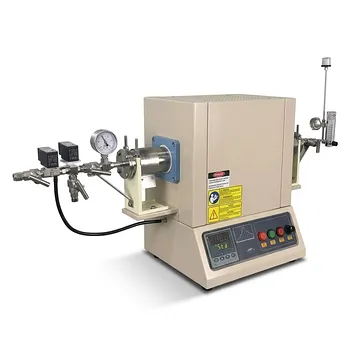
1500C Compact Hydrogen Gas Tube Furnace with 2 Inch Alumina Tube and Hydrogen Detector

High Temperature 1700C Benchtop Tube Furnace with 5 Inch Heating Zone High Purity Alumina Tube and Vacuum Sealing Flanges

Vertical 1700C Vacuum and Atmosphere Tube Furnace with 80mm Alumina Tube

High Temperature 1700C Tube Furnace with High Vacuum Turbomolecular Pump System and Multi Channel Mass Flow Controller Gas Mixer
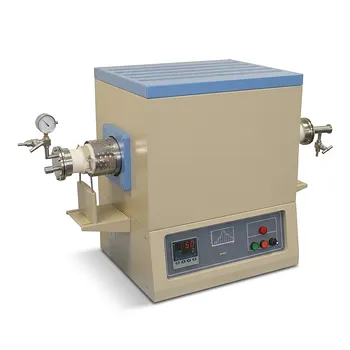
1700C High Temperature Alumina Tube Furnace with 18 Inch Heated Zone and Vacuum Sealing Flanges

Compact Vertical Split Quartz Tube Furnace with Stainless Steel Vacuum Flanges for Rapid Thermal Quenching and Controlled Atmosphere Material Processing
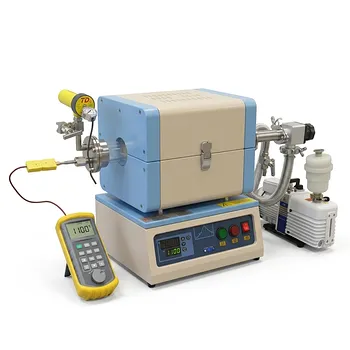
Compact Split Tube Furnace with Insertable Temperature Calibrator and Integrated Vacuum System
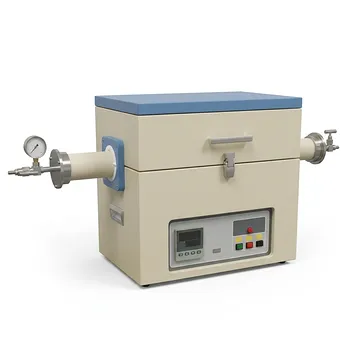
1250C Split Tube Furnace with 3 Inch Mullite Tube and Vacuum Sealing Flanges for Precision Thermal Processing
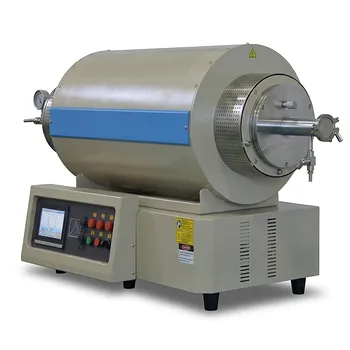
1200C Max Three Zone Tube Furnace 6 Inch OD Max with Tube and Flange
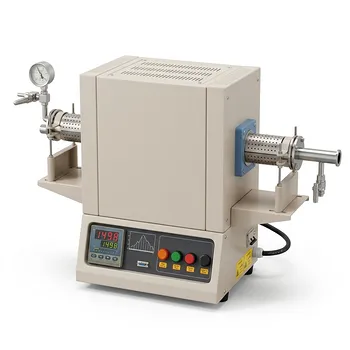
1500C High Temperature Compact Tube Furnace 2 Inch OD with Vacuum Flanges and Complete Accessories
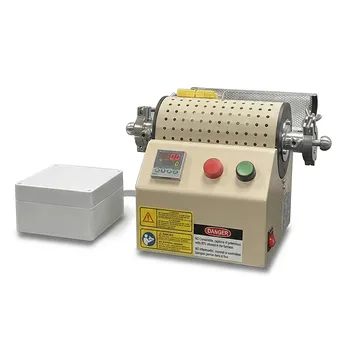
1000C Mini Tube Furnace with 20mm Quartz Tube and Vacuum Flanges for Material Science Research and Controlled Atmosphere Small Sample Processing