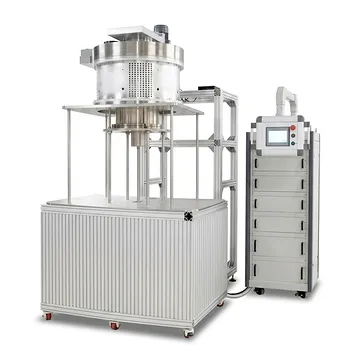
What role does a high-temperature CVD system play in the synthesis of palladium-graphene composites? Optimize Your R&D
Updated 3 months ago
A high-temperature Chemical Vapor Deposition (CVD) system serves as the central reaction engine for synthesizing palladium-graphene composites by facilitating the thermal decomposition of carbon precursors. Operating at temperatures as high as 1100°C, the system induces the precipitation of carbon atoms onto palladium thin films through the precise regulation of methane and helium gas flows. This specialized environment ensures that graphene seamlessly encapsulates the metal network, creating a robust interface that significantly improves both conductive stability and structural durability.
Core Takeaway: The high-temperature CVD system is the critical platform for controlled carbon precipitation and interface engineering, transforming raw gases into a conformal graphene layer that protects and stabilizes the underlying palladium structure.
The Mechanics of Carbon Precursor Transformation
Thermal Decomposition and Precipitation
The CVD system provides the extreme thermal energy required to break the molecular bonds of carbon sources like methane. At 1100°C, the palladium surface acts as a catalyst, allowing carbon atoms to undergo decomposition and precipitation.
This high-temperature field ensures that the carbon atoms are mobile enough to rearrange themselves into a high-quality hexagonal lattice. Without this precise thermal environment, the graphene layer would likely suffer from high defect density or non-uniform coverage.
Atmospheric and Flow Regulation
Precision in gas delivery is vital for achieving the desired composite morphology. The CVD system maintains a strict mixing ratio and flow rate of methane and helium to control the rate of carbon deposition.
By managing these parameters, the system prevents the overgrowth of amorphous carbon. This level of control is what allows for the formation of conformal graphene, which mirrors the complex geometry of the palladium thin film.
Engineering the Graphene-Palladium Interface
Conformal Encapsulation of Metal Networks
One of the primary roles of the CVD process is to enable conformal growth, where graphene wraps around the palladium network like a protective skin. This encapsulation is essential for maintaining the integrity of the metal structure under stress.
The system ensures that the graphene layer is continuous and well-bonded to the palladium. This robust metal-graphene interface is the foundation for the composite’s unique mechanical and electrical properties.
Enhancing Damage Tolerance and Stability
The resulting composite structure benefits from the inherent strength and conductivity of graphene. The CVD system facilitates a growth process that minimizes structural weaknesses, leading to enhanced damage tolerance.
Furthermore, the graphene layer acts as a barrier that prevents the palladium from degrading or losing its conductive properties over time. This results in a material with exceptional conductive stability, even in demanding environments.
Understanding the Trade-offs and Limitations
High Energy Requirements and Thermal Stress
Operating at 1100°C requires significant energy consumption and specialized equipment capable of withstanding prolonged heat. These high temperatures can also introduce thermal stress at the interface between the graphene and palladium due to differences in their thermal expansion coefficients.
Catalyst Sensitivity and Purity
The quality of the final composite is highly dependent on the purity of the palladium substrate and the reaction gases. Any contaminants within the CVD chamber can lead to unwanted secondary reactions or "poison" the catalyst, hindering the ordered growth of graphene.
Scalability vs. Uniformity
While high-temperature CVD is excellent for producing high-quality samples, maintaining exceptional temperature uniformity across large-area substrates is technically challenging. Small fluctuations in the thermal field can lead to variations in graphene thickness, potentially affecting the performance of the composite.
How to Optimize CVD Synthesis for Your Goals
Achieving the best results with a high-temperature CVD system requires balancing gas dynamics with thermal control.
- If your primary focus is maximize conductive stability: Prioritize the precision of the methane-to-helium ratio to ensure a defect-free, continuous graphene encapsulation.
- If your primary focus is structural damage tolerance: Focus on optimizing the cooling rate post-synthesis to minimize thermal stresses and strengthen the palladium-graphene bond.
- If your primary focus is large-scale uniformity: Invest in a system with multi-zone heating elements to maintain a perfectly stable thermal field across the entire palladium surface.
The high-temperature CVD system remains the definitive tool for mastering the delicate interplay between carbon atoms and palladium catalysts.
Summary Table:
| Key Feature | CVD Role in Synthesis | Outcome for Composite |
|---|---|---|
| 1100°C Heat | Breaks CH4 bonds; enables atomic mobility | High-quality, defect-free lattice |
| Gas Regulation | Controls CH4/He mixing ratio and flow | Prevents amorphous carbon growth |
| Pd Catalyst | Facilitates decomposition and precipitation | Seamless conformal encapsulation |
| Interface Engineering | Creates robust metal-graphene bonding | Enhanced damage tolerance & stability |
Master Advanced Material Synthesis with THERMUNITS
Are you looking to achieve precise control over carbon precipitation and interface engineering? THERMUNITS is a leading manufacturer of high-temperature laboratory equipment for material science and industrial R&D. We offer a comprehensive range of thermal processing solutions, including CVD/PECVD systems, Muffle, Vacuum, Atmosphere, Tube, Rotary, and Hot Press furnaces, as well as specialized equipment like Dental Furnaces, electric rotary kilns, and vacuum induction melting furnaces (VIM).
Our advanced systems provide the thermal stability and atmospheric precision required for high-stakes research. Contact us today to discuss how our laboratory heat treatment equipment can enhance your lab's efficiency and material performance!
References
- Kaihao Zhang, Sameh Tawfick. Ultrathin damage-tolerant flexible metal interconnects reinforced by in-situ graphene synthesis. DOI: 10.1038/s41528-024-00300-8
Mentioned Products
- 1100°C Large Diameter Quartz Tube Furnace with 24 Inch Heating Zone and Water Cooled Flanges
- 1100°C Dual Zone Split Vertical Tube Furnace with 4 Inch Quartz Tube and Vacuum Sealing Flanges
- Eight Zone 1100C High Temperature Split Tube Furnace with 4 Inch OD Quartz Tube and Touch Screen Control Panel
- Two Zone Rotary Tube Furnace for Powder CVD Coating and Core Shell Material Synthesis 1100C
- 5 Inch Two Zone Rotary Tube Furnace 1100C for Powder CVD and Material Synthesis
People Also Ask
- Why is a quartz tube furnace necessary for phosphorus-doped MoS2/GO preparation? Ensure Purity & Precise Synthesis
- What are the advantages of 1100°C tube furnaces for ORR catalysts? Boost Conductivity and Structural Stability.
- What conditions does a quartz tube furnace provide for AlxCoCrFeNi steam corrosion tests? Achieve Precise R&D Control.
- What is the primary function of a Quartz Tube Furnace in ZnO VLS growth? Master High-Precision Nanowire Synthesis
- What role does a single-temperature zone quartz tube furnace play in the growth of monolayer MoS2? Optimize 2D Synthesis

Tech Team · ThermUnits
Last updated on Jun 03, 2026
Related Products
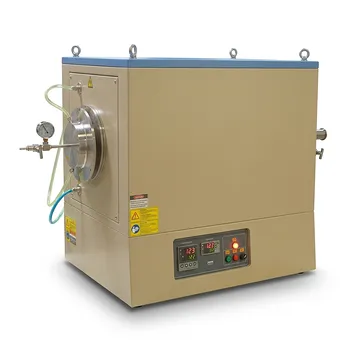
1100°C Large Diameter Quartz Tube Furnace with 24 Inch Heating Zone and Water Cooled Flanges
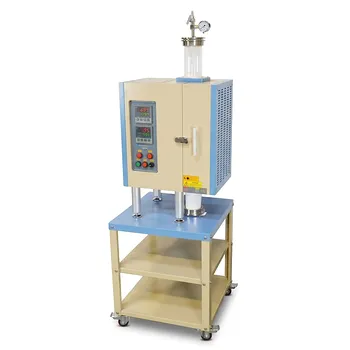
1100°C Dual Zone Split Vertical Tube Furnace with 4 Inch Quartz Tube and Vacuum Sealing Flanges
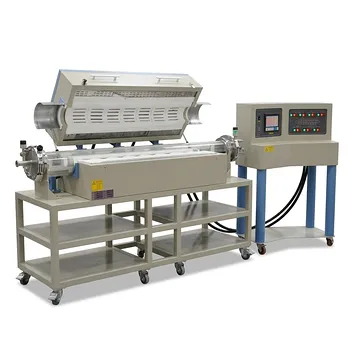
Eight Zone 1100C High Temperature Split Tube Furnace with 4 Inch OD Quartz Tube and Touch Screen Control Panel
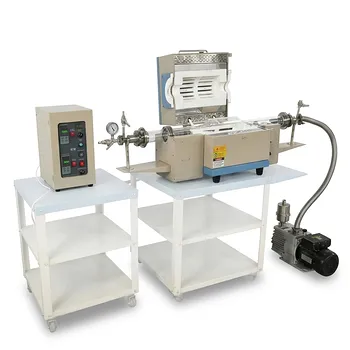
Two Zone Rotary Tube Furnace for Powder CVD Coating and Core Shell Material Synthesis 1100C
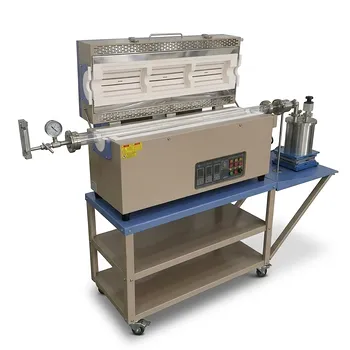
5 Inch Two Zone Rotary Tube Furnace 1100C for Powder CVD and Material Synthesis
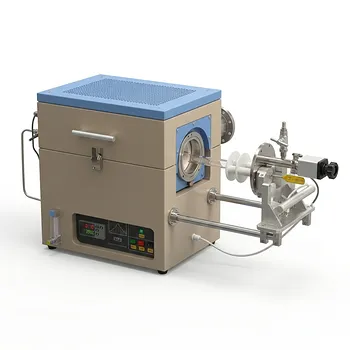
Compact Atmosphere Controlled Rapid Thermal Processing RTP Furnace with 4 Inch ID Quartz Tube 1100C
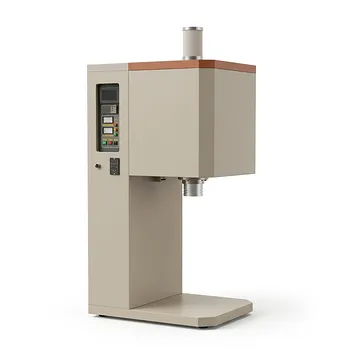
Vertical Openable Tube Furnace 0-1700c High Temperature Laboratory System for CVD and Vacuum Heat Treatment
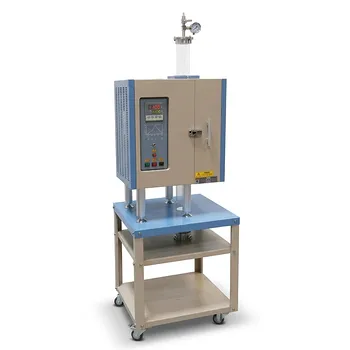
1100°C Split Vertical Tube Furnace with 80mm Quartz Tube and Stainless Steel Vacuum Flanges
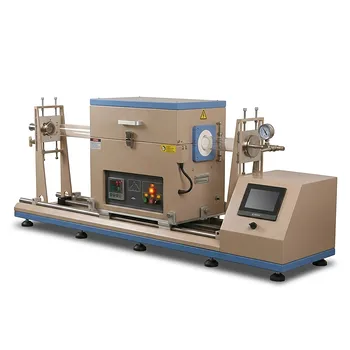
1200C Sliding Tube Furnace for Rapid Thermal Processing and CVD Graphene Growth with 100mm OD Capacity
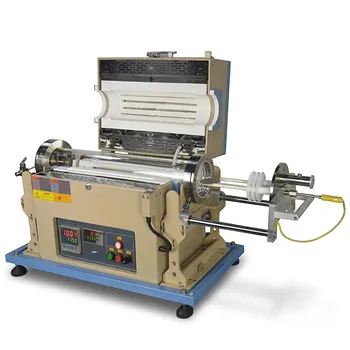
1200°C High Temperature 4 Inch Tube Furnace with Sliding Flange for CVD Systems
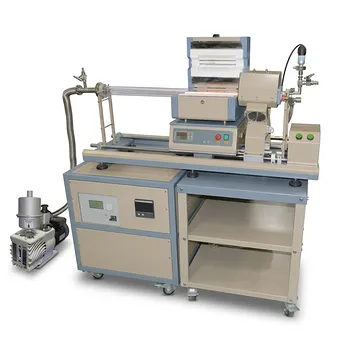
1200C Max Compact Auto-Sliding PECVD Furnace with 2 Inch Tube and Vacuum Pump
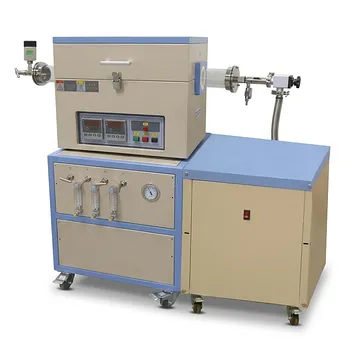
Dual Zone Quartz Tube Furnace with 80mm Diameter 1200C Max Temperature 3 Channel Gas Mixer and Vacuum Pump System
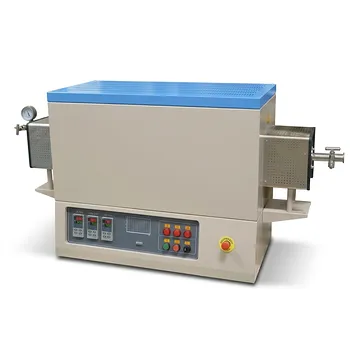
Three Zone Alumina Tube Furnace with Vacuum Flanges High Temperature 1700C Thermal Gradient CVD System
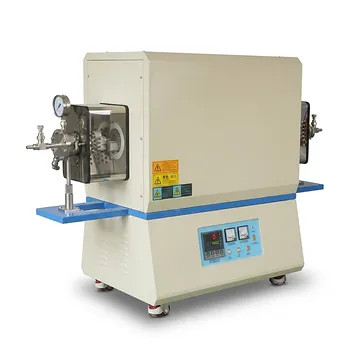
High Temperature 1800C Atmosphere Tube Furnace for CVD Research and Vacuum Sintering Precision Heat Treatment
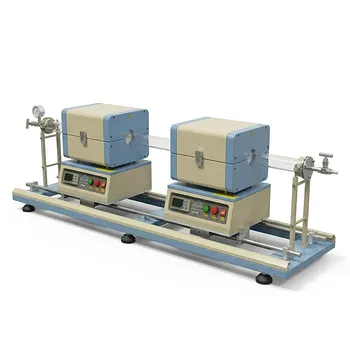
1200C Max Dual Sliding Tube Furnace with 50 mm Tube Flanges for CVD
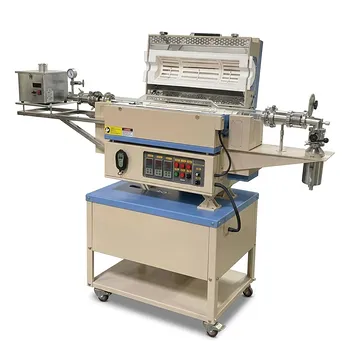
5 Inch Rotary Tube Furnace with Automatic Feeding and Receiving System 1200C Three Zone CVD Powder Processing

High Temperature 1700C Tube Furnace with High Vacuum Turbomolecular Pump System and Multi Channel Mass Flow Controller Gas Mixer

5 Inch Three Zone Rotary Tube Furnace with Integrated Gas Delivery System and 1200C Capability for Advanced Material CVD Processing
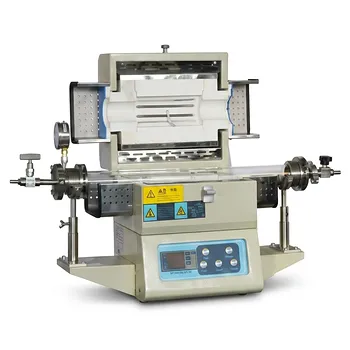
High Temperature 1200C Split Tube Furnace for CVD Research and Vacuum Atmosphere Heat Treatment