What role does a high-temperature tube furnace with N2/NH3 play in Fe@C:N catalyst preparation? Optimize Synthesis
Updated 5 months ago
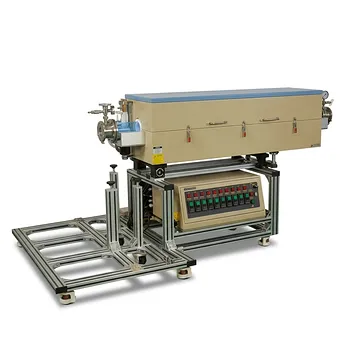
The high-temperature tube furnace serves as the foundational reactor for transforming inactive precursors into high-performance Fe@C:N catalysts. At temperatures typically around 800°C, the furnace provides a precise, anaerobic environment where a flowing N2:NH3 atmosphere facilitates carbonization, graphitization, and the integration of nitrogen into the carbon lattice. This specific thermal process is what converts raw iron elements into active metal clusters or carbide/nitride sites encapsulated by protective carbon layers, directly determining the catalyst’s electrocatalytic activity and structural stability.
Core Takeaway: The high-temperature tube furnace acts as a controlled thermal-chemical reactor that uses heat and a specific nitrogen-ammonia atmosphere to simultaneously carbonize the organic framework, dope it with nitrogen, and anchor iron into active catalytic sites.
The Role of Precise Thermal Processing
Facilitating Carbonization and Graphitization
The primary function of the furnace is to provide the extreme heat necessary to trigger carbonization, where volatile components are driven off to leave a carbon-rich structure. At temperatures like 800°C to 1,000°C, the material undergoes graphitization, which increases the order of the carbon atoms. This process is essential for creating a stable, conductive framework that can support the iron active sites.
Ensuring Atmosphere Sealing and Protection
A critical role of the tube furnace is maintaining a rigorously controlled, oxygen-free state. By introducing high-purity nitrogen, the furnace prevents the oxidative combustion of the carbon framework and the premature oxidation of iron components. This anaerobic environment is non-negotiable for preserving the integrity of the carbon nanostructures.
The Chemical Impact of the N2:NH3 Atmosphere
Effective Nitrogen Doping (N-Doping)
While nitrogen gas (N2) provides an inert protective shield, the addition of ammonia (NH3) acts as a reactive nitrogen source. During pyrolysis, NH3 decomposes to provide active nitrogen species that integrate into the carbon matrix. This results in a nitrogen-doped carbon (NC) structure, which is essential for creating the coordination environments necessary to anchor iron atoms.
Creating Active Iron Coordination Sites
The combination of heat and the nitrogen-rich atmosphere facilitates a high-temperature solid-phase reaction. This transforms the iron precursor into Fe–Nx active sites or iron clusters encapsulated by carbon layers (Fe@C). These sites are the "engine" of the catalyst, providing the necessary surfaces for electrochemical reactions like oxygen reduction.
Structural and Functional Benefits
Preventing Metal Agglomeration
The furnace’s ability to provide in-situ encapsulation is vital for the catalyst's longevity. By carbonizing the organic ligands around the iron during the heating process, the furnace helps form a carbon shell that prevents iron nanoparticles from merging or "agglomerating." This ensures the active sites remain uniformly dispersed and highly accessible.
Engineering Porosity and Conductivity
The precise control of temperature ramping within the furnace influences the resulting pore structure of the catalyst. High-temperature treatment improves the electrical conductivity of the nitrogen-doped graphene or carbon layers. A highly porous and conductive structure allows for faster mass transport and electron transfer during catalytic operations.
Understanding the Trade-offs
Temperature Sensitivity and Site Density
While higher temperatures (above 900°C) generally improve conductivity and graphitization, they can also lead to the decomposition of active Fe-Nx sites. Finding the "sweet spot" is critical; excessive heat may reduce the density of active sites even as it improves the stability of the carbon support.
Atmosphere Composition Risks
The ratio of N2 to NH3 must be carefully managed. While NH3 is excellent for nitrogen doping, it is a reducing gas that can aggressively etch the carbon framework if not controlled. This etching can increase surface area but may also weaken the structural integrity of the catalyst if the exposure time or concentration is too high.
How to Optimize Your Catalyst Preparation
Making the Right Choice for Your Goal
To achieve the best results in Fe@C:N synthesis, your approach should vary based on your specific performance requirements:
- If your primary focus is Maximum Catalytic Activity: Use a moderate temperature (approx. 800°C) and a higher NH3 ratio to maximize the density of Fe-Nx coordination sites.
- If your primary focus is Long-term Durability: Prioritize higher temperatures (900°C+) to ensure a more graphitic, corrosion-resistant carbon shell, even if it slightly reduces the initial site count.
- If your primary focus is High Power Density: Optimize the furnace ramping speed to create a highly porous "hollow" or "mesoporous" structure that facilitates rapid gas diffusion.
The synergy between precise thermal control and atmospheric chemistry in the tube furnace is the single most important factor in determining the final architecture and efficiency of Fe@C:N catalysts.
Summary Table:
| Process Component | Furnace/Atmosphere Function | Impact on Fe@C:N Catalyst |
|---|---|---|
| Carbonization | High Heat (800°C - 1,000°C) | Creates a stable, conductive carbon framework. |
| Nitrogen Doping | NH3 Atmosphere Decomposition | Integrates nitrogen into the carbon lattice for active sites. |
| Atmosphere Control | N2 Inert Shielding | Prevents oxidation and maintains structural integrity. |
| Structural Tuning | Precise Temperature Ramping | Prevents metal agglomeration and optimizes porosity. |
Unlock High-Performance Catalyst Synthesis with THERMUNITS
Precision is the backbone of electrocatalytic innovation. THERMUNITS is a leading manufacturer of high-temperature laboratory equipment, providing the rigorous thermal and atmospheric control required for advanced material science.
Our comprehensive range of thermal processing solutions—including Atmosphere Tube Furnaces, Vacuum Furnaces, CVD/PECVD systems, Rotary Furnaces, and Hot Press systems—is designed specifically for industrial R&D. Whether you are nitrogen-doping carbon frameworks or synthesizing complex Fe-Nx sites, our equipment ensures uniform heating, perfect sealing, and reliable performance.
Ready to elevate your research and industrial output? Contact THERMUNITS today to find your custom heat treatment solution!
References
- Filippo Pota, Paula E. Colavita. Porous N‐Doped Carbon‐encapsulated Iron as Novel Catalyst Architecture for the Electrocatalytic Hydrogenation of Benzaldehyde. DOI: 10.1002/cssc.202400546
Mentioned Products
- High Temperature Tube Furnace 1500C with Sliding Flanges and 50mm OD for Rapid Thermal Processing Fast Heating and Cooling
- High Temperature 1700C Tube Furnace with High Vacuum Turbomolecular Pump System and Multi Channel Mass Flow Controller Gas Mixer
- High Temperature 1700C Benchtop Tube Furnace with 5 Inch Heating Zone High Purity Alumina Tube and Vacuum Sealing Flanges
- 1700C High Temperature Alumina Tube Furnace with 18 Inch Heated Zone and Vacuum Sealing Flanges
- 1750°C High Temperature Benchtop Vacuum Atmosphere Tube Furnace with Kanthal Super 1800 Heating Elements and 60mm Alumina Processing Tube
People Also Ask
- How are high-temperature tube furnaces utilized to repair etching damage? Precision Lattice Restoration Solutions
- What role does a high-temperature tube furnace play in CVD synthesis of silicon nanowires? Master VLS Growth Precision.
- What core conditions does a high-temperature tube furnace provide for rGO aerogels? Mastering Precision Synthesis.
- What role does a high-temperature tube furnace play in the sulfidation heat treatment of CoS@C/MXene nanocomposites? Guide
- How does precision tube furnace control influence CoFe nanoparticle formation? Master Your Bimetallic Synthesis.

Tech Team · ThermUnits
Last updated on Apr 14, 2026
Related Products

High Temperature Tube Furnace 1500C with Sliding Flanges and 50mm OD for Rapid Thermal Processing Fast Heating and Cooling

High Temperature 1700C Tube Furnace with High Vacuum Turbomolecular Pump System and Multi Channel Mass Flow Controller Gas Mixer

High Temperature 1700C Benchtop Tube Furnace with 5 Inch Heating Zone High Purity Alumina Tube and Vacuum Sealing Flanges
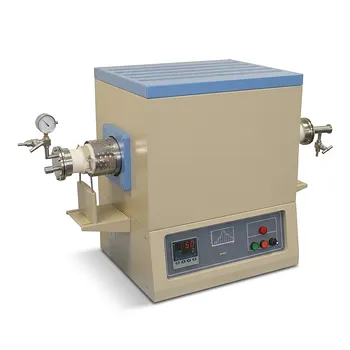
1700C High Temperature Alumina Tube Furnace with 18 Inch Heated Zone and Vacuum Sealing Flanges
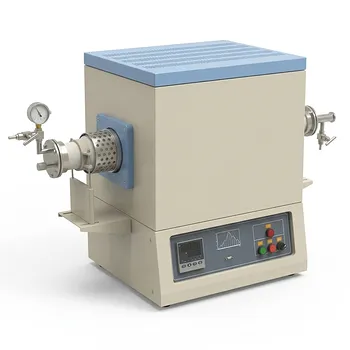
1750°C High Temperature Benchtop Vacuum Atmosphere Tube Furnace with Kanthal Super 1800 Heating Elements and 60mm Alumina Processing Tube

Compact High Temperature 1600C Tube Furnace with 50mm Alumina Tube and Vacuum Flanges for Material Sintering

1800C High Temperature Compact Vacuum Tube Furnace with 60mm OD Alumina Tube and Kanthal MoSi2 Heating Elements
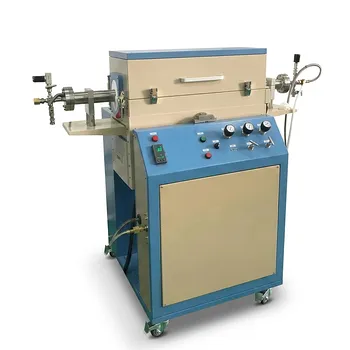
High Temperature Rocking Tube Furnace 1700°C Alumina Processing Tube with Precision Oscillation for Material Synthesis
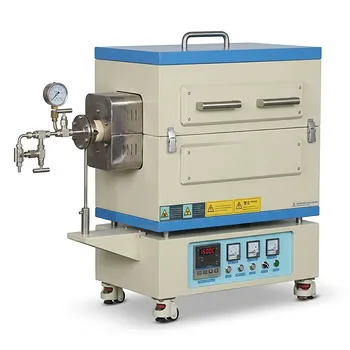
High Temperature Split Tube Furnace 1500C for Material Research Vacuum and Atmosphere Thermal Processing
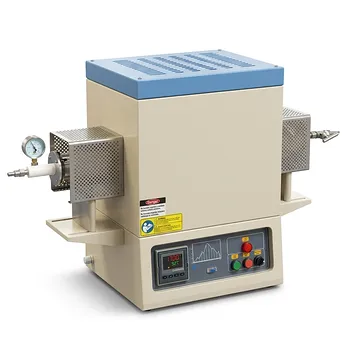
High Temperature Three Zone Tube Furnace 1700C with Alumina Tube and Water Cooled Flanges

High Temperature 1700C Vertical Tube Furnace for Powder Spherification and Material Sintering

High Temperature 1700C Six Zone Split Tube Furnace with Alumina Tube and Water Cooled Flanges
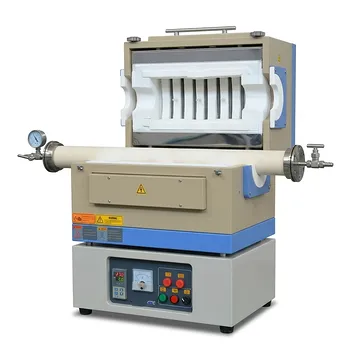
High Temperature 1600C Split Tube Furnace Vacuum Flanges Valves Optional 60mm 80mm Alumina Tube

High Temperature Automated 5 Inch Tube Furnace for Autonomous Material Research and Advanced Laboratory R&D
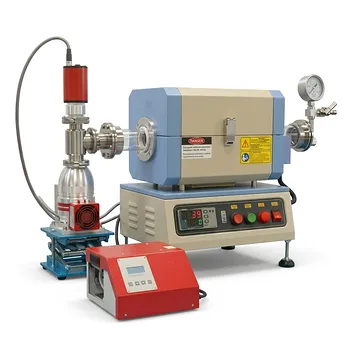
High Vacuum Compact Tube Furnace 1200C with Integrated Turbo Pump System and 8 Inch Heating Zone
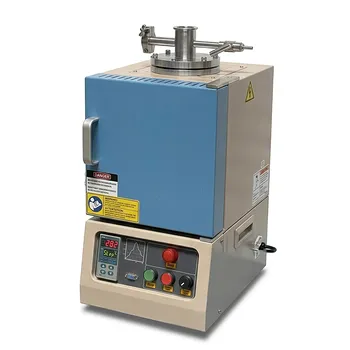
High Temperature Hybrid Muffle and Tube Furnace with Vacuum Capability and PID Control

1100C Tube Furnace with Vacuum Flange and Programmable Temperature Controller for Material Science and Industrial Heat Treatment
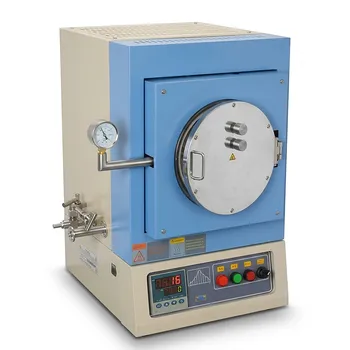
1100°C High Temperature Quartz Chamber Furnace 8 Inch OD with 7.6 Liter Capacity and Vacuum Atmosphere Capability

1700C Hydrogen Gas Tube Furnace with 60mm Alumina Process Tube and Integrated Hydrogen Safety Detector