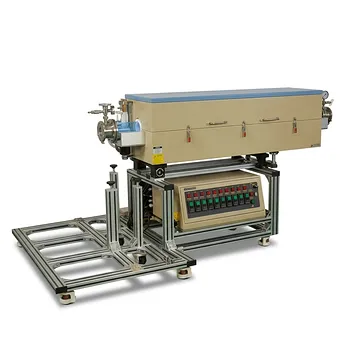
What role does a High-temperature Tube Furnace play during thermal debinding? Master Precise Binder Removal.
Updated 3 months ago
The high-temperature tube furnace is the critical vessel for binder removal. During the thermal debinding phase of 3YSZ/stainless steel composites, this equipment provides a stable thermal environment and a controlled inert atmosphere to decompose organic backbone binders like LDPE and PVA. By facilitating slow gaseous diffusion through pre-formed pores, the furnace ensures the transition from a "green body" to a "brown body" without compromising the material's structural integrity.
The primary role of the tube furnace is to manage the precise thermal decomposition of organic binders while protecting the metallic phase from oxidation. It serves as a controlled environment where extremely low heating rates prevent internal pressure buildup, ensuring the composite remains defect-free before sintering.
Precise Management of Thermal Decomposition
Removal of Backbone Binders
The tube furnace drives the thermal decomposition of residual organic substances, specifically backbone binders like low-density polyethylene (LDPE) and polyvinyl alcohol (PVA). This process is essential for clearing the organic matrix that originally held the 3YSZ and stainless steel powders together.
Transformation to Brown Body
As the binders decompose into small gaseous molecules, they diffuse through the material's internal pore structure to the surface. This chemical transformation successfully converts the fragile green body into a pure, organic-free brown body, ready for high-temperature densification.
Preservation of Structural Integrity
Controlled Diffusion and Pore Stability
A stable thermal field is vital to ensure that gases generated during decomposition escape at a rate that the material can handle. The tube furnace allows these molecules to diffuse slowly, preventing the buildup of internal pressure that could lead to macroscopic defects.
Prevention of Interface Micro-cracks
In 3YSZ/stainless steel composites, the interface between the ceramic and metal phases (such as SS316L) is highly sensitive. By utilizing extremely low heating rates—sometimes as low as 0.1 °C per minute—the furnace prevents the formation of micro-cracks that would otherwise be caused by rapid binder off-gassing.
Atmosphere Control and Oxidation Prevention
The Role of Inert Gases
The furnace operates under a strict inert atmosphere, typically using Argon or Nitrogen, to protect the composite. This environment is crucial because stainless steel is highly susceptible to oxidation at the elevated temperatures required for debinding (e.g., 600 °C to 800 °C).
Ensuring Surface Purity
By maintaining a controlled atmosphere, the tube furnace prevents the formation of oxide layers on the metal particles. This ensures a clean metal surface, which is a prerequisite for the formation of sintering necks and successful densification in the subsequent heating stages.
Understanding the Trade-offs and Pitfalls
Heating Rate Sensitivity
The most significant risk during thermal debinding is an excessive heating rate. If the temperature rises too quickly, the binder decomposes faster than the gas can escape, leading to bloating, warping, or internal delamination of the composite.
Atmosphere Contamination
Even trace amounts of oxygen in the furnace can compromise the stainless steel component of the composite. While inert atmospheres prevent oxidation, they do not assist in the removal of carbon residue as effectively as oxidizing atmospheres, necessitating a precise balance in gas flow and purity.
How to Apply This to Your Project
Making the Right Choice for Your Goal
To achieve the best results with 3YSZ/stainless steel composites, your furnace settings must align with your specific manufacturing priorities:
- If your primary focus is preventing structural cracks: Utilize an extremely slow heating ramp (e.g., 0.1 °C to 0.5 °C/min) during the peak binder decomposition range.
- If your primary focus is preventing metal oxidation: Ensure a high-purity Argon flow and consider a vacuum stage if your furnace supports it to evacuate impurity gases rapidly.
- If your primary focus is achieving high densification later: Use the furnace to reach a pre-sintering stage (approx. 800 °C) immediately following debinding to lock in the initial grain structure.
By mastering the controlled environment of the tube furnace, you ensure that the complex transition from polymer-bound powder to a solid composite is both stable and repeatable.
Summary Table:
| debinding Phase | Tube Furnace Function | Critical Control Parameter |
|---|---|---|
| Binder Decomposition | Breaks down LDPE and PVA organic binders | Extremely low heating rate (0.1°C/min) |
| Structural Stability | Facilitates gas diffusion without pressure buildup | Stable and uniform thermal field |
| Atmosphere Control | Protects stainless steel from oxidation | High-purity inert gas flow (Argon/N2) |
| Phase Transition | Converts Green Body to a pure Brown Body | Precise temperature ramping up to 800°C |
Elevate Your Material Research with THERMUNITS
Achieving the perfect "brown body" requires absolute precision in temperature and atmosphere control. THERMUNITS is a leading manufacturer of high-temperature laboratory equipment dedicated to material science and industrial R&D. We empower your research with a comprehensive range of thermal processing solutions, including:
- Tube & Atmosphere Furnaces: Optimized for precise gas control and slow debinding ramps.
- Vacuum & Muffle Furnaces: Ideal for high-purity sintering and heat treatment.
- Advanced Systems: CVD/PECVD, Rotary Kilns, Vacuum Induction Melting (VIM), and Hot Press furnaces.
Whether you are working on 3YSZ/stainless steel composites or advanced ceramic-metal interfaces, our equipment ensures repeatable, defect-free results.
Ready to optimize your thermal processing? Contact our technical experts today to find the ideal furnace solution for your laboratory.
References
- Al Basir, Nabilah Afiqah Mohd Radzuan. Debinding of Yttria-Stabilised Zirconia/Bimodal Stainless Steel 316L Bi-Materials Produced through Two-Component Micro-Powder Injection Moulding. DOI: 10.3390/polym16131831
Mentioned Products
- High Temperature Tube Furnace 1500C with Sliding Flanges and 50mm OD for Rapid Thermal Processing Fast Heating and Cooling
- High Temperature 1700C Tube Furnace with High Vacuum Turbomolecular Pump System and Multi Channel Mass Flow Controller Gas Mixer
- High Temperature 1700C Benchtop Tube Furnace with 5 Inch Heating Zone High Purity Alumina Tube and Vacuum Sealing Flanges
- 1700C High Temperature Alumina Tube Furnace with 18 Inch Heated Zone and Vacuum Sealing Flanges
- 1750°C High Temperature Benchtop Vacuum Atmosphere Tube Furnace with Kanthal Super 1800 Heating Elements and 60mm Alumina Processing Tube
People Also Ask
- How are high-temperature tube furnaces utilized to repair etching damage? Precision Lattice Restoration Solutions
- What core conditions does a high-temperature tube furnace provide for rGO aerogels? Mastering Precision Synthesis.
- What role does a high-temperature tube furnace play in CVD synthesis of silicon nanowires? Master VLS Growth Precision.
- How does precision tube furnace control influence CoFe nanoparticle formation? Master Your Bimetallic Synthesis.
- What role does a high-temperature tube furnace play in the sulfidation heat treatment of CoS@C/MXene nanocomposites? Guide

Tech Team · ThermUnits
Last updated on Jun 03, 2026
Related Products
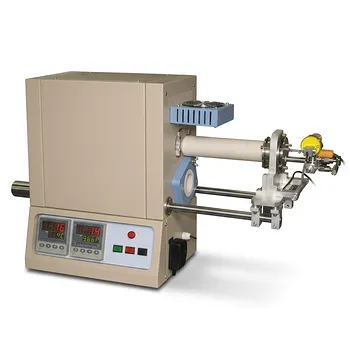
High Temperature Tube Furnace 1500C with Sliding Flanges and 50mm OD for Rapid Thermal Processing Fast Heating and Cooling

High Temperature 1700C Tube Furnace with High Vacuum Turbomolecular Pump System and Multi Channel Mass Flow Controller Gas Mixer
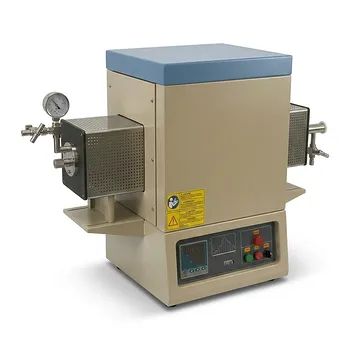
High Temperature 1700C Benchtop Tube Furnace with 5 Inch Heating Zone High Purity Alumina Tube and Vacuum Sealing Flanges
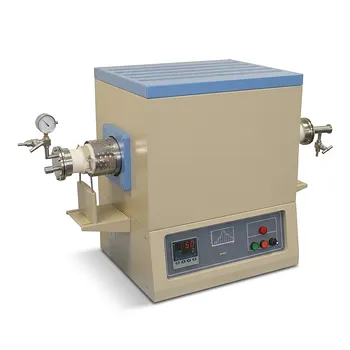
1700C High Temperature Alumina Tube Furnace with 18 Inch Heated Zone and Vacuum Sealing Flanges
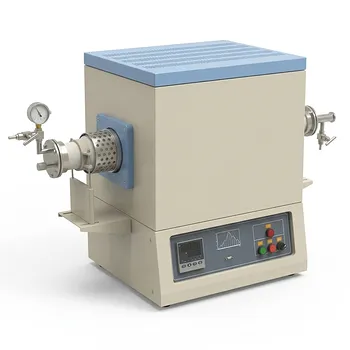
1750°C High Temperature Benchtop Vacuum Atmosphere Tube Furnace with Kanthal Super 1800 Heating Elements and 60mm Alumina Processing Tube

Compact High Temperature 1600C Tube Furnace with 50mm Alumina Tube and Vacuum Flanges for Material Sintering

1800C High Temperature Compact Vacuum Tube Furnace with 60mm OD Alumina Tube and Kanthal MoSi2 Heating Elements
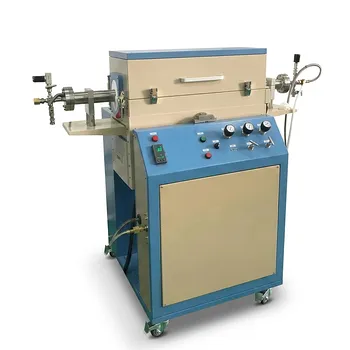
High Temperature Rocking Tube Furnace 1700°C Alumina Processing Tube with Precision Oscillation for Material Synthesis
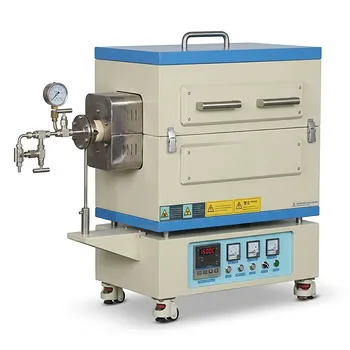
High Temperature Split Tube Furnace 1500C for Material Research Vacuum and Atmosphere Thermal Processing
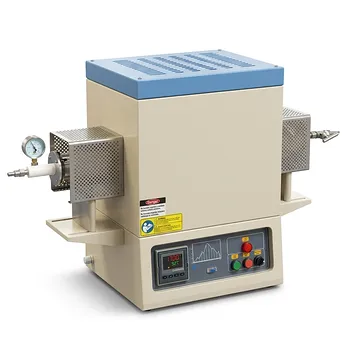
High Temperature Three Zone Tube Furnace 1700C with Alumina Tube and Water Cooled Flanges

High Temperature 1700C Vertical Tube Furnace for Powder Spherification and Material Sintering
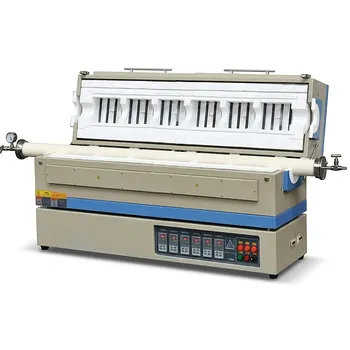
High Temperature 1700C Six Zone Split Tube Furnace with Alumina Tube and Water Cooled Flanges
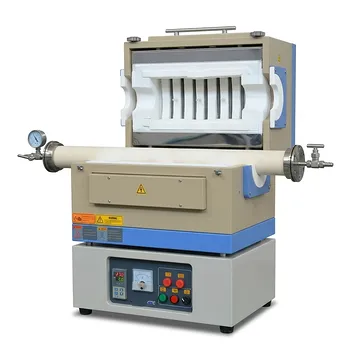
High Temperature 1600C Split Tube Furnace Vacuum Flanges Valves Optional 60mm 80mm Alumina Tube

High Temperature Automated 5 Inch Tube Furnace for Autonomous Material Research and Advanced Laboratory R&D
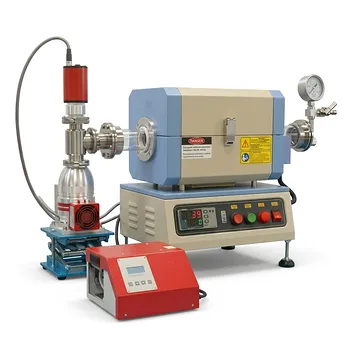
High Vacuum Compact Tube Furnace 1200C with Integrated Turbo Pump System and 8 Inch Heating Zone
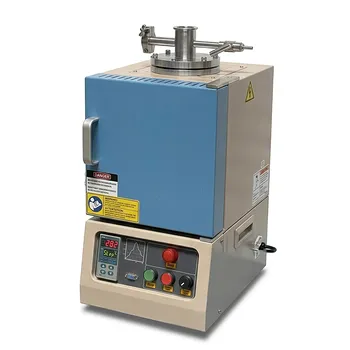
High Temperature Hybrid Muffle and Tube Furnace with Vacuum Capability and PID Control

1100C Tube Furnace with Vacuum Flange and Programmable Temperature Controller for Material Science and Industrial Heat Treatment
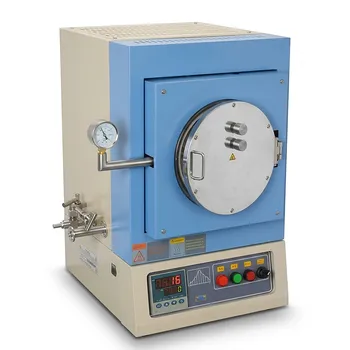
1100°C High Temperature Quartz Chamber Furnace 8 Inch OD with 7.6 Liter Capacity and Vacuum Atmosphere Capability
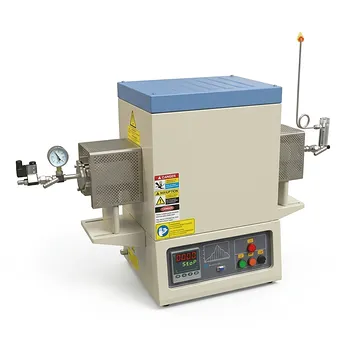
1700C Hydrogen Gas Tube Furnace with 60mm Alumina Process Tube and Integrated Hydrogen Safety Detector