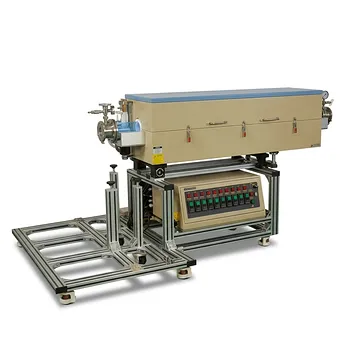
What role does a high-temp tube furnace play in oil bean pod activation? Optimize Pore Structure & Adsorption Capacity
Updated 3 months ago
The high-temperature tube furnace acts as the controlled reactor for structural transformation. It provides a precisely regulated thermochemical environment, typically ranging from 200°C to 700°C, which facilitates the simultaneous dehydration, carbonization, and activation of African oil bean pod precursors. This equipment is the primary factor in determining the final material's pore structure, specific surface area, and iodine adsorption value.
The tube furnace transforms raw biomass into a high-performance adsorbent by providing a stable, oxygen-free thermal environment for chemical etching. By manipulating temperature and atmosphere, the furnace dictates the development of the internal pore network required for effective adsorption.
The Mechanics of Thermal Transformation
Precise Regulation of Pyrolysis
The tube furnace regulates the pyrolysis process through programmed temperature control, ensuring the biomass breaks down uniformly. This control is vital because the rate of heating and the final temperature directly influence the structural reorganization of the carbon atoms.
Simultaneous Dehydration and Carbonization
During the heating cycle, the furnace facilitates the removal of water and volatile organic compounds from the oil bean pods. This process concentrates the fixed carbon content, creating a dense carbon skeleton that serves as the foundation for the final activated product.
Chemical Etching and Activation
The furnace provides the high-heat environment necessary for activating agents (such as KOH or potassium bicarbonate) to react with the carbon framework. At specific temperatures, these agents "etch" the carbon, creating the complex network of micro and mesopores essential for high adsorption capacity.
Engineering the Microstructure
Atmospheric Control and Gas Protection
A critical role of the tube furnace is maintaining a precisely controlled atmosphere, often utilizing inert gases like nitrogen. This prevents the carbon from burning away in the presence of oxygen, allowing for the enrichment of carbon rather than its combustion.
Defining Pore Structure and Surface Area
The superior temperature accuracy of the furnace determines the depth of pore etching. By reaching preset activation temperatures, such as 700°C, the furnace can help achieve specific surface areas exceeding 1900 m²/g, making the material suitable for advanced applications like energy storage or water purification.
Improving Carbon Purity
By maintaining high temperatures for a specific timeframe, the furnace drives the release of remaining volatile matter. This purification process ensures that the resulting activated carbon has high thermal stability and a well-developed internal surface.
Understanding the Trade-offs
Temperature Extremes vs. Structural Integrity
While higher temperatures generally increase the specific surface area, exceeding optimal limits can lead to the collapse of the pore walls. Excessive heat may cause the carbon framework to sinter, effectively reducing the adsorption capacity you are trying to build.
Heating Rates and Uniformity
Fast heating rates (e.g., 10°C/min) can speed up production but may result in uneven carbonization within the tube. If the core of the precursor material does not reach the target temperature at the same time as the surface, the resulting activated carbon will lack structural homogeneity.
Energy Consumption and Throughput
The high-temperature tube furnace offers unparalleled precision but is often limited by batch size and energy requirements. For large-scale production, the cost of maintaining high-heat environments and inert gas flows must be weighed against the specific performance requirements of the final carbon product.
Applying Furnace Parameters to Your Goal
How to Apply This to Your Project
To optimize the activation of African oil bean pods, your furnace settings must align with your specific performance targets.
- If your primary focus is Maximizing Adsorption Capacity: Set the furnace to a higher temperature range (600–700°C) with a slow heating rate to allow for deep chemical etching and maximum surface area development.
- If your primary focus is Structural Stability and Yield: Utilize a lower activation temperature (around 400–500°C) to preserve the carbon framework and increase the total yield of the final product.
- If your primary focus is High-Speed Production: Increase the heating rate to 10°C/min or higher, acknowledging that this may result in a slightly lower specific surface area and less uniform pore distribution.
The precise control offered by the high-temperature tube furnace is what ultimately allows a common agricultural waste product to be engineered into a high-value technical material.
Summary Table:
| Activation Stage | Furnace Function | Key Outcome |
|---|---|---|
| Dehydration/Pyrolysis | Controlled heating (200-500°C) | Concentrates fixed carbon; removes volatiles |
| Pore Engineering | Chemical etching (600-700°C) | Develops high surface area (>1900 m²/g) |
| Atmospheric Control | Inert gas (N₂) protection | Prevents combustion; ensures carbon purity |
| Structural Retention | Programmed cooling/heating | Maintains pore wall integrity and uniformity |
Elevate Your Material Research with THERMUNITS Precision
As a global leader in high-temperature laboratory equipment, THERMUNITS provides the advanced thermal processing solutions required for world-class material science. Whether you are developing high-performance biomass-based adsorbents or exploring advanced chemical vapor deposition, our equipment delivers the extreme precision your R&D demands.
Our Comprehensive Solutions Include:
- Versatile Furnaces: Muffle, Vacuum, Atmosphere, Tube, Rotary, and Hot Press models.
- Industrial R&D Systems: CVD/PECVD systems, Vacuum Induction Melting (VIM), and electric rotary kilns.
- Specialized Equipment: Dental Furnaces, high-quality Thermal Elements, and custom heat treatment solutions.
Transform your laboratory efficiency today. Our expert engineers are ready to help you configure the perfect furnace for your specific activation and carbonization protocols.
Contact THERMUNITS Expert Support to optimize your thermal processing results!
References
- Gabriel Ogbeh, Nicholas O. Emaikwu. Statistical optimization of iodine adsorption for <i>Pentaclethra macrophylla</i> pods activated carbon production. DOI: 10.4314/swj.v18i4.22
Mentioned Products
- High Temperature Tube Furnace 1500C with Sliding Flanges and 50mm OD for Rapid Thermal Processing Fast Heating and Cooling
- High Temperature 1700C Tube Furnace with High Vacuum Turbomolecular Pump System and Multi Channel Mass Flow Controller Gas Mixer
- High Temperature 1700C Benchtop Tube Furnace with 5 Inch Heating Zone High Purity Alumina Tube and Vacuum Sealing Flanges
- 1750°C High Temperature Benchtop Vacuum Atmosphere Tube Furnace with Kanthal Super 1800 Heating Elements and 60mm Alumina Processing Tube
- Compact High Temperature 1600C Tube Furnace with 50mm Alumina Tube and Vacuum Flanges for Material Sintering
People Also Ask
- How are high-temperature tube furnaces utilized to repair etching damage? Precision Lattice Restoration Solutions
- What core conditions does a high-temperature tube furnace provide for rGO aerogels? Mastering Precision Synthesis.
- What role does a high-temperature tube furnace play in CVD synthesis of silicon nanowires? Master VLS Growth Precision.
- How does precision tube furnace control influence CoFe nanoparticle formation? Master Your Bimetallic Synthesis.
- What role does a high-temperature tube furnace play in the sulfidation heat treatment of CoS@C/MXene nanocomposites? Guide

Tech Team · ThermUnits
Last updated on Jun 03, 2026
Related Products

High Temperature Tube Furnace 1500C with Sliding Flanges and 50mm OD for Rapid Thermal Processing Fast Heating and Cooling

High Temperature 1700C Tube Furnace with High Vacuum Turbomolecular Pump System and Multi Channel Mass Flow Controller Gas Mixer

High Temperature 1700C Benchtop Tube Furnace with 5 Inch Heating Zone High Purity Alumina Tube and Vacuum Sealing Flanges

1750°C High Temperature Benchtop Vacuum Atmosphere Tube Furnace with Kanthal Super 1800 Heating Elements and 60mm Alumina Processing Tube

Compact High Temperature 1600C Tube Furnace with 50mm Alumina Tube and Vacuum Flanges for Material Sintering
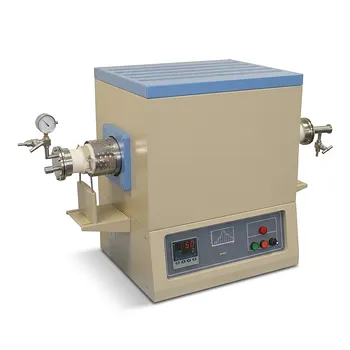
1700C High Temperature Alumina Tube Furnace with 18 Inch Heated Zone and Vacuum Sealing Flanges

1800C High Temperature Compact Vacuum Tube Furnace with 60mm OD Alumina Tube and Kanthal MoSi2 Heating Elements
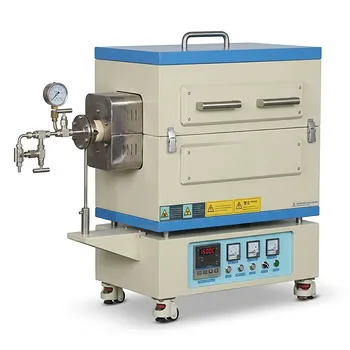
High Temperature Split Tube Furnace 1500C for Material Research Vacuum and Atmosphere Thermal Processing

High Temperature 1700C Vertical Tube Furnace for Powder Spherification and Material Sintering
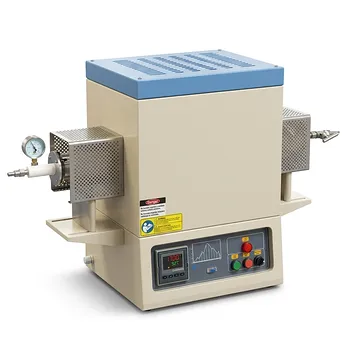
High Temperature Three Zone Tube Furnace 1700C with Alumina Tube and Water Cooled Flanges

High Temperature 1700C Six Zone Split Tube Furnace with Alumina Tube and Water Cooled Flanges
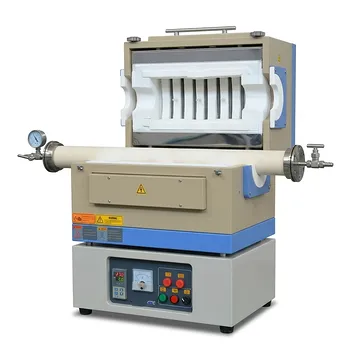
High Temperature 1600C Split Tube Furnace Vacuum Flanges Valves Optional 60mm 80mm Alumina Tube

High Temperature Automated 5 Inch Tube Furnace for Autonomous Material Research and Advanced Laboratory R&D

1100C Tube Furnace with Vacuum Flange and Programmable Temperature Controller for Material Science and Industrial Heat Treatment
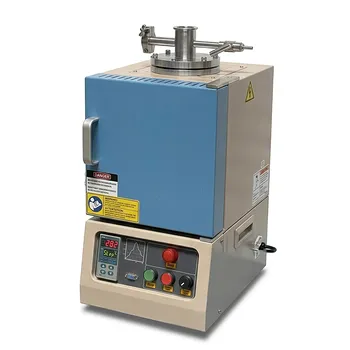
High Temperature Hybrid Muffle and Tube Furnace with Vacuum Capability and PID Control
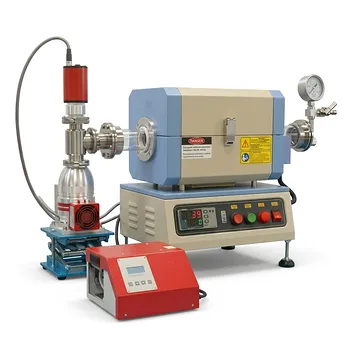
High Vacuum Compact Tube Furnace 1200C with Integrated Turbo Pump System and 8 Inch Heating Zone

1700C Hydrogen Gas Tube Furnace with 60mm Alumina Process Tube and Integrated Hydrogen Safety Detector
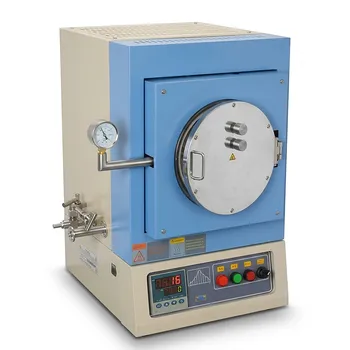
1100°C High Temperature Quartz Chamber Furnace 8 Inch OD with 7.6 Liter Capacity and Vacuum Atmosphere Capability
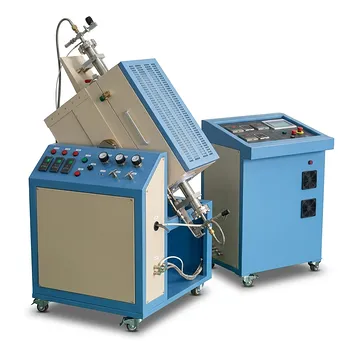
1100C High Pressure Rocking Tube Furnace with 2 Inch Super Alloy Processing Tube for Material Synthesis