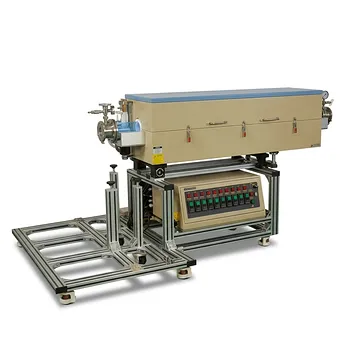
What role does a high-temperature tube furnace play in the carbothermal reduction of LiFePO4/C? Optimize Synthesis
Updated 3 months ago
The high-temperature tube furnace serves as the reactive vessel and environmental controller for the synthesis of LiFePO4/C. It provides the precise thermal energy and inert atmosphere required to facilitate the carbothermal reduction between lithium, iron, and carbon precursors. This process ensures the formation of the specific olivine crystal phase while simultaneously engineering a conductive carbon coating on the particle surfaces to maximize electrochemical performance.
The core role of the tube furnace is to provide a strictly controlled thermal and chemical environment that enables the transformation of raw precursors into high-purity LiFePO4 crystals. By isolating the reaction from oxygen and managing the heating curve, it ensures the stability of divalent iron and the uniform distribution of conductive carbon.
Facilitating the Carbothermal Reduction Reaction
Driving the Chemical Transformation
The furnace provides a stable thermal field, typically around 700°C to 850°C, which is the energy threshold required for the carbothermal reduction of iron precursors. This environment allows the carbon source to act as a reducing agent, facilitating the reaction between lithium and iron sources to form the LiFePO4 crystal phase.
Promoting Phase Transformation
At these elevated temperatures, the furnace enables the phase transformation of xerogels or precursor mixes into the final olivine structure. This high-temperature soak is essential for ensuring the complete diffusion of ions and the stabilization of the crystal lattice.
Atmospheric Control and Oxidation Prevention
Maintaining an Inert Environment
A primary function of the tube furnace is the introduction of high-purity nitrogen (N2) or argon (Ar) to create a strictly inert atmosphere. This isolation is critical because it prevents the oxidation of divalent iron (Fe2+) into trivalent iron (Fe3+), which would otherwise degrade the material's electromagnetic performance and battery capacity.
Managing Gas Escape and Pressure
The design of the tube furnace allows for controlled gas flow, which is necessary to remove the gaseous byproducts of organic precursor pyrolysis. By managing the internal atmosphere, the furnace prevents excessive gas pressure that could lead to structural defects or macro-cracks in the composite material.
Carbon Coating and Conductive Network Formation
Pyrolysis of Carbon Sources
The furnace facilitates the complete pyrolysis of organic carbon sources, transforming them into a uniform, conductive carbon layer. This layer is "in-situ" coated onto the LiFePO4 particles during the sintering process, which is vital for enhancing the electrochemical activity and conductivity of the final cathode material.
Promoting Interfacial Bonding
High-temperature treatment promotes tight interfacial bonding between the lithium iron phosphate crystals and the carbon shell. This structural integrity is essential for maintaining a stable conductive network during the repeated charging and discharging cycles of a battery.
Understanding the Trade-offs and Pitfalls
Balancing Heating Rates and Particle Size
While high temperatures are necessary for crystallinity, excessive heat or overly long dwell times can lead to uncontrolled grain growth. If particles become too large, the lithium-ion diffusion path increases, which can negatively impact the high-rate performance of the battery material.
Risks of Atmosphere Impurity
The tube furnace must maintain a high seal integrity; even trace amounts of oxygen leakage can result in the formation of Fe2O3 or other impurities. These secondary phases disrupt the olivine structure and significantly reduce the discharge capacity of the LiFePO4/C composite.
How to Optimize Your Synthesis Process
To achieve the highest quality LiFePO4/C composite materials, the operation of the tube furnace should be tailored to your specific material goals:
- If your primary focus is high purity and crystallinity: Prioritize a precise heating curve with a formal sintering stage at 700°C and ensure the inert gas flow is constant to prevent iron oxidation.
- If your primary focus is enhanced conductivity: Focus on the multi-stage programmable temperature control, including a pre-calcination step at 300°C to ensure the uniform pyrolysis of carbon sources.
- If your primary focus is structural stability: Use a slow heating rate, such as 1°C/min, to manage the escape of gases and prevent the formation of macro-cracks during the carbonization phase.
By mastering the thermal and atmospheric variables of the high-temperature tube furnace, you can precisely engineer the electrochemical properties of LiFePO4/C composites.
Summary Table:
| Furnace Function | Key Mechanism | Benefit for LiFePO4/C |
|---|---|---|
| Thermal Energy | 700°C - 850°C stable heating | Facilitates core carbothermal reduction and phase transformation. |
| Atmosphere Control | Inert gas flow (N2/Ar) | Prevents oxidation of Fe2+ to Fe3+, maintaining material purity. |
| Carbon Engineering | Organic source pyrolysis | Creates an in-situ conductive carbon layer for high battery activity. |
| Byproduct Removal | Controlled gas flow/exhaust | Manages pyrolysis gases to prevent structural defects or cracks. |
| Grain Management | Programmable ramp/soak | Controls crystal size to optimize lithium-ion diffusion paths. |
Elevate Your Material Research with THERMUNITS Precision Technology
Are you looking to achieve superior purity and performance in your LiFePO4/C synthesis? THERMUNITS is a leading manufacturer of high-temperature laboratory equipment specifically designed for material science and industrial R&D. We provide the precise thermal environments required for complex reactions like carbothermal reduction.
Our comprehensive range of thermal solutions includes:
- High-Precision Tube & Atmosphere Furnaces: Perfect for inert-gas sintering and CVD processes.
- Advanced Laboratory Equipment: Including Vacuum, Muffle, Rotary, and Hot Press furnaces.
- Specialized Systems: CVD/PECVD, Vacuum Induction Melting (VIM), and Dental Furnaces.
By choosing THERMUNITS, you gain more than just a furnace; you gain a partner dedicated to your lab's efficiency and material success. Our equipment ensures uniform heating, strict atmospheric integrity, and long-term durability for consistent results.
Ready to optimize your heat treatment process? Contact us today to find the perfect thermal solution for your project!
References
- Ziyang Xu, Jingkui Qu. Sustainable Utilization of Fe(Ⅲ) Isolated from Laterite Hydrochloric Acid Lixivium via Ultrasonic-Assisted Precipitation to Synthesize LiFePO4/C for Batteries. DOI: 10.3390/ma17020342
Mentioned Products
- High Temperature Tube Furnace 1500C with Sliding Flanges and 50mm OD for Rapid Thermal Processing Fast Heating and Cooling
- High Temperature 1700C Tube Furnace with High Vacuum Turbomolecular Pump System and Multi Channel Mass Flow Controller Gas Mixer
- High Temperature 1700C Benchtop Tube Furnace with 5 Inch Heating Zone High Purity Alumina Tube and Vacuum Sealing Flanges
- 1750°C High Temperature Benchtop Vacuum Atmosphere Tube Furnace with Kanthal Super 1800 Heating Elements and 60mm Alumina Processing Tube
- Compact High Temperature 1600C Tube Furnace with 50mm Alumina Tube and Vacuum Flanges for Material Sintering
People Also Ask
- How are high-temperature tube furnaces utilized to repair etching damage? Precision Lattice Restoration Solutions
- What role does a high-temperature tube furnace play in CVD synthesis of silicon nanowires? Master VLS Growth Precision.
- What core conditions does a high-temperature tube furnace provide for rGO aerogels? Mastering Precision Synthesis.
- What role does a high-temperature tube furnace play in the sulfidation heat treatment of CoS@C/MXene nanocomposites? Guide
- How does precision tube furnace control influence CoFe nanoparticle formation? Master Your Bimetallic Synthesis.

Tech Team · ThermUnits
Last updated on Jun 03, 2026
Related Products
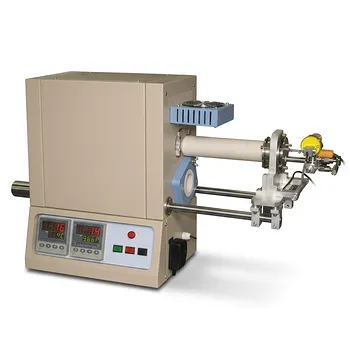
High Temperature Tube Furnace 1500C with Sliding Flanges and 50mm OD for Rapid Thermal Processing Fast Heating and Cooling

High Temperature 1700C Tube Furnace with High Vacuum Turbomolecular Pump System and Multi Channel Mass Flow Controller Gas Mixer

High Temperature 1700C Benchtop Tube Furnace with 5 Inch Heating Zone High Purity Alumina Tube and Vacuum Sealing Flanges

1750°C High Temperature Benchtop Vacuum Atmosphere Tube Furnace with Kanthal Super 1800 Heating Elements and 60mm Alumina Processing Tube

Compact High Temperature 1600C Tube Furnace with 50mm Alumina Tube and Vacuum Flanges for Material Sintering
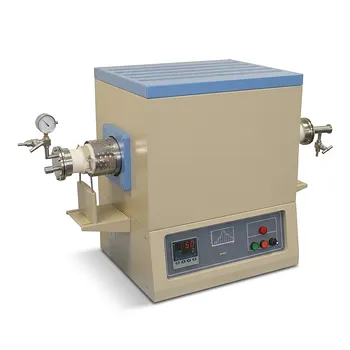
1700C High Temperature Alumina Tube Furnace with 18 Inch Heated Zone and Vacuum Sealing Flanges

1800C High Temperature Compact Vacuum Tube Furnace with 60mm OD Alumina Tube and Kanthal MoSi2 Heating Elements
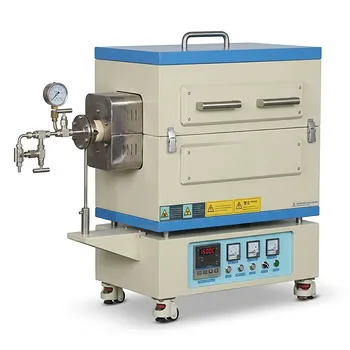
High Temperature Split Tube Furnace 1500C for Material Research Vacuum and Atmosphere Thermal Processing

High Temperature 1700C Vertical Tube Furnace for Powder Spherification and Material Sintering
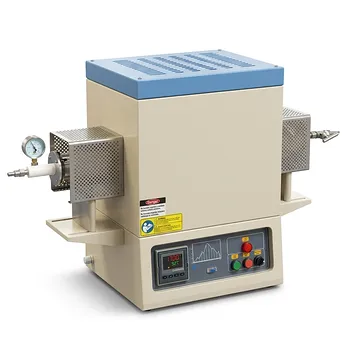
High Temperature Three Zone Tube Furnace 1700C with Alumina Tube and Water Cooled Flanges
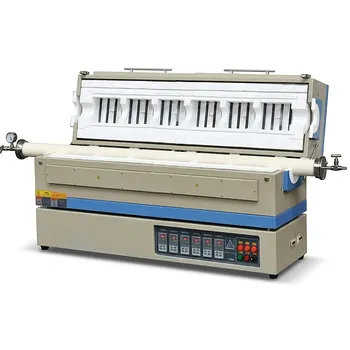
High Temperature 1700C Six Zone Split Tube Furnace with Alumina Tube and Water Cooled Flanges
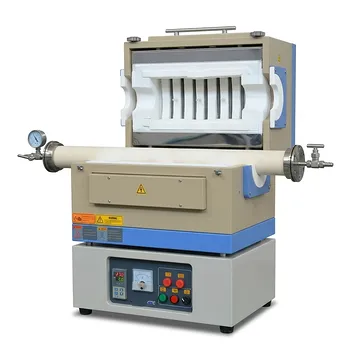
High Temperature 1600C Split Tube Furnace Vacuum Flanges Valves Optional 60mm 80mm Alumina Tube

High Temperature Automated 5 Inch Tube Furnace for Autonomous Material Research and Advanced Laboratory R&D
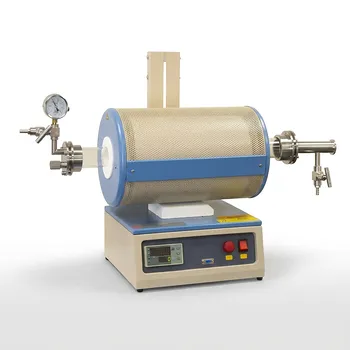
1100C Tube Furnace with Vacuum Flange and Programmable Temperature Controller for Material Science and Industrial Heat Treatment
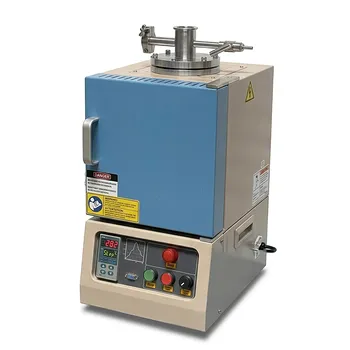
High Temperature Hybrid Muffle and Tube Furnace with Vacuum Capability and PID Control
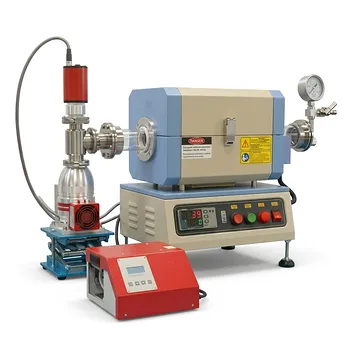
High Vacuum Compact Tube Furnace 1200C with Integrated Turbo Pump System and 8 Inch Heating Zone
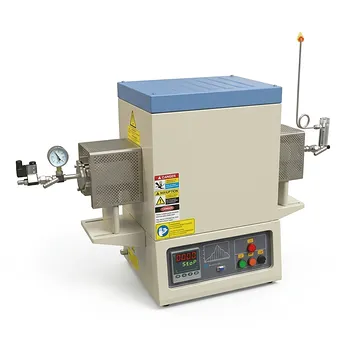
1700C Hydrogen Gas Tube Furnace with 60mm Alumina Process Tube and Integrated Hydrogen Safety Detector

1100°C High Temperature Quartz Chamber Furnace 8 Inch OD with 7.6 Liter Capacity and Vacuum Atmosphere Capability
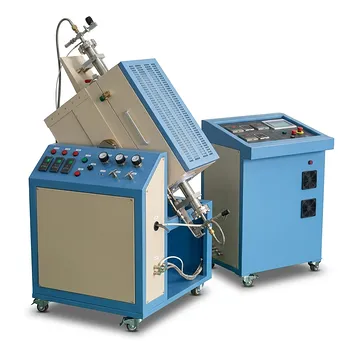
1100C High Pressure Rocking Tube Furnace with 2 Inch Super Alloy Processing Tube for Material Synthesis