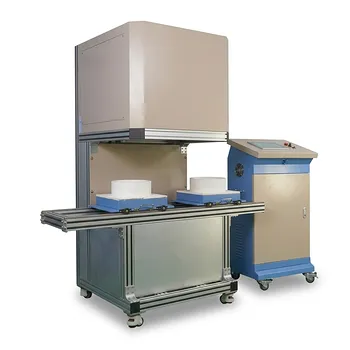
What role does a high-temperature tube furnace play in the production of carbon nanofibers (CNFs)? Key to Quality CNFs.
Updated 3 months ago
A high-temperature tube furnace acts as the primary thermal reactor for the carbonization, calcination, and surface pretreatment of nanofiber precursors. It provides the controlled environment necessary to transform organic polymer frameworks into high-strength, conductive carbon structures by precisely managing temperature ramps, soaking times, and inert atmospheres.
Core Takeaway: The tube furnace is the critical tool for controlling the atomic rearrangement of carbon precursors. By maintaining a strict oxygen-free environment and precise thermal profiles, it facilitates the removal of non-carbon elements while defining the electrical conductivity and porosity of the final carbon nanofibers.
The Role of Precision Carbonization
Converting Polymers to Carbon Frameworks
The tube furnace is essential for the carbonization of nanofiber precursors, typically operating in a range between 600°C and 1000°C. During this stage, the furnace facilitates complex chemical reactions, including dehydrogenation and polycondensation, which eliminate non-carbon elements from the precursor.
Atomic Rearrangement and Graphitization
By providing a stable thermal environment, the furnace allows for the rearrangement and graphitization of carbon atoms. This structural transition is vital for developing nanofibers with high specific surface areas and sophisticated ultramicropore structures, which are critical for applications in energy storage and filtration.
Establishing Electrical Conductivity
High-temperature treatment within the furnace transforms the insulating polymer framework into a highly conductive carbon structure. This process ensures the resulting nanofibers possess the necessary chemical stability and electrical properties required for use as flexible substrates or in electromagnetic wave absorption.
Environmental and Atmosphere Control
Preventing Oxidative Loss
One of the most critical functions of a tube furnace is its superior sealing performance, which maintains a strictly inert nitrogen (N2) atmosphere. This oxygen-free environment is mandatory to prevent the carbon fibers from being destroyed through oxidation at high temperatures.
Surface Pretreatment and Sizing Removal
Before full carbonization, furnaces are used at lower temperatures (approximately 450°C) to decompose polymer sizing on the fiber surface. This step removes organic residues and exposes active functional groups (such as N-C=O), ensuring a clean substrate for subsequent chemical vapor deposition or catalyst attachment.
Catalyst Activation and Calcination
The furnace also serves a secondary role in the calcination of catalyst precursors, such as converting cobalt nitrate into active cobalt oxide nanoparticles. By maintaining specific temperatures (e.g., 550°C), the furnace ensures these catalytic sites are securely anchored and correctly sized for nanofiber growth.
Understanding the Trade-offs
Thermal Uniformity vs. Throughput
Maintaining a uniform temperature field across the entire length of the tube is difficult but necessary for consistent fiber quality. Inconsistencies in the thermal field can lead to localized defects, resulting in nanofibers with uneven mechanical strength or variable electrical conductivity.
Heating Rates and Structural Integrity
While rapid heating might increase production speed, it often compromises the structural integrity of the nanofibers. Slow heating and prolonged soaking times are required to allow non-carbon elements to escape without rupturing the fiber’s delicate ultramicropore structure.
Atmosphere Purity and Seal Integrity
Any compromise in the furnace's sealing integrity can introduce trace amounts of oxygen. Even minor leaks at temperatures above 600°C can lead to the rapid degradation of the carbon skeleton, significantly reducing the yield and quality of the final product.
How to Apply This to Your Project
Recommendations for Process Optimization
Choosing the right furnace parameters depends entirely on the intended application of your carbon nanofibers.
- If your primary focus is high electrical conductivity: Prioritize a furnace capable of maintaining a strict nitrogen atmosphere up to 1000°C to ensure complete carbonization and polycondensation.
- If your primary focus is high surface area and porosity: Focus on a precision control system that allows for extremely slow heating rates and specific soaking times between 600°C and 900°C.
- If your primary focus is catalyst-driven growth: Utilize the furnace for a pretreatment stage at 450°C to ensure the complete removal of organic sizing and proper activation of catalytic sites.
The high-temperature tube furnace is the fundamental tool that bridges the gap between raw polymer precursors and high-performance carbon nanofibers.
Summary Table:
| Process Stage | Typical Temperature | Key Role in CNF Production |
|---|---|---|
| Sizing Removal | ~450°C | Decomposes polymers and exposes active functional groups. |
| Carbonization | 600°C – 1000°C | Converts organic frameworks into conductive carbon structures. |
| Graphitization | >1000°C | Rearranges atoms to enhance electrical conductivity and porosity. |
| Calcination | ~550°C | Activates catalyst precursors (e.g., cobalt oxide) for growth. |
Elevate Your Nanofiber Research with THERMUNITS
Precision is the difference between a failed batch and a breakthrough. THERMUNITS is a leading manufacturer of high-temperature laboratory equipment dedicated to material science and industrial R&D. We provide the thermal stability and atmosphere integrity essential for high-performance carbon nanofiber production.
Our comprehensive range of solutions includes:
- Tube & Atmosphere Furnaces: Optimized for carbonization and inert gas processing.
- CVD/PECVD Systems: For advanced chemical vapor deposition and catalyst growth.
- Muffle, Vacuum, & Rotary Furnaces: Versatile tools for diverse heat treatment needs.
- Specialized Equipment: Including Hot Press, Dental, and Vacuum Induction Melting (VIM) furnaces.
Don't let thermal inconsistency compromise your structural integrity. Contact our technical experts today to find the perfect thermal processing solution for your laboratory!
References
- Victor Selmert, Rüdiger‐A. Eichel. Breakthrough analysis of the CO2/CH4 separation on electrospun carbon nanofibers. DOI: 10.1007/s10450-023-00435-6
Mentioned Products
- High Temperature Dual Zone Rotating Tube Furnace 1500C Silicon Carbide Heating for Advanced Material Synthesis
- High Temperature 1700C Vertical Tube Furnace for Powder Spherification and Material Sintering
- High Temperature Tube Furnace 1500C with Sliding Flanges and 50mm OD for Rapid Thermal Processing Fast Heating and Cooling
- Compact High Temperature 1600C Tube Furnace with 50mm Alumina Tube and Vacuum Flanges for Material Sintering
- 1500C High Temperature Compact Tube Furnace 2 Inch OD with Vacuum Flanges and Complete Accessories
People Also Ask
- What is the function of CVD furnaces in graphene prep? Enhancing Photodetector Charge Transport
- Why use CVD and a tube furnace for Pd3P0.95/NC catalyst phosphidation? Ensure high phase purity and performance.
- CVD Tube Furnace Advantages for Pd-P Catalyst Durability: Precision Control for 40,000+ Cycles
- How does a rotary tube furnace improve the processing of granular materials? Enhance Uniformity and Reaction Kinetics
- How does a Chemical Vapor Deposition (CVD) tube furnace facilitate synchronized nitridation? Precision Nano-Engineering.

Tech Team · ThermUnits
Last updated on Jun 02, 2026
Related Products
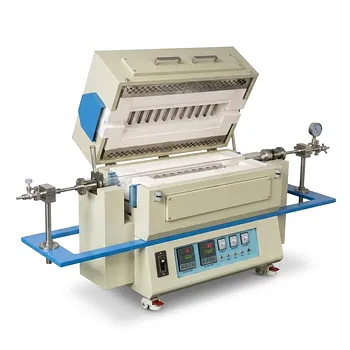
High Temperature Dual Zone Rotating Tube Furnace 1500C Silicon Carbide Heating for Advanced Material Synthesis

High Temperature 1700C Vertical Tube Furnace for Powder Spherification and Material Sintering
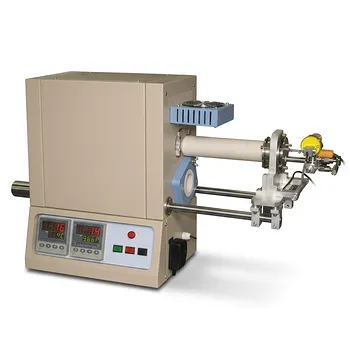
High Temperature Tube Furnace 1500C with Sliding Flanges and 50mm OD for Rapid Thermal Processing Fast Heating and Cooling

Compact High Temperature 1600C Tube Furnace with 50mm Alumina Tube and Vacuum Flanges for Material Sintering
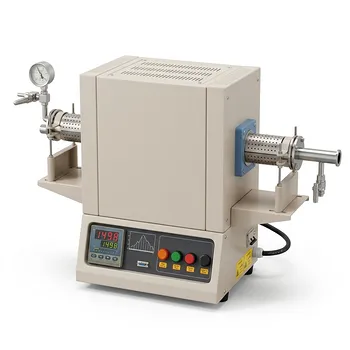
1500C High Temperature Compact Tube Furnace 2 Inch OD with Vacuum Flanges and Complete Accessories

High Temperature 1700C Tube Furnace with High Vacuum Turbomolecular Pump System and Multi Channel Mass Flow Controller Gas Mixer
Vertical Hybrid High Temperature Furnace 1500C Alumina Tube SOFC Fuel Cell Testing Laboratory Heat Treatment Research Equipment

High Temperature 1700C Benchtop Tube Furnace with 5 Inch Heating Zone High Purity Alumina Tube and Vacuum Sealing Flanges
1750°C High Temperature Benchtop Vacuum Atmosphere Tube Furnace with Kanthal Super 1800 Heating Elements and 60mm Alumina Processing Tube
High Temperature 1500C Benchtop Muffle Furnace 3.6L Alumina Fiber Chamber Programmable Controller Sintering Annealing Carbonization Thermal Processing System
High Temperature 1700C Tube Furnace with 4 Inch OD Alumina Tube and Vacuum Sealing Flanges
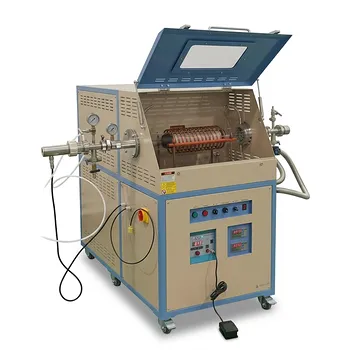
Ultra High Temperature 2300C Induction Heated Graphite Tube Furnace with Infrared Control

1800C High Temperature Compact Vacuum Tube Furnace with 60mm OD Alumina Tube and Kanthal MoSi2 Heating Elements
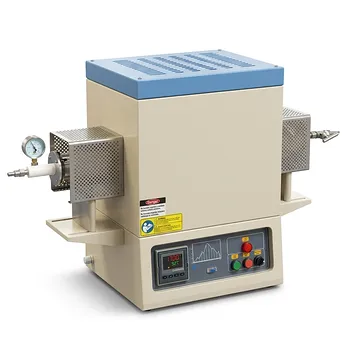
High Temperature Three Zone Tube Furnace 1700C with Alumina Tube and Water Cooled Flanges
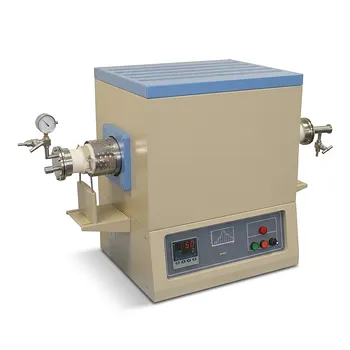
1700C High Temperature Alumina Tube Furnace with 18 Inch Heated Zone and Vacuum Sealing Flanges
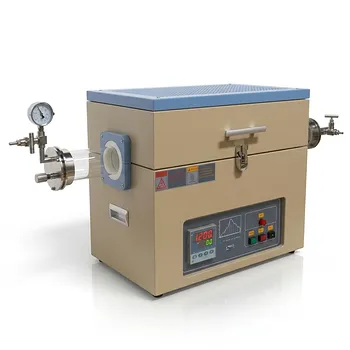
High Temperature 1200C Split Tube Furnace with Optional Quartz Tube Sizes and Vacuum Sealing Flanges for Material Science Research

High Temperature Automated 5 Inch Tube Furnace for Autonomous Material Research and Advanced Laboratory R&D
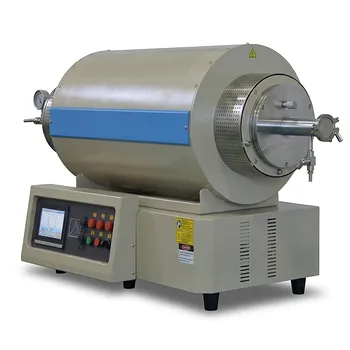
1200C Max Three Zone Tube Furnace 6 Inch OD Max with Tube and Flange
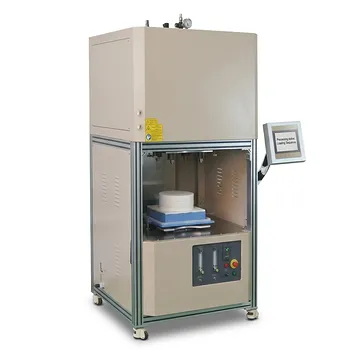
High Temperature Vertical Atmosphere Controlled Furnace with Automatic Bottom Loading and 1700°C Capacity for Advanced Material Research