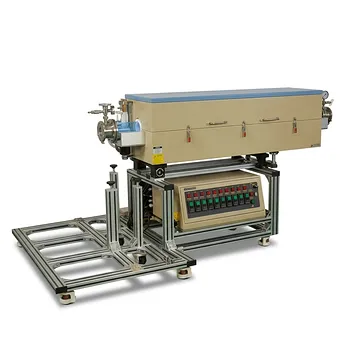
What role does a high-temperature tube furnace play in the production of sunflower-based porous carbon materials? Guide
Updated 3 months ago
The high-temperature tube furnace serves as the precision reactor for the thermal transformation of biomass. It provides a strictly controlled, inert environment—typically using nitrogen or argon—that prevents the sunflower tissue from combusting. By utilizing programmed temperature increases, the furnace facilitates the critical stages of dehydration, degassing, and carbonization required to turn raw tissue into a high-performance carbon skeleton.
The tube furnace acts as a "molecular architect" that uses precise thermal profiles and atmosphere regulation to strip away volatile components. This process transforms raw sunflower biomass into a stable, conductive, and highly porous material with a tailored internal structure.
The Engineering of an Inert Environment
Preventing Oxidative Combustion
In a standard environment, heating biomass would simply result in ash due to the presence of oxygen. The tube furnace maintains a stable nitrogen or argon atmosphere, allowing the material to undergo pyrolysis—the chemical decomposition of organic materials at high temperatures in the absence of oxygen.
Precise Atmosphere Regulation
Beyond just removing oxygen, the furnace allows for the introduction of specific gases that can assist in heteroatom doping or chemical activation. This ensures that the sunflower tissue remains protected while the internal chemistry is modified to enhance electrical conductivity and thermal stability.
Mechanisms of Carbonization and Structural Development
Facilitating Programmed Thermal Reactions
The furnace follows a specific heating profile to manage the transition from biomass to carbon. It enables a sequence of dehydration and degassing, where moisture and volatile organic compounds are expelled, leaving behind a concentrated carbon framework.
Managing Pyrolysis and Aromatization
By maintaining temperatures typically ranging from 500°C to 1000°C, the furnace induces aromatization. This process rearranges the carbon atoms into stable, ring-like structures, which are responsible for the material's high electrical conductivity and mechanical strength.
Pore Structure Synthesis
The furnace allows for precise control over holding times and temperature peaks, which determines the final pore morphology. By adjusting these variables, researchers can control the ratio of micropores to mesopores, creating the necessary surface area for applications like energy storage or filtration.
Enhancing Material Properties via Thermal Processing
Enabling Chemical Etching and Activation
When sunflower tissues are mixed with activating agents like potassium carbonate (K2CO3) or zinc chloride (ZnCl2), the tube furnace provides the thermal energy required for these chemicals to corrode and etch the carbon. This deep etching is what creates the developed, interconnected pore structure that defines "porous carbon."
Facilitating Template Removal and Doping
If hard or soft templates are used to shape the carbon, the tube furnace provides the heat necessary for thermal decomposition and gasification of these templates. Simultaneously, it allows for the integration of elements like boron into the carbon framework, adjusting its electronic structure for better interaction with active metal particles.
Understanding the Trade-offs
Energy Consumption vs. Precision
High-temperature tube furnaces provide unparalleled control, but they are energy-intensive and typically limited to batch processing. Achieving a very high surface area often requires higher temperatures and longer holding times, which increases operational costs and may reduce the overall yield of the carbon material.
Material Throughput and Scaling
While ideal for research and high-purity synthesis, the tube furnace’s design limits the volume of material that can be processed at once. Furthermore, the complexity of maintaining a perfect seal for an inert atmosphere increases with the size of the furnace, making large-scale production more challenging than laboratory-scale experiments.
Making the Right Choice for Your Goal
How to Apply This to Your Project
Depending on your specific requirements for the sunflower-based carbon, you should adjust the furnace parameters accordingly:
- If your primary focus is High Electrical Conductivity: Prioritize higher carbonization temperatures (above 800°C) and longer holding times to maximize the aromatization and graphitization of the carbon skeleton.
- If your primary focus is Maximum Surface Area: Utilize chemical activators within the furnace and focus on a "soak" period at moderate temperatures (600°C–800°C) to allow for deep etching without collapsing the pore structure.
- If your primary focus is Yield and Efficiency: Optimize the heating ramp rate to be as fast as possible without causing structural fractures, and keep the peak temperature at the lower end of the carbonization range.
Mastering the thermal profile of the tube furnace is the single most important factor in dictating the final performance and structural integrity of sunflower-derived porous carbon.
Summary Table:
| Furnace Function | Process Description | Key Outcome |
|---|---|---|
| Inert Atmosphere | Maintains N2/Ar gas flow | Prevents combustion; enables pyrolysis |
| Thermal Profiling | Programmed heating (500°C-1000°C) | Dehydration, degassing, and carbonization |
| Structural Tuning | Precise peak temperature/hold time control | Tailored pore morphology and conductivity |
| Chemical Etching | High-temp energy for activators (K2CO3) | Enhanced surface area for energy storage |
Optimize Your Carbon Synthesis with THERMUNITS
As a global leader in high-temperature laboratory equipment, THERMUNITS empowers material science researchers and industrial R&D teams with precision thermal solutions. Whether you are refining biomass conversion or developing advanced energy storage materials, our equipment ensures the accuracy and reliability your project demands.
Why Choose THERMUNITS for Your R&D?
- Precision Control: Our Tube Furnaces and CVD/PECVD systems offer world-class atmosphere and temperature regulation.
- Comprehensive Range: From Vacuum Induction Melting (VIM) to Muffle, Atmosphere, and Rotary Furnaces, we cover every heat treatment need.
- Expertise in Innovation: We provide the thermal infrastructure necessary for high-performance porous carbon and material engineering.
Ready to enhance your lab's efficiency and material performance? Contact THERMUNITS Today to find the perfect thermal processing solution for your research.
References
- Ning Gao, Xiaolin Liu. Bio-based sunflower carbon/polyethylene glycol shape-stabilized phase change materials for thermal energy storage. DOI: 10.1039/d4ra03208j
Mentioned Products
- High Temperature Tube Furnace 1500C with Sliding Flanges and 50mm OD for Rapid Thermal Processing Fast Heating and Cooling
- High Temperature 1700C Tube Furnace with High Vacuum Turbomolecular Pump System and Multi Channel Mass Flow Controller Gas Mixer
- High Temperature 1700C Benchtop Tube Furnace with 5 Inch Heating Zone High Purity Alumina Tube and Vacuum Sealing Flanges
- 1750°C High Temperature Benchtop Vacuum Atmosphere Tube Furnace with Kanthal Super 1800 Heating Elements and 60mm Alumina Processing Tube
- Compact High Temperature 1600C Tube Furnace with 50mm Alumina Tube and Vacuum Flanges for Material Sintering
People Also Ask
- How are high-temperature tube furnaces utilized to repair etching damage? Precision Lattice Restoration Solutions
- What role does a high-temperature tube furnace play in CVD synthesis of silicon nanowires? Master VLS Growth Precision.
- What core conditions does a high-temperature tube furnace provide for rGO aerogels? Mastering Precision Synthesis.
- What role does a high-temperature tube furnace play in the sulfidation heat treatment of CoS@C/MXene nanocomposites? Guide
- How does precision tube furnace control influence CoFe nanoparticle formation? Master Your Bimetallic Synthesis.

Tech Team · ThermUnits
Last updated on Jun 03, 2026
Related Products
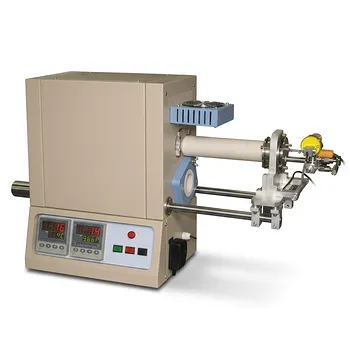
High Temperature Tube Furnace 1500C with Sliding Flanges and 50mm OD for Rapid Thermal Processing Fast Heating and Cooling

High Temperature 1700C Tube Furnace with High Vacuum Turbomolecular Pump System and Multi Channel Mass Flow Controller Gas Mixer

High Temperature 1700C Benchtop Tube Furnace with 5 Inch Heating Zone High Purity Alumina Tube and Vacuum Sealing Flanges
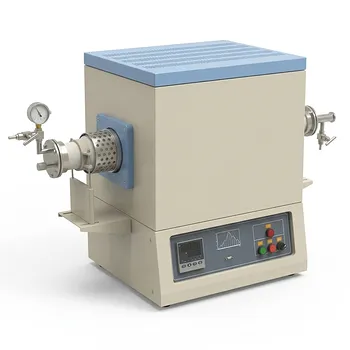
1750°C High Temperature Benchtop Vacuum Atmosphere Tube Furnace with Kanthal Super 1800 Heating Elements and 60mm Alumina Processing Tube

Compact High Temperature 1600C Tube Furnace with 50mm Alumina Tube and Vacuum Flanges for Material Sintering
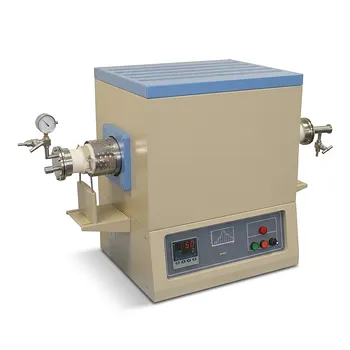
1700C High Temperature Alumina Tube Furnace with 18 Inch Heated Zone and Vacuum Sealing Flanges

1800C High Temperature Compact Vacuum Tube Furnace with 60mm OD Alumina Tube and Kanthal MoSi2 Heating Elements
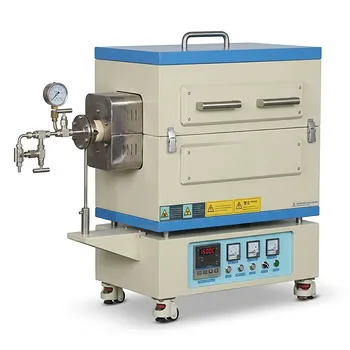
High Temperature Split Tube Furnace 1500C for Material Research Vacuum and Atmosphere Thermal Processing

High Temperature 1700C Vertical Tube Furnace for Powder Spherification and Material Sintering
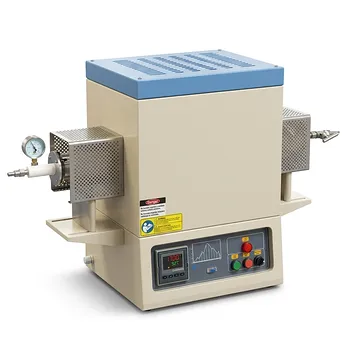
High Temperature Three Zone Tube Furnace 1700C with Alumina Tube and Water Cooled Flanges

High Temperature 1700C Six Zone Split Tube Furnace with Alumina Tube and Water Cooled Flanges
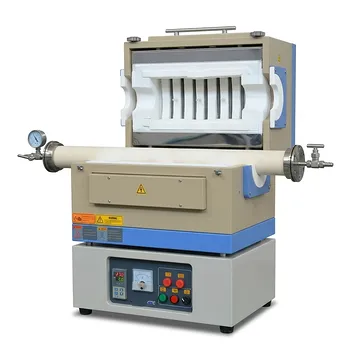
High Temperature 1600C Split Tube Furnace Vacuum Flanges Valves Optional 60mm 80mm Alumina Tube

High Temperature Automated 5 Inch Tube Furnace for Autonomous Material Research and Advanced Laboratory R&D

1100C Tube Furnace with Vacuum Flange and Programmable Temperature Controller for Material Science and Industrial Heat Treatment
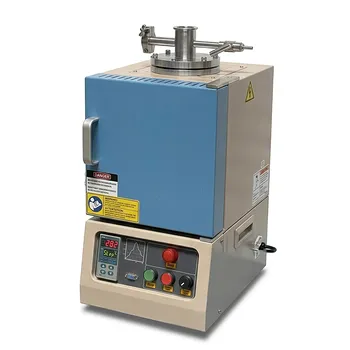
High Temperature Hybrid Muffle and Tube Furnace with Vacuum Capability and PID Control
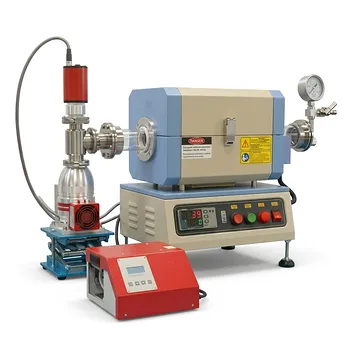
High Vacuum Compact Tube Furnace 1200C with Integrated Turbo Pump System and 8 Inch Heating Zone
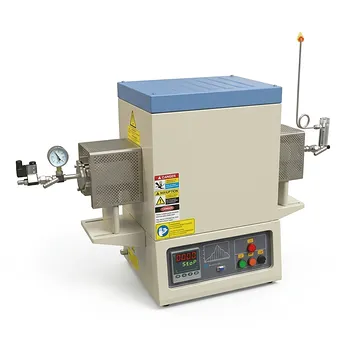
1700C Hydrogen Gas Tube Furnace with 60mm Alumina Process Tube and Integrated Hydrogen Safety Detector
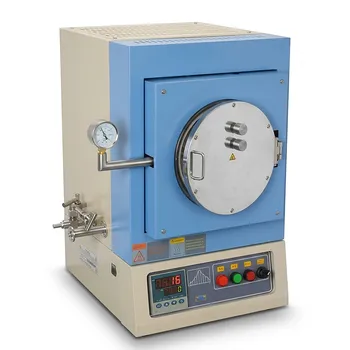
1100°C High Temperature Quartz Chamber Furnace 8 Inch OD with 7.6 Liter Capacity and Vacuum Atmosphere Capability
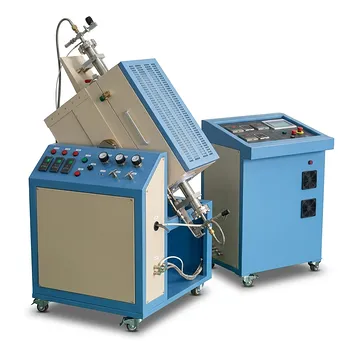
1100C High Pressure Rocking Tube Furnace with 2 Inch Super Alloy Processing Tube for Material Synthesis