What role does a laboratory tube furnace play in the chemical activation process of reclaimed carbon black? Master Porosity.
Updated 3 months ago
The laboratory tube furnace is the indispensable reactor for the chemical activation of reclaimed carbon black (rCB).
It provides the precisely controlled, high-temperature, non-oxidizing environment necessary to facilitate chemical reactions between the carbon matrix and activating agents. By maintaining uniform thermal fields and inert atmospheres, it allows for the controlled etching of complex porous structures, effectively transforming low-value reclaimed carbon into high-performance activated carbon.
The tube furnace acts as a precision thermal reactor that manages the critical balance between carbon preservation and pore development. It enables the high-temperature chemical reactions required to etch complex porosity into reclaimed carbon black without the material being consumed by unwanted oxidation.
Creating a Controlled Reaction Environment
Maintaining Atmospheric Integrity
The primary role of the tube furnace is to provide a non-oxidizing atmosphere, typically using nitrogen or argon. This inert environment is critical because it prevents the oxygen-rich air from burning away the carbon material at high temperatures.
Establishing Thermal Uniformity
Chemical activation requires a uniform thermal field to ensure that the activating agent reacts consistently throughout the entire batch of carbon black. A tube furnace excels at providing this steady heat, which prevents localized over-processing or under-activation of the material.
Facilitating Specific Chemical Reactions
Under these controlled conditions, the furnace promotes dehydration and catalytic reactions between the carbon and activators like zinc chloride (ZnCl₂), potassium hydroxide (KOH), or sodium hydroxide (NaOH). These reactions are what physically alter the carbon’s internal structure to create surface area.
Mechanisms of Pore Development
Catalytic Etching of the Carbon Matrix
As the furnace reaches specific temperatures (often ranging from 500°C to 900°C), the activating agent begins to etch the carbon framework. This chemical "corrosion" creates a vast network of microporous and mesoporous structures that give activated carbon its adsorption properties.
Removal of Volatile Matter
The high-temperature environment facilitates pyrolysis, which drives off residual organic volatiles remaining from the original reclamation process. This step is essential for carbon enrichment and clearing existing blocked pores.
Structural Reorganization
At higher temperatures, such as 850°C, the tube furnace induces structural rearrangement and can increase the degree of graphitization. Using process gases like carbon dioxide (CO₂) can further refine the pore structure by acting as a mild oxidizing agent to adjust catalytic performance.
Critical Process Parameters
Precision Temperature Control
The furnace allows researchers to set exact activation temperatures, which fundamentally influence the final pore size distribution. While some processes utilize 500°C for catalytic dehydration, others require up to 900°C to maximize the interaction between potassium ions and the carbon matrix.
Control of Heating Rates
The ability to manage the heating rate (e.g., 10°C/min) is vital for controlling the release of gases and preventing structural collapse. Slow, steady heating ensures the pore network develops evenly without damaging the integrity of the carbon granules.
Isothermal Holding Time
The furnace maintains a constant temperature environment for a specific duration, known as the holding time. This duration determines the intensity of the activation; longer times generally increase the BET specific surface area and iodine value, up to a point of diminishing returns.
Understanding the Trade-offs
Pore Development vs. Carbon Yield
The most significant trade-off in chemical activation is the balance between porosity and mass loss. While higher temperatures and stronger chemical agents increase the surface area, they also cause more "burn-off," reducing the total yield of the final product.
Chemical Complexity vs. Equipment Longevity
Using aggressive activators like KOH or NaOH at high temperatures can be highly effective for creating pores, but these substances can be corrosive to the furnace tube. Selecting the right tube material (such as quartz or alumina) is a necessary consideration to prevent equipment failure.
Gas Consumption vs. Purity
Using high-purity argon as a protective atmosphere provides the best protection against oxidation, but it is significantly more expensive than nitrogen. Researchers must weigh the need for absolute carbon purity against the operational costs of the activation process.
Making the Right Choice for Your Goal
To achieve the best results with a laboratory tube furnace, the process parameters must align with the intended application of the reclaimed carbon black.
- If your primary focus is maximum surface area: Utilize high temperatures (700°C–900°C) and strong alkaline activators like KOH to aggressively etch the carbon matrix.
- If your primary focus is process economy: Opt for lower temperatures (~500°C) and zinc chloride (ZnCl₂) to promote dehydration with lower energy consumption.
- If your primary focus is structural integrity: Use a slower heating rate and a strictly inert nitrogen atmosphere to prevent excessive oxidative loss of carbon elements.
- If your primary focus is catalytic performance: Introduce carbon dioxide (CO₂) during the final stages of heating to fine-tune the surface chemistry and pore openings.
By precisely mastering the thermal and atmospheric variables of a tube furnace, you can successfully transform reclaimed carbon black into a high-value engineered material.
Summary Table:
| Furnace Function | Key Role in Activation | Impact on Reclaimed Carbon Black |
|---|---|---|
| Atmospheric Control | Maintains inert/non-oxidizing environment | Prevents carbon burn-off; ensures high purity |
| Thermal Uniformity | Provides steady, consistent heat fields | Guarantees even pore development across the batch |
| Precision Temp Control | Facilitates catalytic etching (500°C-900°C) | Determines final BET surface area and pore size |
| Controlled Heating Rate | Manages gas release speed | Prevents structural collapse of carbon granules |
| Isothermal Holding | Extends reaction duration | Maximizes iodine value and chemical adsorption |
Elevate Your Carbon Research with THERMUNITS
As a leading manufacturer of high-temperature laboratory equipment for material science and industrial R&D, THERMUNITS understands the critical nature of precision in chemical activation. We offer a comprehensive range of thermal processing solutions designed to optimize your yields and material properties, including Tube, Muffle, Vacuum, Atmosphere, Rotary, and Hot Press furnaces, as well as CVD/PECVD systems, Dental Furnaces, and Electric Rotary Kilns.
Whether you are refining reclaimed carbon black or developing advanced catalysts, our equipment provides the atmospheric integrity and thermal precision your research demands.
Contact THERMUNITS today to find the perfect furnace for your lab!
References
- M. M. El-Maadawy, Ahmed Taha. Conversion of carbon black recovered from waste tires into activated carbon <i>via</i> chemical/microwave methods for efficient removal of heavy metal ions from wastewater. DOI: 10.1039/d4ra00172a
Mentioned Products
- Multi Position Tube Furnace 1100C for Laboratory Material Research and Advanced Industrial Thermal Processing
- Ten Zone Multi Orientation Laboratory Tube Furnace for 1200C High Temperature Gradient Thermal Processing
- High Temperature 1200C Split Tube Furnace with Hinged Vacuum Flanges and 4 Inch Quartz Tube for Laboratory Research
- High Temperature Automated 5 Inch Tube Furnace for Autonomous Material Research and Advanced Laboratory R&D
- 1100°C Vertical Laboratory Furnace for DIY Tubular Reactors with PID Temperature Controller
People Also Ask
- Why use a tube furnace for oxygen annealing LaCrO3/LaMnO3? Optimize Phase Transition & Magnetic Performance.
- What key role does a laboratory high-temperature tube furnace play in the production of carbon nanofibers? Guide
- How is a laboratory high-temperature tube furnace utilized to research the products of aluminothermic reduction? Advanced Metallurgical Solutions
- What is the role of a laboratory tube furnace in the carbonization process of porous carbon foam (PCF)? Master 3D Synthesis
- What role does a laboratory tube furnace play in the pyrolysis and carbonization of biomass? Optimize Thermal Research.

Tech Team · ThermUnits
Last updated on Jun 02, 2026
Related Products
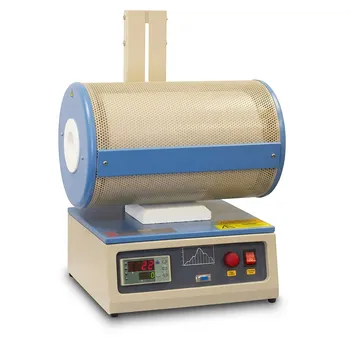
Multi Position Tube Furnace 1100C for Laboratory Material Research and Advanced Industrial Thermal Processing
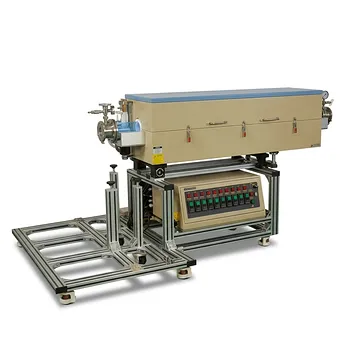
Ten Zone Multi Orientation Laboratory Tube Furnace for 1200C High Temperature Gradient Thermal Processing
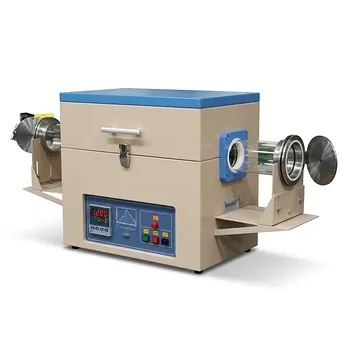
High Temperature 1200C Split Tube Furnace with Hinged Vacuum Flanges and 4 Inch Quartz Tube for Laboratory Research

High Temperature Automated 5 Inch Tube Furnace for Autonomous Material Research and Advanced Laboratory R&D
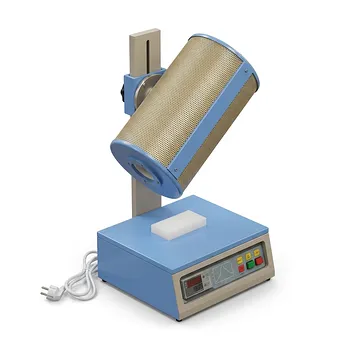
1100°C Vertical Laboratory Furnace for DIY Tubular Reactors with PID Temperature Controller
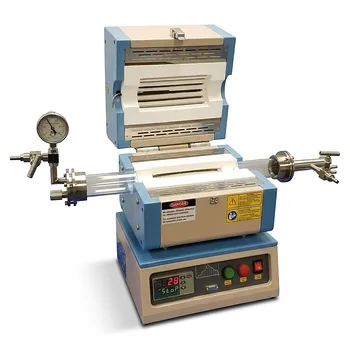
Compact Split Tube Furnace with Integrated Vacuum System and Precision Temperature Calibrator

1800C High Temperature Compact Vacuum Tube Furnace with 60mm OD Alumina Tube and Kanthal MoSi2 Heating Elements
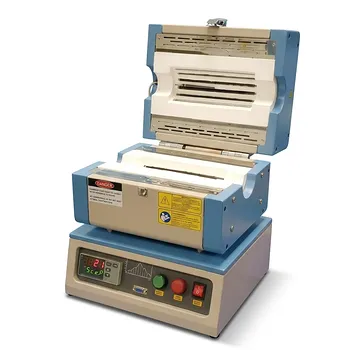
1250C Compact Split Tube Furnace with 8 Inch Heating Zone and Programmable Controller
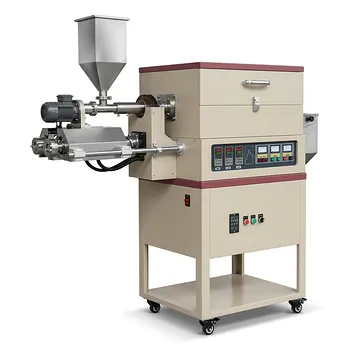
Laboratory Tilting Rotary Tubular Furnaces for Material Science and Industrial Heat Treatment
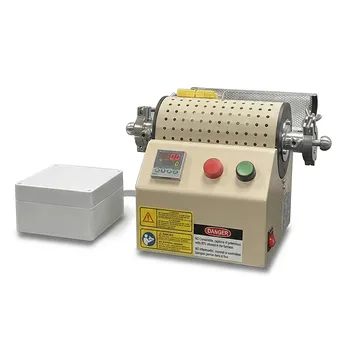
1000C Mini Tube Furnace with 20mm Quartz Tube and Vacuum Flanges for Material Science Research and Controlled Atmosphere Small Sample Processing

1700C High Temperature Alumina Tube Furnace with 18 Inch Heated Zone and Vacuum Sealing Flanges
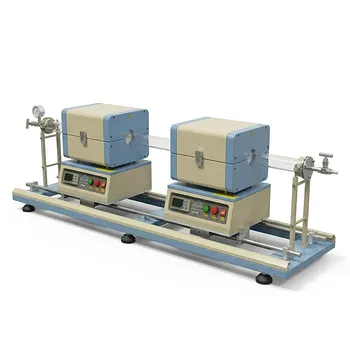
1200C Max Dual Sliding Tube Furnace with 50 mm Tube Flanges for CVD
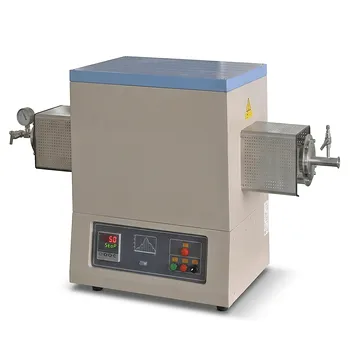
High Temperature 1700C Tube Furnace with 4 Inch OD Alumina Tube and Vacuum Sealing Flanges
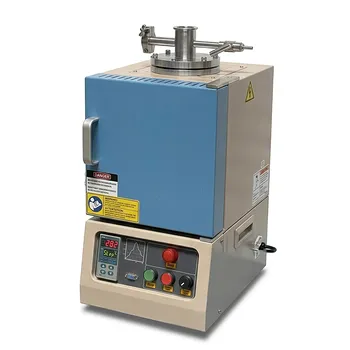
High Temperature Hybrid Muffle and Tube Furnace with Vacuum Capability and PID Control
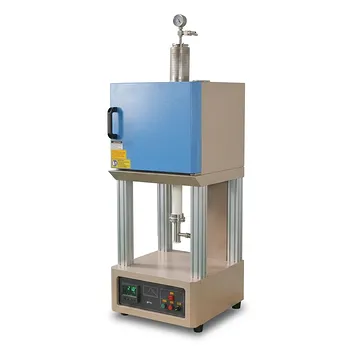
Hybrid High Temperature Tube and Box Furnace 1700C with 2 Inch Alumina Tube for Material Research
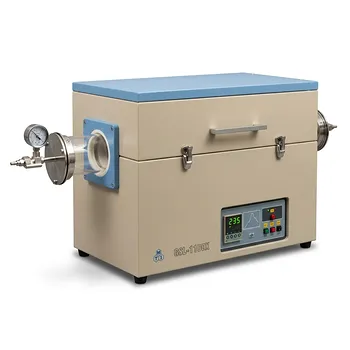
Single Zone Tube Furnace 5 Inch Quartz Tube 36 Inch Heating Zone Vacuum Flanges

High Temperature 1700C Vertical Tube Furnace for Powder Spherification and Material Sintering

1100C Tube Furnace with Vacuum Flange and Programmable Temperature Controller for Material Science and Industrial Heat Treatment

High Temperature 1700C Tube Furnace with High Vacuum Turbomolecular Pump System and Multi Channel Mass Flow Controller Gas Mixer
